rifanmuazin
In the dynamic landscape of digital marketing, conversion rates are the lifeblood of online success. Businesses invest significant resources in driving traffic to their websites, but the ultimate goal remains to transform these visitors into customers, subscribers, or leads. A crucial, yet often underestimated, element in this conversion funnel is the Call to Action (CTA). As copywriting veterans with a decade of experience observe, even minor adjustments to CTA phrasing can yield dramatic improvements, with some single-word power-ups boosting conversions by over 100%. High-performing CTAs resonate with the audience’s pain points and clearly articulate the value proposition of taking the desired action. While seemingly straightforward phrases like "Shop Now" might suffice, more potent alternatives like "Run Pain-Free" can significantly elevate closing rates. This comprehensive guide delves into the science and art behind crafting compelling CTAs, offering 31 exemplary cases and expert insights to empower marketers in optimizing their own calls to action.

The Crucial Role of Calls to Action in Digital Marketing
A Call to Action serves as the pivotal point where a potential customer decides to engage further with a brand. It’s the directive that bridges interest and action, guiding users through the marketing funnel. The effectiveness of a CTA is not merely about telling people what to do; it’s about inspiring them to do it by tapping into their needs, desires, and pain points. Over the past decade, the digital marketing sphere has witnessed a profound evolution in how these calls are perceived and implemented. What was once a simple button labeled "Click Here" has transformed into a sophisticated marketing tool, capable of influencing user behavior and driving tangible business outcomes.
Data consistently highlights the impact of well-crafted CTAs. Research indicates that personalized CTAs can convert up to 202% better than generic versions. This underscores the importance of understanding the target audience and tailoring the message to resonate with their specific context. Furthermore, the strategic use of "power words" – words imbued with emotional resonance and persuasive power – can significantly amplify a CTA’s effectiveness. For instance, studies on top-performing Google Ads reveal that over half incorporate at least one value-laden word, with "free" and "quality" being among the most frequently utilized. This suggests a direct correlation between the inclusion of benefit-oriented language and improved conversion rates.
Evolving CTAs: From Transactional to Transformational
The digital marketing ecosystem is characterized by constant innovation, and CTAs are no exception. Initially, CTAs were largely transactional, focusing on immediate purchases. Phrases like "Buy Now," "Add to Cart," and "Get Yours Today" were standard on e-commerce platforms and direct purchase pages. However, as consumer behavior and marketing strategies have matured, CTAs have evolved to encompass a broader spectrum of objectives, including lead generation, engagement, and community building.
Ecommerce and Direct Purchase CTAs: Driving Immediate Conversions
These CTAs are designed to capture the attention of ready-to-buy customers. They are typically found on product pages, advertisements, and landing pages, aiming to finalize a transaction.
-
"Get Your Tickets While They’re Hot"
- Context: This CTA was employed by "Really Good Emails" for their "Unspam" event. The brand is known for its humorous and occasionally edgy tone, which this CTA effectively mirrors.
- Analysis: The phrase injects a sense of excitement and immediacy, appealing to the fear of missing out (FOMO). It clearly communicates the product being offered (tickets for an event) while maintaining the brand’s distinct personality. The visual presentation, with a bright red button, further enhances its visibility.
- Pro-Tip: A critical review of CTAs for grammatical accuracy is essential. In this instance, a minor misspelling ("their" instead of "they’re") could inadvertently detract from the brand’s professional image. Maintaining linguistic precision is paramount.
-
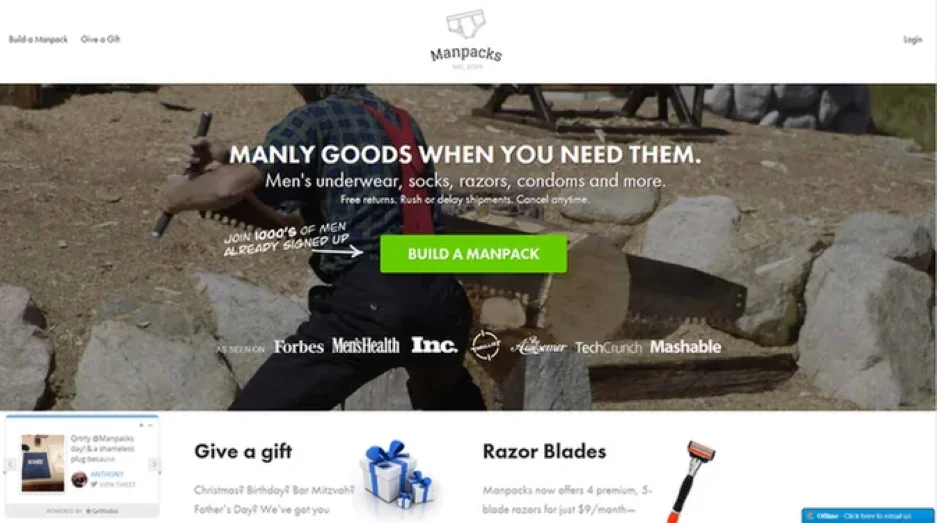
"Build a Manpack"
- Context: This example from Manpacks, a men’s grooming product site, exemplifies speaking directly to the target audience in their vernacular.
- Analysis: By combining stereotypical masculine imagery with strong, active phrasing, the CTA makes the process of assembling a grooming kit sound engaging and empowering. This personalization is key; studies show personalized CTAs can boost conversions by over 200%. Tailoring language to resonate with specific demographic groups can significantly enhance appeal.
-
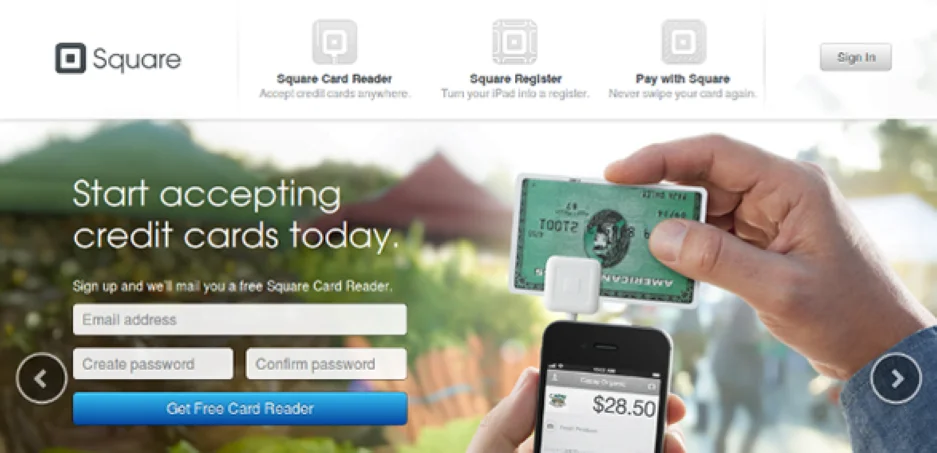
"Get Free Card Reader"
- Context: Square’s landing page utilizes this straightforward CTA, leveraging the universal appeal of free offerings.
- Analysis: The offer of a free item is a powerful conversion driver. This CTA is effective due to its simplicity and directness, highlighting the tangible benefit. The formula is easily adaptable; businesses can replace "card reader" with any free product or service they offer.
- Pro-Tip: The CTA should visually stand out. While Square’s CTA is clear, it could benefit from greater color contrast to further emphasize its importance on the page.
-
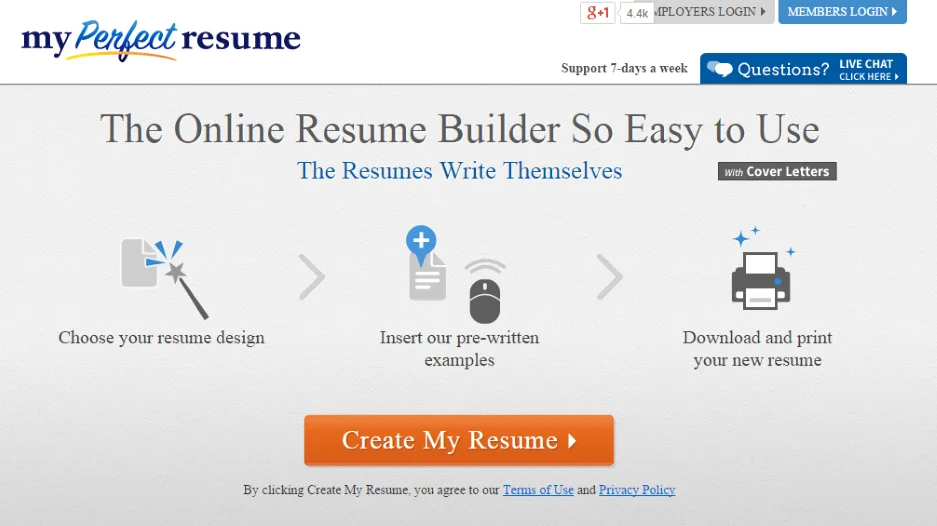
"Create My Resume"
- Context: My Perfect Resume strategically places this CTA within a logical workflow, guiding users through a step-by-step process.
- Analysis: The CTA itself is simple, but its placement is crucial. Accompanying graphics illustrate an easy process, making the task of resume creation appear less daunting. The CTA then becomes the natural and immediate next step for the user to complete their objective. This illustrates how CTAs can be integrated into a user journey to maximize their impact.
-
"Claim Offer"
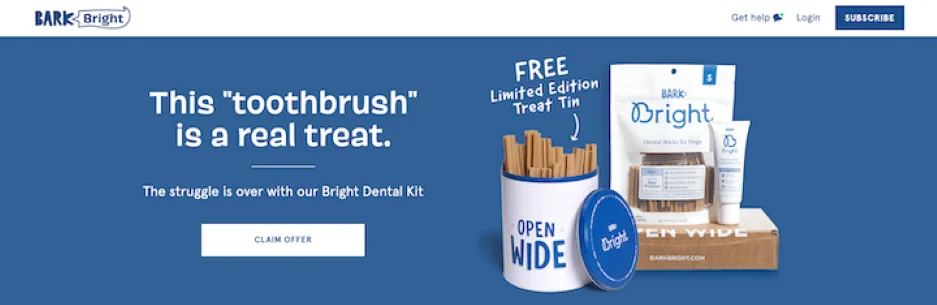
- Context: Bark Bright uses this CTA to shift the focus from spending to receiving.
- Analysis: Many CTAs implicitly suggest a monetary transaction ("Buy Now"). "Claim Offer" frames the action as acquiring something of value, subtly reducing the perception of immediate expenditure. While a purchase is still implied, the subliminal message emphasizes the benefit received.
-
Multiple CTAs for A/B Testing
- Context: Android ingeniously incorporated multiple CTAs within a single advertisement, enabling A/B (and C/D) testing.
- Analysis: Each clickable section of the ad presented a distinct value proposition and CTA, all leading to the same landing page. This approach allows Android to meticulously track which CTAs generate the most clicks, providing invaluable data for optimizing future campaigns. This strategy highlights the importance of continuous testing and data-driven decision-making in CTA development.
-
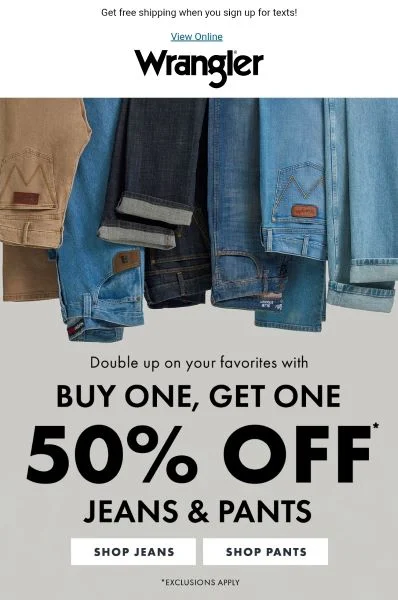
"Shop Jeans, Shop Pants"
- Context: Wrangler’s advertisement features two distinct CTAs, catering to specific customer intent.
- Analysis: By offering category-specific buttons, Wrangler reduces friction for shoppers. Instead of a generic "Shop Now," users can directly navigate to their desired product type, leading to a more efficient and satisfying shopping experience. This demonstrates how segmenting CTAs can improve user flow and potentially increase conversion rates.
Urgency and Scarcity: Motivating Immediate Action
The psychological principle of urgency and scarcity is a powerful tool in marketing, compelling users to act swiftly to avoid missing out on an opportunity.
-
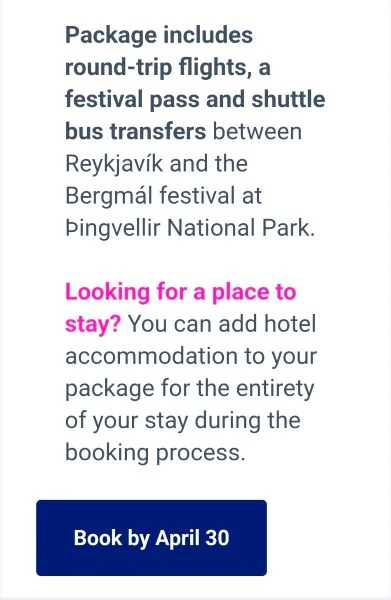
"Book by April 30"
- Context: Iceland Air clearly communicated a booking deadline within its CTA.
- Analysis: Specificity in marketing copy builds trust and clarity. Providing a hard deadline removes ambiguity and encourages prompt action. The airline could have opted for a more generic "Book Now," but the inclusion of a date creates a concrete reason for immediate booking.
-
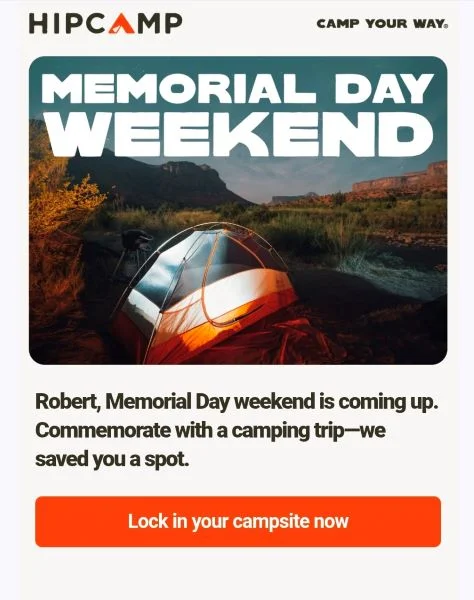
"Lock in Your Campsite Now"
- Context: Hipcamp leverages the seasonal nature of camping to create a sense of urgency.
- Analysis: The phrase "Lock in" implies security and guarantees availability, while "now" intensifies the urgency. This is particularly effective for time-sensitive offers or seasonal services. The word "now" has been identified as a frequent power word in high-performing Google Ads, underscoring its effectiveness in driving immediate action.
-
"Save Now"
- Context: This DNA testing ad strategically positions its urgency CTA above the sales expiration date.
- Analysis: The CTA "Save Now" is paired with microcopy that reinforces the limited-time nature of the promotion. This combination creates a clear imperative for immediate action, capitalizing on the fear of missing out on a discounted opportunity.
Appointment and Booking CTAs: Streamlining Service Acquisition
For service-based businesses and software providers offering demos, CTAs play a critical role in securing appointments and bookings.
-
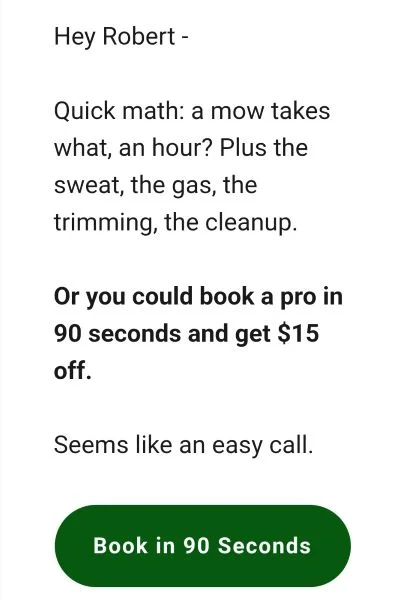
"Book in 90 Seconds"
- Context: This CTA for a lawncare service emphasizes convenience and speed.
- Analysis: Understanding the customer’s desire for ease, this CTA promises a quick and effortless booking process. It addresses a potential pain point – the time and hassle involved in scheduling – by offering a swift solution.
-
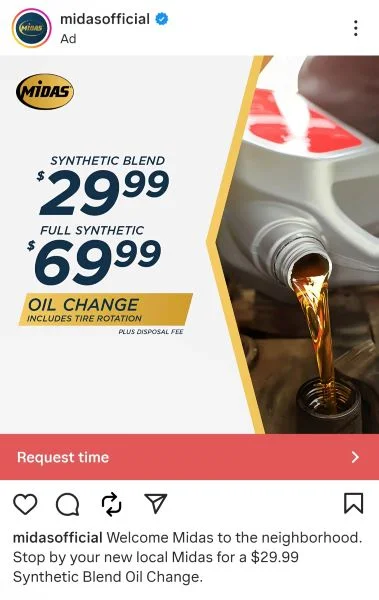
"Request Time"
- Context: Midas opted for a less common, more personal CTA on social media platforms.
- Analysis: In a sea of default CTAs like "Learn More," "Request Time" stands out by offering a slightly more nuanced and personal approach to scheduling. It suggests a tailored interaction rather than a generic booking.
-
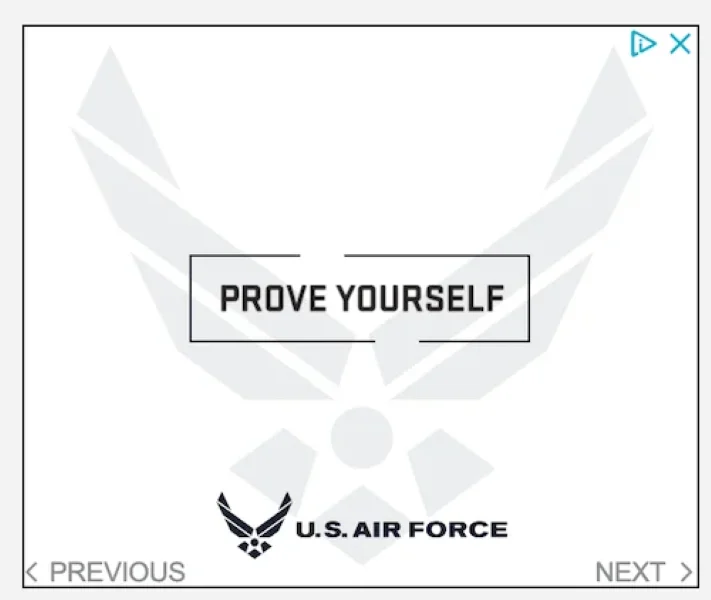
"Prove Yourself"

- Context: The U.S. Air Force employs this motivational CTA to resonate with potential recruits.
- Analysis: This two-word CTA taps into a deep-seated human desire for achievement and challenge. It appeals to the emotional drive of individuals considering a significant life decision, making it far more impactful than a standard "Apply Now." Emotional copy has been shown to boost conversion rates by up to 70%.
-
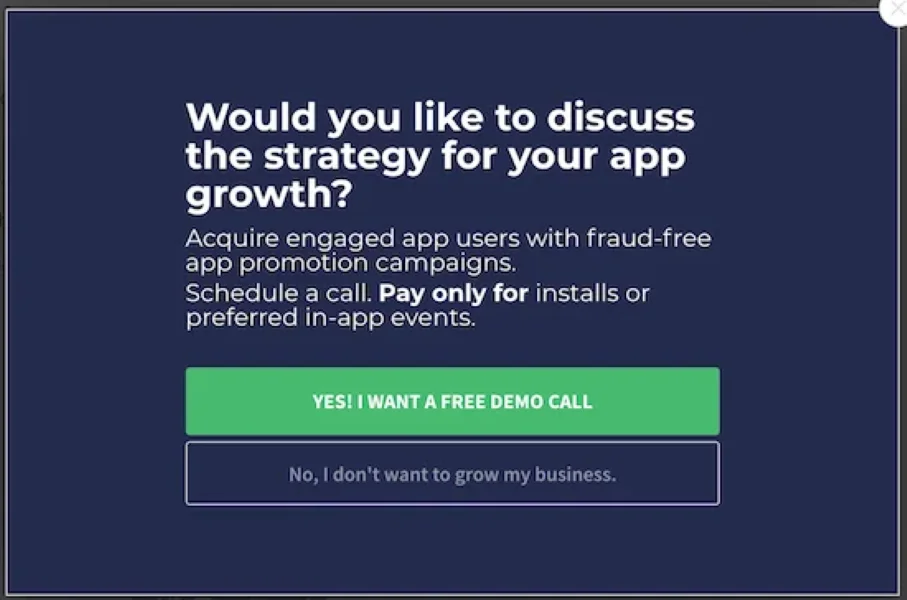
"No, I Don’t Want to Grow My Business"
- Context: This secondary CTA, presented as a negative option, highlights the potential consequence of inaction.
- Analysis: By framing the alternative to booking a demo as stagnation, this CTA cleverly employs a form of reverse psychology. It underscores the value of the primary offer by implicitly contrasting it with undesirable outcomes, thereby encouraging users to reconsider their hesitation.
Engagement and Community CTAs: Fostering Connection
CTAs can extend beyond direct sales to encourage participation in communities and social platforms.
-
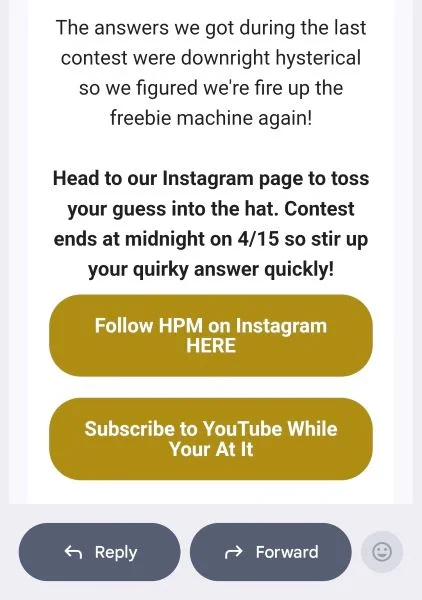
"Follow HPM on Instagram Here"
- Context: Human Powered Movement uses this direct CTA to drive engagement on Instagram, particularly for giveaway entries.
- Analysis: The CTA is clear and action-oriented, guiding users to the desired platform. For giveaways, a direct instruction to follow is a logical prerequisite. The inclusion of a secondary CTA with more personality for other actions suggests a strategy of making engagement fun and varied.
-
"Stay Informed. Stay Competitive."
- Context: Fujitsu integrates this thematic CTA into its advertising to align with its brand narrative.
- Analysis: This CTA functions as a value proposition, promising readers that by engaging with Fujitsu’s content, they will gain knowledge and maintain a competitive edge. The language is aspirational and directly addresses the perceived benefits of staying connected with the brand.
Content and Education CTAs: Driving Knowledge Acquisition
Effective CTAs can encourage the consumption of valuable content, from guides to blog posts.
-
"Get the Guide"
- Context: Impactdotcom utilizes a dual CTA strategy to maximize guide downloads.
- Analysis: The presence of two CTAs, one more prominent than the other, increases visibility and provides options. The second, more explicit CTA with higher contrast ensures that users who might overlook the initial prompt are still guided toward the download. This is a practical tactic for platforms with limited CTA options.
-
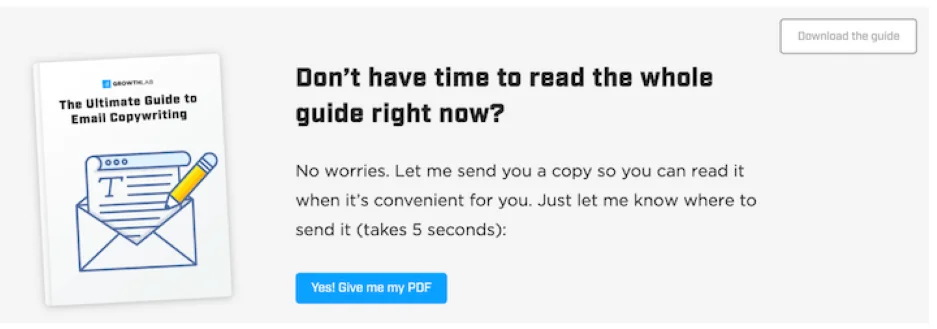
"Yes! Give Me My PDF"
- Context: This CTA for gated content injects enthusiasm and a personal touch.
- Analysis: The initial "Yes!" creates an energetic opening, while the "Give me my PDF" phrasing employs a first-person perspective. This personalization fosters a sense of ownership and responsibility, encouraging users to claim what is rightfully theirs. Swapping "our" for "your" in CTAs can demonstrably improve conversion rates.
-
"Yes! Teach Me Your Secrets"
- Context: This CTA combines multiple persuasive elements for an educational offering.
- Analysis: The CTA is energetic, personal, action-oriented, and hints at exclusive knowledge ("secrets"). The addition of a secondary "anti-CTA" (implying what happens if you don’t click) further enhances its effectiveness. This is a prime example of a highly engaging CTA.
-
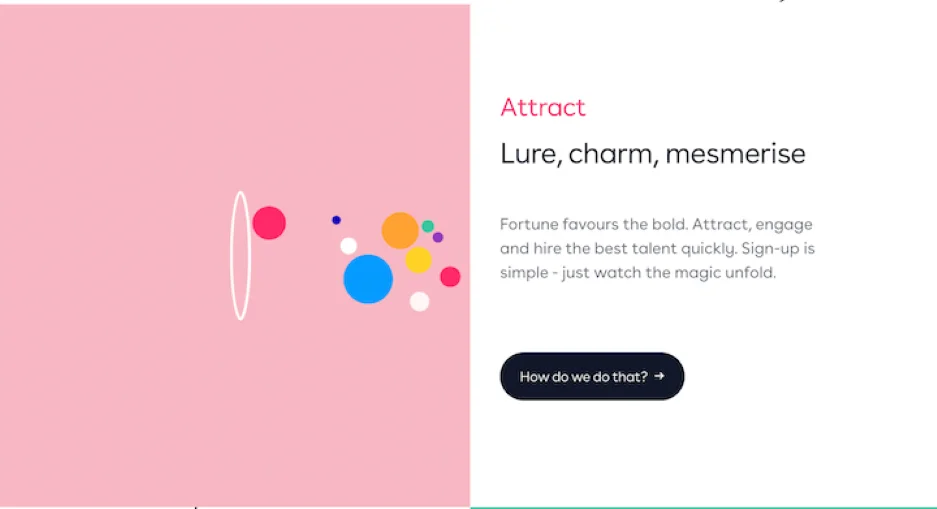
"How Do We Do That?"
- Context: This CTA uses a question to pique curiosity, encouraging users to seek answers.
- Analysis: Curiosity is a powerful motivator. Posing a question on the CTA button prompts users to seek the solution on the other side. This technique is highly versatile and can be applied to various industries, such as cleaning services where a visual contrast between dirty and clean surfaces could be paired with such a question. The curiosity gap is a proven formula for effective copywriting.
-
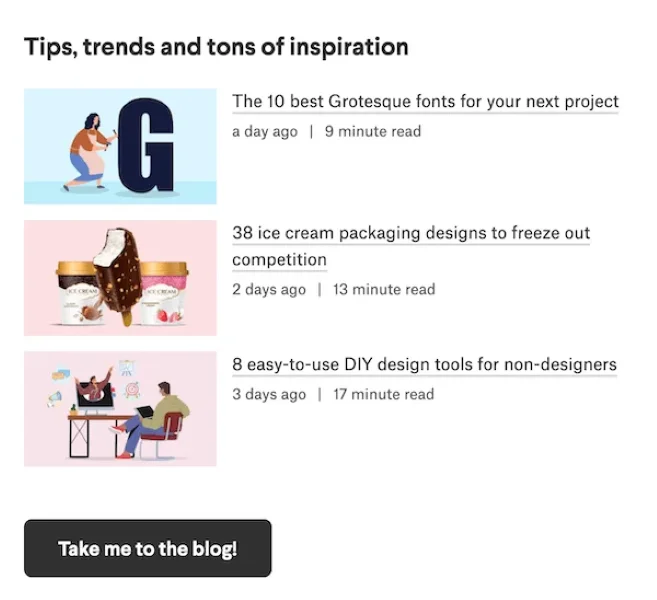
"Take Me to the Blog!"
- Context: This CTA on a homepage encourages users to explore recent blog posts.
- Analysis: Compared to generic phrases like "Visit the Blog," "Take Me to the Blog!" offers a more dynamic and personal invitation. It shifts the focus to the visitor’s desire to explore, making the action feel more like a guided experience.
-
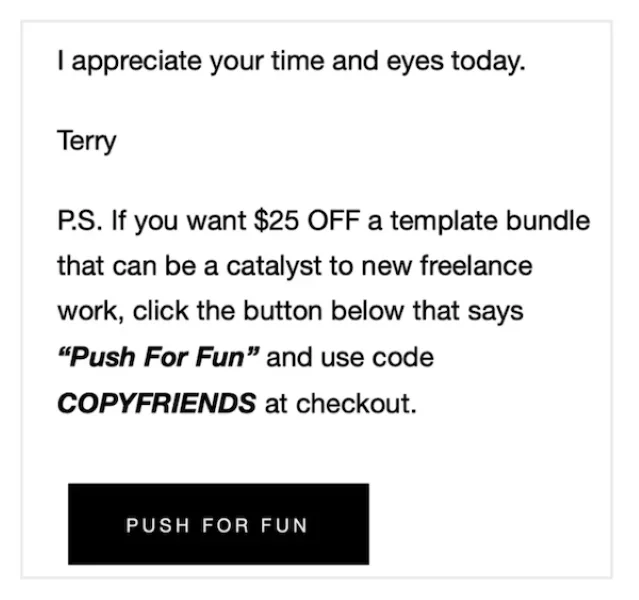
"Push for Fun"
- Context: This whimsical CTA is effective when aligned with the overall tone of the communication.
- Analysis: While seemingly playful, this CTA works because it’s contextualized within a newsletter explicitly designed for enjoyment. The key is ensuring that the CTA’s tone matches the brand’s established personality; a serious brand using a silly CTA could alienate its audience.
-
"Worry Less. Roof Smarter."

- Context: Owens Corning aims to alleviate anxiety associated with home renovations through this CTA.
- Analysis: This CTA directly addresses a core pain point – the stress of reroofing. By promising to reduce worry and promote smarter decision-making, it positions the educational content as a solution to a significant problem, thereby motivating users to click for information.
Referrals and Word-of-Mouth: Leveraging Trust and Influence
Referral programs are highly effective lead generation strategies, as referred customers often exhibit higher trust and engagement.
-
"Earn Up to $5,000"

- Context: A dental group uses this CTA to attract new professional providers, rather than patients.
- Analysis: The CTA clearly highlights a substantial financial incentive, directly aligning the reward with the effort required for referral. This demonstrates a smart approach to talent acquisition by emphasizing the tangible benefits of participation.
-
"Refer a Friend"
- Context: This straightforward CTA is supported by compelling offers in a referral program.
- Analysis: Sometimes, simplicity is best. When the headline and surrounding copy clearly articulate the value proposition, a direct CTA like "Refer a Friend" can be highly effective. Its placement near the headline ensures immediate visibility.
-
"Start Earning"
- Context: Jackson Hewitt’s referral CTA promises immediate financial gain.
- Analysis: This CTA is action-oriented and implies instant rewards. The simplicity of the initial request (zip code) minimizes friction, making it easier for users to initiate the referral process and begin earning commissions.
Subscription and Lead Generation CTAs: Building Audiences
These CTAs are designed to capture leads and build subscriber lists by creating curiosity and addressing potential customer desires.
-
"Yes! It Takes a Village"

- Context: Mable + Moxie employs a well-known axiom to connect with a specific audience, likely parents.
- Analysis: Using relatable truisms can establish an immediate connection. The phrase "it takes a village" resonates particularly with parents, implying shared understanding and the need for support, which sets the stage for an offer of parenting advice. This strategy requires careful consideration to avoid confusion, but when executed correctly, it can be highly effective.
-
"Convince People You Know What a DSP Is"
- Context: Digiday’s newsletter CTA directly addresses a pain point for professionals in the digital advertising space.
- Analysis: The true CTA lies in the header, which speaks directly to the audience’s need to sound knowledgeable about complex topics like Demand-Side Platforms (DSPs). This CTA effectively qualifies the audience and solves a specific problem, making the newsletter subscription highly desirable for those who need to understand such terminology.
-
"Get Free Access to Everything"
- Context: Sleeknote uses this bold CTA to encourage email list sign-ups.
- Analysis: The promise of "free access to everything" is a powerful incentive, creating a strong sense of value and FOMO. This grand gesture, combined with a compelling headline, makes the offer irresistible for potential subscribers.
-
"Yes, I’m the Best Pet Parent"
- Context: This CTA appeals to the emotional connection pet owners have with their animals.
- Analysis: This example expertly uses psychological principles, particularly the commitment and consistency bias. By framing the action as aligning with one’s self-identity as a loving pet owner, it leverages emotional investment to drive engagement with a pet-related newsletter.
-
"Calculate Payment"
- Context: This action-oriented CTA is used with free tools as lead magnets.
- Analysis: Instead of a generic "Use the Calculator," "Calculate Payment" focuses on the desired outcome. This highlights the benefit the user will receive, making the CTA more compelling and directly related to the user’s goal.
Expert Insights for Crafting High-Impact CTAs
Beyond exemplary examples, seasoned marketers offer strategic guidance for developing CTAs that drive conversions.
Anchor Your CTAs to Outcomes
Cliff Sizemore, Senior Growth Marketing Manager at LocaliQ, emphasizes anchoring CTAs to clear, tangible outcomes. Instead of generic phrases like "Click Here," CTAs should articulate the benefit the user will receive. For instance, a CTA for a Google Ads Grader tool would be more effective as "Start improving your ad performance" rather than simply "Use the free tool." This approach shifts the focus from the action itself to the positive result it will yield. Marketers should identify what their customers will achieve and craft CTAs that reflect these desired outcomes, such as "reduce foot pain" or "make mowing easier."
Utilize Value Words
Sizemore also advocates for the strategic use of "value words" within CTAs. These words imbue the offer with perceived worth and urgency. Data from top-performing Google Ads shows a significant prevalence of such words, with "free" and "quality" being particularly common. Instead of a plain "Subscribe," a CTA like "Get top advice" can be more persuasive by highlighting the inherent value of the content.
Align Your CTA with the Offer
The strength and specificity of a CTA must correspond to the intent of the landing page and the user’s stage in the buyer’s journey. A cold audience, typically encountered on an awareness-stage blog post, requires a low-commitment CTA, such as "Download the Free Guide" or "Get the Checklist." Conversely, a user on a pricing or comparison page is further down the funnel and is more receptive to direct CTAs like "Get a Quote" or "Start Your Free Trial." Misaligning the CTA can lead to user confusion and lost conversions.

Add Microcopy to Remove Doubt
Hesitation is a common barrier to conversion. Oskar Duberg, a freelance writer and brand consultant, suggests using microcopy – short explanatory phrases – around the CTA to alleviate anxiety. These clarifications can address concerns related to time commitment, risk, privacy, and what happens next. Examples include "No credit card required," "Cancel anytime," or "We’ll never share your email." Such assurances can significantly reduce friction and increase the likelihood of a user completing the desired action.
Call to Action Example FAQs
To further clarify the role and application of CTAs, several fundamental questions are frequently addressed:

What is a Call to Action?
A call to action (CTA) is a directive, typically a word, phrase, or button, that prompts an audience to take a specific next step. Examples include "Buy Now," "Download the Guide," or "Get a Free Quote."
Why are CTAs Important?
CTAs are crucial for increasing conversion rates by providing clear instructions and compelling reasons for visitors to engage with a business. They guide users through the marketing funnel towards a desired outcome.

Where Can You Use a CTA?
CTAs are versatile and can be integrated into almost any communication channel. This includes advertisements, emails, landing pages, social media posts, blog articles, videos, direct mail campaigns, and even product packaging.
Conclusion: The Power of a Well-Placed Word
If your digital marketing efforts are not yielding the desired conversion rates, the culprit may not be your product or offer, but rather your Call to Action. A poorly conceived CTA can fail to capture attention, clearly articulate value, or address user pain points, ultimately hindering your ability to convert. Conversely, a strategically crafted CTA, informed by data, psychological principles, and expert insights, can be the catalyst for significant growth. By understanding the nuances of different CTA types and applying the principles of outcome-oriented language, value proposition, and doubt removal, marketers can transform passive browsers into active participants, driving increased leads, sales, and overall business success. The consistent testing and refinement of these critical phrases remain paramount in the ongoing pursuit of peak conversion performance.