rifanmuazin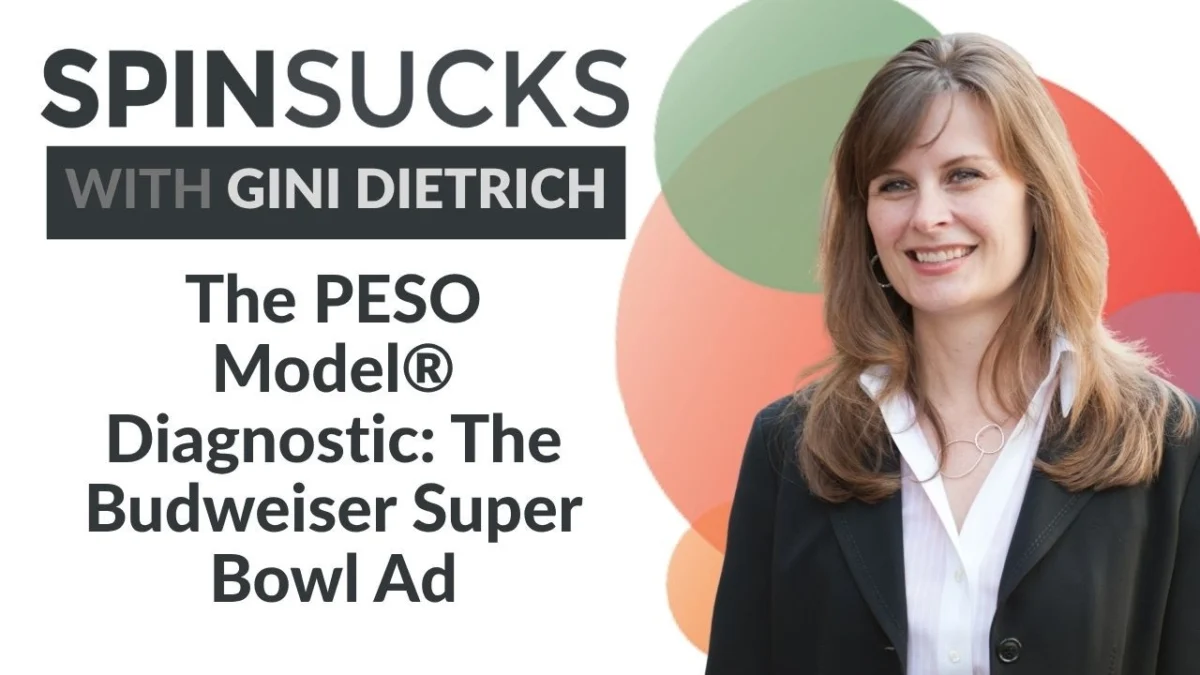
The conclusion of Super Bowl LX has solidified Budweiser’s position as a dominant force in sports marketing, with the brand securing its tenth USA Today Ad Meter championship. The winning commercial, titled "American Icons," served as the centerpiece for the brand’s expansive "Made of America" program, a dual celebration of Budweiser’s 150th anniversary and the United States’ 250th birthday. While the creative execution garnered universal acclaim for its emotional resonance and high production value, a diagnostic analysis of the campaign reveals a significant distinction between a highly coordinated marketing effort and a fully integrated communications system.
As the most expensive advertising event on the global calendar, the Super Bowl remains the ultimate testing ground for brand strategy. In 2026, with 60-second spots reportedly exceeding the $14 million mark, the stakes for return on investment have never been higher. Budweiser’s "American Icons" successfully leveraged nostalgia and national heritage, yet marketing experts suggest that the campaign illustrates the "integration gap" where even the most sophisticated brands often lose the compounding value of their creative investments.
The Anatomy of a Winning Campaign: American Icons
Directed by Oscar-nominated filmmaker Henry-Alex Rubin, "American Icons" utilized a masterclass in visual storytelling. The 60-second spot features a Clydesdale foal and a young bald eagle, two symbols synonymous with both the brand and the nation. Set to the anthemic "Free Bird" by Lynyrd Skynyrd, the advertisement captured what many viewers described as a "golden-hour" aesthetic, culminating in a poignant closing shot that emphasized longevity and resilience.
The advertisement was not a standalone effort but the anchor of the "Made of America" umbrella narrative. This program included several high-visibility activations:
- The Heritage Can Series: A release of collectible packaging featuring historical labels from the brand’s 150-year history.
- The 150 Club: A tiered loyalty program designed to offer exclusive experiences to the brand’s most dedicated consumers.
- Major League Baseball Extension: An announcement of a long-term partnership renewal with MLB, extending the brand’s "Official Beer" status through 2032.
- Legacy Player Content: A series of short-form digital assets featuring retired sports legends discussing their own "American stories."
From a coordination standpoint, Budweiser outperformed its peers. The timing of the product releases, the sponsorship announcements, and the creative reveal were synchronized to maintain momentum from the pre-game hype through the post-game analysis. However, the application of the PESO Model®—a strategic framework that integrates Paid, Earned, Shared, and Owned media—suggests that the campaign functioned more as a series of silos than a unified ecosystem.
Chronology of the Made of America Initiative
The "Made of America" campaign followed a multi-phase rollout designed to build anticipation for the 2026 Super Bowl. The timeline of the activation provides insight into how the brand attempted to bridge the gap between a single televised moment and a year-long anniversary celebration.
Phase I: The Foundation (Q4 2025)
Budweiser began laying the groundwork by teasing the return of the Clydesdales in a series of "heritage" posts on social media. During this period, the brand secured its extension with Major League Baseball, ensuring that the "Made of America" narrative would have a consistent platform during the summer months following the Super Bowl.
Phase II: The Launch (January 2026)
The 150 Club was officially opened to the public, offering "Founding Member" status to early adopters. This was accompanied by the initial shipment of Heritage Cans to major retailers across the United States. This phase was designed to ensure product availability coincided with the increased brand visibility.
Phase III: The Super Bowl Moment (February 2026)
The "American Icons" spot aired during the second quarter of Super Bowl LX. Within hours, it had claimed the top spot on the USA Today Ad Meter, a feat Budweiser has achieved more than any other advertiser in the history of the rankings.
Phase IV: Sustained Momentum (Post-February 2026)
Following the game, the brand transitioned its focus to the upcoming MLB season. The "Made of America" narrative shifted from the historical focus of the Super Bowl ad to a more active, experience-based program centered on stadium activations and fan engagement.
Analysis of the PESO Model Integration Gap
Despite the tactical success of the campaign, an analysis through the lens of the PESO Model® Diagnostic reveals areas where the brand could have achieved greater synergy. The PESO Model, developed by Gini Dietrich, is designed to move communications from disparate tactics to a central nervous system of proof.
Owned Media: Documentation vs. Storytelling
In a fully integrated system, Owned Media acts as the "source of truth." While Budweiser maintained a newsroom to host announcements, critics argue it lacked a deep, durable content hub. A fully integrated version of the campaign might have launched a dedicated "Made of America" digital property a year in advance. Such a hub could have housed oral histories from multi-generational brewing families, archival footage of Clydesdale handlers, and data-driven stories about the American farmers who supply the brand’s barley. Without this durable content, the $14 million advertisement serves as a "flash" with no permanent landing spot for consumers seeking deeper engagement.
Earned Media: Publicity vs. Credibility Transfer
The media coverage surrounding "American Icons" was largely announcement-driven. Journalists reported on the ad’s release, its Ad Meter ranking, and the celebrity cameos. In a PESO-native system, Earned Media seeks "credibility transfer." This would involve pitching long-form features to heritage-focused publications like The Atlantic or Smithsonian Magazine regarding the brand’s role in American cultural history. By focusing on publicity over heritage journalism, the campaign gained reach but missed an opportunity for high-level institutional validation.
Shared Media: Transaction vs. Community
The 150 Club and the collectible cans functioned primarily as merchandising and loyalty tools. While effective at moving product, they did not necessarily create a "User-Generated Content (UGC) loop." An integrated approach would have invited everyday Americans to submit their own "Made of America" stories, folding those voices back into the brand’s owned channels. This would have transformed "Shared Media" from a transaction layer into a distribution engine powered by the audience.
Paid Media: Anchor vs. Precision
Budweiser’s Paid Media strategy focused on "anchor buys"—the Super Bowl and MLB. These are essential for reach and cultural presence. However, the diagnostic suggests a lack of a "precision layer." In a PESO system, Paid Media also works quietly in the background, retargeting hub visitors, sequencing prospects through a content journey, and amplifying earned media hits to specific demographics.
Supporting Data and Market Impact
The financial and cultural impact of Super Bowl advertising continues to grow. According to industry data, Budweiser’s decision to focus on traditional American values reflects a broader trend among legacy brands to seek "safe harbor" in nostalgia during periods of economic or social transition.
- Ad Meter Performance: Budweiser’s tenth win places it significantly ahead of competitors like Pepsi and Doritos, which have historically vied for the top spot.
- Consumer Sentiment: Post-game surveys indicated a 78% positive sentiment for the "American Icons" creative, with viewers citing the use of "Free Bird" as a primary emotional driver.
- Retail Velocity: Preliminary reports from major beverage distributors show a 12% uptick in "Heritage Can" sales in the week following the Super Bowl, suggesting that the coordination between the ad and the product was effective at the point of sale.
However, the lack of a central editorial spine—a single narrative dashboard or team connecting these silos—means that much of the data remains fragmented. Ad Meter scores, impression counts, and club signups are often measured as separate metrics rather than a unified system of proof.
Broader Implications for the Marketing Industry
The Budweiser PESO Diagnostic serves as a case study for the modern marketing landscape. It demonstrates that while a massive budget can buy coordination and cultural "noise," it does not automatically buy integration. For brands with smaller budgets, the lesson is clear: the difference between a campaign and a system is not money, but sequencing, depth, and a central nervous system.
Industry analysts suggest that as AI-driven search and content consumption become the norm, the "Owned Media" component of the PESO model will become the most critical. If a brand does not have a durable, authoritative hub of content, AI systems will have nothing of substance to cite, and the value of a high-priced television spot will dissipate shortly after it airs.
Budweiser’s "Made of America" program is undoubtedly a success by traditional standards. It moved product, won awards, and reinforced the brand’s identity. Yet, it also serves as a reminder that in 2026, a well-made multi-channel program is the floor, not the ceiling. The future of brand building lies in the ability to turn a 60-second moment of creative brilliance into a self-sustaining ecosystem that compounds in value long after the stadium lights have been turned off.