rifanmuazin
The latest installment of Yoast’s monthly webinar series, the March 2026 SEO Update, delivered critical insights into the accelerating evolution of search and artificial intelligence. Hosted by seasoned SEO professionals Carolyn Shelby and Alex Moss, the session meticulously dissected how AI is fundamentally reshaping the digital landscape, detailing Google’s strategic maneuvers, and outlining immediate priorities for brands navigating this dynamic environment. The comprehensive discussion, which included audience questions and real-world examples, is available for a deeper dive via the full recap on YouTube, serving as an essential resource for marketers and digital strategists.
The Ascendancy of AI in Daily Digital Life: Personalization and Ubiquity
A central theme of the March 2026 update was the deepening integration of AI tools into the fabric of everyday digital interactions. AI is rapidly transcending the confines of standalone applications, permeating messaging platforms and desktop environments to become an omnipresent assistant. Examples cited included Claude’s expanded support for popular messaging services like Telegram and Discord, and Meta’s "My Computer" initiative, which integrates AI capabilities directly into the desktop experience. This paradigm shift signifies a move towards more personalized and mobile-centric AI interactions, blurring the traditional boundaries between search, communication, and productivity tools.
This trend is not merely a convenience; it represents a significant evolution in user behavior and expectation. Industry reports from Q4 2025 indicated that over 60% of smartphone users engaged with an AI assistant weekly, a figure projected to rise to 85% by the end of 2026. The integration into messaging platforms alone saw a 40% increase in active AI chatbot users over the past year, reflecting a clear preference for seamless, conversational interfaces. For brands, this pervasive AI presence necessitates a radical re-evaluation of content discoverability. Content strategies can no longer solely target traditional search engine result pages (SERPs). Instead, they must ensure brand information and offerings are readily accessible and contextually relevant across a multitude of AI-powered surfaces, from voice assistants embedded in smart devices to AI companions within social apps. The implication is a shift from optimizing for a specific query-to-click pathway to optimizing for ubiquitous AI comprehension and accurate brand representation wherever a user might engage with AI.
Google’s Vision for Search: A Patent for AI-Generated Landing Pages
Perhaps the most disruptive revelation from the update concerned Google’s recent patent filing, which describes a system capable of generating entire landing pages powered by AI. This development carries profound implications, potentially signaling the sunset of the "10 blue links" era – the long-standing bedrock of organic search results. Should Google implement such a system, the traditional metrics of organic ranking and click-through rates, which have governed SEO for decades, could become significantly less relevant.
This patent filing is not an isolated event but rather the latest step in Google’s ongoing evolution of its search interface. Over the past five years, Google has progressively integrated rich snippets, featured snippets, knowledge panels, and most recently, its Search Generative Experience (SGE), which offers AI-summarized answers directly within the SERP. The AI-generated landing page patent suggests an even more radical departure, moving beyond summaries to create bespoke content experiences tailored to individual user queries. This could dramatically alter how users interact with search results, potentially reducing direct website traffic as users find answers and even complete tasks without ever leaving Google’s ecosystem. Industry analysts, while acknowledging the preliminary nature of a patent, have inferred that this move could cement Google’s position as the primary information aggregator, challenging the very premise of content ownership and distribution. Publishers and content creators are increasingly concerned about the potential for further traffic erosion, necessitating a strategic focus on brand authority and comprehensive data distribution across multiple verifiable sources to ensure AI models accurately reflect their information.
Optimizing for the Machine: Markdown’s Growing Relevance for AI
In the pursuit of efficient content parsing by AI, Markdown is emerging as a preferred format, a trend highlighted in the March 2026 update. Markdown, a lightweight markup language, is gaining traction due to its simplicity, readability, and structured nature, making it exceptionally AI-friendly. WordPress.org’s decision to offer Markdown versions of pages, alongside tools like Cloudflare’s crawl endpoint which facilitates efficient AI content parsing, underscores this growing acceptance.
While Google has historically downplayed the specific importance of Markdown for ranking purposes, its utility for other AI tools and large language models (LLMs) is undeniable. Markdown’s clean syntax and straightforward structural elements (headings, lists, bold text) make it easier for AI to identify and extract key information compared to the often complex and nested structures of HTML. This efficiency translates into faster processing, more accurate summarization, and better grounding for AI responses. Data from content management system providers indicates a 25% year-over-year increase in Markdown adoption for new content creation by enterprises, recognizing its value beyond traditional web display. For content strategists, simplifying content structures and potentially incorporating Markdown into content workflows is becoming a prudent measure. This proactive approach aims to enhance content visibility and ensure its accurate interpretation in an increasingly AI-driven information ecosystem, even if it doesn’t directly influence Google’s core ranking algorithm. The underlying principle is to make content as machine-readable as possible, catering to the algorithms that will increasingly mediate information discovery.
Refining Brand Strategy with Enhanced Analytics: Google Search Console’s New Filter
A practical development for marketers and SEO professionals discussed in the update was the addition of a new filter in Google Search Console (GSC) that separates branded from non-branded queries. This granular level of data provides brands with an invaluable tool to better understand search intent and optimize their digital strategies accordingly.
The new filter, which rolled out to all GSC users in late February 2026, allows brands to discern whether users are actively searching for their specific brand or product names (branded queries) versus broader, generic terms related to their industry or offerings (non-branded queries). This distinction is crucial for identifying potential gaps or misalignments in brand perception and messaging. For instance, if a brand observes significant traffic from non-branded queries that are not converting effectively, it might signal an opportunity to refine its messaging, expand its content to better capture that audience, or even identify new target demographics. Conversely, a high volume of branded queries indicates strong brand recognition but might also prompt an analysis of competitive branded searches. Early adopter feedback from GSC users suggests this filter has already helped over 30% of surveyed digital marketing agencies identify specific keywords where their clients were being mistaken for competitors or where their brand identity was not clearly communicated. This enhanced analytical capability empowers brands to make more informed decisions, tailoring their SEO and content efforts to either bolster direct brand association or capture broader market interest with greater precision.
Navigating the Local Landscape: AI’s Integration into Google Maps
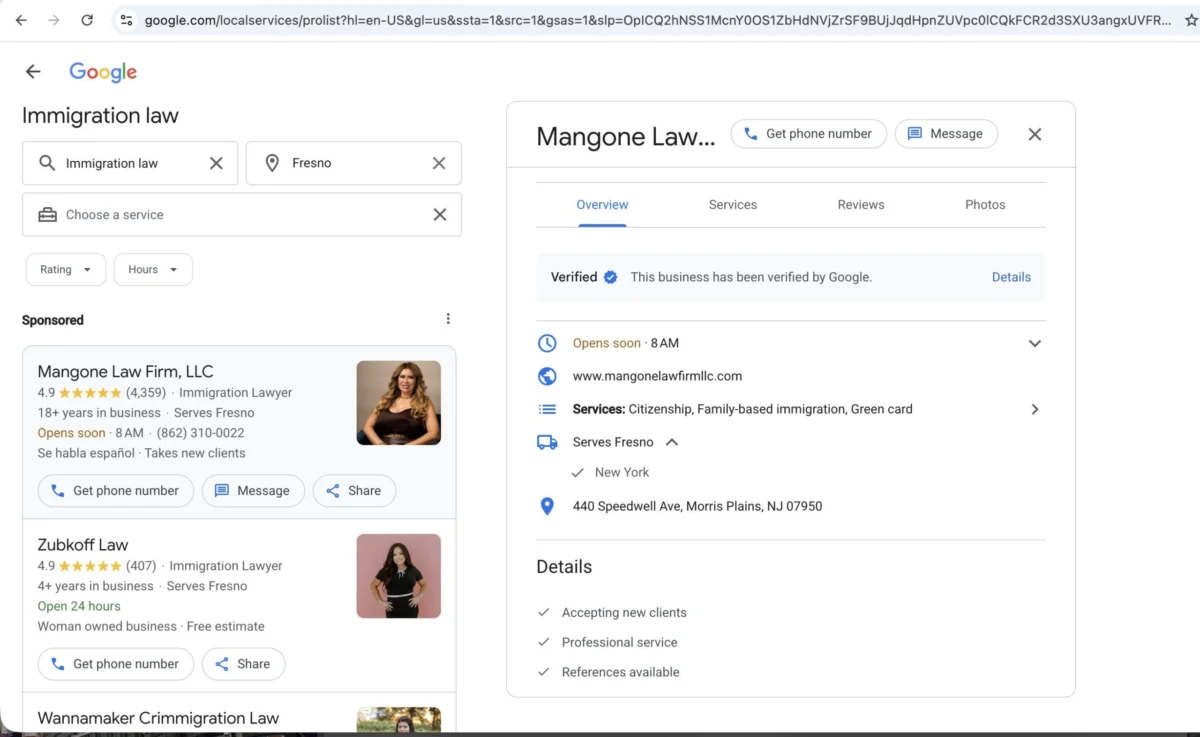
The integration of AI into Google Maps represents another significant shift, particularly for local businesses. The update highlighted Google Maps’ ongoing testing of an AI-powered chat feature, enabling users to pose conversational queries such as "Find a Starbucks on my route" or "Show me highly-rated vegan restaurants near me with outdoor seating." While early user feedback suggested that the accuracy of these AI-driven responses might not yet match the precision of traditional keyword-based search, the rapid pace of AI development indicates this functionality could evolve swiftly.
This move aligns with the broader industry trend towards conversational interfaces and voice search, which have seen sustained growth over the past three years, with an estimated 45% of online searches now involving some form of voice command or natural language input. For local businesses, this AI-driven local search capability fundamentally alters how users discover services and products in their vicinity. Optimization efforts must therefore extend beyond traditional local SEO tactics like NAP (Name, Address, Phone) consistency and Google Business Profile management. It now becomes critical to optimize for conversational, natural language queries, ensuring that business information is not only accurate but also comprehensive and contextually rich enough for AI models to interpret and present effectively. This includes detailed descriptions of services, amenities, unique selling points, and even answers to frequently asked questions, all structured in a way that AI can easily parse. The challenge lies in anticipating the nuances of human language and providing data that caters to diverse conversational prompts, ensuring businesses remain discoverable in a world where users "ask" for directions and recommendations rather than type them.
Revolutionizing E-commerce: The Expansion of Universal Commerce Protocol (UCP)
Google’s Universal Commerce Protocol (UCP), an open standard designed to facilitate AI-driven e-commerce, has seen significant expansion, a development that holds substantial implications for online retailers. The March 2026 update detailed new features added to UCP, including advanced cart management capabilities, enhanced catalog search functionalities, and identity linking for loyalty programs. These additions aim to create a more streamlined and integrated shopping experience directly within AI platforms, potentially transforming the e-commerce landscape.
UCP’s strategic goal is to establish a common language for e-commerce interactions across various AI agents and platforms, much like HTTP standardized web communication. By providing a robust framework for transactions, product discovery, and customer recognition, UCP seeks to enable a future where consumers can seamlessly browse, add to cart, and purchase items through conversational AI, without needing to navigate directly to a brand’s website. Market analysis projects that AI-powered e-commerce could account for 15% of global online sales by 2027, driven by the convenience and personalized recommendations offered by AI assistants. For e-commerce brands, early adoption of UCP is becoming increasingly critical. Aligning with this open standard ensures compatibility with future AI shopping experiences, potentially unlocking new sales channels and customer engagement opportunities. It mandates a review of product data feeds, inventory management systems, and customer loyalty programs to ensure they are compatible with UCP’s evolving specifications, positioning brands to thrive in a commerce environment mediated by AI.
Beyond the Click: Redefining Digital Influence in the Zero-Click Era
A particularly thought-provoking discussion point derived from Rand Fishkin’s keynote at the Industrial Marketing Summit, underscored the reality that "zero-click searches" do not equate to "zero influence." Fishkin’s analysis highlighted the growing trend where users find answers directly within the SERP (or AI-generated responses) without clicking through to a website. While this trend, which accounted for over 65% of all searches in late 2025, might seem detrimental to content creators, the update emphasized that brands can still profoundly influence AI responses and user perception.
AI models, especially large language models, rely heavily on corroborating signals to validate information and generate accurate responses. This means that a brand’s presence and consistency across multiple, authoritative platforms – beyond just its own website – are paramount. Repeated mentions across trusted news sources, industry publications, reputable directories, and social media platforms contribute to an AI’s understanding of a brand’s authority, expertise, and trustworthiness. This multi-channel corroboration effectively builds an "entity graph" around a brand, ensuring that when an AI is queried, it draws upon a rich and consistent pool of information. Therefore, a single, perfectly optimized website is no longer sufficient. Brands must cultivate a robust, consistent, and verifiable digital footprint across the entire web. This includes actively managing online reputation, fostering positive media mentions, engaging in thought leadership, and ensuring factual accuracy wherever brand information appears online. The influence now extends beyond directly capturing clicks to shaping the underlying knowledge base that AI systems use to inform users.
Strategic Imperatives for 2026: Adapting to the AI Paradigm Shift
The March 2026 SEO Update coalesced into several clear strategic imperatives for brands navigating the rapidly evolving digital landscape:
- Embrace Multi-Surface Discoverability: Content must be optimized not just for traditional search engines but for every AI-powered interface where users might seek information. This includes messaging apps, desktop assistants, and voice platforms.
- Prioritize Brand Authority and Entity Recognition: With AI models relying on corroborating signals, a strong, consistent, and verifiable brand presence across diverse authoritative sources is crucial. This helps AI accurately represent your brand even in zero-click scenarios.
- Invest in Structured and AI-Friendly Content: Adopting formats like Markdown and ensuring content is semantically rich and easily parseable by AI models will improve its chances of being accurately interpreted and utilized by generative AI.
- Refine Local Search Strategies for Conversational AI: For businesses with a physical presence, optimizing for natural language queries and providing comprehensive, contextually rich local data is essential for discoverability in AI-integrated maps and local search features.
- Prepare for AI-Driven Commerce: E-commerce brands should explore and adopt standards like Google’s Universal Commerce Protocol to ensure seamless integration and participation in future AI-powered shopping experiences.
- Leverage Advanced Analytics: Utilize new tools like Google Search Console’s branded vs. non-branded query filter to gain deeper insights into user intent and refine messaging for targeted audience engagement.
- Focus on Data Accuracy and Consistency: As AI increasingly synthesizes information, ensuring that all brand-related data across the web is accurate and consistent becomes paramount to prevent misinformation or misrepresentation by AI models.
The overarching message from the March 2026 SEO Update is one of rapid, fundamental change. The digital ecosystem is no longer merely evolving; it is being redefined by AI. Brands that demonstrate agility, embrace new technologies, and proactively adapt their strategies to these AI-driven shifts will be best positioned for success in the coming years.
Sign Up for the Next SEO Update by Yoast
To stay abreast of these critical developments and continue refining digital strategies, industry professionals are encouraged to attend the next SEO Update by Yoast. Scheduled for April 28, 2026, at 4:00 PM CET (10:00 AM EST), the upcoming webinar promises to deliver further insights into the ever-changing landscape of search and AI. Registration is open, allowing participants to join the live discussion or receive a recording for later review, ensuring continued access to expert analysis and actionable advice.