
 rifanmuazin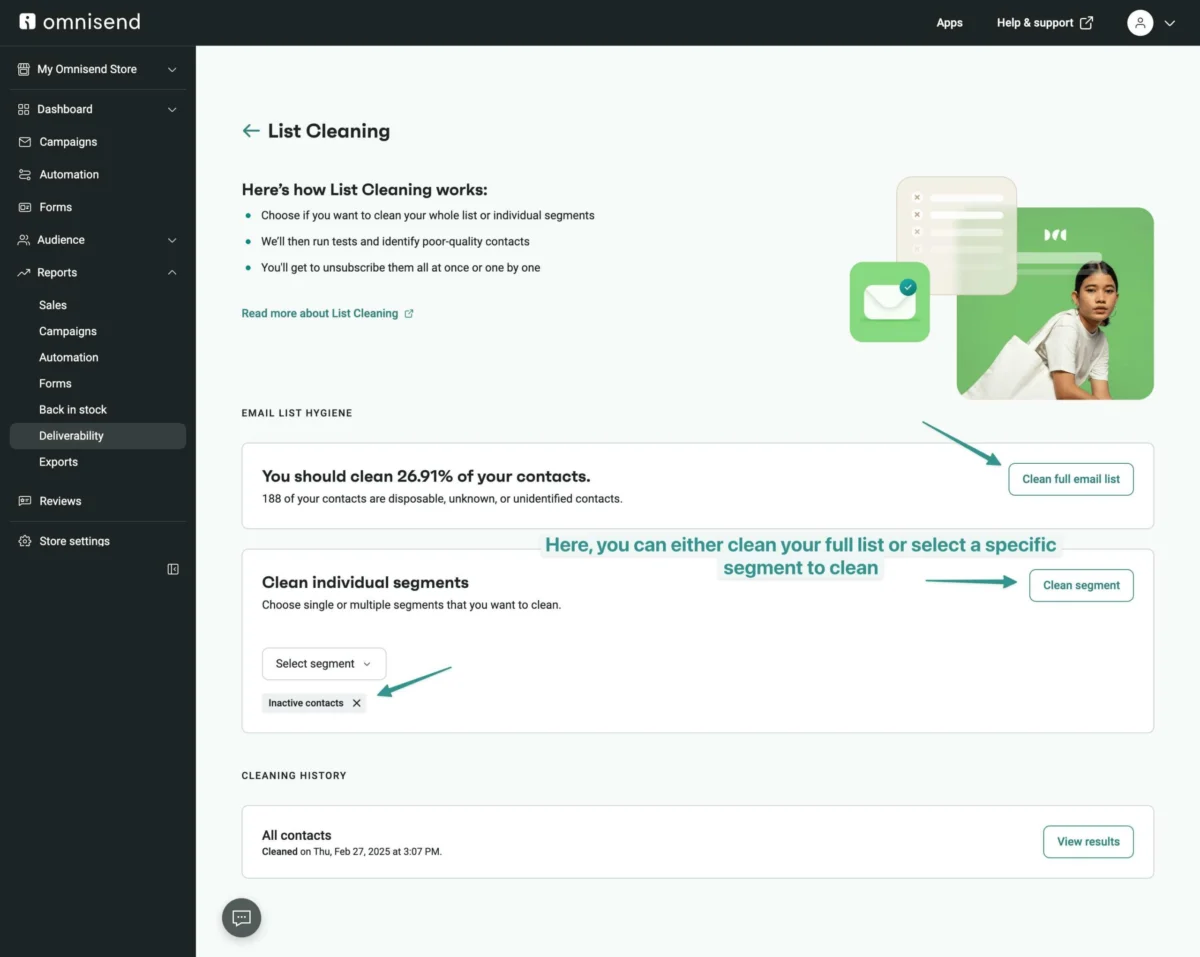
Email marketing, a cornerstone of digital strategy for businesses worldwide, particularly in the competitive e-commerce sector, offers an unparalleled return on investment (ROI) when executed flawlessly. However, its effectiveness is acutely vulnerable to a range of common missteps that can significantly impair campaign performance, depress open rates, stifle revenue growth, and critically damage a sender’s reputation. For e-commerce enterprises, even minor oversights—such as dispatching messages to an ill-suited audience or employing uninspired subject lines—can precipitate a cascade of negative outcomes, from diminished sales and subscriber attrition to an erosion of customer trust and the ignominious fate of emails being relegated to spam folders.
The encouraging news is that the vast majority of these prevalent email marketing errors are entirely preventable. Success hinges on a clear understanding of potential pitfalls and the implementation of strategic safeguards. This article delves into 15 of the most detrimental email marketing mistakes marketers commonly encounter, offering actionable insights and best practices to cultivate stronger engagement, enhance deliverability, and ultimately drive superior conversion rates.
The Critical Role of Email Marketing in Modern Commerce
Email marketing has evolved from a simple communication tool into a sophisticated, highly effective channel for customer acquisition, retention, and loyalty. With an average ROI of $36 for every $1 spent, it consistently outperforms many other digital marketing avenues. Its direct, personal nature allows brands to forge meaningful connections, deliver timely offers, and provide valuable content. In the fast-paced e-commerce landscape, where consumer attention is a prized commodity, email serves as a vital conduit for guiding customers through their purchasing journey, from initial interest to post-purchase engagement. This inherent power, however, comes with a corresponding responsibility to execute campaigns with precision and strategic foresight. Any deviation from best practices risks not only squandering potential but actively harming a brand’s digital presence and bottom line.
The Silent Saboteurs: How Email Marketing Mistakes Undermine Campaigns

Small missteps in an email strategy rarely remain isolated; they tend to compound, systematically eroding key performance indicators, diminishing reach, and silently siphoning revenue. Comprehending the multifaceted nature of this damage is the crucial first step toward mitigation and strategic remediation.
-
Impact on Deliverability and Inbox Placement:
Email service providers (ESPs) and internet service providers (ISPs) meticulously monitor how subscribers interact with incoming messages. When emails are consistently ignored, promptly deleted, or, worse, flagged as spam, the sender’s reputation suffers a significant blow. A diminished sender reputation—a crucial metric influenced by factors such as IP address reputation, domain reputation, and engagement rates—makes it progressively harder for future campaigns to bypass spam filters and reach the intended inbox. Issues like vague subject lines, imprecise targeting, or, most critically, sending emails without explicit subscriber permission, are common triggers for these filters. Over time, email deliverability declines, resulting in messages being shunted into spam folders or blocked entirely. Industry data frequently indicates that a significant percentage of legitimate marketing emails still fail to reach the primary inbox, highlighting the persistent challenge of deliverability.Poor targeting, in particular, carries substantial risk. Modern consumers have come to expect a high degree of personalization. A 2024 Forbes study underscored this, revealing that 81% of consumers exhibit a preference for brands that consistently deliver personalized experiences. When email communications fail to incorporate this contextual understanding, subscribers are far more likely to disengage, leading to a vicious cycle of decreased interaction and further reputational damage. Technical configurations like SPF (Sender Policy Framework), DKIM (DomainKeys Identified Mail), and DMARC (Domain-based Message Authentication, Reporting & Conformance) are also critical for authenticating sender identity and preventing spoofing, playing a direct role in maintaining deliverability.
-
Eroding Engagement and Revenue Potential:
When email campaigns fail to resonate with their intended audience, businesses forfeit invaluable opportunities to stimulate sales and achieve a healthy return on investment. Factors such as ill-timed messages, poorly structured layouts, or irrelevant content can rapidly diminish email engagement, alienating potential customers. Consider the inefficiency of promoting winter sports gear to a subscriber base located in a tropical climate; such an oversight not only wastes marketing resources but also erodes trust and relevance. Similarly, a customer who has abandoned a shopping cart requires a tailored reminder or incentive, not a generic promotional email. Without the precisely targeted message, that potential sale is often irrevocably lost.Beyond immediate sales, consistently low email engagement metrics—such as low open rates, click-through rates, and high unsubscribe rates—signal to email providers that the content being sent is not valuable or desired by recipients. This negative feedback loop makes it increasingly probable that future emails will bypass the primary inbox, directly impacting long-term campaign performance and, critically, customer lifetime value (CLV). Retaining existing customers through relevant and engaging email communication is often significantly more cost-effective than acquiring new ones, making lost engagement a profound threat to sustainable growth.
Dissecting Common Pitfalls: 15 Avoidable Email Marketing Mistakes and Their Strategic Solutions

These pervasive errors consistently weaken campaign efficacy, diminish engagement, and impede conversion rates. Fortunately, each mistake is accompanied by effective, actionable remedies designed to prevent lost opportunities and safeguard revenue.
-
Neglecting Audience Segmentation:
Generic, "one-size-fits-all" emails are a relic of a bygone era. They treat every subscriber identically, irrespective of their unique behaviors, preferences, or position within the buying journey. This approach inevitably leads to subscriber disengagement or, worse, unsubscribes.- Solution: Implement robust email segmentation strategies. Group contacts based on a diverse array of criteria, including demographic data, psychographic profiles, past purchase history, browsing behavior, engagement levels, and geographic location. This allows for the creation of highly tailored messaging. For instance, Enflow Digital demonstrated the power of dynamic segmentation by boosting a stagnant e-commerce client’s monthly revenue from $150k to $250k within months, underscoring its rapid, measurable ROI.
-
Crafting Ineffective Subject Lines:
Vague, unclear, or misleading subject lines are among the costliest email marketing mistakes, as they are the primary gatekeepers to open rates. A deceptive subject line, such as "You’ve been selected!" that leads to a generic promotional email, frustrates recipients and systematically erodes trust.- Solution: Prioritize clarity, honesty, and a sense of compelling value or urgency. A subject line like "20% Off Ends Tonight – Your Cart Awaits!" consistently outperforms generic phrases such as "A Special Offer Just For You." Avoid sensationalist clickbait and instead focus on clearly communicating the email’s value proposition. Consistent A/B testing of subject lines is essential for identifying what resonates best with your specific audience and preventing emails from being overlooked.
-
Overlooking Mobile Responsiveness:
The majority of email subscribers now access their inboxes via mobile devices. If an email’s design is not optimized for mobile viewing, text can appear cramped, images may break, or layouts can become misaligned. These design flaws create a frustrating user experience, often leading to immediate deletions.- Solution: Always preview and rigorously test campaigns across various mobile devices and email clients. Employ single-column layouts, utilize larger, readable fonts, and ensure calls-to-action (CTAs) are sufficiently large and easy to tap. Mobile optimization is not merely an aesthetic choice; it is fundamental to ensuring message legibility and driving higher conversion rates across all devices.
-
Imbalanced Email Frequency:
Striking the optimal email frequency is a delicate balancing act. Sending too many emails can overwhelm subscribers, leading to increased unsubscribe rates and spam complaints. Conversely, sending too few risks losing momentum, diminishing brand recall, and missing out on sales opportunities. Both extremes are common pitfalls in e-commerce email marketing.- Solution: Establish a consistent sending schedule that aligns with subscriber expectations and brand rhythm. Conduct regular testing and leverage segmentation to identify the "sweet spot" for different segments of your list. Employ email automation to dispatch messages at optimal times based on user behavior. Where feasible, offer subscribers the option to select their preferred communication frequency.
-
Superficial Personalization:
Modern audiences are highly discerning and unreceptive to emails that fail to acknowledge their individuality. When content feels generic or irrelevant, recipients are prone to ignore it, unsubscribe, or even mark it as spam.
- Solution: True personalization extends far beyond merely inserting a first name. It entails dynamically tailoring offers, product recommendations, and content based on individual browsing behavior, past purchase history, stated preferences, and current stage in the buying journey. Data from MoEngage indicates that customers receiving personalized emails are 3.1 times more likely to convert compared to those receiving generic communications, highlighting the profound impact of deep personalization.
-
Subpar Email Design and Layout:
Even the most compelling message can fail if its visual presentation hinders readability and engagement. Common design errors include cluttered layouts, minuscule fonts, inconsistent branding, and broken image links.- Solution: Adopt clean, professional design principles. Use clear headings, concise paragraphs, ample white space, and a consistent brand aesthetic to guide the reader’s eye. Position the most critical message and CTA prominently at the top of the email. A well-structured, visually appealing layout enhances credibility and professionalism, which are critical drivers of conversions and brand loyalty.
-
Ambiguous Calls-to-Action (CTAs):
Every marketing email should guide the recipient toward a specific, measurable action—be it making a purchase, signing up for an event, or learning more about a product. An email with too many CTAs, or none at all, leaves readers confused and unsure of the next step, resulting in missed opportunities and diminished conversion rates.- Solution: Ensure your CTA is prominently displayed, utilizes action-oriented language, and is visually distinct. Simple, direct phrases like "Shop Now," "Claim Your Discount," or "Explore the Collection" are highly effective. Focus on a single primary CTA per email to maximize clarity and impact.
-
Bypassing A/B Testing:
Operating without A/B testing is tantamount to marketing blindfolded. Neglecting this crucial practice means foregoing opportunities to systematically refine and improve subject lines, content, CTAs, email layouts, and send times.- Solution: Embrace A/B testing as an integral part of your email strategy. Test different campaign elements—such as two variations of a subject line, different CTA button colors, or distinct image placements—one variable at a time to accurately isolate what drives superior results. Small, data-driven optimizations can lead to significant gains in overall campaign performance. Kerrits, for example, observed a 50% increase in revenue per email within four months of adopting regular A/B testing after switching to Omnisend.
-
Non-Consensual or Weak Opt-ins:
Sending emails to individuals who have not explicitly granted permission is one of the most egregious and counterproductive email marketing mistakes. This unethical and strategically unsound practice inevitably leads to high spam complaint rates, elevated unsubscribes, and severe damage to sender reputation. Furthermore, it can result in legal repercussions under compliance regulations such as GDPR (General Data Protection Regulation) and CAN-SPAM (Controlling the Assault of Non-Solicited Pornography And Marketing Act), which mandate clear consent and a visible unsubscribe mechanism. Even weak opt-ins, like pre-checked boxes or ambiguous sign-up language, attract low-quality contacts who quickly disengage.- Solution: Build your email list organically from scratch using transparent, value-driven sign-up forms that clearly articulate what subscribers can expect. Prioritize quality over quantity; a smaller list of genuinely interested, engaged subscribers is far more valuable than a vast list of individuals who reluctantly or unknowingly opted in. Double opt-in processes, requiring subscribers to confirm their subscription via email, are highly recommended for ensuring consent and reducing spam complaints.
-
Failing to Maintain a Clean Email List:
A bloated email list teeming with inactive, disengaged, or invalid contacts is a ticking time bomb for deliverability. High bounce rates (emails that fail to deliver) and consistently low engagement metrics signal to inbox providers that your messages are not desired, thereby negatively impacting your sender reputation.- Solution: Regularly clean your email list by identifying and removing bounced or unresponsive contacts. This practice maintains healthy metrics, ensures your messages reach actual, engaged recipients, and ultimately improves sender reputation, which enhances the performance of future campaigns. CLVMaxers successfully reduced a client’s list by 77% by cutting 10,000 unengaged contacts, resulting in open rates surging from 20% to 45-47% on key segments.
-
Ill-Timed Campaign Deployment:
Timing is a critical determinant of success in email campaigns, directly influencing open rates, click-through rates, and conversions. Dispatching a flash sale email at 3 AM, for example, is likely to be buried under a deluge of other emails by morning, rendering it ineffective.
- Solution: Analyze your audience’s behavior patterns, including their typical online hours, peak engagement times, and geographic time zones, to identify optimal send times. Different audience demographics (e.g., B2C fashion brands targeting Gen Z versus B2B companies targeting executives) will have distinct peak engagement windows. Leverage email platforms with advanced send-time optimization features to automate this process and eliminate guesswork.
-
Disregarding Performance Analytics:
Without consistent tracking and analysis of campaign performance, marketers are essentially operating in the dark. Analytics provide invaluable insights into what strategies are succeeding and which are faltering, enabling data-driven decisions that enhance engagement and ROI.- Solution: Diligently monitor key metrics such as open rates, click-through rates, conversion rates, and unsubscribe trends. Analyze these data points to identify patterns and refine future campaigns. For instance, persistently low click-through rates might indicate a need for a stronger CTA, more compelling content, or better audience targeting. Ignoring these critical insights means squandering opportunities to continuously optimize your strategy and better serve your audience.
-
Underutilizing Marketing Automation:
Manual email management is not only time-consuming but also severely limits scalability and the ability to capitalize on high-value, time-sensitive moments. Critical interactions such as abandoned carts, browsing activity, welcome sequences for new subscribers, and post-purchase follow-ups often occur outside standard business hours.- Solution: Implement robust email automation workflows. These systems automatically dispatch personalized messages at precisely the right moment based on predefined customer actions or triggers. Automated welcome emails, abandoned cart reminders, browse abandonment flows, and re-engagement campaigns significantly improve efficiency, maintain consistent communication, and demonstrably drive revenue. Luxury baby brand Bowy Made, for example, achieves an average 52% open rate on automated emails, with these flows generating over 70% of their total revenue, making automation their most potent growth engine.
-
Disconnecting Emails from the Customer Journey:
Effective email communication must reflect where a subscriber is in their relationship with your brand. The messaging suitable for a customer in the initial discovery phase will rarely resonate with a loyal, returning customer.- Solution: Meticulously map your email content to each stage of the customer lifecycle—awareness, consideration, purchase, loyalty, and advocacy. A new subscriber requires introductory content to build trust and brand understanding, while a returning customer needs incentives or loyalty rewards to encourage repeat purchases. Aligning messaging with the customer journey ensures that each email feels timely, purposeful, and genuinely relevant, fostering deeper engagement and lasting loyalty.
-
Ignoring Omnichannel Integration, particularly SMS:
In an era of ubiquitous mobile communication, overlooking SMS marketing as a complementary channel to email is a significant oversight. Many consumers check text messages far more frequently and immediately than their email inboxes.- Solution: Integrate email and SMS marketing to create a powerful, compounding omnichannel messaging strategy. For instance, an initial email announcing a sale can be followed by a strategic SMS reminder hours later for urgent promotions or time-sensitive offers. Platforms like Omnisend facilitate seamless integration, allowing marketers to manage both channels from a single, unified workflow, maximizing reach and impact.
Building Resilience: Best Practices for Robust Email Marketing
Avoiding email marketing mistakes is fundamentally about cultivating intelligent habits and deploying the right technological tools. This framework outlines the core tenets of a resilient email marketing strategy:

- Prioritize Data Integrity and Segmentation: Maintain a clean, verified email list. Segment your audience meticulously based on behavioral, demographic, and transactional data to ensure every message is relevant and personalized.
- Embrace Continuous Optimization: Adopt a culture of continuous improvement through systematic A/B testing of all campaign elements—subject lines, content, CTAs, and timing. Regularly analyze performance metrics to inform and refine your strategy.
- Champion Personalization and Relevance: Move beyond basic personalization to deliver dynamic content and product recommendations tailored to individual subscriber preferences and past interactions.
- Leverage Automation Strategically: Implement comprehensive automation flows for critical customer journey touchpoints, including welcome series, abandoned cart reminders, post-purchase sequences, and re-engagement campaigns.
- Integrate Channels for a Unified Experience: Combine email with other powerful channels like SMS to create a cohesive, omnichannel communication strategy that reaches customers where they are most receptive.
- Adhere to Compliance and Best Practices: Always obtain explicit consent (ideally double opt-in) for subscriptions and provide clear unsubscribe options. Understand and comply with data privacy regulations like GDPR and CAN-SPAM.
The Path Forward: Sustaining Email Marketing Excellence
The common pitfalls in email marketing, while pervasive, are entirely surmountable. The key lies in adopting a proactive, data-driven approach supported by robust tools and consistent best practices. Platforms like Omnisend offer comprehensive solutions, providing intelligent segmentation capabilities, powerful automation features, integrated A/B testing, and seamless email and SMS workflows, all within a unified ecosystem. By systematically addressing these common mistakes, businesses can significantly enhance open rates, recover lost sales opportunities, and substantially improve overall conversion rates and ROI. The era of generic, untargeted email is over; the future belongs to precision, relevance, and a steadfast commitment to customer-centric communication.









