rifanmuazin
The fundamental principle of digital conversion is as uncompromising as it is simple: a polished, professional landing page serves as the primary engine for improving conversion rates, while a disorganized or cluttered interface serves as a significant deterrent to consumer action. As the global digital advertising market continues to expand, exceeding a projected $700 billion in annual spend, the landing page has emerged as the critical "standalone" infrastructure where marketing investment is either realized as profit or lost to friction. Unlike a standard homepage, which serves as a navigational hub, a landing page is a specialized environment designed for a singular marketing or advertising objective, providing a focused destination for traffic originating from email campaigns, social media advertisements, and search engine results.

The Strategic Anatomy of Conversion-Centered Design
In the current high-stakes marketing environment, the difference between an industry leader and a struggling brand often comes down to "conversion-centered design." This methodology prioritizes the user’s psychological journey from initial curiosity to final commitment. Industry data suggests that the average consumer forms an opinion about a website within 0.05 seconds, making the visual and structural integrity of a landing page the most influential factor in lead generation.
Professional marketers identify several fundamental elements that distinguish high-converting pages. These include a primary headline that mirrors the messaging of the referral advertisement, a clear and singular call to action (CTA), and the strategic placement of "above the fold" content—information visible without requiring the user to scroll. Furthermore, the integration of social proof, such as testimonials and trust badges, has become a non-negotiable standard for establishing credibility in an era of heightened consumer skepticism.
Statistical Benchmarks and the Impact of Multimedia
The effectiveness of these pages is increasingly tied to technical performance and the use of rich media. According to recent industry benchmarks, landing pages that incorporate video content can see conversion increases of up to 86%. This surge is attributed to the medium’s ability to convey complex value propositions quickly and build emotional resonance with the viewer.

However, multimedia integration must be balanced with technical speed. Data from digital performance audits indicates that every one-second delay in page load time can result in a 7% reduction in conversions. For SaaS companies and ecommerce giants, where transaction volumes are high, these marginal losses can translate into millions of dollars in forfeited annual revenue. This has led to a widespread shift toward drag-and-drop landing page builders that allow for rapid deployment and optimization without the traditional bottlenecks of manual coding.

A Chronology of Conversion Evolution: From Static to Dynamic
The evolution of the landing page reflects a broader shift in consumer behavior and technological capabilities.

- The Early Era (1990s – 2005): Landing pages were often mere "splash pages" or mirrored homepages with high friction and multiple exit points.
- The Optimization Era (2006 – 2015): The rise of A/B testing and analytics allowed marketers to begin isolating variables like button color and headline phrasing.
- The Mobile-First Era (2016 – 2022): Design shifted to prioritize the smartphone user, emphasizing vertical scrolling and simplified form fields.
- The Hyper-Personalization Era (2023 – Present): Current strategies involve dynamic content replacement, where the page automatically adjusts its copy and imagery based on the visitor’s geographic location, search intent, or past behavior.
Analytical Review of Top-Tier Industry Examples
To understand the practical application of these principles, an analysis of 40 leading brands reveals distinct patterns in high-performance design across various sectors.

SaaS and Professional Services: The Power of Simplicity
SaaS leaders like Netflix, Spotify, and LinkedIn have mastered the art of the minimalist landing page. Netflix, for instance, focuses on a singular value proposition—unlimited entertainment—with a clear "Get Started" CTA. By removing distractions and navigation bars, these companies reduce "analysis paralysis," guiding the user toward a subscription model with surgical precision. Similarly, Spotify utilizes brand-aligned color palettes, such as its signature green or vibrant yellows, to trigger emotional associations with energy and fun.

Ecommerce and Wellness: Visual Storytelling
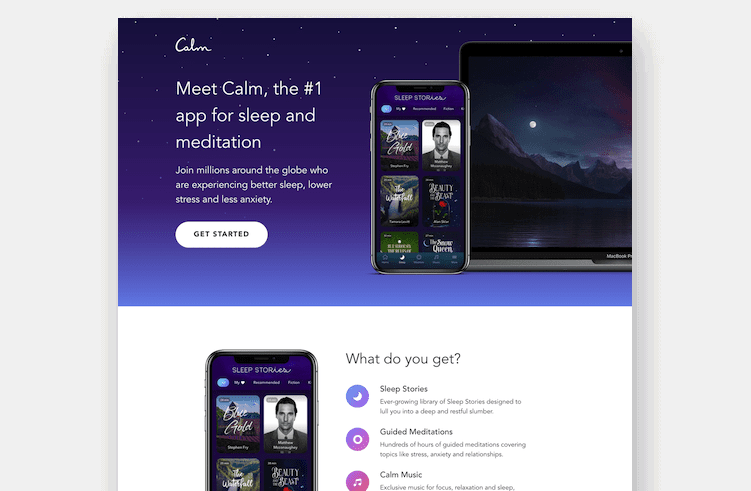
In the ecommerce and health sectors, companies such as Goby and Calm utilize high-resolution "hero shots" to create an immediate sense of desire or tranquility. Goby’s landing page for its electric toothbrush focuses on "brushing perfected," combining award-winning design with a money-back guarantee to lower the perceived risk of purchase. This approach is mirrored by wellness brands like NANOR, which sells the "experience" of luxury candles through sophisticated aesthetic choices, effectively using the landing page as a digital storefront that evokes sensory responses.

The Gig Economy and Service Platforms: Benefit-Driven Recruitment
Platforms like DoorDash, Lyft, and Rover use landing pages as recruitment tools. These pages are characterized by "benefit-first" copy, highlighting potential earnings and flexibility. By addressing the specific motivations of their target audience—such as the desire for a side hustle or a love for animals—these companies convert visitors into service providers through streamlined application flows that minimize administrative friction.

Expert Perspectives on Multi-Channel Integration
The success of a landing page is not independent of the ads that precede it. Cameron Gawley, co-founder and CEO of BuzzShift, emphasizes the importance of the "full-funnel" context. In a recent analysis of the dairy-alternative brand Mooala, Gawley noted that pages work best when they align with the specific phase of the customer journey. For Mooala, capturing an email through a coupon offer served as a "soft conversion" that allowed the brand to nurture the lead toward a final purchase.

This sentiment is echoed by agencies like MuteSix and ConversionLab, which argue that the most effective pages are those that evoke an emotional reaction while maintaining professional credibility. For example, in the finance and insurance sector, HomeLoanGurus and Panda7 use landing pages to simplify complex, often stressful processes like securing a mortgage or car insurance. By using clear, non-intimidating language and simple forms, these brands build trust in industries traditionally viewed with apprehension.

Strategic Implementation: A 10-Step Framework for 2026
For organizations seeking to replicate the success of these industry leaders, a standardized framework for development is recommended:
- Define the Single Objective: Identify exactly what the user should do (e.g., download a guide, purchase a product).
- Understand the Audience: Research the specific pain points and motivations of the target demographic.
- Craft a Compelling Headline: Ensure the headline is the most prominent element and matches the source ad.
- Prioritize Above-the-Fold Content: Place the most critical information and the CTA where they are immediately visible.
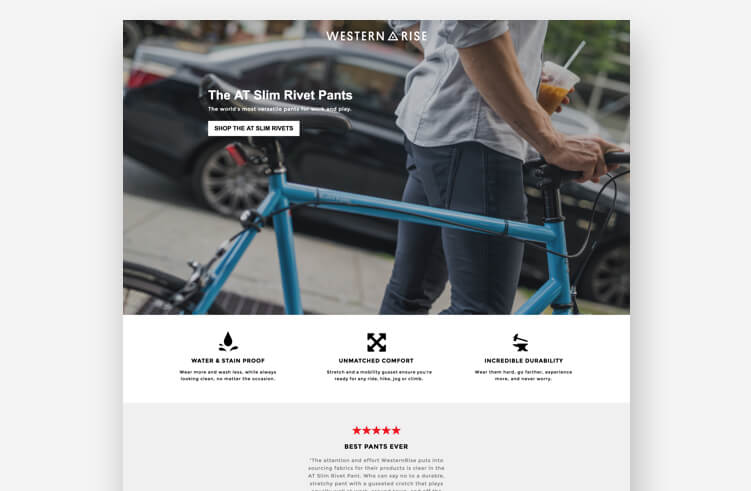
- Utilize High-Quality Visuals: Use images or videos that demonstrate the product or service in action.
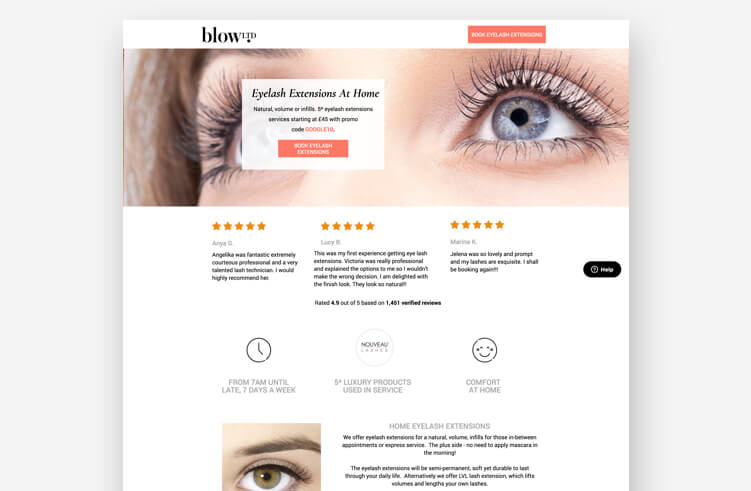
- Incorporate Social Proof: Add testimonials, reviews, or logos of partner companies to build authority.
- Optimize for Mobile: Ensure the page is fully responsive and fast-loading on all devices.
- Minimize Form Fields: Only ask for the information that is absolutely necessary to reduce drop-off rates.
- Clear Call to Action: Use contrasting colors and action-oriented language for the CTA button.
- A/B Test Everything: Continuously test different headlines, images, and button placements to refine performance.
The Broader Impact: ROI and Market Resilience
The broader economic implication of landing page optimization is significant. In an era where Customer Acquisition Cost (CAC) is rising across almost all digital channels, increasing the conversion rate of a landing page is the most effective way to improve Return on Ad Spend (ROAS). A 1% increase in conversion rate can lead to a substantial increase in profitability without requiring any additional investment in traffic.
Furthermore, landing pages provide invaluable data insights. By analyzing where users click and where they drop off, companies can gain a deeper understanding of consumer preferences, which can then inform broader product development and marketing strategies.
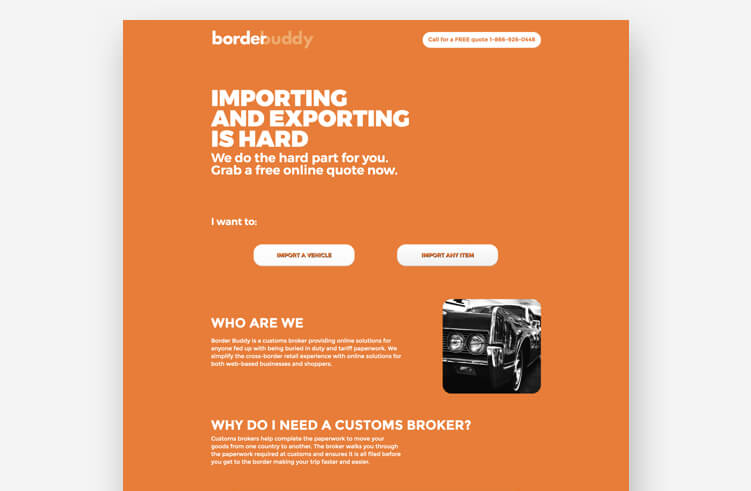
Conclusion: The Future of Conversion
As we move further into 2026, the landing page remains the most vital asset in a marketer’s toolkit. The shift toward AI-driven design and real-time optimization is making these pages more dynamic and effective than ever before. However, the core principles of clarity, professional design, and benefit-driven copy remain the foundation of success. Organizations that treat their landing pages as living, evolving experiments—rather than static "set-and-forget" assets—will be the ones that achieve sustained growth in an increasingly competitive digital landscape. By swiping strategies from the world’s most successful brands and applying a rigorous, data-driven approach to optimization, any business can transform its digital presence from a simple destination into a high-performance conversion engine.


 Asro
Asro
 Dwi Wanna