
 rifanmuazin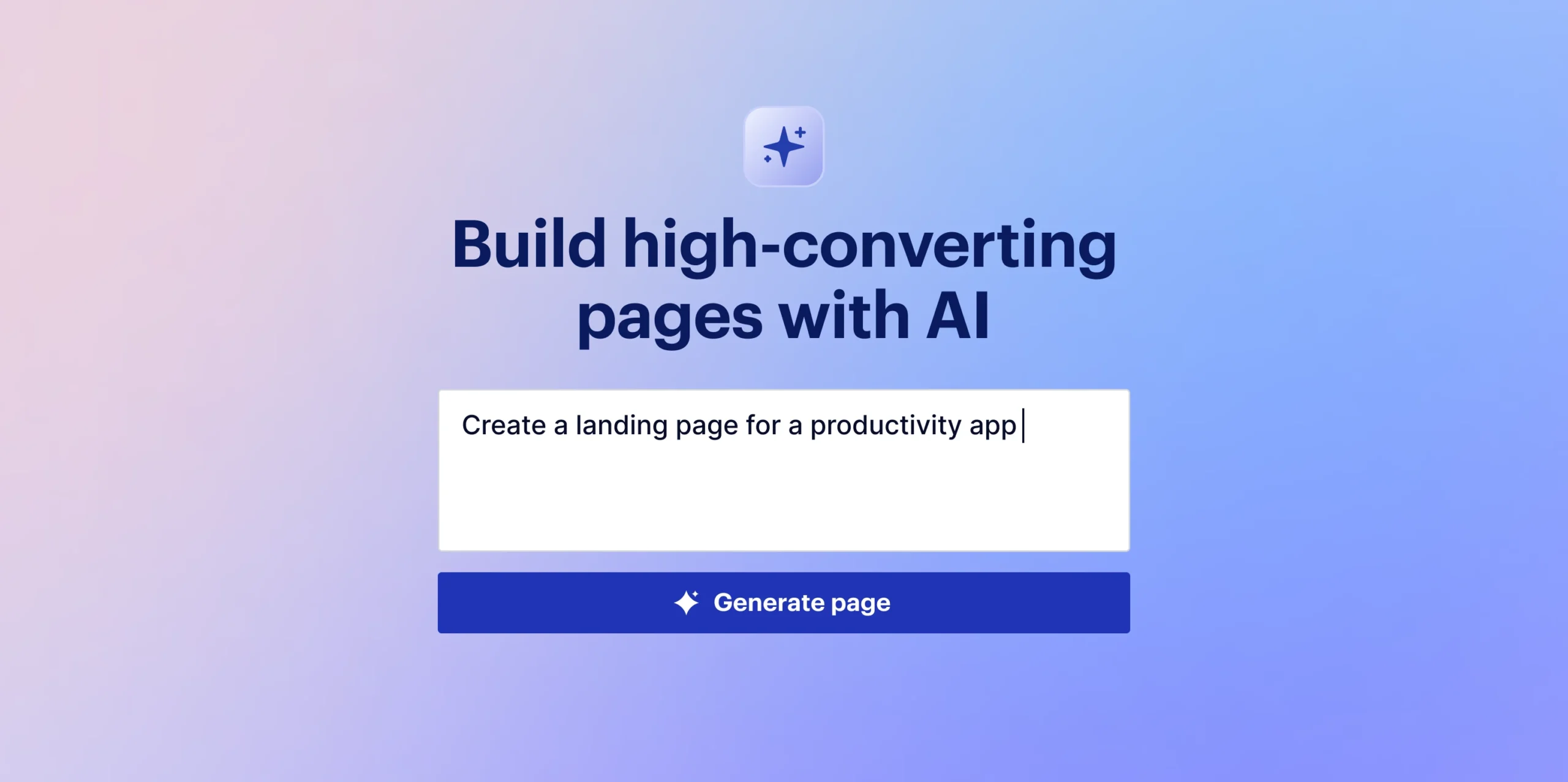
Instapage, a pioneer in landing page technology since 2012, has officially announced a significant evolution of its platform, transitioning into a fully integrated, end-to-end AI-powered marketing ecosystem designed to address the complexities of modern digital conversion. This latest release introduces a suite of sophisticated artificial intelligence tools, including AI page generation, AI email generation, and AI Collections, marking a shift from traditional landing page builders to a unified Conversion Rate Optimization (CRO) and marketing suite. The company’s move reflects a broader industry trend toward consolidating fragmented marketing "stacks" into single-source platforms that leverage generative AI to reduce operational friction and accelerate time-to-market for digital campaigns.
For over a decade, Instapage has maintained a market-leading position by offering what many consider the industry’s most intuitive visual builder. However, the company is now pivoting to address the growing "blank page" syndrome and the inefficiencies associated with stitching together disparate tools for page building, email automation, and lead management. By embedding AI across every stage of the marketing lifecycle—from initial copy creation to complex experimentation and follow-up—Instapage aims to empower leaner marketing teams to scale their efforts without the traditional requirement of increasing headcount or technical overhead.
The Evolution of Conversion Technology: A Chronological Perspective
The journey of Instapage from a niche landing page tool to an AI-driven powerhouse follows a clear trajectory of technological advancement and market responsiveness. Founded in 2012, the company initially focused on solving the technical barriers to entry for creating high-converting landing pages. In its early years, the platform gained traction by offering a "no-code" solution that allowed marketers to bypass developers for simple web tasks.
Between 2015 and 2020, the platform expanded its scope, integrating advanced CRO features such as heatmaps, A/B testing, and dynamic text replacement. This era established Instapage not just as a builder, but as a performance marketing tool. By 2022, as generative AI began to permeate the software-as-a-service (SaaS) sector, Instapage began embedding machine learning models to assist with copywriting and basic page layout suggestions.
The 2024-2026 roadmap represents the culmination of this evolution. The current release signifies the transition into "instantly actionable" marketing. The introduction of AI page generation allows users to describe a campaign objective and receive a complete, conversion-ready asset in seconds. This timeline demonstrates a shift from manual construction to assisted creation, and finally to automated generation and optimization.
Addressing the Inefficiencies of Fragmented Marketing Stacks
One of the primary drivers behind Instapage’s new AI suite is the systemic inefficiency found in modern marketing workflows. Industry data suggests that the average marketing team uses between 12 and 20 different tools to manage their digital presence. This "Frankenstein" approach to MarTech often leads to data silos, manual lead export errors, and a significant delay in lead response times.
Research from the Harvard Business Review and other sales-enablement organizations indicates that companies that contact potential leads within an hour of receiving a query are nearly seven times more likely to have meaningful conversations with key decision-makers than those who wait even sixty minutes. Instapage’s new AI-powered email generation and automation tools are specifically designed to bridge this gap. By housing pages, leads, and follow-up sequences in a single AI-integrated environment, the platform eliminates the need for manual handoffs between a page builder and an external email service provider (ESP).
The integration of AI into the email workflow allows for the generation of tailored messaging based on the specific context of the lead’s interaction with the landing page. Users can select goals, target audiences, and desired tones, allowing the AI to draft sequences that maintain brand consistency while optimizing for engagement.
Technical Innovation: AI Page Generation and Pixel-Perfect Refinement
A significant differentiator in Instapage’s approach to AI is the marriage of generative technology with its legacy "pixel-perfect" drag-and-drop builder. Many standalone AI page generators currently on the market suffer from a "black box" problem: once a page is generated, making specific layout or design changes often requires the user to re-prompt the AI, which can be both time-consuming and unpredictable.
Instapage’s solution allows the AI to handle the heavy lifting of the initial layout and messaging, but provides the user with immediate, granular control over the output. This hybrid model addresses a common frustration among professional designers and brand managers who require more precision than a standard AI prompt can typically provide.
Key features of the new AI page generation include:

- Tailored Messaging: The AI analyzes the user’s description of their product or service to generate persuasive, benefit-driven copy.
- Optimized Layouts: Utilizing years of conversion data, the AI suggests layouts designed to guide the visitor toward a specific call to action (CTA).
- Iterative Refinement: Unlike competitors where every change requires a new prompt and additional token costs, Instapage allows users to move sections, change fonts, and swap images manually after the AI has provided the foundation.
Supporting Data and Economic Context
The release of these AI features comes at a time when marketing budgets are under increased scrutiny. According to Gartner’s 2024 CMO Spend Survey, marketing budgets have remained relatively flat as a percentage of total company revenue, while the pressure to deliver measurable ROI has increased. This "do more with less" environment has made efficiency-boosting tools a priority for enterprise and mid-market firms alike.
Furthermore, the global AI in marketing market size is projected to reach over $29 billion by 2026, growing at a compound annual growth rate (CAGR) of nearly 30%. Instapage’s move to position itself as an "end-to-end" AI platform aligns with this market growth, targeting a segment of the industry that is moving away from point solutions in favor of integrated platforms.
The platform’s AI Collections feature also addresses the need for scalability. For businesses running hundreds of localized or audience-specific campaigns, manually updating and testing each page is an impossible task. AI-driven experimentation and collection management allow these teams to scale their winners automatically, using machine learning to identify which variations are performing best across different segments.
Statements and Industry Implications
Industry analysts suggest that the integration of AI into the core of CRO platforms will democratize high-end marketing strategy. Previously, only companies with large budgets for developers, copywriters, and data scientists could execute complex, personalized multi-channel campaigns. Instapage’s latest update suggests a future where a single marketing generalist can perform the work of a full-scale agency.
While Instapage has not released specific internal statements regarding the beta rollout, the company’s documentation emphasizes a "gradual rollout" of select features, including AI Collections and advanced experimentation tools. This cautious approach is common among high-tier SaaS providers to ensure the stability of the AI models and the accuracy of the generated content before a full-scale public release.
The broader implication for the MarTech industry is a heightened competitive landscape. Competitors such as Unbounce and Leadpages are also exploring AI integrations, but Instapage’s focus on the entire workflow—from the first click to the first email follow-up—sets a new benchmark for what is expected from a "landing page builder."
Broader Impact on Professional Marketing Workflows
The shift toward AI-powered platforms like Instapage is likely to redefine the roles within marketing departments. Rather than spending hours on the "drudgery" of manual layout and lead exporting, marketers are being pushed toward more strategic roles. The focus is shifting from how to build a page to what the page should achieve and who it should target.
However, the transition is not without its challenges. The reliance on AI for copywriting and design necessitates a new set of skills, often referred to as "prompt engineering" or "AI orchestration." Instapage has mitigated this by simplifying the interface, allowing users to select parameters like tone and length rather than requiring them to write complex code or prompts.
As 2026 approaches, the expectation for instant, personalized communication will only grow. Consumers no longer tolerate generic marketing; they expect relevance. Instapage’s AI-powered marketing platform is a direct response to this demand, providing the tools necessary to deliver high-quality, relevant experiences at a speed that was previously unattainable.
Conclusion and Availability
Instapage’s evolution into an AI-powered end-to-end platform represents a significant milestone in the history of digital marketing technology. By consolidating page generation, email automation, and conversion optimization into a single AI-driven workflow, the company is addressing the core pain points of modern marketing: fragmentation, slowness, and the high cost of scaling.
The new AI features, including AI page generation and AI email generation, are currently being rolled out to users. The company is offering a 14-day free trial for new users to experience the integrated workflow. Certain advanced features remain in beta, with access being granted gradually to ensure optimal performance. For marketing teams looking to navigate a leaner, more demanding economic environment, the promise of an AI-powered suite that eliminates the "blank page" and streamlines lead follow-up may prove to be a critical competitive advantage in the years to reach.








