
 rifanmuazin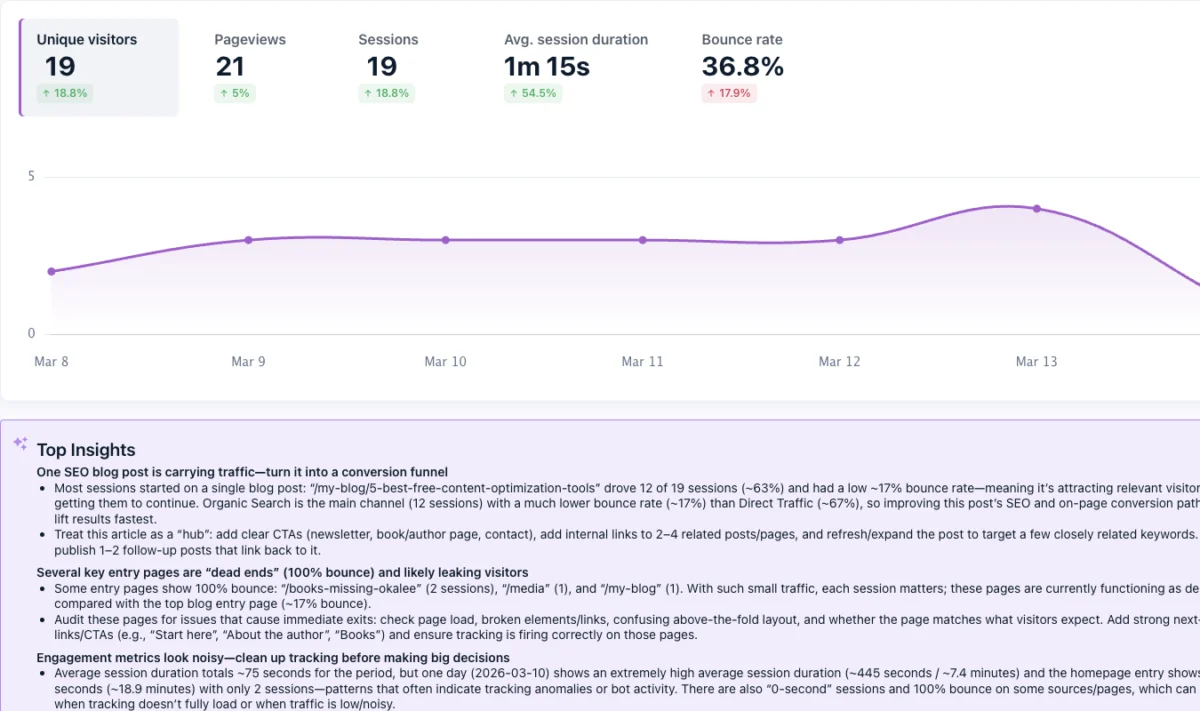
The landscape of digital analytics has undergone a seismic shift over the last decade, transitioning from basic pageview tracking to a complex ecosystem of event-based data and user behavior modeling. As organizations seek to optimize their digital presence, two platforms have emerged as leaders in distinct categories: PostHog, a developer-centric product analytics suite, and Google Analytics 4 (GA4), often utilized in tandem with visual behavior tools like Crazy Egg to provide comprehensive website traffic insights. While both platforms aim to demystify user interaction, their technical architectures, primary use cases, and philosophies regarding data ownership differ significantly. PostHog focuses on the "how" and "why" of product feature usage, while the combination of Google Analytics and Crazy Egg prioritizes the "who" and "where" of marketing performance and website conversion.
The Evolution of Analytics: A Brief Chronology
The current competition between these platforms is rooted in the history of web measurement. For nearly two decades, Universal Analytics (UA) served as the industry standard, relying heavily on cookies and pageview-based tracking. However, the rise of Single Page Applications (SPAs) and mobile environments necessitated a more granular approach.
In 2020, PostHog entered the market as an open-source alternative to proprietary tools like Mixpanel and Amplitude, specifically targeting engineers and product managers who required deep visibility into application logic rather than just marketing funnels. This coincided with a growing global emphasis on data privacy and the desire for self-hosted solutions.
Conversely, Google launched Google Analytics 4 (GA4) to replace the aging Universal Analytics infrastructure. The transition, which became mandatory for standard users in July 2023, shifted Google’s model to an event-based system similar to that of product analytics tools. To bridge the gap between raw traffic data and visual user experience, many organizations began integrating GA4 with third-party platforms like Crazy Egg, which adds layers of heatmapping and session recording to Google’s quantitative data.
Core Methodologies: Product Analytics vs. Traffic Analytics
The fundamental distinction between PostHog and the Google Analytics/Crazy Egg ecosystem lies in their analytical focus. PostHog is built for product intelligence. It is designed to track specific actions—or "events"—within a software-as-a-service (SaaS) tool or a mobile application. This includes tracking feature adoption, such as how many users interacted with a new dashboard toggle, or measuring retention cohorts based on specific user behaviors.
Google Analytics, particularly when viewed through the simplified dashboards of an integration like Crazy Egg, remains the gold standard for traffic analytics. Its primary strength is attribution: identifying how visitors arrived at a site (organic search, paid ads, social media) and tracking their movement through a marketing site. While GA4 has adopted event-based tracking, its interface remains optimized for marketing ROI and high-level engagement metrics rather than deep-dive product debugging.
Technical Implementation and Data Capture
One of the most critical points of comparison for technical teams is the method of data collection. PostHog utilizes an "autocapture" feature, which automatically records every click, change, and pageview without requiring manual instrumentation for every single element. This is particularly valuable for early-stage products where the team may not yet know which metrics will be important in six months. However, PostHog also provides robust support for manual event tracking, allowing engineers to attach complex properties to events—such as a user’s subscription tier or the specific version of an A/B test they are seeing.
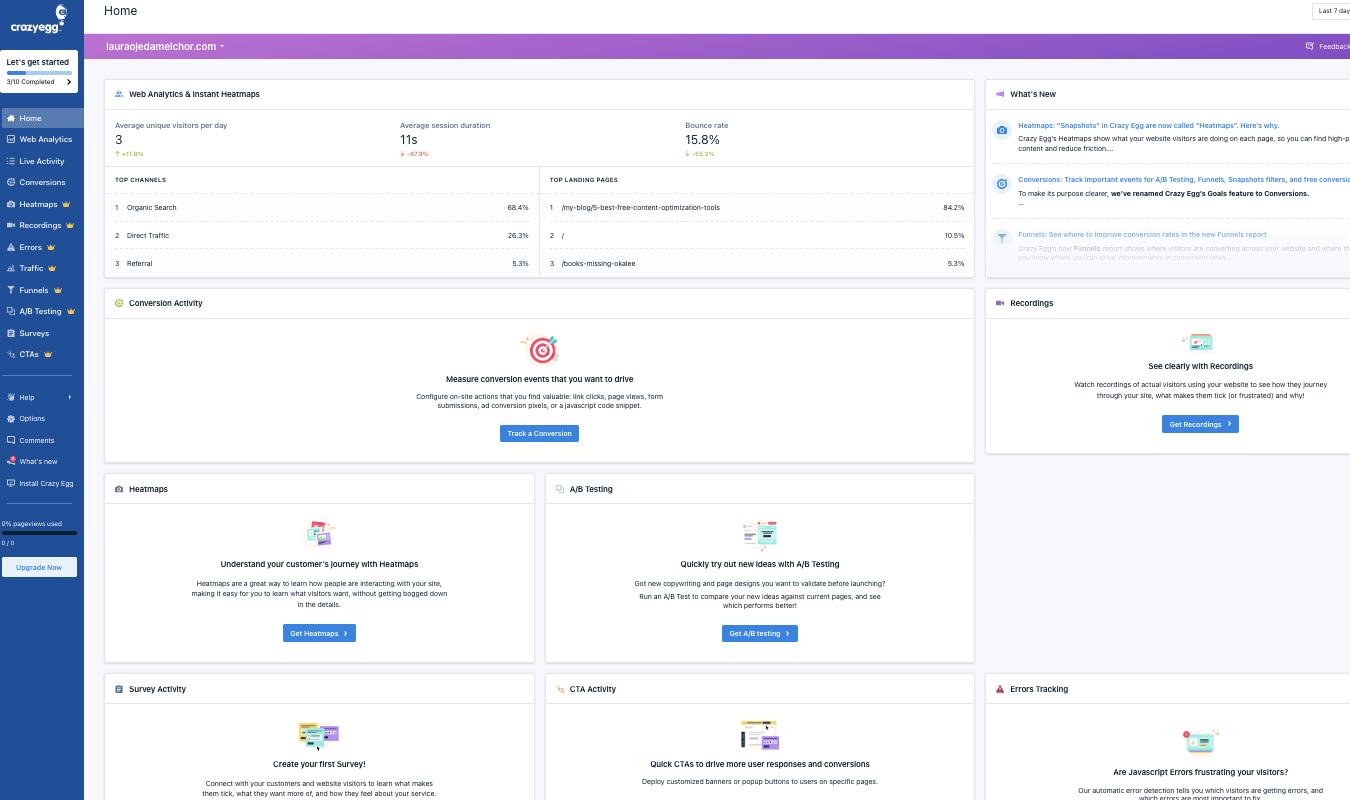
Google Analytics 4 offers a similar feature known as "Enhanced Measurement," which captures basic interactions like scrolls, outbound clicks, and site searches by default. However, for more granular tracking—such as form submissions or specific conversion triggers—manual configuration within the GA4 interface or through Google Tag Manager is often required. When integrated with Crazy Egg, this process is simplified for the end-user. The integration allows GA4 data to flow into a more intuitive dashboard, where it can be cross-referenced with visual tools like heatmaps. This reduces the technical burden on marketing teams who may find the native GA4 interface cumbersome.
Feature Sets for Optimization and Development
PostHog distinguishes itself by offering a suite of "all-in-one" tools that extend beyond simple analytics. Its platform includes feature flags, which allow developers to toggle specific features on or off for segments of users without deploying new code. This facilitates "canary releases" and live experimentation. PostHog’s experimentation suite is natively tied to its analytics, meaning a product team can launch a new feature and immediately see how it impacts user retention within the same dashboard.
In contrast, Google Analytics does not natively offer feature flags or deep product testing tools. Instead, it focuses on website optimization. When paired with Crazy Egg, users gain access to a different set of optimization tools:
- Heatmaps: Visual representations of where users click and scroll, identifying "dead zones" on a landing page.
- Confetti Reports: High-resolution click maps that segment visitors by referral source or device.
- A/B Testing: Tools specifically designed to test variations of headlines, images, and calls-to-action to improve conversion rates.
- Surveys: Direct feedback loops to ask visitors why they are leaving a page or what they are looking for.
While PostHog helps teams build and refine product features, the GA4/Crazy Egg combination is designed to refine the user journey and maximize the efficiency of marketing spend.
Data Governance, Privacy, and Ownership
In the current regulatory environment, defined by GDPR in Europe and CCPA in California, data ownership has become a primary concern for enterprise organizations. PostHog offers a distinct advantage in this area through its self-hosting capabilities. Organizations can deploy PostHog on their own infrastructure (using VPCs on AWS, GCP, or Azure), ensuring that sensitive user data never leaves their controlled environment. This is a critical requirement for industries such as healthcare, finance, and legal services.
Google Analytics, as a cloud-based service, stores data within Google’s global infrastructure. While Google provides robust security and compliance certifications, the data is ultimately part of the Google ecosystem. For many marketing-focused firms, this is an acceptable trade-off for the platform’s deep integration with Google Ads and Search Console. However, for companies prioritizing absolute data sovereignty, the open-source nature of PostHog provides a level of transparency and control that proprietary platforms cannot match.
The Role of Artificial Intelligence in Modern Analytics
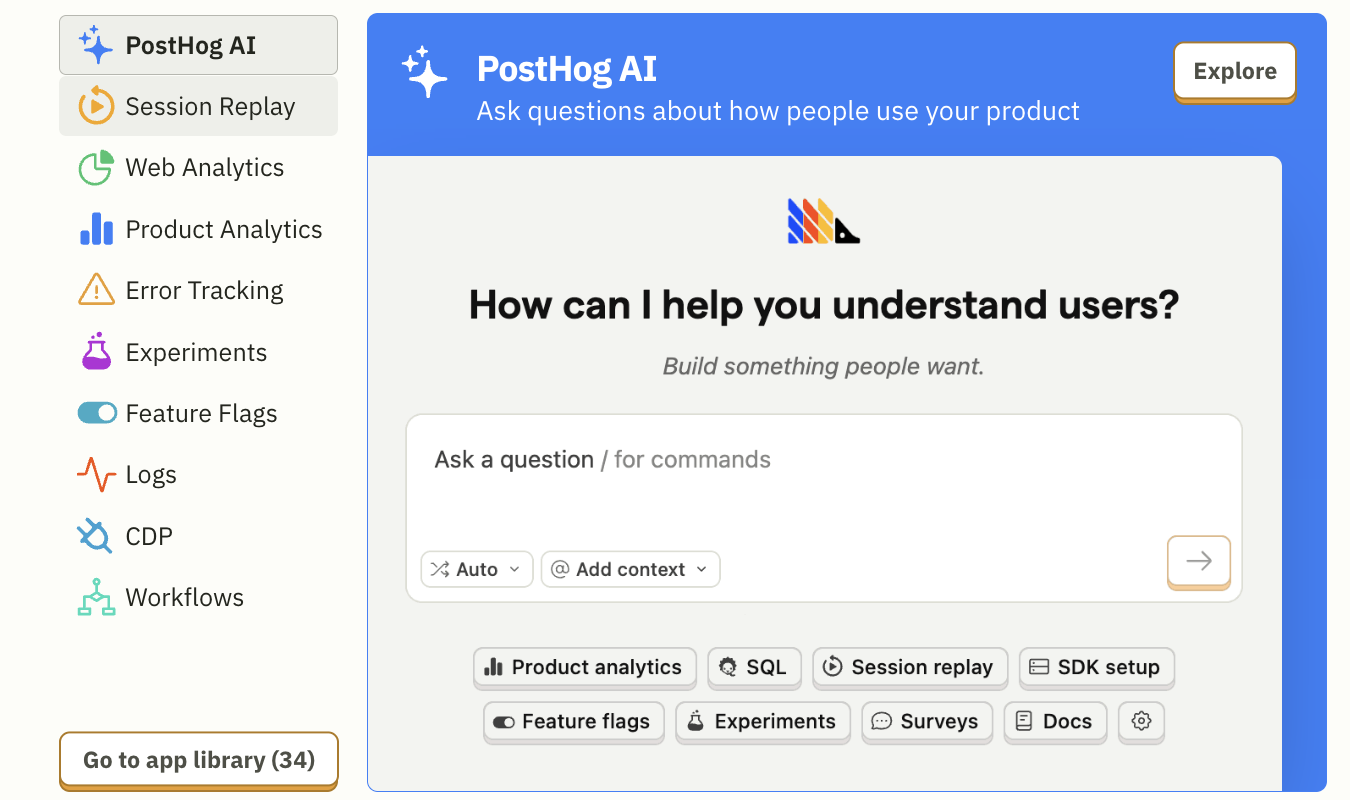
Both platforms have aggressively integrated artificial intelligence to help users navigate the "data deluge." PostHog’s approach to AI is investigative and query-based. Its "AI Product Analyst" allows users to ask natural language questions—such as "Show me the drop-off rate for users on the Pro plan in the last 30 days"—and generates the corresponding charts and summaries. This is designed to speed up the workflow for data-hungry product teams.
The Google Analytics and Crazy Egg integration takes a more proactive approach to AI. Rather than waiting for a user to ask a question, the system generates automated summaries and "Top Insights" directly on the dashboard. For example, the AI might flag that mobile users from a specific geographic region have a significantly higher bounce rate than average, and then provide a bulleted list of recommended actions, such as checking page load speeds or fixing a specific broken link. This "proactive" AI is tailored for busy marketers who need to identify and solve problems quickly without performing deep manual analysis.
Pricing Structures and Scalability
The financial implications of choosing one platform over the other depend heavily on volume and required features. PostHog operates on a usage-based pricing model. It offers a generous free tier for events and session recordings, but costs can scale quickly as a product grows and millions of events are tracked. This model is transparent but requires careful monitoring of "event budgets."
Google Analytics 4 is famously free for the vast majority of users. Only the largest enterprises typically require the paid "Google Analytics 360" version, which offers higher data limits and advanced integration features. Crazy Egg, which enhances the GA4 experience, operates on a tiered subscription model based on tracked pageviews. For many small-to-medium businesses, the combination of free GA4 and a paid Crazy Egg subscription represents a highly cost-effective way to gain professional-grade insights without the engineering overhead required by PostHog.
Strategic Implications for Organizational Choice
The decision between PostHog and Google Analytics/Crazy Egg is rarely about which tool is "better" in a vacuum; it is about which tool aligns with the organization’s strategic goals.
For a software engineering team building a complex mobile app or a SaaS platform, PostHog is often the superior choice. Its ability to link session recordings directly to specific feature flags and its "engineer-first" philosophy make it an essential part of the modern development stack. It bridges the gap between the code and the user experience.
For an e-commerce brand, a content publisher, or a marketing agency, the combination of Google Analytics 4 and Crazy Egg is typically more effective. These organizations are primarily concerned with the performance of their marketing channels and the conversion efficiency of their web pages. The visual nature of Crazy Egg’s heatmaps, combined with the industry-standard traffic data of GA4, provides a comprehensive view of the customer acquisition funnel that is difficult to replicate in a product-focused tool.
As the digital landscape continues to evolve, the most sophisticated organizations are increasingly moving toward a "hybrid" approach—using Google Analytics for high-level marketing attribution and PostHog for deep-dive product analysis. Regardless of the path chosen, the ability to turn raw data into actionable insights remains the ultimate competitive advantage in the digital economy.








