rifanmuazin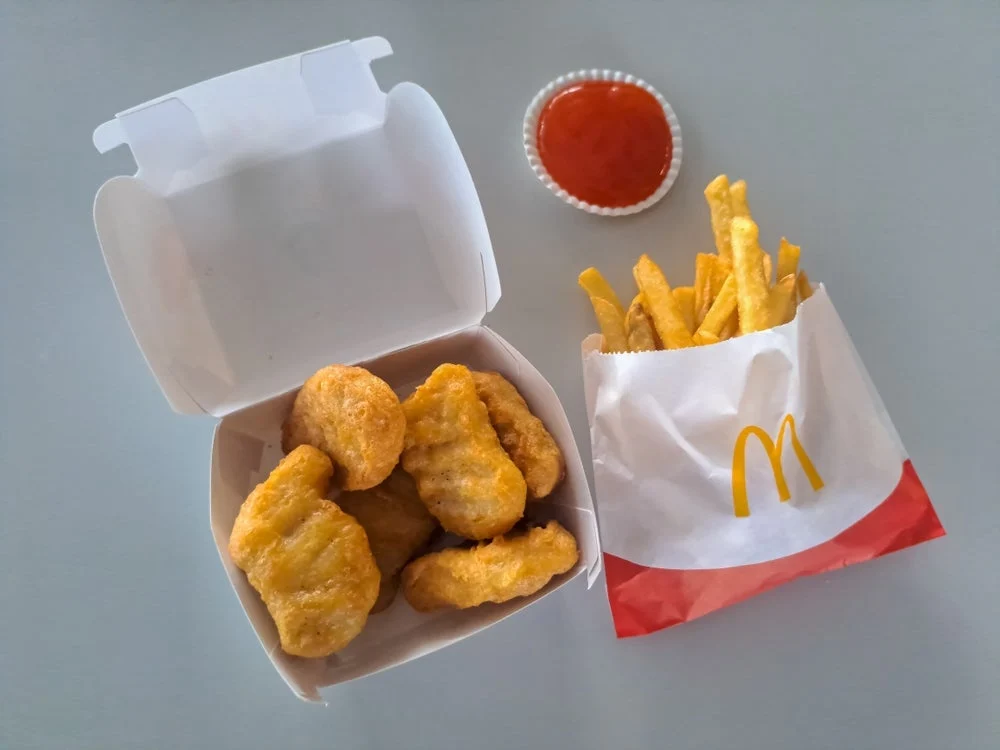
The landscape of corporate communications in 2026 continues to be defined by the thin line between viral success and public relations setbacks. This week, three distinct narratives emerged that highlight the complexities of modern brand management: the ongoing social media struggles of McDonald’s CEO Chris Kempczinski, a comprehensive report from Onclusive regarding the shifting tides of global brand influence, and an accidental, out-of-this-world marketing victory for the Ferrero-owned brand Nutella. Together, these events underscore a pivotal shift in how corporate leaders, digital platforms, and spontaneous moments of earned media shape the public’s perception of global entities.
The McDonald’s CEO and the Perils of Executive Visibility
McDonald’s CEO Chris Kempczinski has found himself at the center of a persistent social media storm, illustrating how even the most calculated corporate branding efforts can be derailed by the microscopic scrutiny of the internet. The controversy began in late February 2026, when Kempczinski posted a video to Instagram intended to promote the "Big Arch," a new, larger burger designed to satisfy the "hungry" segment of the market. However, rather than focusing on the product, viewers zeroed in on the CEO’s eating style. Kempczinski took a notably small, hesitant bite of the burger, which social media users quickly labeled as "dainty" and "out of touch" with the brand’s hearty image.
The incident was not merely a fleeting moment of mockery; it triggered a coordinated response from McDonald’s primary competitors. Executives and social media teams at Wendy’s, Burger King, and Costco’s food court division released their own "taste test" videos, featuring robust, enthusiastic bites of their respective products. This competitive "newsjacking" turned a minor awkward moment into a multi-week narrative about Kempczinski’s perceived lack of relatability.
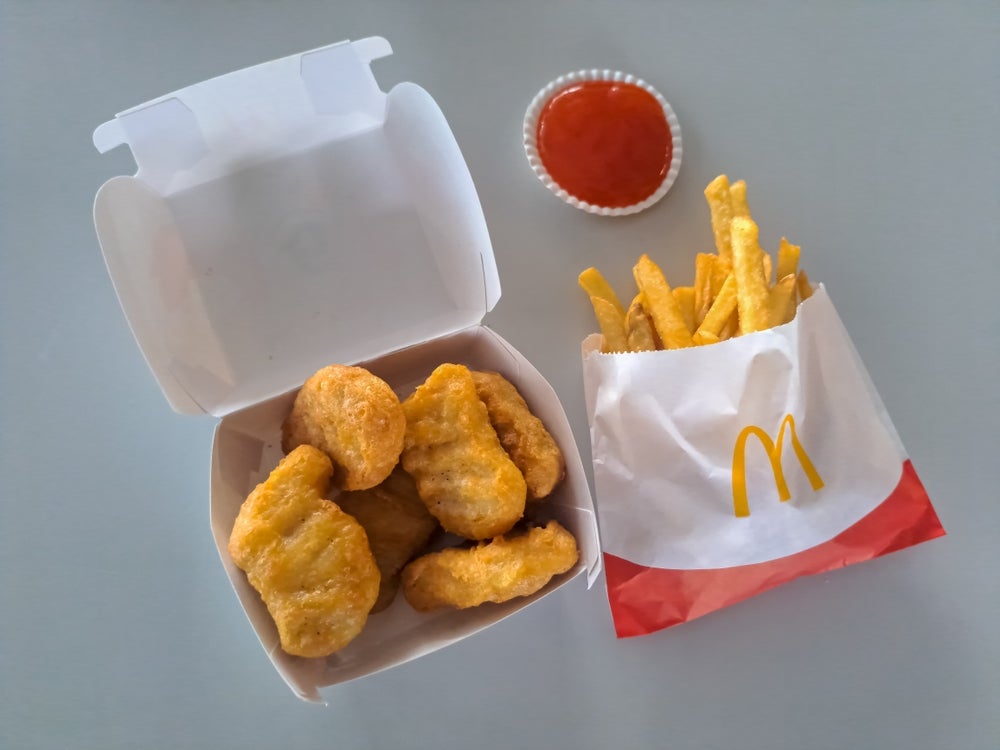
In an attempt to regain control of the narrative, Kempczinski participated in an interview with the Wall Street Journal this week. During the segment, he addressed the original viral video, attributing his small bites to his upbringing. He explained that his mother had strictly taught him never to speak with his mouth full, a habit that translated poorly to the high-energy demands of social media content. To demonstrate his "redemption," he bit into a Chicken McNugget on camera.
Despite the attempt at a more "genuine" moment, the public reaction remained skeptical. The video garnered over 540,000 views on TikTok within days, with many users continuing to critique the CEO’s on-camera presence. Communication experts suggest that while the CEO appeared less scripted, the incident highlights the risks of "Executive Influencer" campaigns. When a leader becomes the face of a brand on social media, every personal habit becomes a reflection of the brand’s values.
Industry analysts note that for a brand like McDonald’s, which prides itself on being a staple for the "everyman," a CEO who appears uncomfortable eating the food can create a psychological disconnect with the consumer base. This "Nugget Implosion," as it has been dubbed, serves as a cautionary tale for C-suite executives attempting to navigate the informal and often unforgiving world of short-form video content.
Onclusive 2026 Report YouTube and the Supremacy of Tech Influence
While individual leaders struggle with personal branding, a new report from Onclusive, a global leader in media intelligence, has identified which organizations are successfully dominating the global conversation. The "2026 Brand Influence Rank Report" reveals that digital-first tech companies have achieved a near-total monopoly on global influence.
According to the study, YouTube has been named the world’s most influential brand. The ranking is based on a proprietary metric that evaluates how effectively a brand generates media coverage, drives social media conversation, and shapes the broader public narrative. The 2026 report marks a significant milestone: for the first time, all ten of the top ten spots are held by technology or digital-first companies.
The report highlights several key trends:
- The Attention Economy: Influence is no longer measured solely by market capitalization or annual revenue. Instead, it is defined by the ability to maintain "sustained attention" across fragmented media channels.
- AI Integration: Brands that have successfully integrated Artificial Intelligence into their core identity—such as Google, Microsoft, and OpenAI—have seen the most significant leaps in influence scores.
- The Ceiling on Sentiment: While tech brands have the highest visibility, they also face the highest levels of scrutiny. Onclusive’s Chief Marketing Officer, Jennifer Roberts, noted that while these brands dominate the conversation, their "sentiment scores" are often capped by public concerns over data privacy, AI ethics, and market dominance.
The report also emphasized the growing role of the "Influencer CEO." Elon Musk (representing Tesla, SpaceX, and X) was ranked as the most influential CEO globally, followed closely by Sam Altman of OpenAI. Their influence is largely driven by their roles as "narrative architects" for the future of technology. Other high-ranking leaders include Mark Zuckerberg (Meta), Jensen Huang (Nvidia), and Tim Cook (Apple).
The data suggests a fundamental shift in communications: traditional brand-building is being replaced by "influence-building," where the goal is to be the primary subject of search engine queries and AI-generated summaries. As AI search becomes the primary way consumers interact with information, being a "high-influence" brand is becoming a prerequisite for commercial survival.
Nutella’s Accidental Masterclass in Zero-Gravity Marketing
In contrast to the calculated (and sometimes backfiring) efforts of corporate executives, the Ferrero brand Nutella experienced a massive PR windfall this week through a completely unscripted event. During a live NASA broadcast from the Artemis II mission—the first crewed mission to orbit the moon in over half a century—a jar of Nutella was spotted floating in the background of the spacecraft.
The jar, which drifted into the camera’s frame in zero gravity, happened to be positioned so that the label was perfectly visible and upright. For several minutes, millions of viewers worldwide watched as the iconic hazelnut spread "posed" for the camera in the most exclusive environment imaginable. The clip immediately went viral, with social media users labeling it the "greatest free advertisement in history."
The visibility of the product led to immediate speculation regarding a paid partnership between NASA and Ferrero. However, NASA Press Secretary Bethany Stevens was quick to clarify that the agency does not engage in brand partnerships for crew meals. The presence of the Nutella was a result of individual crew preferences, as astronauts are permitted a small "bonus food" allowance of commercially available products to boost morale during long-duration missions.
The communication takeaways for Nutella are profound. While the brand’s parent company, Ferrero, initially remained silent to let the organic buzz grow, they eventually "newsjacked" the moment with a perfectly timed social media post. On April 6, 2026, the official Nutella account shared the clip with the caption: "Honored to have traveled further than any spread in history. Taking spreading smiles to new heights."
This incident provides a stark contrast to the McDonald’s situation. While McDonald’s struggled to force a "viral moment" through its CEO, Nutella benefited from the authenticity of a real-world (or out-of-this-world) application of its product. PR professionals estimate that the "earned media value" of the NASA appearance—considering the reach, the prestige of the Artemis mission, and the positive sentiment—exceeds tens of millions of dollars in traditional advertising spend.
Broader Implications for the PR Industry
The events of this week offer a comprehensive look at the state of public relations in 2026. The recurring themes across the McDonald’s, Onclusive, and Nutella stories suggest three primary lessons for global communicators:
First, the "Humanization of the CEO" is a high-risk strategy. In an era of high-definition video and viral "cringe" culture, the physical actions of a leader can overshadow the strategic message of the company. Authenticity cannot be manufactured; it must be practiced. If a CEO is to be an influencer, they must be prepared for the same level of scrutiny applied to professional content creators.
Second, the Onclusive report confirms that we have entered the age of "Narrative Supremacy." For large organizations, the goal is no longer just to sell a product, but to own the conversation around a specific category—whether that is "the future of video" for YouTube or "the future of intelligence" for OpenAI. In this environment, tech-savviness is not an option; it is the foundation of brand influence.
Third, the power of "Earned Authenticity" remains the gold standard of PR. As consumers become increasingly cynical about paid advertisements and scripted executive content, unscripted moments—like a jar of Nutella in space—hold significantly more weight. Monitoring for these moments and responding with agility, rather than over-produced corporate statements, is the key to modern newsjacking.
As the year progresses, the divide between brands that "perform" and brands that "participate" will likely widen. McDonald’s continues to navigate the fallout of a performance that felt forced, while Nutella is reaping the rewards of a participation that was accidental. For the rest of the corporate world, the challenge lies in finding the middle ground: being prepared for the spotlight without appearing to crave it too desperately.