rifanmuazin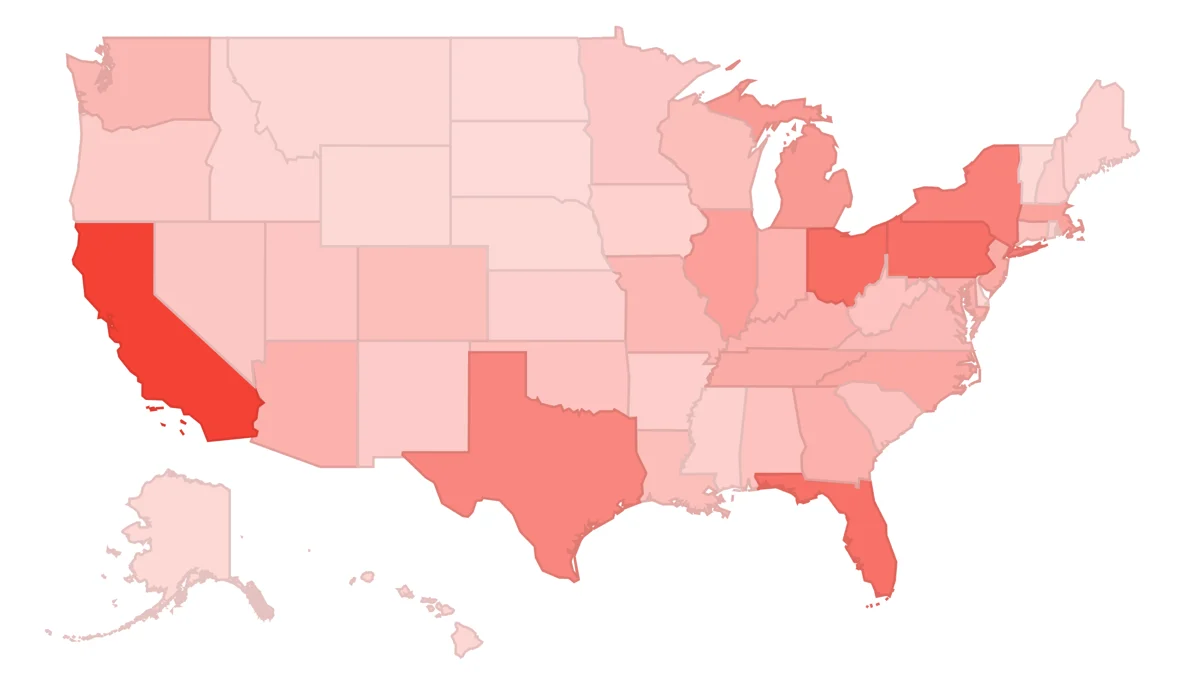
The opioid crisis in the United States has evolved from a localized public health concern into a sweeping national emergency, claiming hundreds of thousands of lives and reshaping the demographic landscape of the country. What began in the late 1990s as a surge in prescription-related complications has transformed into a multifaceted epidemic involving heroin and highly potent synthetic opioids like fentanyl. Recent investigative reports, including the Pulitzer Prize-winning Seven Days of Heroin, have illuminated the sheer scale of the devastation, prompting data analysts and public health experts to delve deeper into the statistics provided by the Centers for Disease Control and Prevention (CDC), the United Nations Office on Drugs and Crime (UNODC), and various demographic research groups. By examining these datasets, a clearer picture emerges of how the United States became the global epicenter of drug overdose fatalities and how the crisis continues to shift across different age groups and geographic regions.
The Three Waves of the Opioid Epidemic
To understand the current state of the crisis, it is essential to view it through the lens of its historical progression. Public health officials generally categorize the epidemic into three distinct waves. The first wave began in the late 1990s, characterized by a sharp increase in overdose deaths involving prescription opioids. This rise was largely attributed to the aggressive marketing of opioid painkillers, such as OxyContin, and a broader shift in the medical community toward treating chronic pain more aggressively. During this period, the perceived risk of addiction was significantly downplayed by pharmaceutical manufacturers, leading to a massive influx of legal opioids into American households.
The second wave emerged around 2010, marked by a rapid increase in overdose deaths involving heroin. As state and federal regulators began to crack down on "pill mills" and prescription practices became more stringent, many individuals who had become addicted to prescription opioids turned to heroin as a cheaper and more accessible alternative. This transition shifted the crisis from pharmacies to the streets, complicating the efforts of law enforcement and healthcare providers.
The third and most lethal wave began in 2013, driven by synthetic opioids—specifically illicitly manufactured fentanyl. Fentanyl, a synthetic opioid that is 50 to 100 times more potent than morphine, has been increasingly found mixed into heroin, cocaine, and counterfeit pills. Its extreme potency means that even a minuscule amount can be fatal, leading to a dramatic spike in overdose rates that shows little sign of abating. According to the CDC, synthetic opioids are now involved in more than 70% of all drug overdose deaths in the United States.
Comparative Analysis of Drug Usage and Lethality
When analyzing drug usage patterns across the United States, a striking disparity exists between the prevalence of use and the rate of lethality. Data compiled from FiveThirtyEight regarding drug use by age reveals that while drugs like cannabis and cocaine have higher rates of reported usage across various demographics, heroin and synthetic opioids carry a disproportionately high risk of death.
For instance, heroin usage is statistically less common than the use of stimulants or hallucinogens, yet its presence in mortality data is overwhelming. The data suggests that heroin and fentanyl use is most concentrated among individuals aged 20 to 34. This demographic represents a critical segment of the workforce and the societal fabric, and the high mortality rate within this group has significant long-term implications for economic productivity and family stability.
In contrast, drugs such as cocaine and crack cocaine show a more distributed adoption rate among older age groups. However, the recent trend of "polysubstance use"—where fentanyl is mixed with stimulants—has begun to drive up overdose deaths even among those who do not primarily identify as opioid users. This cross-contamination of the illicit drug supply has made the crisis even more difficult to manage, as users may be unknowingly consuming lethal doses of synthetic opioids.
The United States in a Global Context
A comparison of global overdose statistics reveals that the United States is an extreme outlier. Data from the UNODC indicates that the U.S. leads the world in both absolute overdose deaths and deaths per million inhabitants. While other nations struggle with drug addiction, the scale of the American crisis is virtually unparalleled.
In a global ranking of overdose deaths per million people, the United States consistently occupies the top tier. While countries like Iceland show high per-capita rates, these are often skewed by very small total populations where a dozen deaths can significantly alter the statistics. Other nations with notable overdose rates include Sweden, Australia, and El Salvador; however, their rates typically remain at less than half of those recorded in the United States.
The reasons for this American exceptionalism are complex. Researchers point to a combination of factors, including the unique structure of the U.S. healthcare system, which for years incentivized the prescription of opioids for pain management. Additionally, the lack of a robust social safety net and the prevalence of "deaths of despair"—suicide, overdose, and liver disease driven by economic hardship and social isolation—have created a fertile ground for addiction to take root. In many European countries, harm reduction strategies such as supervised injection sites and more regulated prescription protocols have helped keep overdose rates significantly lower than those in the U.S.
Regional Hotspots and Trending Data
Within the United States, the epidemic does not hit every state with equal intensity. Regional analysis shows that the Appalachian region and the Rust Belt have been particularly devastated. States like West Virginia, Ohio, and Pennsylvania have consistently reported some of the highest overdose rates in the country.
The data also reveals "development trends" that identify which states are seeing the most rapid deterioration. While some states have managed to plateau their overdose rates through aggressive public health interventions and the widespread distribution of Naloxone (an overdose-reversal drug), others are seeing double-digit percentage increases year-over-year.
New England, for example, was an early epicenter of the fentanyl wave but has since implemented comprehensive state-level responses that have served as models for the rest of the country. Conversely, states in the Western U.S., which historically had lower rates of opioid abuse compared to the East Coast, are now seeing a surge in fentanyl-related deaths as the drug supply migrates westward.
Official Responses and Policy Shifts
The government and legal response to the opioid crisis has undergone a significant transformation over the last decade. Initially treated primarily as a law enforcement issue, there is now a growing consensus among policymakers that the crisis is a chronic public health emergency.
Major legal battles have been waged against pharmaceutical companies, resulting in multi-billion dollar settlements intended to fund addiction treatment and prevention programs. McKinsey & Company, Johnson & Johnson, and the Sackler family (owners of Purdue Pharma) have all faced intense legal scrutiny for their roles in the initial wave of the epidemic.
The DEA and FDA have also tightened regulations on opioid prescriptions, leading to a significant decrease in the volume of legal painkillers in circulation. However, critics argue that these measures were implemented too late and, in some cases, inadvertently pushed addicted individuals toward the deadlier illicit market. Current federal efforts are focused on expanding access to Medication-Assisted Treatment (MAT), such as methadone and buprenorphine, which have been proven to reduce overdose deaths and help individuals maintain long-term recovery.
The Role of Data in Shaping the Future
As the crisis continues to evolve, the role of data analysis has become more critical than ever. Real-time data collection allows public health officials to identify emerging "hotspots" and deploy resources, such as Narcan kits and mobile treatment units, to the areas where they are most needed.
Tools like Google Data Studio and other visualization platforms have empowered analysts to communicate the immensity of the problem to the public and to legislators. By turning abstract numbers into visual trends and patterns, data scientists can help bridge the gap between clinical statistics and human impact.
The "Seven Days of Heroin" report served as a poignant reminder that behind every data point is a human story—a family grieving, a community struggling, and a life cut short. The integration of rigorous data analysis with empathetic reporting is essential for fostering the societal will necessary to implement large-scale changes.
Broader Implications and Societal Impact
The long-term implications of the opioid epidemic extend far beyond the immediate loss of life. The crisis has placed an enormous strain on the American healthcare system, with emergency rooms and first responders often overwhelmed by the volume of overdose calls. Furthermore, the foster care system has seen a surge in placements as parental addiction renders many homes unstable.
Economically, the crisis costs the United States hundreds of billions of dollars annually in lost productivity, healthcare expenses, and criminal justice costs. Perhaps more significantly, the epidemic has contributed to a decline in the average life expectancy in the United States, a rare and alarming trend for a developed nation.
In conclusion, the U.S. opioid epidemic is a multifaceted crisis that requires a multi-pronged solution. While the data provides a sobering look at the scale of the problem, it also offers a roadmap for intervention. By understanding the trends—where the drugs are coming from, who is most at risk, and which regions are most vulnerable—society can better equip itself to fight back. The call to action for analysts, healthcare providers, and policymakers is clear: use the available data to inform better decisions, reduce the stigma of addiction, and ultimately save lives.