
 rifanmuazin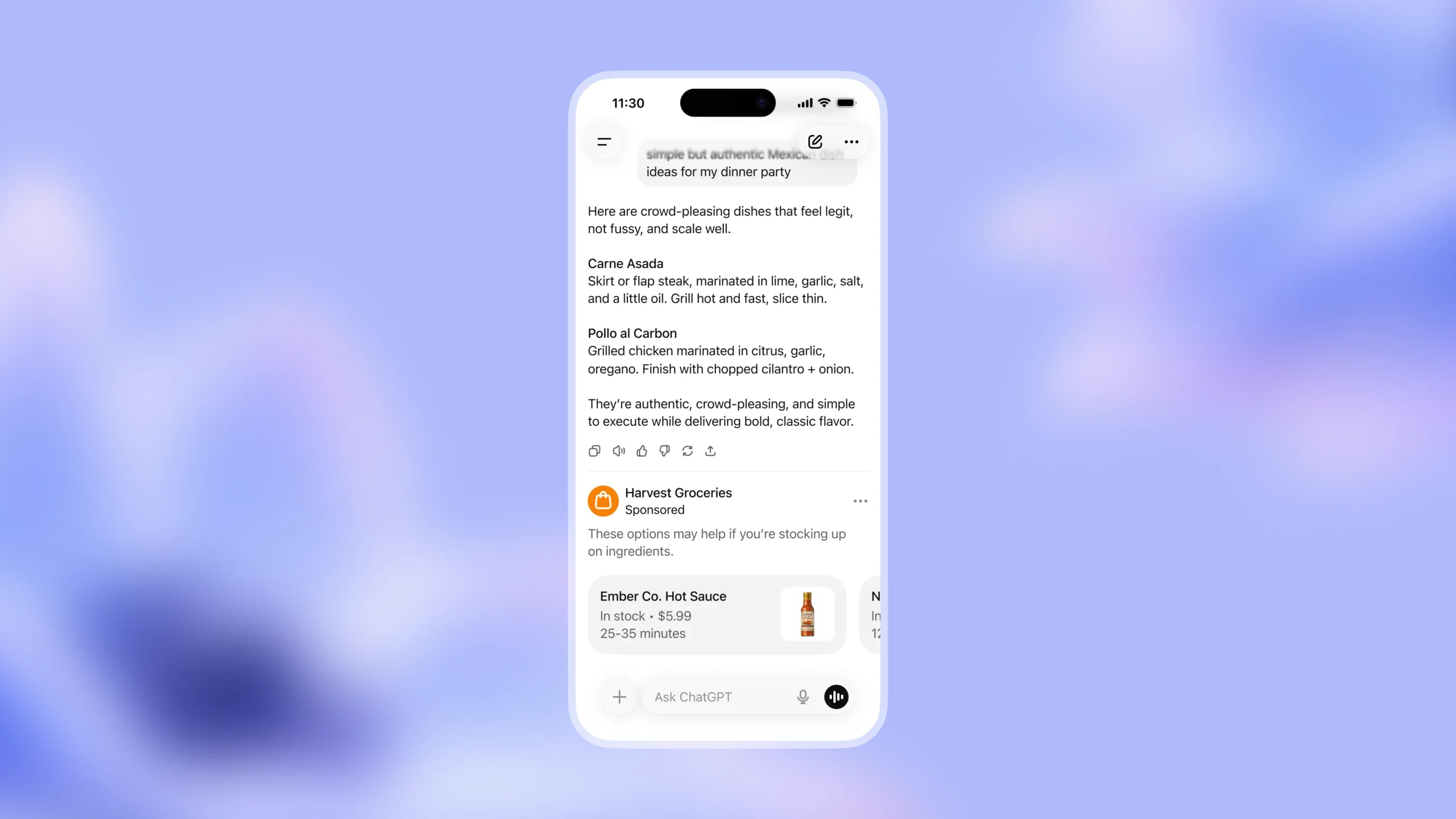
The landscape of digital advertising is on the cusp of a significant transformation with the confirmed introduction of advertising within ChatGPT. This development, announced by OpenAI, marks a pivotal moment for Pay-Per-Click (PPC) marketers, shifting the paradigm from traditional search and social placements to a new frontier of AI-generated content. As user journeys increasingly conclude within conversational AI interfaces, the opportunity for brands to establish visibility directly within these answers presents both unprecedented potential and unique challenges.
The Ascendancy of AI-Generated Answers and the Emergence of a New Advertising Frontier
For years, the core principle of paid media has been to follow user attention. This journey began with search engines, evolved into the dynamic world of social media platforms, and now, a new evolution is underway. An increasing number of users are finding their information needs met directly within AI-generated responses, bypassing traditional click-throughs to external websites. When individuals query platforms like ChatGPT for product recommendations, service comparisons, or expert advice, the generated answer itself is frequently becoming the final destination. This shift means that traditional metrics focused solely on click-through rates may need reevaluation in this new context.
OpenAI has officially confirmed its intention to integrate advertising into ChatGPT. For seasoned PPC professionals, this is not merely the addition of another advertising channel to explore. It represents a fundamentally different advertising surface, one that is intrinsically woven into the fabric of information discovery and decision-making. Early indicators of this impending shift bear a striking resemblance to the nascent stages of Facebook Ads, characterized by limited inventory, lower competition, and a critical period where foundational learning and strategic positioning held more sway than sheer scale. This early-mover advantage, as seen in previous platform launches, often rewards agility and insight.
OpenAI’s Official Stance on Advertising within ChatGPT
While speculation regarding "ChatGPT ads" has been rife, OpenAI has provided a clear and deliberate approach to their advertising strategy. According to OpenAI’s published stance on advertising and expanding access, the company aims to introduce advertising in a manner that supports product access while rigorously safeguarding the trust and integrity of the AI’s responses. This indicates a departure from conventional advertising models.
Crucially, OpenAI has emphasized that this will not be a banner-style advertising model, nor will it involve a pay-to-win system for ranking within AI-generated answers. The objective is to ensure that advertisements are seamlessly integrated, appearing as contextual recommendations rather than intrusive interruptions. This approach suggests a focus on relevance and user experience, aiming to enhance, rather than detract from, the conversational AI’s utility. The mockups provided by OpenAI illustrate this vision, showcasing ads that appear as natural extensions of the information being presented, rather than distinct, separate units.
Distinguishing ChatGPT Ads from Search and Social Advertising
A superficial comparison of ChatGPT ads to those on Google Search or paid social platforms would be a misstep. The fundamental nature of user intent and interaction within a conversational AI environment creates a unique set of characteristics that PPC teams must understand from the outset.
Unlike search engines where users explicitly expect advertisements to accompany their queries, or social media where users have grown accustomed to their presence, the user experience within ChatGPT is fundamentally different. Here, advertisements are likely to be perceived as an integral part of the answer itself. This distinction elevates the bar for relevance and strategic positioning. When an advertisement is interwoven into an AI-generated response, its potential impact, both positive and negative, is amplified. The challenge for advertisers will be to provide value and context that aligns with the user’s query and the AI’s generated information, fostering trust rather than skepticism.
The Facebook Ads Parallel: The Strategic Advantage of Early Adoption

The current anticipation surrounding ChatGPT ads evokes strong parallels with the early days of Facebook Ads. Marketers who navigated that initial phase recall a markedly different advertising ecosystem. Back then, inventory was scarce, competition was minimal, and early adopters enjoyed significantly lower costs per acquisition. The ability to experiment with targeting, creative formats, and bidding strategies without the pressure of established competition was a key differentiator.
ChatGPT ads are exhibiting similar early-stage characteristics. The limited availability, coupled with the novelty of the platform, creates an environment ripe for exploration. For PPC professionals who recall the Facebook Ads launch, the lessons learned are invaluable. Mastering the nuances of objectives, auction dynamics, and campaign optimization during these formative periods paid substantial dividends in the long run. As platforms mature and become saturated, the competitive advantage shifts from strategic insight and learning to sheer advertising spend. Early platforms, by contrast, reward experimentation, agile adaptation, and intelligent positioning. This window of opportunity, while fleeting, is where significant competitive advantages are forged.
Industries Poised for Early Success in the ChatGPT Ad Ecosystem
Not all industries will experience the same immediate benefits from the advent of ChatGPT advertising. The sectors most likely to see early returns share specific traits: a high degree of consideration in purchasing decisions, a reliance on trust for consumer choices, and a user base that is already accustomed to seeking guidance from AI.
Industries that are strong candidates for early adoption include:
- Financial Services: Consumers often seek advice on investments, loans, and insurance. ChatGPT can be a powerful tool for providing information and recommendations, with ads potentially guiding users toward specific financial products or advisory services.
- Healthcare and Pharmaceuticals: Patients frequently research symptoms, treatment options, and medication information. Ads integrated into these AI-driven answers could direct users to relevant healthcare providers, patient resources, or specific drug information, provided strict regulatory guidelines are met.
- E-commerce and Retail: Consumers use AI for product comparisons, gift ideas, and shopping advice. Advertisers in this space can leverage ChatGPT to present sponsored product recommendations or direct users to relevant online stores.
- Travel and Hospitality: Planning trips often involves extensive research into destinations, accommodations, and activities. ChatGPT can assist with these queries, and integrated ads could promote specific travel deals, hotels, or booking platforms.
- Automotive: Researching car models, features, and pricing is a complex process. AI-generated answers can provide valuable information, and ads could direct users to dealership websites or specific vehicle configurations.
- Technology and Software: Users often seek recommendations for software, hardware, and tech solutions. ChatGPT can offer comparisons and reviews, with ads potentially highlighting specific products or subscription services.
These sectors consistently generate significant AI query volume related to comparisons, recommendations, and "best option" scenarios. When advertisements are strategically placed within these AI-generated answers, the journey from user intent to potential conversion is significantly shortened.
Proactive Strategies for PPC Marketers in the Pre-Launch Phase
Even before advertising becomes widely accessible on ChatGPT, PPC teams can and should begin laying the groundwork for this new era. Proactive preparation is key to capitalizing on the initial opportunities.
Practical steps that marketers can implement immediately include:
- Deepen Understanding of AI Query Behavior: Analyze existing search query data for patterns that indicate users are seeking AI-like answers. This includes queries related to "how-to," "best," "compare," and "recommendations." Understanding the language and intent behind these queries will be crucial for crafting relevant ad copy.
- Develop Comprehensive Brand Narratives: Instead of focusing solely on product features, brands need to articulate their value proposition and expertise in a way that aligns with informative AI responses. This involves creating content that answers common questions and positions the brand as a trusted authority.
- Explore Contextual Relevance: Begin thinking about how brand messaging can be contextually relevant to a wide range of potential AI-generated answers. This requires a broader understanding of user needs and the information landscape surrounding a brand’s offerings.
- Monitor OpenAI’s Communications Closely: Stay informed about official announcements, beta program invitations, and any published guidelines from OpenAI regarding advertising. Early access and beta testing will be critical for gaining initial insights.
- Prepare for a Shift in Measurement: Begin to consider how success will be measured beyond traditional click-through rates. Metrics related to brand perception, answer engagement, and downstream conversion paths will likely become more important.
The most significant shift is a mindset adjustment. This is not about chasing clicks in the traditional sense. It is about influencing how a brand’s identity and value are perceived and framed when an AI system is explaining a particular category or providing a solution to a user’s problem.
Unanswered Questions and the Normality of Early-Stage Uncertainty
As with any groundbreaking platform launch, a degree of uncertainty is inherent. Several key questions remain unanswered:

- Specific Ad Formats: While OpenAI has indicated that it won’t be traditional banner ads, the exact visual and interactive formats of these advertisements are yet to be fully detailed. Will they be text-based suggestions, integrated product cards, or something entirely new?
- Auction Mechanics and Bidding Strategies: The intricacies of how ad auctions will function, including bidding strategies, budget allocation, and targeting parameters, are still unknown. Will it be a cost-per-click (CPC), cost-per-impression (CPM), or a novel model?
- Targeting Capabilities: The sophistication of targeting options is a critical unknown. Will advertisers be able to target based on the specific query, the user’s inferred intent, or broader demographic and psychographic profiles?
- Measurement and Attribution: How will the effectiveness of these ads be measured and attributed? Will there be robust tracking mechanisms, and how will they integrate with existing analytics platforms?
- Content Moderation and Policy: The policies governing ad content and AI response integration will be crucial for maintaining user trust and ensuring a safe advertising environment.
This uncertainty is not a red flag but rather a characteristic of every emerging advertising surface. The brands and teams that will ultimately benefit the most are those willing to embrace learning and experimentation in the absence of fully standardized practices.
Projected Rollout of ChatGPT Advertising Access
Based on OpenAI’s stated approach and historical patterns of platform launches, it is highly probable that access to ChatGPT advertising will be gradual and controlled, rather than an immediate, open-for-all release.
The rollout is expected to follow these stages:
- Invite-Only Beta Programs: Initial access will likely be granted to a select group of advertisers through invitation-only beta programs. This allows OpenAI to gather feedback, refine the platform, and identify any critical issues before a wider release.
- Phased Expansion to Waitlist Participants: Following the beta phase, access will likely expand to advertisers who have joined official waitlists. This phased approach helps manage server load and ensures a smoother integration process.
- Gradual Rollout to Broader Advertiser Base: As the platform stabilizes and best practices emerge, OpenAI will likely open access to a larger segment of advertisers, potentially tiered by ad spend or account standing.
- Public Availability: Eventually, the advertising features are expected to become publicly available to a wide range of businesses, similar to the current model for major ad platforms.
Given this anticipated phased rollout, many advertisers are proactively joining early access lists. These lists serve as crucial channels for receiving timely updates, notifications about testing opportunities, and access to emerging best practices. Independent tracking and monitoring tools are also establishing waitlists specifically for brands eager to gain early visibility into ChatGPT ad rollouts and develop effective strategies as the ecosystem evolves. Resources like https://llmlisted.com/chatgpt-ads/ are providing such centralized information hubs.
The Inevitable Evolution: A Call to Action for Serious PPC Teams
AI-generated answers are rapidly becoming the definitive endpoint for a significant portion of user journeys across the internet. As this trend solidifies, the natural progression is for advertising to follow suit. ChatGPT ads are not expected to supplant search or social advertising overnight, but they will undeniably reshape the dynamics of paid visibility at the top of the marketing funnel.
For PPC professionals, the opportunity extends beyond merely running advertisements. It encompasses a more profound role: helping brands understand how they are represented and perceived within the context of AI-driven responses. This is about shaping narratives and ensuring brand integrity in an evolving digital landscape.
Those who engage with this new frontier early will have the distinct advantage of influencing its norms and best practices. Conversely, those who adopt a wait-and-see approach risk inheriting a landscape that has already been shaped by others, potentially missing out on crucial early-mover advantages.
To effectively navigate this transformative period, staying informed about early ChatGPT ad updates and joining relevant waitlists is a prudent and essential first step. The evolution of this space will be rapid, and proactive engagement will be the key to success.










