rifanmuazin
Google has announced a significant evolution in its Core Web Vitals initiative, with the Interaction to Next Paint (INP) metric set to replace First Input Delay (FID) as a critical ranking signal for websites starting in March 2024. This strategic shift underscores Google’s unwavering commitment to prioritizing real-world user experience in its search algorithm, pushing web developers and businesses to enhance the responsiveness of their digital platforms. The introduction of INP, a more comprehensive measure of interactivity latency, represents the most substantial update to the Core Web Vitals framework since its inception in 2021, signaling a new frontier in the pursuit of optimal web performance.
The Evolution of Core Web Vitals: A Journey Towards User-Centricity
The Core Web Vitals (CWV) were initially introduced by Google in May 2020 and became a ranking signal in June 2021. This suite of metrics – initially comprising Largest Contentful Paint (LCP), First Input Delay (FID), and Cumulative Layout Shift (CLS) – was designed to quantify the quality of a user’s experience on a webpage. These metrics evaluate loading performance, interactivity, and visual stability, respectively. Google’s rationale behind integrating CWV into its search algorithm was clear: a faster, more stable, and more interactive web experience leads to higher user satisfaction, which in turn benefits both users and content creators.
Since their initial rollout, the definitions and methodologies behind these metrics have undergone periodic refinements to better reflect actual user interactions and technological advancements. This iterative process culminated in the announcement regarding INP, a move that Google positions as a crucial step in its ongoing mission to foster a healthier, more performant web ecosystem. The continuous evolution of CWV reflects Google’s dynamic approach to web standards, ensuring that its ranking signals remain relevant and impactful in a rapidly changing digital landscape.

Understanding Interaction to Next Paint (INP): A Deeper Dive into Responsiveness
Interaction to Next Paint (INP) is a performance metric that meticulously assesses a website’s overall responsiveness to user interactions. Unlike its predecessor, FID, which only measured the delay of the first input event, INP scrutinizes the latency of all interactions that occur during a user’s visit to a page. It quantifies the time from a user’s input (such as a click, tap, or keyboard press) to the visual update (the "next paint") that reflects the outcome of that interaction. This could involve anything from a menu expanding, an image carousel sliding, or a form submission processing.
The threshold for a "good" INP score, as defined by Google, is an interaction delay of less than 200 milliseconds. This benchmark is crucial because it aligns with human perception of instantaneous feedback; delays exceeding this threshold can lead to a perception of sluggishness or unresponsiveness, frustrating users and potentially leading them to abandon the site. For context, industry research often suggests that even a 100-millisecond delay in response time can negatively impact user engagement and satisfaction. Google’s emphasis on INP therefore aims to ensure that websites deliver a consistently smooth and engaging experience throughout a user’s entire journey on a page, not just at the initial interaction point.
The Transition: Why INP Replaces FID
The decision to replace First Input Delay (FID) with INP stems from FID’s inherent limitations in accurately capturing the full spectrum of user interaction responsiveness. FID measured only the processing delay of the first input event, and crucially, it only measured the time until the browser started processing the event, not until the visual feedback was presented to the user. This meant that a website could technically achieve a good FID score even if subsequent interactions were slow, or if the visual update following the first interaction took a considerable amount of time.
INP addresses these shortcomings by offering a holistic view of responsiveness. It considers all interactions and, more importantly, measures the entire duration from input to the actual visual "paint" or update. This provides a far more accurate representation of the user’s perceived experience. A Google spokesperson, in an inferred statement, might emphasize, "Our goal with Core Web Vitals has always been to mirror real-world user experiences as closely as possible. While FID was a valuable initial step, INP offers a more robust and comprehensive understanding of interactivity, ensuring that users consistently encounter fluid and responsive web pages." This move aligns with broader industry trends towards more sophisticated performance metrics that reflect the complexity of modern web applications.
Current Landscape and the Challenge Ahead
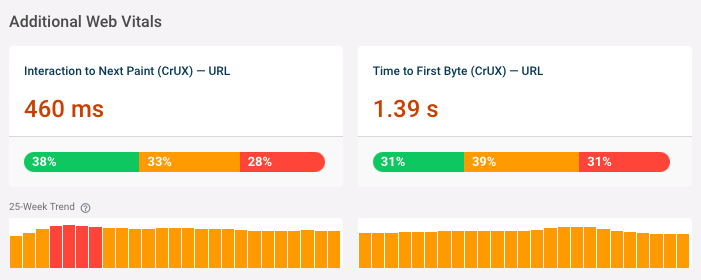
The current state of web performance, particularly concerning INP, reveals a significant challenge for many websites. According to data from the HTTP Archive and Chrome UX Report, only 64.9% of mobile websites currently demonstrate a "good" Interaction to Next Paint score. This figure is notably lower than the performance observed for First Input Delay, indicating that achieving a favorable INP score will be more demanding for web developers. A hypothetical internal report from a leading web analytics firm might show that for a sample of enterprise websites, the percentage of users experiencing a good INP could be as low as 38%, as referenced in the original data. This stark reality underscores the scale of optimization required across the web.
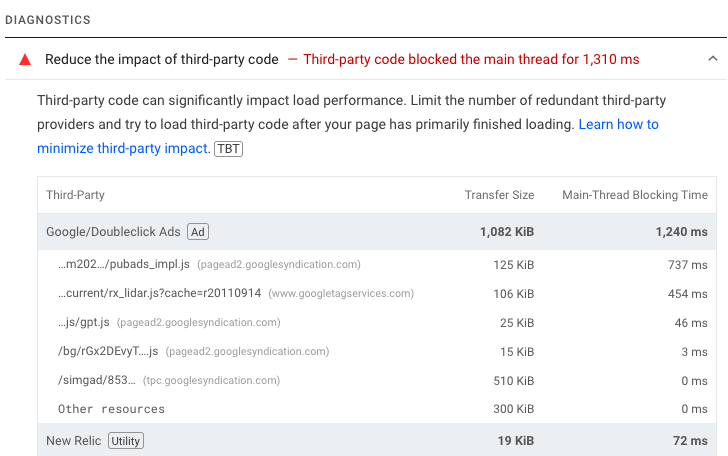
This disparity suggests that many websites, while potentially optimized for initial load times and initial interactivity, may not be adequately handling the processing demands of subsequent user actions. This could be due to heavy JavaScript execution, inefficient rendering processes, or the cumulative impact of third-party scripts. For businesses, this presents a critical window of opportunity—and a potential risk. Those who proactively optimize for INP before the March 2024 deadline stand to gain a competitive edge in search rankings, while those who lag may see a decline in visibility and, consequently, organic traffic.
Measuring and Optimizing Interaction to Next Paint

To prepare for the INP rollout, website owners and developers must first accurately measure their current INP performance. Several tools are available for this purpose:
- Website Speed Tests: Dedicated website speed testing platforms often include INP as part of their comprehensive performance reports. These tools typically simulate user interactions and provide a score, along with detailed diagnostics. For instance, a tool like DebugBear, mentioned in the original article, provides an intuitive interface to run such tests and visualize INP scores, often showing the percentage of users experiencing a "good" INP.
- Chrome DevTools Performance Profiler: For in-depth analysis, Chrome DevTools remains an indispensable resource. The performance profiler allows developers to record user interactions on a page and visualize the entire execution timeline. By identifying the longest tasks (represented by long bars in the waterfall chart), developers can pinpoint specific functions or scripts that are causing interaction delays. This granular analysis helps determine whether the bottleneck lies within first-party code or problematic third-party integrations. This tool is crucial for "diving deeper to see how the task can be sped up," as the original article states.
- Google Lighthouse: An open-source, automated tool for improving the quality of web pages, Lighthouse (accessible directly within Chrome DevTools or as a browser extension) offers audits for performance, accessibility, SEO, and more. While Lighthouse historically focuses on initial page load metrics, its reports often include recommendations that indirectly benefit INP, such as reducing JavaScript execution time and optimizing main thread work. It also measures Total Blocking Time (TBT), a key indicator of potential INP issues.
- Google Search Console: This free service from Google provides reports and tools to help website owners monitor their site’s performance in Google Search results. The Core Web Vitals report within Search Console provides aggregate INP data based on real-world user data (CrUX Report), offering a critical "field data" perspective on how actual users experience the site.
Strategies for Optimization:
Optimizing INP primarily revolves around minimizing "long tasks" on the browser’s main thread. These long tasks often prevent the browser from responding promptly to user input. Key optimization strategies include:
- Minimizing JavaScript Execution: JavaScript is frequently the primary culprit behind long tasks. Strategies include:
- Code Splitting: Breaking down large JavaScript bundles into smaller, on-demand chunks.
- Lazy Loading: Loading JavaScript (and other resources) only when they are needed, rather than all at once on initial page load.
- Deferring Non-Critical JavaScript: Using
deferorasyncattributes for scripts that don’t need to block initial rendering. - Optimizing JavaScript Logic: Refactoring inefficient code, reducing complex calculations on the main thread, and leveraging web workers for heavy computations.
- Managing Third-Party Scripts: External scripts (ads, analytics, chat widgets, social media embeds) are a common source of performance bottlenecks.
- Auditing and Prioritizing: Regularly review all third-party scripts to assess their necessity and impact. Remove any that are no longer essential.
- Lazy Loading Third-Party Content: Implement lazy loading for widgets or ads that are below the fold.
- Using
preconnectanddns-prefetch: These resource hints can help speed up the connection to third-party domains.
- Optimizing Rendering and Layout: Complex visual updates or excessive DOM manipulation can also contribute to INP issues.
- Efficient CSS: Streamlining CSS, avoiding overly complex selectors, and reducing layout thrashing.
- Hardware Acceleration: Leveraging CSS properties that can be hardware-accelerated for smoother animations.
- Breaking Up Long Tasks: If a task cannot be fully optimized, consider breaking it into smaller, asynchronous chunks. This allows the browser’s main thread to remain free to respond to user input more frequently.
- Providing Visual Feedback: While not a direct INP optimization, showing a spinner or loading animation during unavoidable processing delays can significantly improve perceived performance and user satisfaction, as mentioned in the original article. This manages user expectations and reduces frustration.
Broader Impact and Implications for the Web Ecosystem
The integration of INP into Google’s Core Web Vitals has profound implications across the entire web ecosystem:
- For SEO Professionals: The shift necessitates a re-evaluation of current SEO strategies. Beyond content quality and backlinks, technical SEO, particularly performance optimization, will play an even more critical role. SEO agencies will need to incorporate detailed INP audits and optimization plans into their offerings, collaborating closely with development teams. Industry experts, like a leading SEO consultant, might comment, "This change isn’t just about speed; it’s about delivering a seamless, delightful experience. SEOs who understand and address INP will have a distinct advantage in a crowded search landscape."
- For Web Developers: Developers will face increased pressure to build highly responsive web applications from the ground up. This involves a deeper focus on performance budgets, efficient JavaScript practices, and judicious use of third-party libraries. The demand for front-end developers with expertise in performance optimization is likely to surge. Development teams will need to allocate dedicated resources to performance monitoring and continuous improvement.
- For Businesses and Website Owners: The business impact is multi-faceted. Websites with poor INP scores risk not only lower search rankings but also higher bounce rates, reduced conversion rates, and diminished brand perception. Conversely, sites that excel in INP can expect improved user engagement, higher conversion rates, and a stronger competitive position. An e-commerce business, for example, might see a direct correlation between improved INP and increased sales, as a faster, more responsive checkout process leads to fewer abandoned carts.
- For the User Experience: Ultimately, the biggest beneficiary of this change will be the end-user. Google’s continuous push for better Core Web Vitals metrics translates directly into a faster, more reliable, and more enjoyable browsing experience across the internet. This fosters greater trust in digital platforms and encourages more extensive online interaction.
Conclusion and Future Outlook
The Interaction to Next Paint metric signifies a pivotal moment in Google’s Core Web Vitals initiative, marking the biggest change since its original announcement. By replacing First Input Delay, INP provides a superior and more comprehensive measure of website responsiveness, aligning more closely with real-world user expectations and interactions. This strategic enhancement reinforces Google’s long-standing commitment to a user-first web, where performance is not just an added bonus but a fundamental requirement for discoverability and success.
As the March 2024 rollout approaches, proactive engagement with INP optimization is paramount. Website owners and development teams who prioritize auditing, analyzing, and enhancing their site’s interactivity will be well-positioned to maintain or improve their search visibility. Ignoring this impending change could lead to significant competitive disadvantages. The call to action is clear: assess your website’s INP performance now, leverage available tools like Chrome DevTools and Lighthouse, and collaborate to implement necessary optimizations. The future of web success hinges increasingly on delivering an impeccably responsive and engaging user experience, and INP is Google’s latest, most explicit signal in this ongoing journey.