
 rifanmuazin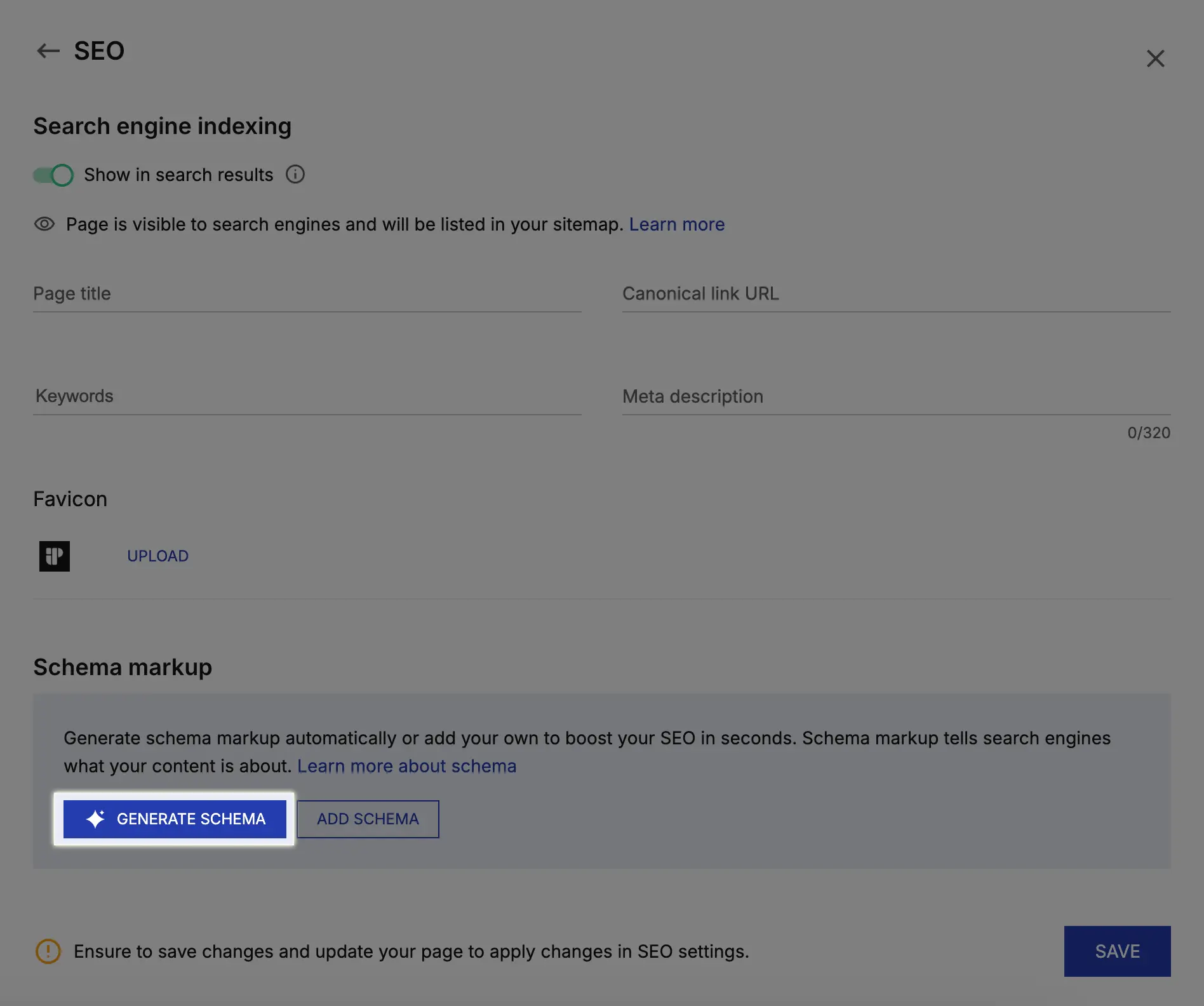
In an era where digital marketing budgets are under increasing scrutiny and the search landscape is being fundamentally reshaped by artificial intelligence, Instapage has announced the launch of its new AI-powered Schema Markup feature. This development represents a significant shift in how landing page platforms approach search engine optimization (SEO), moving beyond traditional on-page elements like meta tags and load speeds toward the integration of structured data. By allowing marketers to generate, validate, and publish JSON-LD schema directly from their page settings without the intervention of web developers, the platform aims to democratize access to advanced technical SEO, ensuring that brands of all sizes can remain visible in both traditional search engine results and the burgeoning ecosystem of AI-driven answer engines.
The introduction of this tool comes at a critical juncture for the digital advertising industry. As organic search evolves into "Generative Engine Optimization" (GEO), the systems that power Google’s Search Generative Experience (SGE), Perplexity, and OpenAI’s SearchGPT require more than just readable text to index information accurately. They require structured signals—standardized code that explicitly defines the entities on a page, such as products, prices, authors, and events. Instapage’s new feature addresses this requirement by automating the creation of these signals, effectively closing the gap between high-quality content and technical discoverability.
The Evolution of Structured Data and the Rise of AI Search
To understand the significance of Instapage’s latest update, it is necessary to examine the evolution of structured data. In 2011, the world’s major search engines—Google, Bing, Yahoo!, and Yandex—collaborated to create Schema.org. The goal was to establish a universal vocabulary for structured data on the web. For over a decade, schema markup remained a powerful but often neglected tool, primarily due to the technical barriers involved in its implementation. Traditionally, adding schema required a deep understanding of JSON-LD (JavaScript Object Notation for Linked Data) and direct access to a website’s source code, often necessitating a back-and-forth between marketing teams and technical departments.
However, the landscape changed dramatically with the 2023-2024 explosion of Large Language Models (LLMs). These AI systems do not just "crawl" the web; they attempt to "understand" the relationships between data points. Structured data provides the scaffolding for this understanding. When a brand uses schema to identify a "Product" or an "FAQ," it is essentially feeding the AI a pre-verified set of facts, reducing the likelihood of hallucinations and increasing the chances of the brand being cited as a primary source in AI-generated answers. Instapage’s move to integrate an AI generator for this specific purpose reflects a broader industry trend toward "low-code" or "no-code" technical SEO.
Technical Specifications and Workflow of the New Feature
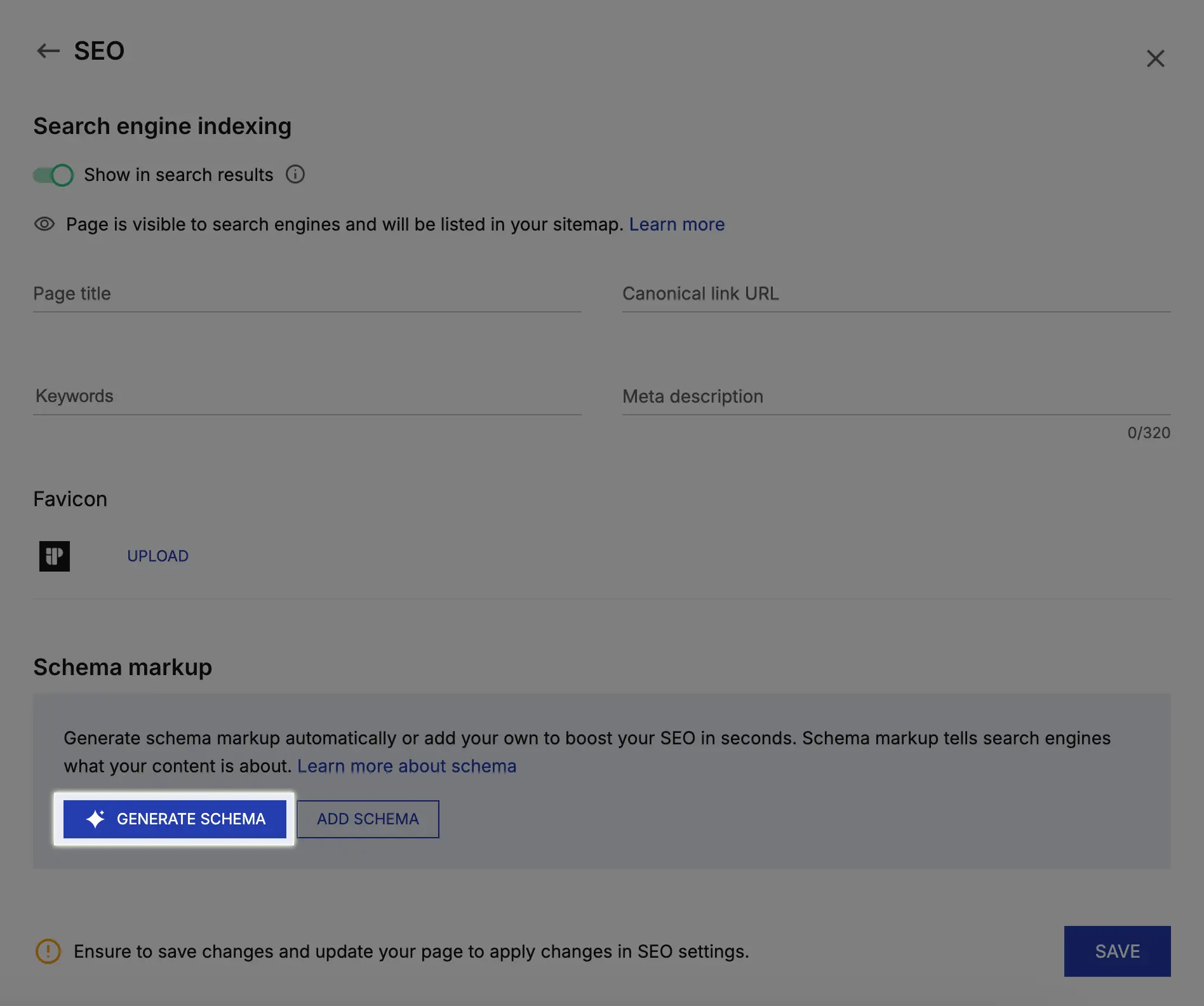
The Schema Markup feature within the Instapage platform is designed to streamline a process that previously took hours into a workflow that lasts less than five minutes. The system operates through a dedicated SEO settings panel where users can choose from various schema types, including Organization, Person, Product, LocalBusiness, Event, and FAQPage.
One of the more sophisticated elements of the update is the "Auto-detect" option. This feature utilizes Instapage’s internal AI to analyze the existing content of a landing page and suggest the most appropriate schema types. Once a type is selected, the AI generates the corresponding JSON-LD code. To ensure accuracy and compliance with search engine standards, the platform includes a built-in validation step. This allows users to verify the code before it is live, preventing the "broken code" errors that can often lead to a page being de-indexed or penalized by search algorithms.

For power users and technical SEO specialists who require granular control, Instapage has maintained a manual entry option. This allows for the customization of complex schema hierarchies that might fall outside the standard templates, providing a hybrid approach that caters to both novice marketers and veteran developers.
Industry Data: The Impact of Schema on Performance
The push for better schema implementation is supported by a growing body of industry data. According to various SEO performance audits conducted by firms like Search Engine Journal and Backlinko, pages with properly implemented structured data can see a click-through rate (CTR) increase of up to 30% compared to those without. This is largely due to the "Rich Results" that schema enables, such as star ratings, price ranges, and event dates, which make a search listing more visually prominent and informative.
Furthermore, a 2023 report on digital marketing trends indicated that as much as 40% of search queries now result in a "zero-click" search, where the user finds the answer directly on the search results page. In such a scenario, being the source of that information is vital for brand authority. By providing structured data, Instapage users are more likely to be featured in these prominent positions.
The shift is also reflected in corporate spending. Gartner’s 2024 State of Marketing report suggests that CMOs are increasingly pivoting budgets away from expensive, low-return paid search keywords toward organic infrastructure and "brand-owned" visibility. Tools that automate technical SEO provide a high return on investment (ROI) by reducing the labor costs associated with manual site maintenance.
Strategic Implications for Different Business Models
The versatility of the Schema Markup tool allows it to serve a wide array of business objectives. The impact is particularly pronounced in several key sectors:
- E-commerce and Product Marketing: By utilizing the "Product" schema, retailers can ensure that their landing pages display real-time availability, pricing, and review summaries directly in search results. This reduces friction in the buyer’s journey, as consumers receive critical information before they even click the link.
- Local Services: For businesses operating in specific geographic areas, the "LocalBusiness" schema is indispensable. It provides search engines with precise coordinates, operating hours, and service areas, which is essential for appearing in "near me" searches and map-based results.
- Thought Leadership and Personal Branding: The "Person" and "Organization" schemas allow consultants and executives to link their landing pages to their broader digital footprint, establishing the "Expertise, Authoritativeness, and Trustworthiness" (E-E-A-T) that Google’s quality raters prioritize.
- Lead Generation and Events: By using the "Event" schema, marketers can have their webinars, workshops, or product launches appear in specialized search snippets that include dates and registration links, significantly boosting attendance rates.
Timeline of Implementation and Future Outlook
The rollout of the Schema Markup feature is immediate, with the tool now available across all Instapage subscription tiers. This launch follows a series of updates by the company aimed at integrating AI into the creative and technical aspects of landing page construction.
- Q4 2023: Instapage introduced AI-driven text generation to assist in copywriting.
- Q1 2024: The platform enhanced its page speed optimization tools to meet Google’s Core Web Vitals requirements.
- Q2 2024: The official launch of the AI Schema Markup generator and validator.
Looking forward, the integration of structured data is expected to become a standard requirement for all Content Management Systems (CMS) and landing page builders. Industry analysts suggest that we are entering an era of "The Semantic Web 2.0," where the value of a webpage is determined as much by its machine-readability as by its human-readability.
Analysis: Democratizing the Technical Edge
From a strategic perspective, Instapage’s decision to include these tools highlights a growing realization in the SaaS industry: the "technical edge" is evaporating. Features that were once the exclusive domain of high-priced SEO agencies are now being baked into the software itself. This democratization levels the playing field, allowing a small business with a modest budget to compete for the same high-value search placements as a multinational corporation.
However, this also raises the stakes. As schema markup becomes easier to implement, it will no longer be a competitive advantage to have it; rather, it will be a competitive disadvantage to not have it. Brands that fail to adopt these structured signals risk becoming "invisible" to the AI systems that are increasingly acting as the gatekeepers of information.
The launch of the Schema Markup feature is a clear signal that Instapage is positioning itself not just as a design tool, but as a comprehensive growth platform. By removing the friction between marketing intent and technical execution, the platform is enabling users to focus on strategy and conversion, while the AI handles the complex requirements of the modern search ecosystem.
Official Responses and Accessibility
While Instapage has not released formal statements from third-party partners, the initial reaction from the digital marketing community has been focused on the time-saving aspects of the tool. Marketing managers have noted that the "no-developer" requirement is the most significant benefit, as it removes a common bottleneck in the deployment of high-performance landing pages.
Instapage has confirmed that the feature is available for testing through their standard 14-day free trial, allowing potential users to evaluate the impact of structured data on their own search rankings before committing to a plan. As the industry continues to monitor the impact of AI on organic traffic, tools like the Schema Markup generator will likely become essential components of the modern marketer’s toolkit.








