Laily UPN
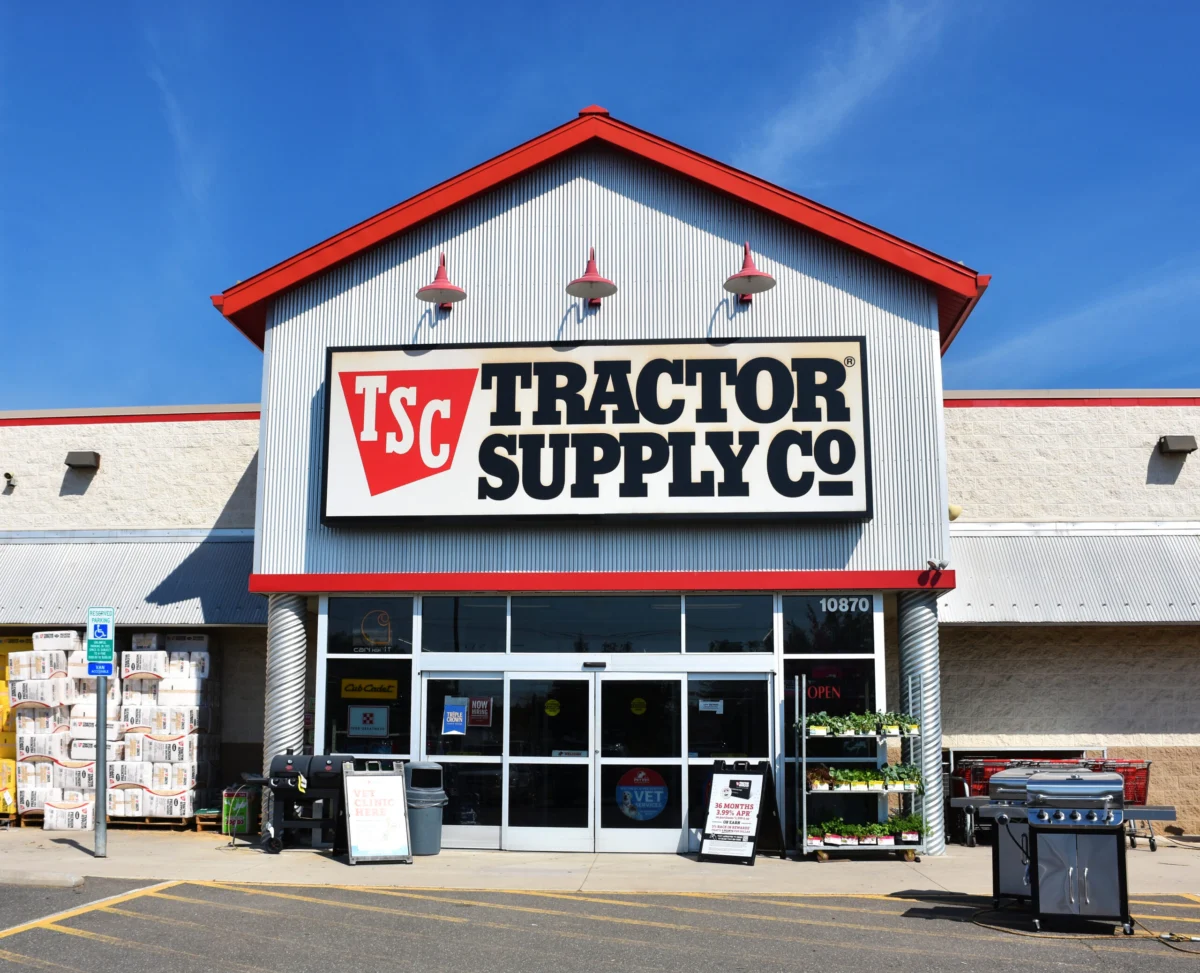
Tractor Supply Company, a leading rural lifestyle retailer, has announced a significant expansion of its delivery capabilities through a nationwide partnership with Uber. This collaboration, unveiled on November 12, will make a wide array of Tractor Supply products accessible for on-demand delivery via the Uber, Uber Eats, and Postmates applications. This strategic move aims to leverage Uber’s extensive delivery network to reach customers in rural, exurban, and suburban communities, areas often underserved by traditional urban-centric delivery models.
The partnership allows customers to order essential items such as pet food, animal care products, lawn and garden supplies, tools, and outdoor gear for rapid delivery. As of September 26, Tractor Supply operated a vast network of 2,486 stores across 49 states, complemented by 135 Petsense by Tractor Supply stores. It is important to note that this delivery initiative specifically pertains to Tractor Supply’s main retail locations, not the Petsense banner. This expansion signifies a commitment by Tractor Supply to enhance customer convenience and broaden its reach beyond its physical store footprint.
Tractor Supply’s established presence in the digital commerce landscape is underscored by its ranking. The company is positioned at No. 83 in the Digital Commerce 360 Top 1000 Database, a comprehensive tracker of North America’s largest online retailers, evaluated by annual e-commerce sales and other key metrics. Furthermore, Tractor Supply holds the No. 225 spot in the Digital Commerce 360 and ReFiBuy AI Commerce Rankings, highlighting its engagement with artificial intelligence in its digital operations.
Expanding Delivery Horizons: Reaching Beyond Metropolitan Hubs
The core of Uber’s strategic appeal in this partnership lies in geography. Tractor Supply’s store locations are predominantly situated in rural, exurban, and suburban areas, presenting Uber with a unique opportunity to extend its on-demand delivery services into markets beyond the typical urban core. This aligns with Uber’s broader strategy to diversify its offerings and tap into new customer segments.
"The need for convenience doesn’t stop at the city limits," stated Nathan Bernheim, Uber’s Head of Retail Partnerships, in the official announcement. This sentiment underscores the mutual recognition of an unmet demand for immediate access to goods in communities where traditional delivery options may be limited.
Matthew Rubin, Tractor Supply’s Senior Vice President and President of Digital and E-commerce, articulated the dual benefits of this collaboration. He emphasized that the deal not only provides existing customers with more convenient shopping avenues but also introduces the retailer to "millions of Uber users" who may not have previously encountered or shopped at Tractor Supply. Rubin further elaborated, "Tractor Supply is continually finding new ways to serve customers and make Life Out Here more convenient." This phrase, "Life Out Here," is a core tenet of Tractor Supply’s brand identity, resonating with its customer base that embraces an outdoor and rural lifestyle.
The process for customers to utilize this new service is designed to be straightforward. Shoppers can initiate an order by searching for Tractor Supply within the Uber, Uber Eats, or Postmates app, or by navigating to the dedicated "Retail" section. Once a preferred store is selected, customers can build their virtual cart, choose a delivery option that suits their needs, and then track their order’s progress directly within the app.
To celebrate the launch of this nationwide partnership, Uber is offering an introductory promotion: customers can receive $20 off Tractor Supply orders totaling $60 or more. Standard fees and terms apply to this offer. While the announcement did not specify exact delivery speeds or associated fees, the emphasis on "on-demand" suggests a focus on rapid fulfillment, a hallmark of Uber’s delivery services.
A Growing Ecosystem of Delivery Partners
The collaboration with Uber marks the second major delivery platform addition for Tractor Supply this year. In July, the company announced its integration with Instacart Marketplace, a direct competitor to Uber. At the time of that announcement, representatives from both Tractor Supply and Instacart echoed similar sentiments regarding the expansion of same-day delivery services to rural customers and the potential to introduce Tractor Supply to a new demographic of shoppers.
This strategic move also builds upon an existing, long-standing delivery partnership with DoorDash, which has been in place since 2022. The increasing number of partnerships signals a broader trend within the delivery market, characterized by consolidation and strategic alliances.
A significant development in the delivery landscape occurred on October 29, when DoorDash announced its intention to acquire Instacart in a transaction valued at approximately $17 billion. This acquisition is subject to regulatory approval and ratification by Instacart shareholders, with an expected closing date around late 2027 or the first half of 2028. Until the deal is finalized, Instacart will continue to operate as an independent entity. DoorDash has indicated plans to maintain the Instacart brand, its app, and its enterprise technology products post-acquisition, suggesting a strategy of integrating rather than absorbing the acquired platform entirely. This consolidation could have far-reaching implications for the competitive dynamics within the on-demand delivery sector.
Fortifying Internal Logistics: The ‘Final Mile’ Network
The partnership with Uber is not an isolated event but rather an extension of Tractor Supply’s ongoing investment in its own robust delivery infrastructure. Over the past eighteen months, the retailer has been actively expanding its store-based delivery network. CEO Hal Lawton highlighted in September that Tractor Supply has offered in-store delivery for approximately five to six years, encompassing both same-day and two-to-three-day delivery options.
The company has developed a sophisticated "Final Mile" system. This innovative approach links groups of three to four stores in a hub-and-spoke arrangement, where one central store effectively serves the delivery needs of its surrounding four locations. This localized distribution model optimizes efficiency and reduces delivery times.
Evidence of the success of this strategy is substantial. Lawton reported that Tractor Supply completed as many last-mile deliveries in the first half of 2026 as it did throughout the entirety of 2025. This surge in delivery volume was a significant driver of digital sales growth, contributing to double-digit increases in fiscal Q2, even as comparable store sales experienced a slight decline of 1.5% during a challenging retail quarter. This demonstrates the growing importance of e-commerce and delivery services to Tractor Supply’s overall performance.
Complementing its delivery network expansion, Tractor Supply is also making substantial investments in its broader supply chain. In September, the company inaugurated its 11th distribution center in Nampa, Idaho. This expansive 865,000-square-foot facility is designed to efficiently support 123 stores across nine states during its initial operational year, with plans to scale its capacity to serve over 200 stores at its full potential. Such strategic infrastructure development is crucial for managing the increased volume and complexity associated with widespread on-demand delivery.
Strategic Implications and Future Outlook
The integration of Uber’s delivery services represents a calculated move by Tractor Supply to enhance its omnichannel strategy. By partnering with a leading on-demand delivery provider, Tractor Supply is not only meeting evolving consumer expectations for convenience but also strategically positioning itself to capture market share in a competitive retail environment. The ability to offer rapid delivery of essential items to a broad geographic area, particularly in underserved rural and suburban markets, provides a distinct competitive advantage.
The company’s commitment to building both an internal delivery network and collaborating with third-party logistics providers demonstrates a multi-faceted approach to logistics. This dual strategy allows for flexibility and scalability, enabling Tractor Supply to adapt to fluctuating demand and optimize delivery costs. The reported double-digit digital sales growth, fueled by in-store deliveries, suggests that these investments are yielding tangible results and are likely to continue to be a primary focus for the retailer.
The broader implications of this partnership extend to the entire rural lifestyle sector. As consumers increasingly seek the convenience of online shopping and rapid delivery, retailers that can effectively bridge the gap between physical stores and digital fulfillment are poised for significant growth. Tractor Supply’s proactive approach in this area, coupled with its strong brand loyalty among its core customer base, positions it well for sustained success in the evolving retail landscape. The expansion of Uber’s services into these less-served areas also signals a broader trend of delivery platforms seeking new avenues for growth and market penetration.
As the retail and logistics sectors continue to evolve, Tractor Supply’s strategic partnerships and investments in its supply chain infrastructure will be critical in maintaining its leadership position and adapting to the dynamic needs of its customers. The company’s ability to seamlessly integrate its vast product selection with efficient, on-demand delivery options underscores its commitment to making "Life Out Here" more accessible and convenient for all its customers.
Do you rank in our databases?
Submit your data and we’ll see where you fit in our next ranking update.
Sign up
Stay on top of the latest developments in the online retail industry. Sign up for a complimentary subscription to Digital Commerce 360 Retail News. Follow us on LinkedIn, TikTok, X (formerly Twitter), Facebook and YouTube. Be the first to know when Digital Commerce 360 publishes news content.
Favorite


 Evan Lee Salim
 Azzam Bilal Chamdy