Jia Lissa
The burgeoning world of print-on-demand (POD) offers artists unprecedented opportunities to monetize their creations without the burdens of inventory management or upfront manufacturing costs. Within this dynamic market, two prominent platforms, Etsy and Redbubble, consistently emerge as key players. This comprehensive analysis delves into a detailed comparison of Etsy and Redbubble, evaluating their strengths, weaknesses, and suitability for artists based on critical factors such as earnings potential, ease of use, audience reach, branding control, and fulfillment services. As of November 2026, Ecommerce-Platforms.com has extensively tested and reviewed these marketplaces, providing insights to help artists make informed decisions.
Etsy: The Reigning Champion for Earnings and Brand Building
Etsy, a global online marketplace for handmade and vintage items, has evolved to become a powerful platform for artists utilizing print-on-demand services. Its primary appeal lies in its vast, engaged customer base and the significant control it offers sellers over their brand and pricing. While Etsy incurs listing and transaction fees, the potential for higher profit margins per sale, coupled with the ability to cultivate a distinct brand identity, positions it as the preferred choice for many artists aiming for long-term business growth.
Redbubble: The Accessible Haven for Hands-Off Selling
Redbubble, on the other hand, champions a more streamlined, "hands-off" approach to selling art online. This platform is particularly attractive to artists who prioritize ease of entry and minimal operational overhead. With no upfront costs and a system where Redbubble handles production, shipping, and customer service, artists can focus solely on uploading their designs and setting their markup. However, this convenience often comes at the cost of reduced profit margins, especially for artists on lower-tier plans.
A Deeper Dive: Key Comparison Points
1. Fees and Earnings: Etsy Leads in Potential Profitability

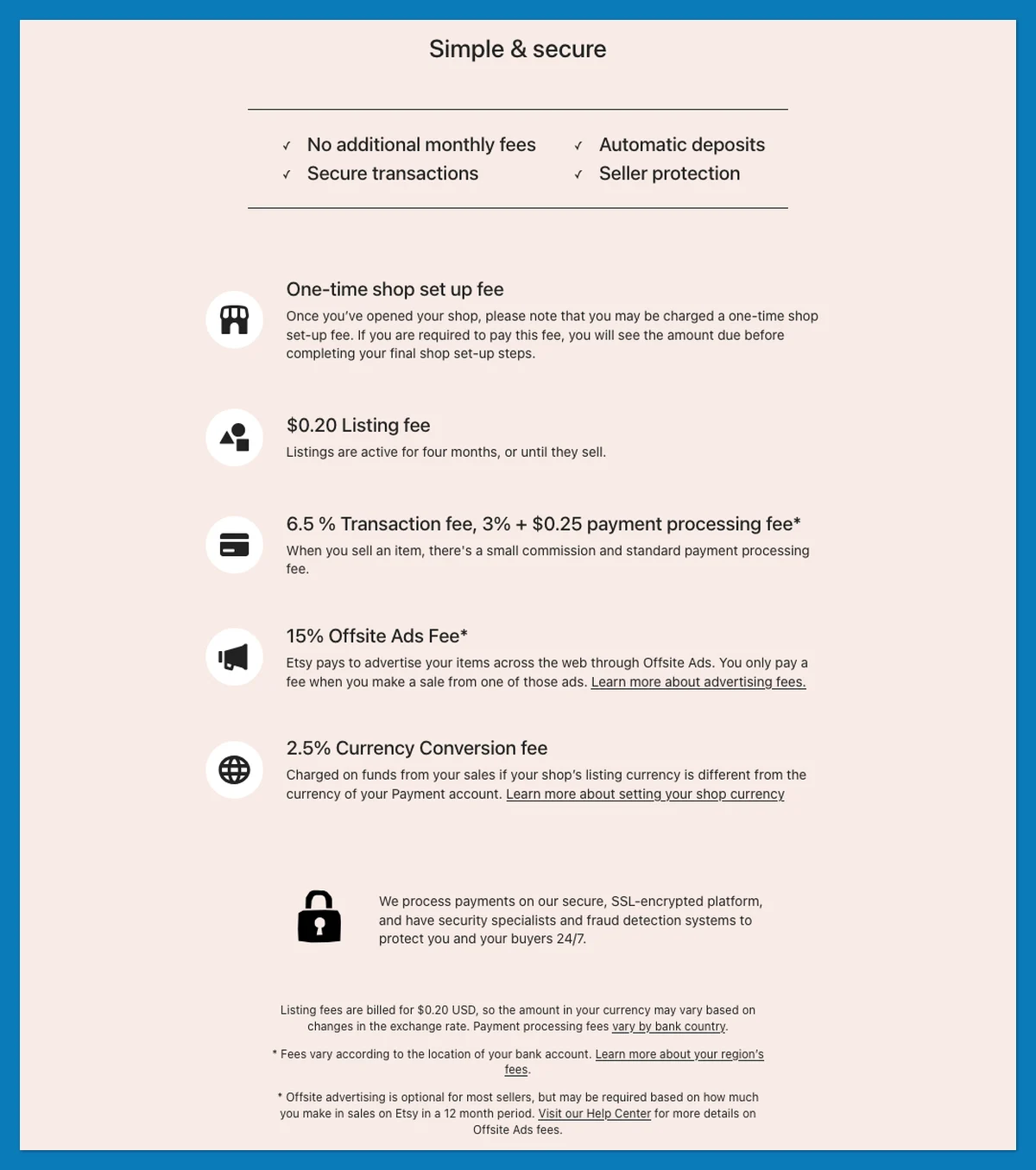
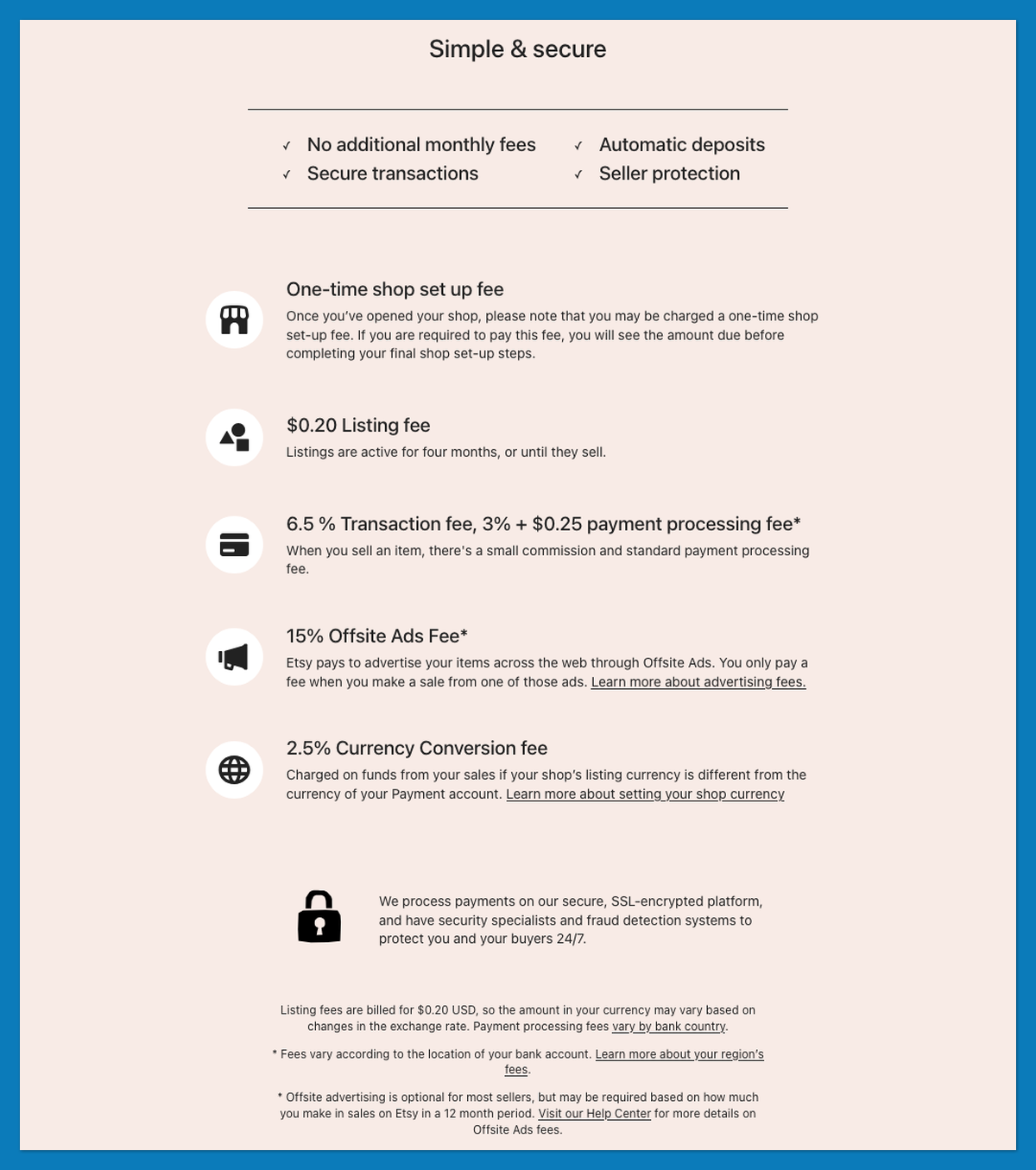
The financial implications of selling on each platform are a significant differentiator. Etsy operates on a fee structure that includes a listing fee ($0.20 per listing, lasting four months), a transaction fee (6.5% of the item price, shipping, and gift wrap), and a payment processing fee (3% + $0.25 in the US). Additionally, Offsite Ads can incur fees of 15% or 12% depending on annual sales volume.
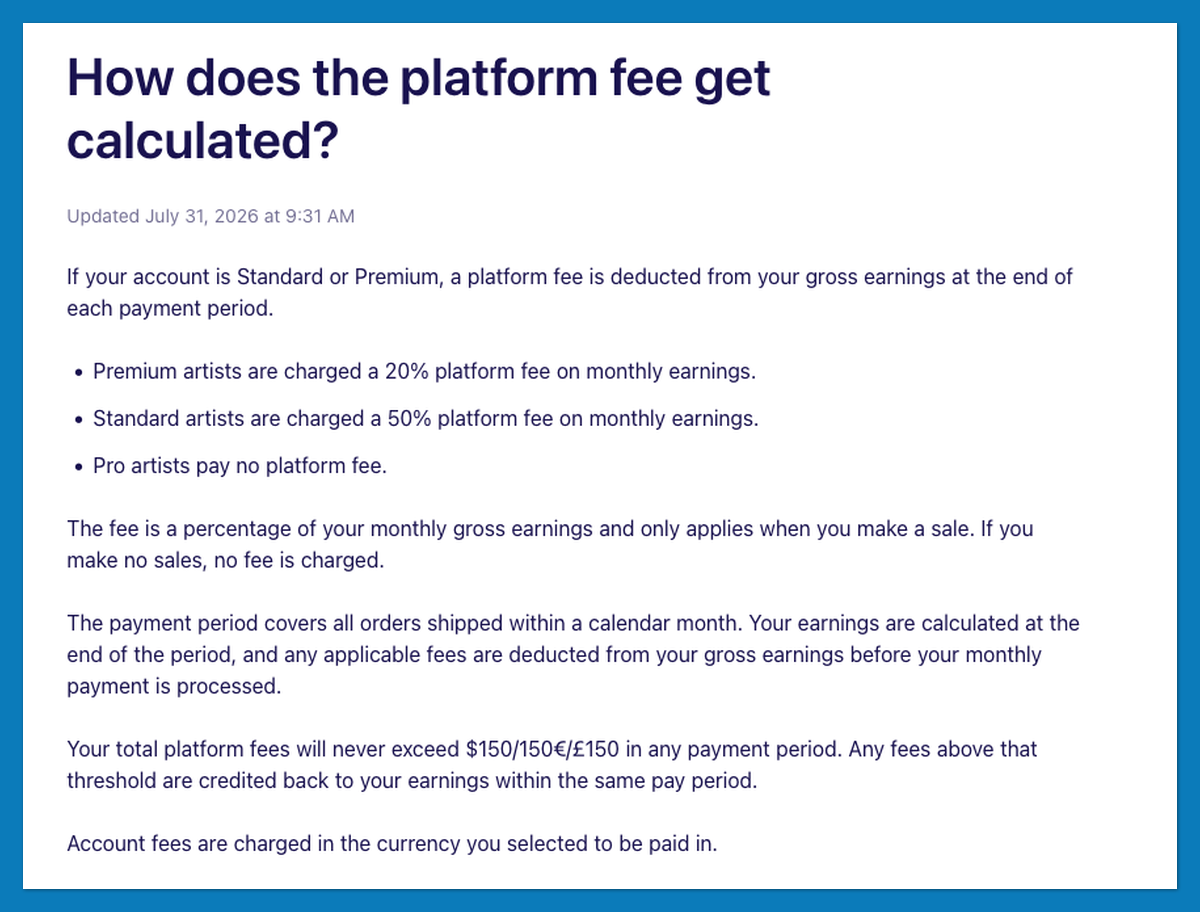
In contrast, Redbubble offers a free entry point with no listing or monthly subscription fees. Its revenue model is based on a "platform fee" that is a percentage of the artist’s monthly earnings, varying by account tier: Standard (50%), Premium (20%), and Pro (0%). The base price of a product covers manufacturing and Redbubble’s service fee, with artists setting their markup, typically defaulting to 10%.
A comparative analysis of a T-shirt sale, as of November 2026, vividly illustrates this difference. An Etsy sale, when paired with a POD app like Printify, could yield approximately $6.89 after all fees and production costs. On Redbubble, the same T-shirt sold under the Standard tier would result in a profit of around $2.00, with Premium and Pro tiers offering $3.20 and $4.00 respectively. This example underscores Etsy’s potential for higher earnings per item, provided artists effectively manage their pricing and fees.
2. Ease of Getting Started: Redbubble’s Zero-Cost Advantage

For aspiring artists, the initial barrier to entry is a crucial consideration. Redbubble excels in this regard by offering a completely free and straightforward setup process. Artists simply need to create an account, upload their artwork, and provide payment details. There are no listing fees or complex shop configurations required.
Etsy, while also accessible, involves more steps and potential costs. Beyond creating an account, artists must pay a listing fee for each item they wish to sell. Furthermore, when integrating with a print-on-demand service, artists are required to disclose their production partners, adding another layer to the setup process. While POD integration itself is often free, the initial listing fees and the need for disclosure can present a slightly higher hurdle for complete beginners.
3. Reaching Buyers: Etsy’s Vast Audience Advantage
Audience size is a critical factor for any seller. As of Q3 2026, Etsy reported approximately 88 million active buyers, a significantly larger pool compared to Redbubble’s 3.1 million customers in FY26. This substantial difference in buyer base offers Etsy a distinct advantage in terms of potential reach and visibility for artists’ work. While Redbubble’s customer count has seen a slight decline, Etsy’s marketplace continues to grow, presenting a larger, more diverse audience actively seeking unique products.
However, it’s important to note that a larger audience doesn’t automatically guarantee sales. Effective use of titles, tags, and search engine optimization remains crucial on both platforms. Etsy’s ongoing efforts to rebalance search algorithms to better showcase physical products, following a period that favored digital items, are particularly relevant for artists selling printed artwork.
4. Fulfillment and Customer Service: Redbubble’s Hands-Off Model
One of the most significant distinctions between the two platforms lies in their approach to order fulfillment and customer service. Redbubble operates as a fully managed service. Once a design is uploaded and purchased, Redbubble takes full responsibility for printing, shipping, and handling all customer inquiries, including returns. This frees artists from the complexities of logistics and customer support, allowing them to concentrate solely on their creative output.
On Etsy, when a print-on-demand item is sold, the responsibility for fulfillment and customer service is shared between the artist and their chosen POD partner. While the POD provider handles production and shipping, the artist remains the primary point of contact for the buyer. This means artists must be prepared to respond to customer queries, address issues, and coordinate with their POD partners for any necessary resolutions. While this direct interaction can foster stronger customer relationships, it also adds to the seller’s workload. Trustpilot ratings as of November 2026 indicated a significant difference in buyer satisfaction, with Redbubble scoring 4.4/5 and Etsy at 1.4/5, though these primarily reflect shopper experiences.
5. Branding and Control: Etsy Empowers Sellers
Etsy provides artists with a greater degree of control over their brand and product presentation. Sellers can set their own retail prices, choose specific products from their POD partner’s catalog, and curate their shop’s aesthetic. This level of control is invaluable for artists aiming to build a recognizable brand and establish a unique market presence. The ability to directly influence product selection and pricing allows for a more tailored and strategic approach to business.
Redbubble, while offering flexibility in design placement across its extensive product range, offers less control over the final product. Artists have limited say in the specific blanks used or the printing processes. While this simplifies the selling process, it can be a drawback for artists who have very specific quality or branding requirements. Furthermore, recent updates to Etsy’s Terms of Use, effective December 16, 2026, regarding the use of seller content for AI training, warrant attention for artists concerned about intellectual property rights, although Etsy has stated it does not use content to train AI models designed to copy original work.
6. Product Range: A Tie with Different Strengths
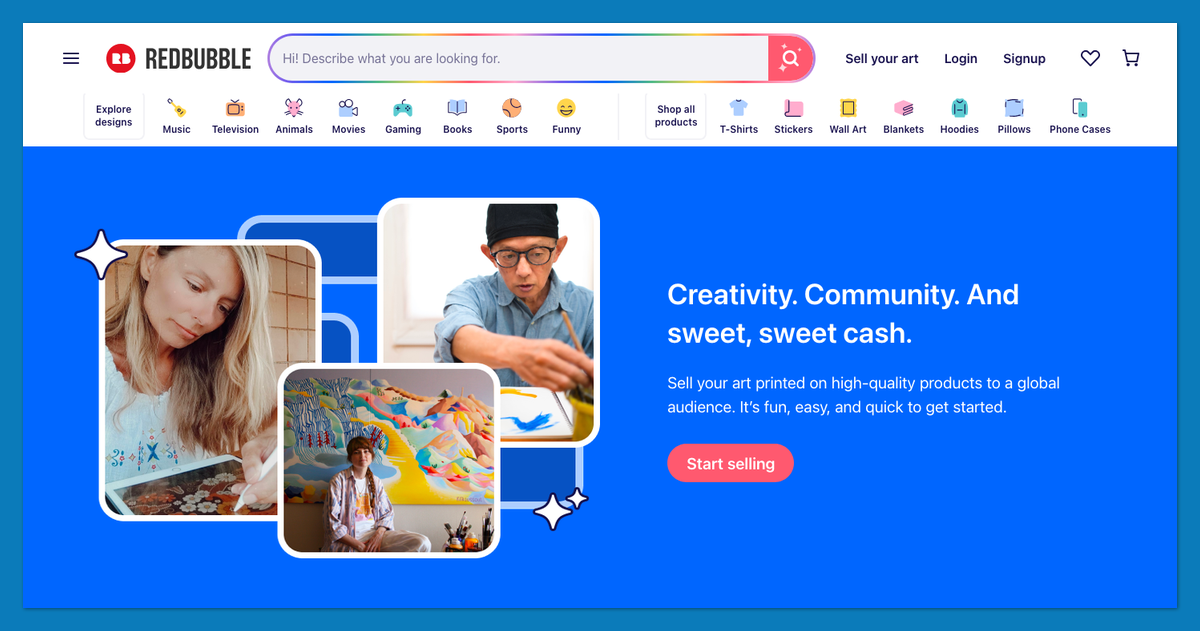
When it comes to product variety, both platforms offer compelling options, though with different approaches. Redbubble boasts an extensive catalog, allowing artists to place a single design on over 70 different products with a single upload. This provides immediate breadth and allows artists to easily offer a wide array of merchandise.
Etsy’s product range is determined by the offerings of its integrated print-on-demand partners. This means artists can choose from a vast selection of products available through services like Printify or Printful, offering greater flexibility in curating their specific product line. Etsy’s Creativity Standards also categorize sellers, allowing original designs to be marketed as "Designed by a seller," alongside handmade items. The choice between Redbubble’s inherent breadth and Etsy’s curated flexibility depends on an artist’s preference for immediate variety versus selective control.
The Verdict: Who Should Choose Which Platform?
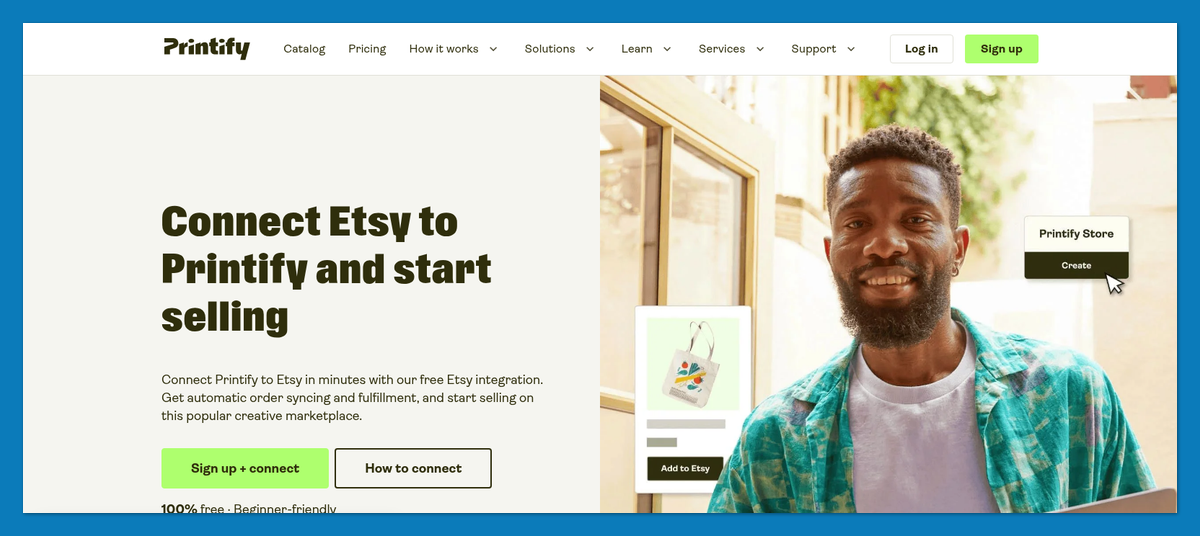
Based on extensive testing and analysis, Etsy emerges as the recommended platform for most artists, particularly those focused on maximizing earnings and building a distinct brand. The ability to set retail prices, maintain higher profit margins per sale, and cultivate a personalized shop identity are significant advantages. Pairing Etsy with a robust print-on-demand service like Printify offers a powerful combination for sustainable business growth.
However, Redbubble remains an excellent choice for artists prioritizing a hands-off approach and zero upfront costs. It is ideal for testing design viability, quickly entering the market without financial commitment, or for artists who simply wish to avoid the administrative burdens of managing an online store and customer interactions. The convenience of Redbubble’s model is undeniable, even if it means accepting lower profit margins, especially for those on the Standard tier.
Strategic Considerations for Artists:
- Dual Platform Strategy: Many artists find success by utilizing both Etsy and Redbubble. Original artwork can be listed on both platforms, leveraging Redbubble’s reach for design testing and Etsy for higher-margin sales and brand building. Licensed fan art, however, is typically exclusive to Redbubble.
- Understanding Fees: Thoroughly understanding the fee structures of both platforms is paramount. Artists should calculate potential earnings based on their chosen products and pricing strategies.
- Disclosure and Compliance: For Etsy, adhering to production partner disclosure rules is critical to avoid account suspension. Similarly, understanding Redbubble’s tier system and its impact on earnings is essential.
- Audience Engagement: Regardless of the platform, engaging with the audience through high-quality product mockups, clear descriptions, and effective marketing strategies is key to driving sales.
In conclusion, the choice between Etsy and Redbubble is not a one-size-fits-all decision. It hinges on an artist’s individual goals, risk tolerance, and desired level of involvement in the selling process. While Etsy offers a more lucrative and brand-centric path, Redbubble provides an accessible and convenient entry point into the print-on-demand market. By carefully weighing the factors discussed, artists can strategically select the platform, or combination of platforms, that best aligns with their creative and business aspirations.

 Asro

 Nana Wu