Ammar Sabilarrohman
In 2026, the landscape of social media marketing demands a sophisticated blend of human creativity, strategic foresight, and AI-powered efficiency, making the construction of an agile social media team more critical than ever for businesses aiming to thrive in the digital sphere. The modern social media department is no longer a peripheral marketing function but a central pillar of brand communication, customer engagement, and business growth, necessitating a strategic approach to talent acquisition and development. This guide outlines the essential components of building a robust social media team in the coming year, from identifying key roles and understanding market compensation to leveraging artificial intelligence and fostering continuous learning.

The Evolving Social Media Ecosystem of 2026
The year 2026 marks a significant inflection point in social media, characterized by hyper-personalization, the pervasive influence of AI, and an ever-fragmenting platform landscape. Businesses are grappling with the need to maintain authentic brand voices across diverse channels—from established giants like Facebook and Instagram to emerging short-form video platforms and niche community hubs—all while navigating increasingly complex algorithms and data privacy regulations. This dynamic environment necessitates a social media team that is not only proficient in content creation and platform management but also adept at data analysis, strategic planning, and rapid adaptation. Industry analysts predict a continued reliance on hybrid teams, where human intuition and emotional intelligence are amplified by AI tools capable of streamlining mundane tasks, identifying trends, and optimizing content delivery. This symbiotic relationship between human and machine is reshaping job descriptions and skill requirements across the board.
Strategic Team Sizing: Scaling with Business Growth
The optimal size and structure of a social media team are intrinsically linked to a company’s stage of growth and its overarching business objectives. A flexible, scalable model is paramount to adapt to changing market demands and internal capacities.

- Startup / Early Stage (1-2 people): For nascent businesses, the initial social media footprint typically relies on one or two generalists. This lean structure often features a dedicated social media manager who handles strategy, content creation, scheduling, and basic analytics. They might be supplemented by a freelance designer or video editor for specialized content needs. The focus here is on establishing brand presence, engaging early adopters, and building foundational community connections with limited resources.
- Mid-Market / Scale-up (3-5 people): As companies mature and expand, their social media operations typically grow into a specialized team. This usually includes a team lead overseeing strategy, alongside specialists in content creation, paid social advertising, and community management/engagement. The emphasis shifts towards scaling audience reach, driving lead generation, and fostering deeper customer relationships through targeted campaigns and proactive community building.
- Enterprise (6-12+ people): Large enterprises often feature sophisticated social media structures. A senior leader typically owns the global social media strategy, ensuring brand consistency and alignment with corporate goals. This leadership role is supported by multiple specialists, potentially organized by function (e.g., content, paid, analytics), platform (e.g., TikTok specialist, LinkedIn strategist), or even geographical region. Enterprises frequently augment their in-house capabilities with agency support for large-scale campaigns, international market penetration, or highly specialized tasks like crisis management.
These benchmarks serve as a starting point, recognizing that industry, target audience, and competitive landscape also influence ideal team composition. Furthermore, the modern social media team rarely operates in isolation, often collaborating closely with content marketing, customer care, growth marketing, and brand teams to ensure a unified customer experience. For instance, a specialist focused on organic TikTok content will inevitably field customer inquiries, requiring seamless integration with customer service protocols.
Key Roles and Specializations for 2026 Social Teams
Building an effective social media team necessitates a clear understanding of the roles required to execute a comprehensive strategy. Each position brings distinct expertise, contributing to the overall success of the brand’s digital presence.
- Social Media Manager (SMM): This foundational role orchestrates all brand activity across social platforms. In 2026, an SMM is a multifaceted professional, responsible for overall strategy, content planning, scheduling, daily execution, and performance monitoring. They must possess a broad skill set encompassing copywriting, basic graphic design, community engagement, and a fundamental understanding of analytics. For many organizations, the SMM remains the critical first hire, capable of establishing a robust social presence from the ground up.
- Social Media Strategist: Distinct from a manager, a strategist focuses on the big picture. This role involves in-depth data analysis, refining target audiences, reviewing campaign results, and developing a social media plan that directly aligns with broader business objectives. They are visionaries who translate market trends and performance insights into actionable strategies, often working closely with senior leadership. This role is crucial when a company needs more direction and less day-to-day execution, especially if content creation or publishing is outsourced.
- Content Creator / Video Producer: With the continued dominance of visual and short-form video content, this role is increasingly specialized. A content creator or video producer is responsible for embodying the brand’s voice and tone through compelling copy, graphic design, and video production. As teams grow, this role may split into dedicated graphic designers, videographers, or even specific platform content specialists (e.g., TikTok producers). Their expertise is vital for brands seeking to stand out in crowded feeds and drive engagement through high-quality, platform-native content.
- Community Manager: This role is paramount for building and safeguarding a brand’s reputation. A community manager actively engages with the audience, monitors brand mentions using social listening tools, responds to comments, fosters online discussions, and builds meaningful relationships. In 2026, they are often at the forefront of crisis communication and proactive reputation management, transforming passive followers into loyal advocates. Their ability to understand and influence brand sentiment is invaluable.
- Paid Social Specialist: With social network ad spending projected to exceed $121 billion in 2026, a dedicated paid social specialist is indispensable for driving targeted growth. This individual manages social media advertising campaigns, allocates budgets, optimizes ad spend, and meticulously tracks performance against key metrics like ROI and lead generation. They collaborate with content creators to develop high-performing ad creatives and possess deep expertise in various ad platforms and targeting strategies.
- Social Analytics Lead: As social media data proliferates, the need for skilled interpreters grows. A social analytics lead transforms raw data into actionable insights, answering critical business questions such as the lifetime value of social leads, optimal channel performance, and audience response to different messaging. They are proficient in analytics platforms and data visualization, guiding strategic adjustments and demonstrating the tangible business impact of social media efforts. This role becomes crucial when a team is generating significant data but struggling to extract meaningful conclusions.
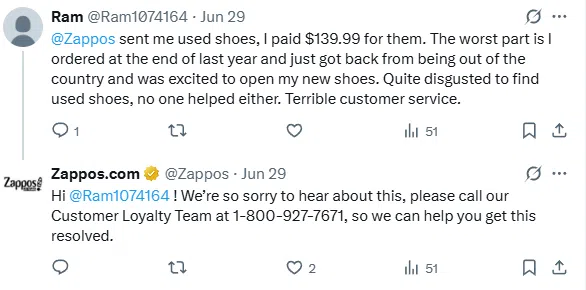
- Customer Care / Social Support Specialist: This role addresses customer inquiries, complaints, and feedback received through social media channels. Often overlooked in traditional marketing structures, social support specialists are frontline brand representatives, requiring empathy, problem-solving skills, and a deep understanding of company policies. Their ability to resolve issues publicly and privately directly impacts customer satisfaction and brand reputation, working in tandem with broader customer service and public relations teams.
Identifying the Tipping Point: When to Expand Your Social Team
Recognizing the opportune moment to expand your social media team is a strategic decision driven by tangible indicators. The primary signal is a consistent outpacing of current team capacity by workload, or a shift in overarching business goals. The most common signs that your social strategy has outgrown your team include:
- Performance Plateaus: Stagnant growth in key metrics like engagement, reach, or conversions, despite consistent effort, indicates a lack of capacity to innovate or execute more ambitious strategies.
- Missed Engagement Opportunities: A backlog of unanswered comments, direct messages, or unaddressed mentions signals a failure to capitalize on real-time community building and customer service.
- Team Burnout: Overburdened team members struggling to manage tasks, leading to decreased quality, missed deadlines, and high stress levels, is a clear sign of insufficient headcount. HR departments report a rising trend in employee burnout within digital marketing teams, underscoring the need for strategic headcount planning.
- Gap in Specialized Skills: An inability to pursue new strategic initiatives (e.g., launching a TikTok strategy, implementing advanced analytics) due to a lack of specific expertise within the current team.
These signs collectively point to a critical need for additional resources. As social media expert Pattnaik notes, "When the work volume increases, and the conversations we need to participate in or respond to are growing over capacity, that’s when we decide to hire an additional person. In addition, when we want to get into an area within social media that is not within the current competency of the team, we hire as well." Similarly, Kwok, Former Social & Influencer Marketing Strategist at Hootsuite, emphasizes that if a single social team member "can’t give each task their undivided attention, it’s time to hire additional headcount."
Compensation Benchmarks and Industry Standards
Understanding salary expectations is crucial for attracting top talent. While pay varies significantly based on experience, location, and company size, general benchmarks provide a useful starting point. The U.S. Bureau of Labor Statistics reported a 2025 median annual wage of $165,780 for advertising, promotions, and marketing managers, with senior social leadership roles often falling into this broader category. Individual contributor roles typically command lower, yet competitive, salaries.
Self-reported U.S. data from Glassdoor in 2026 offers more specific salary insights:
- Social Media Manager: Around $91,000 per year (base pay range: $54,000 to $95,000)
- Social Media Strategist: Around $93,000 per year (base pay range: $55,000 to $101,000)
- Social Media Coordinator / Content Creator: Around $53,000 per year (base pay range: $39,000 to $62,000)
- Paid Social / Social Media Specialist: Around $65,000 per year (base pay range: $44,000 to $71,000)
- Community Manager: Around $66,000 per year (base pay range: $49,000 to $77,000)
- Marketing Analyst (Social Analytics): Around $115,000 per year (base pay range: $70,000 to $120,000)
It is important to note that major metropolitan areas and large enterprise employers often pay above these averages, while smaller markets and early-stage companies may offer salaries below these figures. Senior and management-level social roles, particularly those with budget ownership or regional strategic responsibilities, can exceed $100,000 annually. Transparency in compensation ranges within job postings is increasingly valued by candidates and helps streamline the recruitment process.
Hiring Models: In-House, Freelance, or Agency? A Strategic Decision
The choice of hiring model—in-house, freelance, or agency—depends on a company’s budget, desired level of control over brand voice, and the urgency of scaling operations. Many organizations are adopting a hybrid approach, combining core in-house strategy with external support.
- In-House: This model offers the highest degree of control over brand voice and strategy, fostering deep institutional knowledge and seamless cross-functional collaboration. However, it incurs the highest fixed costs (salary, benefits, training) and has the slowest speed to start due to recruitment timelines. It’s ideal for brands where social media is a core strategic channel requiring daily ownership and nuanced brand representation.
- Freelance: Freelancers provide flexibility and specialized skills without the commitment of a full-time hire. They are cost-variable, project-based, and can be onboarded quickly. This model is excellent for filling specific skill gaps, such as video editing, graphic design, or short-term campaign support, without adding permanent headcount. Control is medium, requiring clear briefs and ongoing communication.
- Agency: Agencies offer breadth of expertise, rapid scalability, and access to diverse talent pools. They are typically retainer-based and often more expensive than a single salary but can provide comprehensive services for large-scale campaigns or market launches. Control can be lower, necessitating strong communication and detailed briefs. Agencies are increasingly leveraged for rapid market entry or specialized campaign execution where internal expertise is nascent.
A simple rule of thumb: if the work is ongoing, brand-critical, and requires deep integration with internal teams, hire in-house. For specialized, intermittent needs, leverage freelancers. When rapid scaling, broad expertise, or market-specific insights are required, an agency is often the fastest route. Regardless of the model, robust social media management platforms like Hootsuite Social OS enable governed workflows, ensuring brand consistency and controlled access for all collaborators.
Crafting Compelling Job Descriptions and Recruitment Strategies
An effective social media job description in 2026 must be transparent, specific, and forward-thinking, especially regarding AI proficiency.

- Clarity on Role and Day-to-Day Tasks: Vague job descriptions deter top talent. Clearly delineate the role’s responsibilities, outlining daily activities, key projects, and anticipated workload. As Kwok emphasizes, avoid roles that bundle disparate responsibilities like graphic design, video production, paid ads, and community management into one position, as these are often distinct specializations.
- Specify Platform Expertise: Be explicit about the social media platforms candidates must be proficient in (e.g., TikTok, LinkedIn, Instagram, X). Also, mention essential tools (e.g., Canva, Hootsuite, analytics software).
- Distinguish Must-Have vs. Nice-to-Have Skills: Prioritize core competencies. For a first social hire, broad strategic and execution skills are essential. For subsequent hires, focus on specialized skills that address current team gaps (e.g., advanced video editing, complex data modeling, social listening expertise). For regulated industries, compliance experience is non-negotiable.
- Define Success Metrics: Clearly articulate how success will be measured. Link performance indicators (e.g., engagement rate, conversion metrics, brand sentiment) directly to business goals and provide target benchmarks. This transparency helps candidates understand expectations and assess their fit.
- Transparent Compensation: Include a salary range in the job posting. As Kwok points out, many senior social roles are posted with junior-level pay, wasting time for both applicants and recruiters. Transparency fosters trust and attracts candidates who align with the compensation structure.
Where to Find and Recruit Social Media Talent:
Beyond traditional job boards, leverage platforms where social media professionals are naturally active: LinkedIn, industry-specific groups on Facebook or Reddit, professional associations, talent platforms specializing in digital marketing, and even by identifying individuals doing excellent work on social media and reaching out directly.
Mastering the Interview Process: Identifying Top Social Talent
Effective interview questions delve beyond surface-level answers, revealing a candidate’s critical thinking, adaptability, and data-driven approach.
- Showcase Thinking, Not Just Doing:
- "Describe a social media campaign you led that didn’t go as planned. What did you learn, and what would you do differently?"
- "How do you stay updated on the latest social media trends and algorithm changes?"
- "Walk me through your process for analyzing social media performance and translating data into actionable insights."
- "How do you handle negative feedback or a brand crisis on social media?"
- "Describe a time you had to adapt your social media strategy quickly due to unforeseen circumstances."
- Portfolio and Data Review: Ask candidates to present two to three of their most impactful posts or campaigns, detailing the goals, their role, and the quantifiable results. A portfolio demonstrating clear before-and-after data is more valuable than a visually polished but results-agnostic one. Reviewing their personal social media presence can also reveal their innate understanding of platform mechanics.
- Industry Acumen: Kwok suggests asking, "Which brands do you believe excel in social media marketing, and why?" This question reveals not only their aesthetic preferences but also their strategic thinking. Pattnaik focuses on activity: "How many followers do you have, and how active are you in social media in having conversations, sharing points of view, and joining conversations?"
- Red Flags to Watch For:
- Generic Answers: A lack of specific examples or reliance on theoretical responses.
- Lack of Platform Nuance: Inability to articulate how strategies differ across platforms.
- No Focus on Measurement: Disinterest in data, KPIs, or demonstrating ROI.
- Over-reliance on Big Brands: Only citing large corporations as examples of good social media, without recognizing innovative smaller brands.
- Resistance to AI: An unwillingness to embrace or learn AI tools, signaling a potential inability to adapt to the future of the industry.
The Indispensable Role of AI in Social Media Proficiency
In 2026, AI is not merely a buzzword but an integrated component of social media operations. LinkedIn data indicates that AI job postings have roughly doubled since 2023, underscoring its pervasive influence. The expectation is that all social media hires possess a working knowledge of AI tools, using them to enhance efficiency rather than replace human judgment.
- AI for Content Drafting: Proficiency in using AI to generate multiple caption variations, headline ideas, or even initial script drafts, followed by human refinement.
- AI for Listening and Trend Spotting: Utilizing AI to summarize vast amounts of social listening data, identify emerging trends, and monitor brand sentiment more efficiently.
- AI for Analytics and Reporting: Leveraging AI-powered insights to generate first-pass reports, identify anomalies, and predict performance trends.
- Ethical AI Use: Understanding the ethical implications of AI-generated content, ensuring brand safety, authenticity, and avoiding algorithmic biases.
- Prompt Engineering: The ability to craft effective prompts for AI tools to yield desired outputs, demonstrating a nuanced understanding of AI capabilities.
While some larger organizations may establish a dedicated AI social media strategist, at smaller companies, these skills are increasingly folded into existing roles. The blend of AI-driven efficiency and human strategic oversight is rapidly becoming the gold standard for social media operations, where creative judgment, community instincts, and strategic thinking remain distinctively human strengths.

Empowering Your Social Team: Tools, Onboarding, and Continuous Learning
Hiring exceptional talent is only the first step; sustained success hinges on providing the right environment for them to thrive.
- Robust Tools and Workflows: An integrated social media operating system (like Hootsuite Social OS) is crucial. These platforms streamline content creation, scheduling, publishing, and analytics, allowing teams to operate efficiently across multiple channels. Features like customized content collaboration and approval processes are vital for maintaining brand consistency and compliance, especially with growing teams or external partners.
- Comprehensive Onboarding: A structured 90-day onboarding plan is essential.
- Week 1: Focus on tool access, initial training, introductions to immediate team members, and a deep dive into brand voice guidelines and approval workflows.
- Weeks 2-4: Platform-by-platform strategy briefings, competitive analysis, and introductions to cross-functional partners (customer care, content, sales, compliance).
- Days 30-90: Gradual ownership of specific channels or campaigns, with clear metrics attached. This phase involves independent project work, regular feedback sessions, and opportunities to contribute to broader strategy.
- Investment in Continuous Learning: The social media landscape is in constant flux, making ongoing professional development a strategic imperative. LinkedIn research highlights that 77% of HR professionals are prioritizing upskilling initiatives. This includes:
- Industry Conferences and Webinars: Staying abreast of new platforms, algorithms, and best practices.
- Certifications: Acquiring specialized skills in areas like paid media, analytics, or platform-specific proficiencies.
- Internal Workshops: Sharing knowledge and best practices within the team.
- Mentorship Programs: Pairing new hires with experienced professionals for guidance and growth.
- Dedicated Learning Budgets: Allocating resources for courses, books, and subscriptions that support skill development.
In 2026, the success of a social media team is not merely about the number of people, but the caliber of talent, their strategic integration with advanced tools, and the organizational commitment to their continuous growth. The future belongs to those who embrace this dynamic equilibrium, allowing human ingenuity to lead, supported and amplified by the power of technology.


 Lina Hope
 Sagoh