Neng Nana

As the global digital advertising landscape undergoes a seismic shift toward privacy-centric tracking and performance-based accountability, the integration of affiliate marketing into broader corporate strategies has transitioned from a secondary consideration to a primary economic driver. Marketing executives and budget controllers are increasingly scrutinizing traditional "top-of-funnel" spending, such as television and display advertising, in favor of channels that offer a direct, measurable return on investment. The affiliate marketing model, built upon a foundation of shared risk and performance-based compensation, provides a robust solution for brands seeking to maintain growth while mitigating the financial volatility inherent in modern digital ecosystems.
The Economic Shift Toward Performance-Based Marketing
The fundamental appeal of affiliate marketing lies in its capital efficiency. Unlike traditional media buying, where brands pay for impressions or clicks regardless of the final outcome, the affiliate model operates on a "Cost Per Action" (CPA) basis. This structural advantage ensures that marketing expenditures are directly tied to revenue generation, lead acquisition, or other high-value conversions. According to industry data, the affiliate marketing sector has seen consistent year-over-year growth, with spending in the United States alone estimated to exceed $8.2 billion. This growth is driven by the realization that affiliate programs can deliver an average return on investment (ROI) of $10 for every $1 spent, a ratio that significantly outperforms many paid search and social media campaigns.
Initial setup costs for an affiliate program are notably low, typically involving the implementation of tracking software and the creation of promotional assets. This low barrier to entry, combined with the ability to scale payouts based on product margins, allows businesses to manage their cash flow with greater precision. For small-to-medium enterprises (SMEs) and large-scale corporations alike, this creates a scalable sales force that operates without the overhead of traditional salaries, benefits, or office space.
Strategic Advantages: Targeted Reach and Brand Authority
Beyond the immediate financial benefits, affiliate marketing serves as a powerful tool for precision targeting. Affiliates—often referred to as publishers or partners—frequently operate within highly specific niches. Whether it is a technology reviewer specializing in enterprise software or a lifestyle blogger focusing on sustainable fashion, these partners possess deeply engaged audiences that align with specific customer personas. This alignment ensures that a brand’s message is delivered to "warm" leads who are already predisposed to the product category.
Furthermore, the "third-party validation" provided by affiliates is a critical component of modern brand building. In an era where consumer skepticism toward corporate advertising is at an all-time high, a recommendation from a trusted influencer or a highly-rated review on a comparison site carries significant weight. This endorsement acts as a form of social proof, accelerating the trust-building process and shortening the customer’s path to purchase.
Chronology of a Successful Affiliate Strategy Implementation
To understand the long-term impact of this channel, it is necessary to examine the lifecycle of a professionally managed affiliate program. The trajectory of a successful implementation typically follows a structured timeline:
- Phase I: Infrastructure and Compliance (Months 1-2): This stage involves the selection of a tracking platform (such as Impact, ShareASale, or a private solution) and the establishment of "Terms and Conditions." Legal compliance, including FTC disclosure requirements, is finalized here to protect the brand from future liability.
- Phase II: Partner Recruitment and Onboarding (Months 3-5): Rather than a mass-approval approach, strategic programs focus on "quality over quantity." Managers identify and recruit high-authority publishers who align with the brand’s values.
- Phase III: Optimization and Relationship Management (Months 6-12): As data begins to accumulate, managers identify top-performing partners and offer bespoke commission rates or exclusive coupons. This period also involves "cleaning" the program of low-value or fraudulent actors.
- Phase IV: Scaling and Diversification (Year 2 and Beyond): Once a core group of partners is established, the program expands into new markets and traffic sources, such as mobile apps, podcast sponsorships, and international publishers.
The Pitfalls of the "Set-it-and-forget-it" Fallacy
Despite the clear advantages, many organizations fail to realize the full potential of affiliate marketing due to a lack of active management. A common misconception among novice marketers is that an affiliate program can function as an "automated" revenue stream. Experts, including industry veteran Geno Prussakov, have long warned against the "autopilot" approach.

Without rigorous oversight, a program can quickly become a haven for low-value affiliates, such as coupon-scraping sites and browser extensions that do not generate new demand but rather "intercept" traffic that was already on its way to a purchase. This leads to a scenario where a company pays commissions on sales that would have happened anyway, effectively increasing the cost per sale without adding incremental value.
Moreover, unmanaged programs are susceptible to "brand bidding," where affiliates bid against the brand’s own keywords in search engines, driving up the company’s internal PPC costs. There is also the risk of affiliate fraud, involving stolen credit card data or bot-generated leads, which can lead to significant chargeback fees and reputational damage.
Navigating the Complex Buyer Journey
Modern consumer behavior is rarely linear. A customer may first discover a product through an Instagram ad, read a detailed review on a tech blog (an affiliate), compare prices on a cashback portal (another affiliate), and finally complete the purchase after receiving a retargeting email. This complexity raises the question of attribution: which partner deserves the commission?
A sophisticated affiliate strategy must account for the "Full Funnel." While "lower-funnel" affiliates like cashback sites often show the highest conversion rates, they are frequently dependent on "top-funnel" content creators who introduced the consumer to the brand in the first place. If a brand only rewards the "last click," high-quality content creators may lose the incentive to promote the product, leading to a collapse of the top-of-funnel pipeline. Forward-thinking companies are increasingly adopting multi-touch attribution models or "commission splitting" to ensure that every partner who influenced the sale is fairly compensated.
Broader Impact and Market Implications
The integration of affiliate marketing into the global corporate structure has broader implications for the digital economy. It has democratized advertising, allowing smaller content creators to monetize their expertise while providing brands with a decentralized sales force. As social media platforms continue to change their algorithms—often to the detriment of organic reach—affiliate marketing provides a "hedge" against platform instability. Because affiliates use a variety of channels (email, SEO, social, and apps), a brand’s traffic remains diversified and resilient.
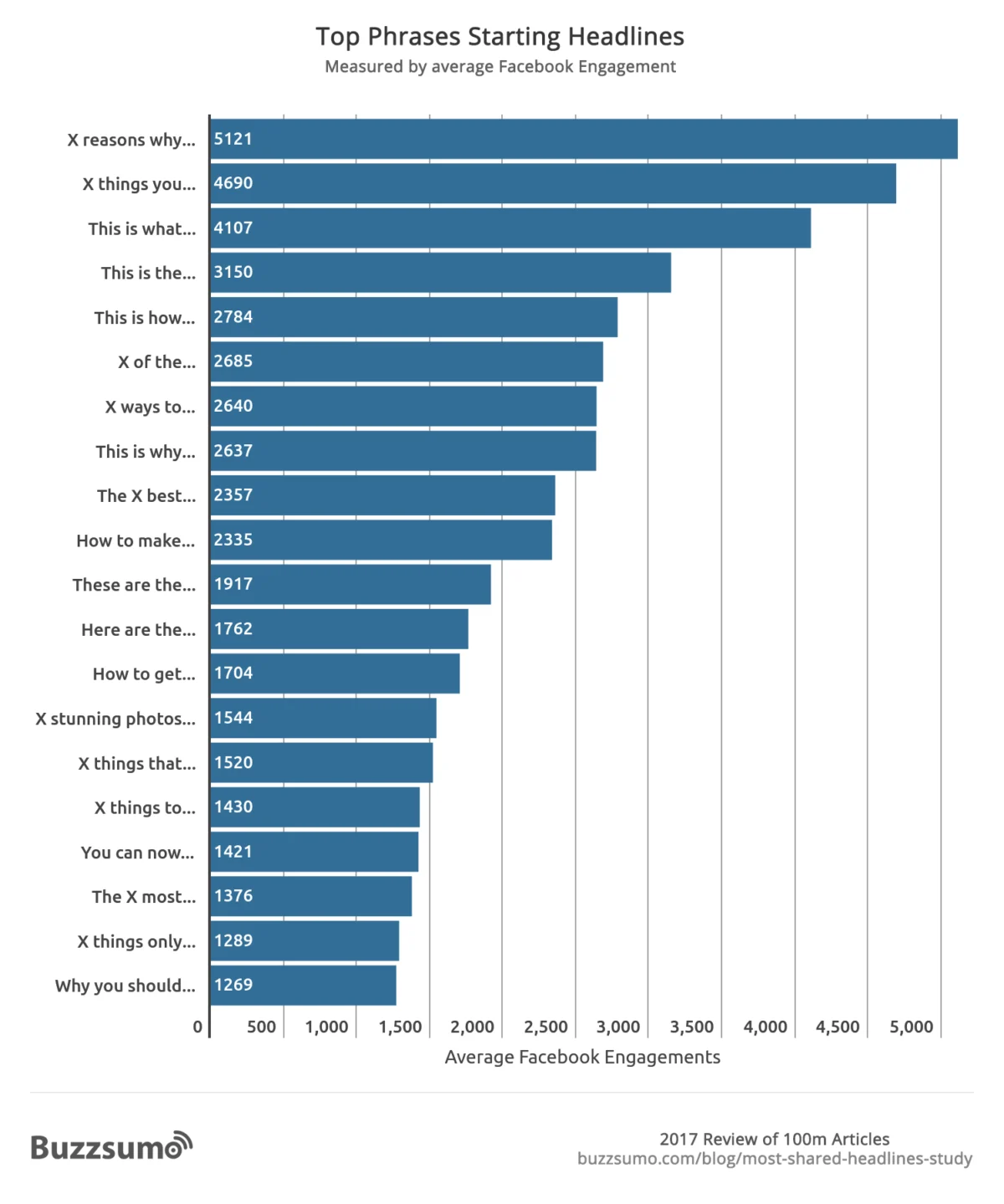
Furthermore, the data harvested from affiliate programs provides invaluable market intelligence. By analyzing which types of content and which headlines resonate most with an affiliate’s audience, a brand can refine its own internal marketing messages. The relationship between a brand and its top affiliates often evolves into a strategic partnership, where the affiliate acts as an external R&D department, providing feedback on customer pain points and competitor movements.
Analysis of Future Trends
Looking toward the next decade, the role of Artificial Intelligence (AI) in affiliate marketing is expected to grow. AI-driven tools are already being used to identify fraudulent patterns in real-time and to predict which affiliates are likely to become high-performers based on historical data. However, the human element remains irreplaceable. The most successful strategies are those that combine data-driven tracking with genuine relationship management.
In conclusion, the decision to include an affiliate marketing strategy in a corporate budget is no longer a matter of "if," but "how." When executed with professional oversight and a focus on incremental value, affiliate marketing offers a unique combination of low risk, high transparency, and exceptional ROI. It transforms the traditional vendor-client relationship into a performance-based partnership, ensuring that both the brand and the publisher are aligned in their goal of driving sustainable, profitable growth. Organizations that fail to adopt this model risk falling behind more agile competitors who have already mastered the art of decentralized, performance-driven commerce.


 Layla Zulfa
 rifanmuazin