Evan Lee Salim
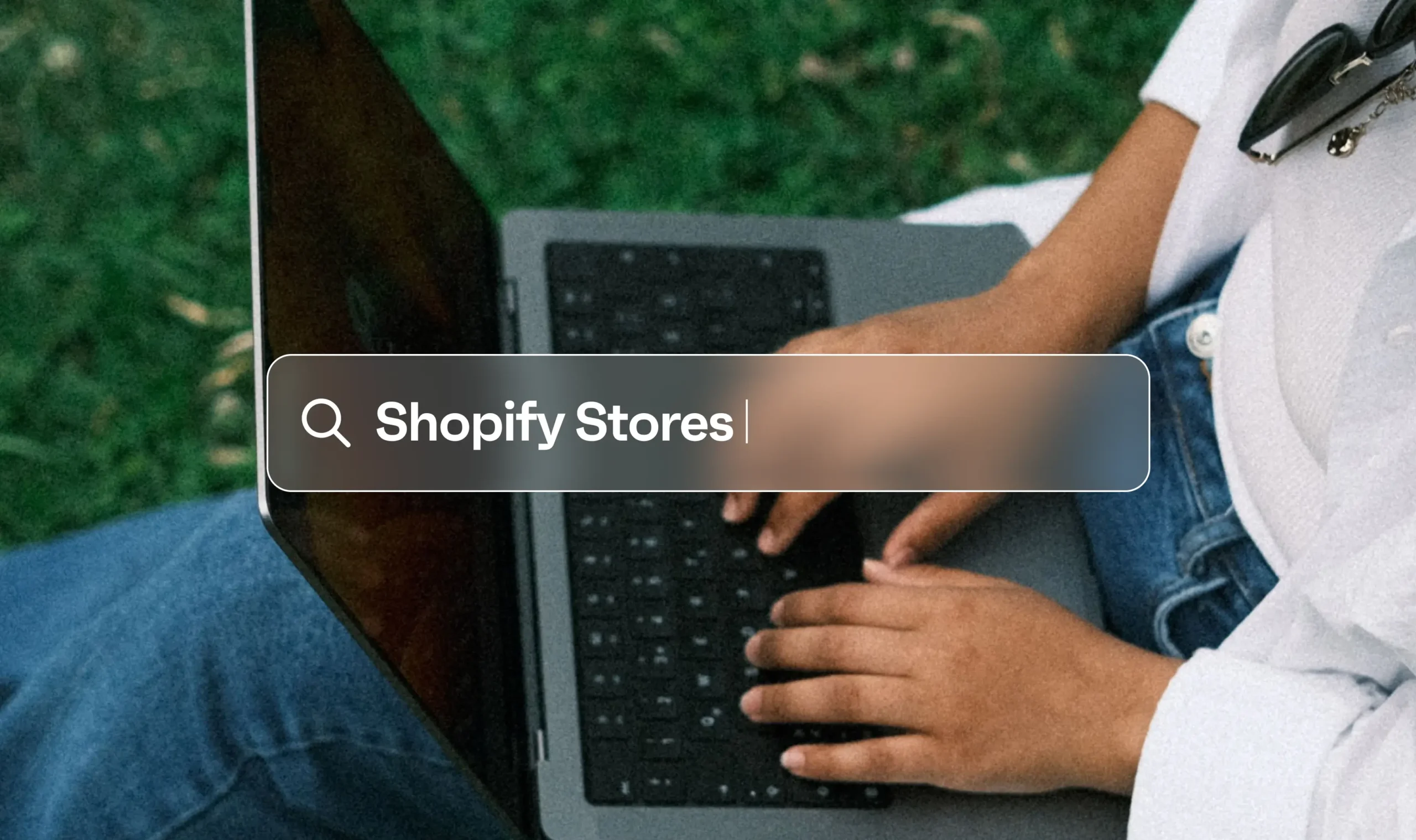
The e-commerce landscape in 2026 continues to be dominated by powerful brands leveraging platforms like Shopify, with industry leaders such as FIGS, Gymshark, Kylie Cosmetics, Fashion Nova, and Alo Yoga each reporting 2025 online sales exceeding $450 million. These figures underscore not only the immense scale achievable on the Shopify platform but also the diverse strategies employed by top-tier retailers to capture significant market share in an ever-evolving digital marketplace.
This comprehensive analysis delves into the strategies and characteristics of over 70 leading Shopify stores, meticulously verified in November 2026. These exemplars span various categories, from beauty and fashion to home goods and tech, offering invaluable insights into successful digital commerce practices. Each featured store showcases unique tactics, from optimizing customer journeys to fostering community engagement and streamlining operational efficiencies, providing a practical blueprint for aspiring and established e-commerce businesses alike.
Methodology and Market Context
The selection and verification process for these leading Shopify stores was rigorous. Every store included in this roster exclusively sells directly to consumers (DTC) and was meticulously checked for its Shopify integration in November 2026. Verification involved examining the store’s page source for the myshopify.com domain. For sophisticated "headless" builds, where the backend Shopify domain is often concealed, verification extended to analyzing Shopify Storefront application programming interface (API) calls and Shopify-hosted assets. This approach ensured a definitive confirmation of their foundational e-commerce technology.
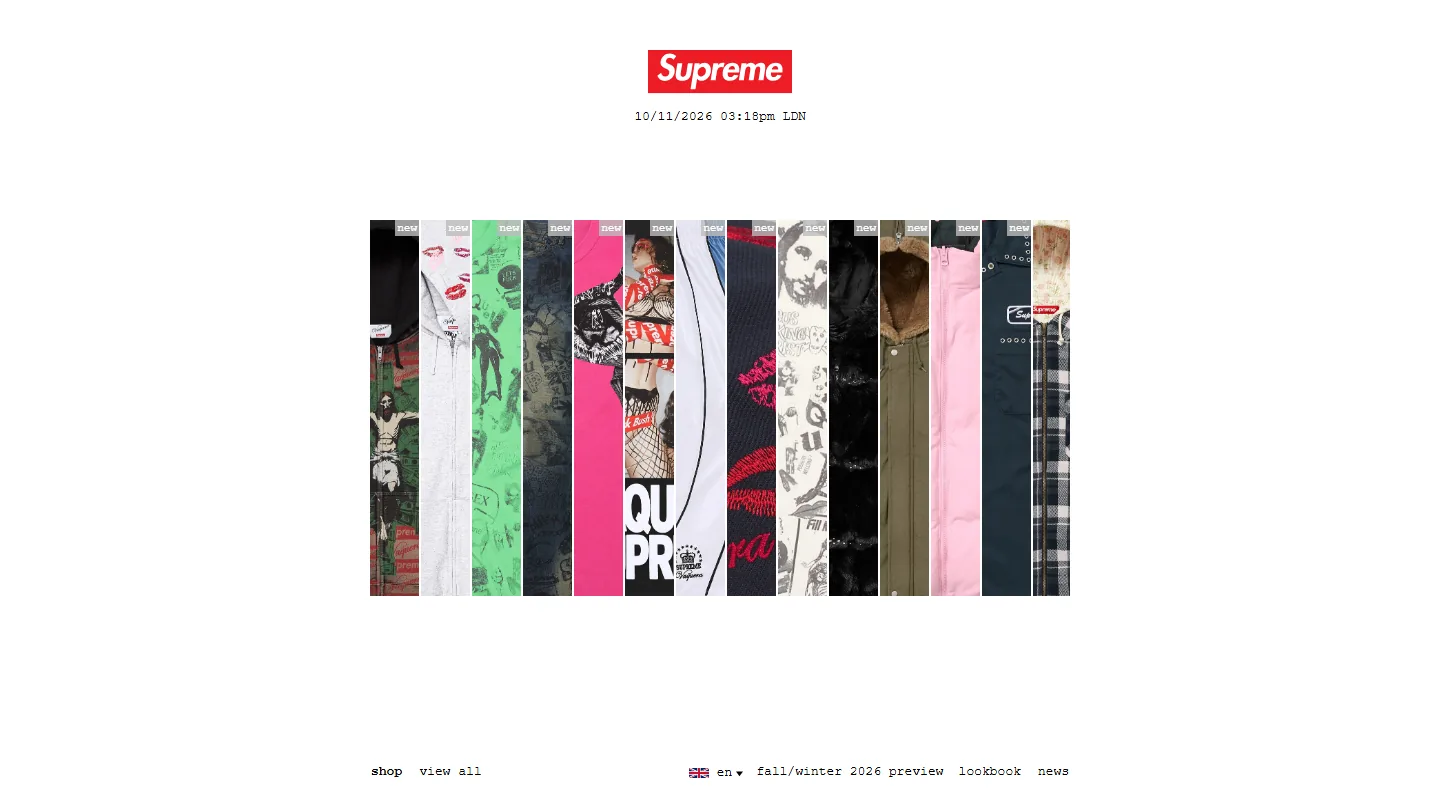
Notably, Shopify’s flexibility extends to businesses that integrate the platform for specific segments of their operations. Brands like Supreme, Mattel Shop, and Netflix Shop utilize Shopify for their online storefronts, demonstrating its capability to serve as a robust e-commerce engine even for large, multi-faceted enterprises with complex digital ecosystems. The geographical footprint of these top stores is also impressively global, with representation from the United States, Canada, the United Kingdom, Australia, Belgium, the Netherlands, and Germany, highlighting Shopify’s international reach and adaptability.
Revenue figures, a critical component of this analysis, primarily rely on ECDB’s estimated 2025 online sales (Gross Merchandise Volume – GMV) derived from their public sample-data pages. These estimates specifically cover the brands’ own online stores, differentiating them from broader company-wide revenues reported across all sales channels. For publicly traded entities like FIGS and Allbirds (which was public until its June 2026 sale), 2025 net revenue figures were sourced directly from their annual reports, offering a direct, verifiable benchmark. The stores are ranked by these figures within their respective categories, with those lacking public estimates listed last. This distinction is crucial for understanding the pure e-commerce performance of these brands on the Shopify platform.
E-commerce Excellence: Shared Strategies of Leading Shopify Stores
A closer examination of these high-performing Shopify stores reveals several recurring patterns and strategic imperatives that contribute to their success. These common threads provide a strategic roadmap for optimizing online retail operations:
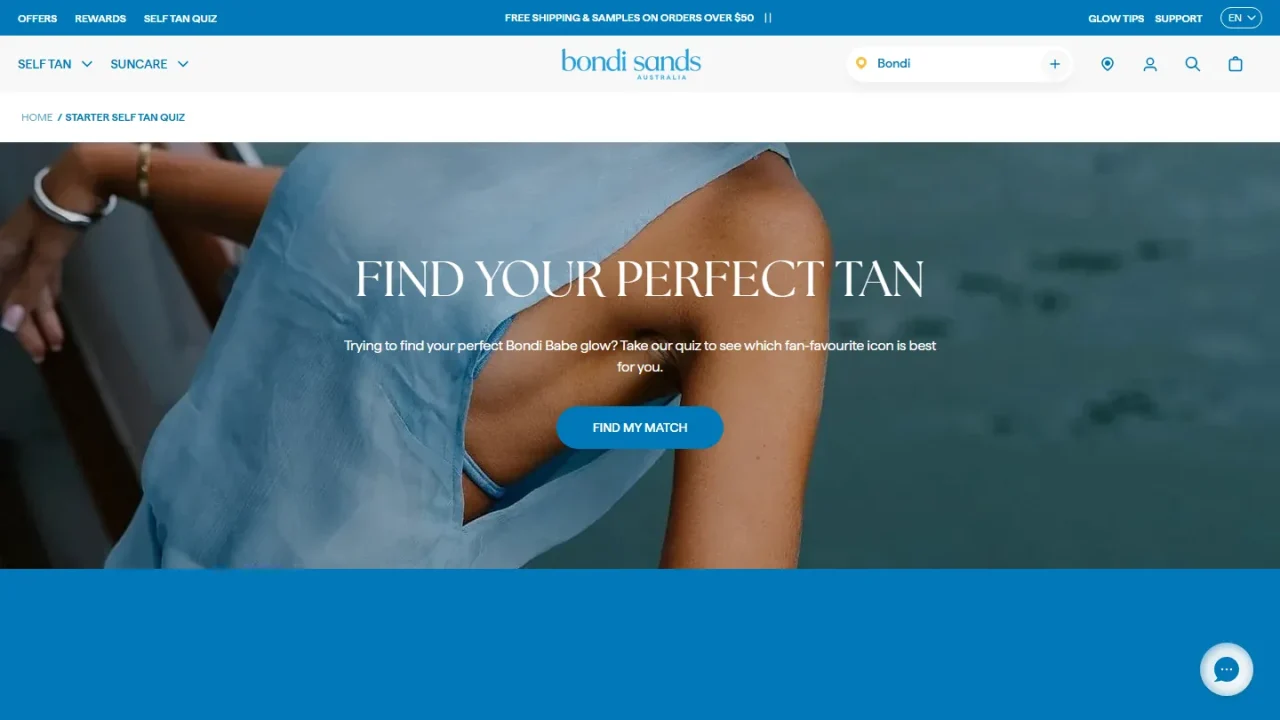
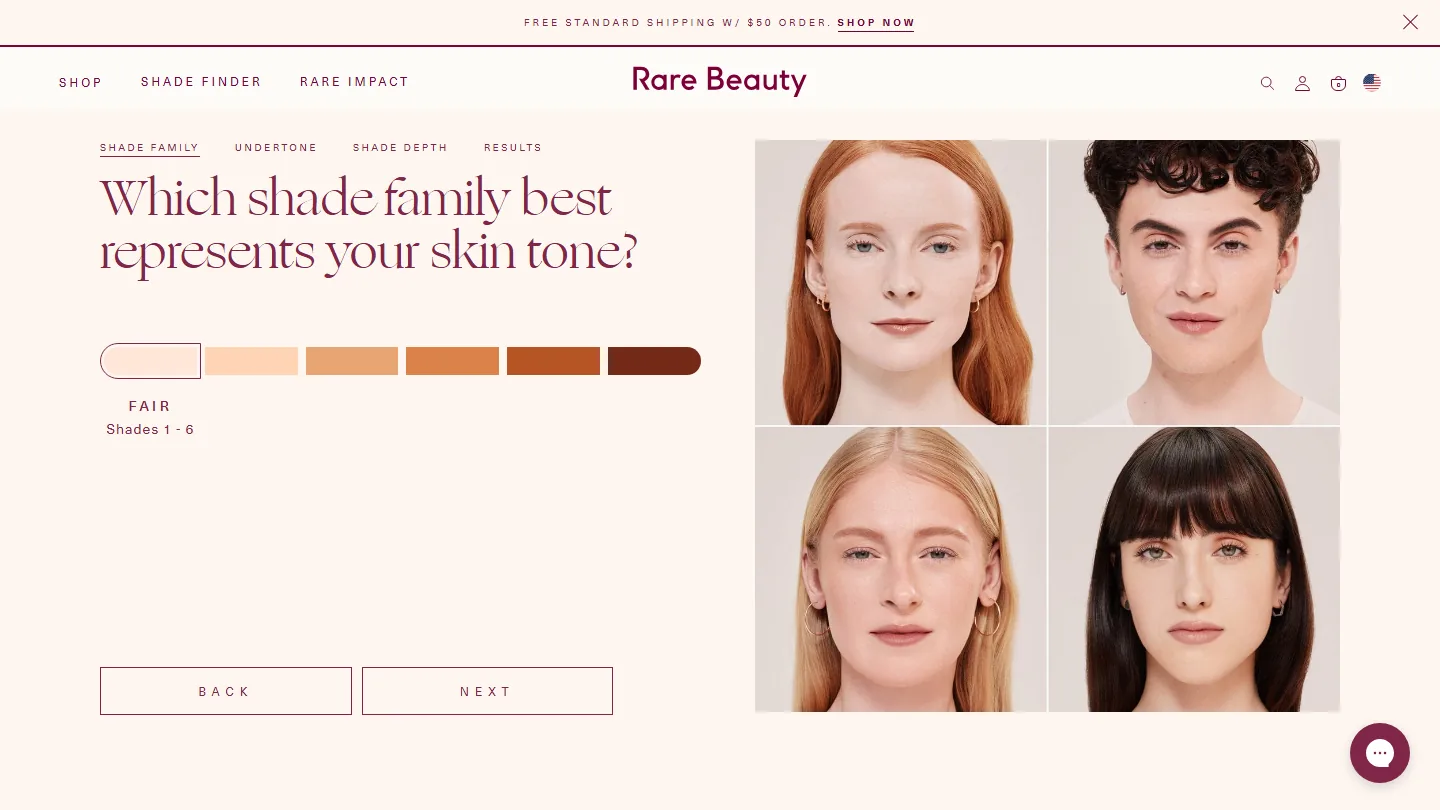
- Guided Customer Choice: Many top stores implement quizzes or product finders that simplify the decision-making process for shoppers. Rare Beauty’s shade finder, Bondi Sands’ self-tanner quiz, and Saje Natural Wellness’s product finder exemplify this, leading customers to recommended products, sizes, or delivery schedules. This minimizes choice paralysis and builds confidence in the purchase.
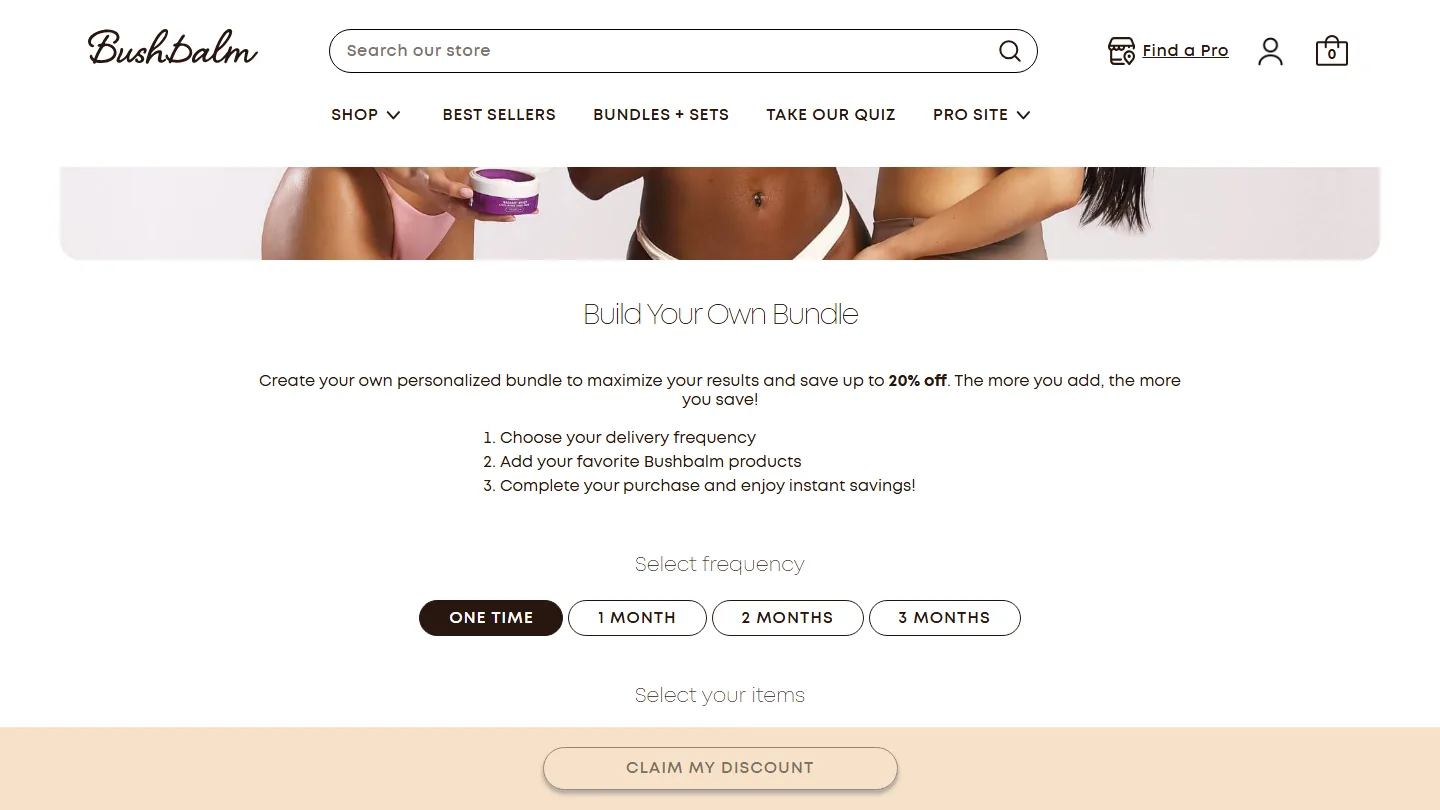
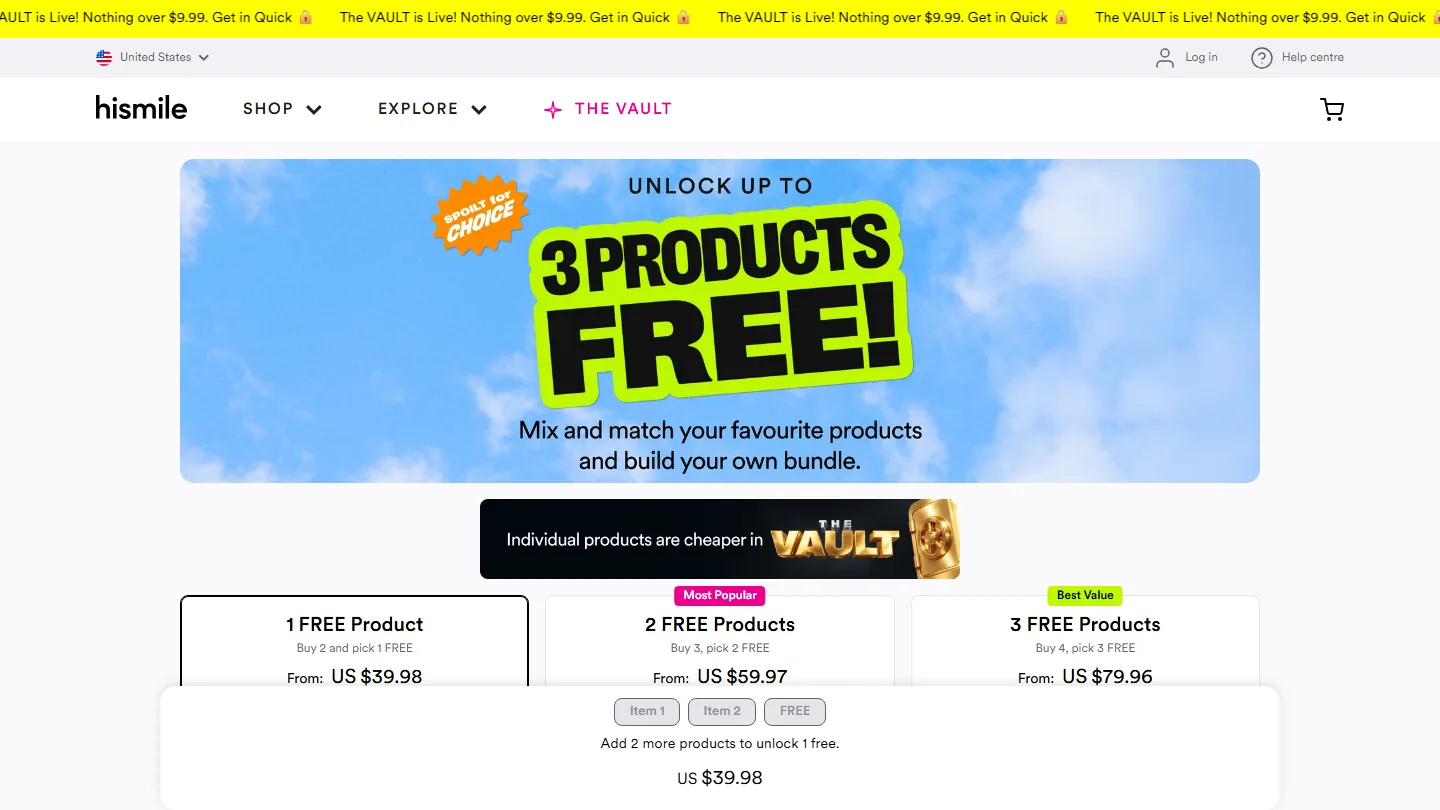
- Value-Driven Bundling: Offering product bundles with visible savings is another prevalent tactic. Hismile and Bushbalm allow customers to mix-and-match products, while Magic Spoon incentivizes larger purchases with tiered savings. This strategy not only increases average order value but also encourages product discovery.
- Subscriptions and Memberships: Recurring revenue models are a cornerstone for many successful brands. Huel, Death Wish Coffee, Absolute Collagen, and Gymshark effectively integrate subscriptions or loyalty programs, offering convenience, exclusive perks, and sustained engagement.
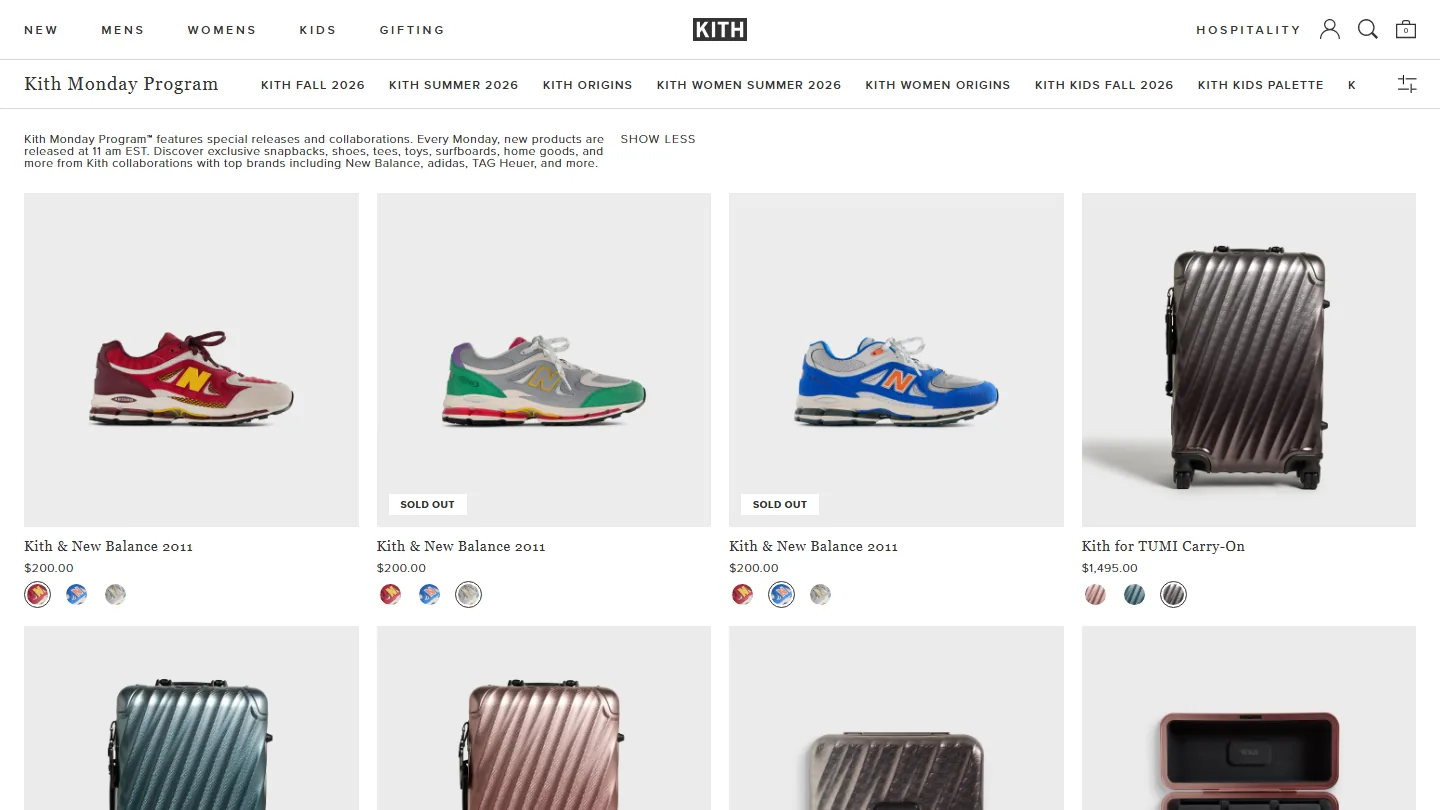
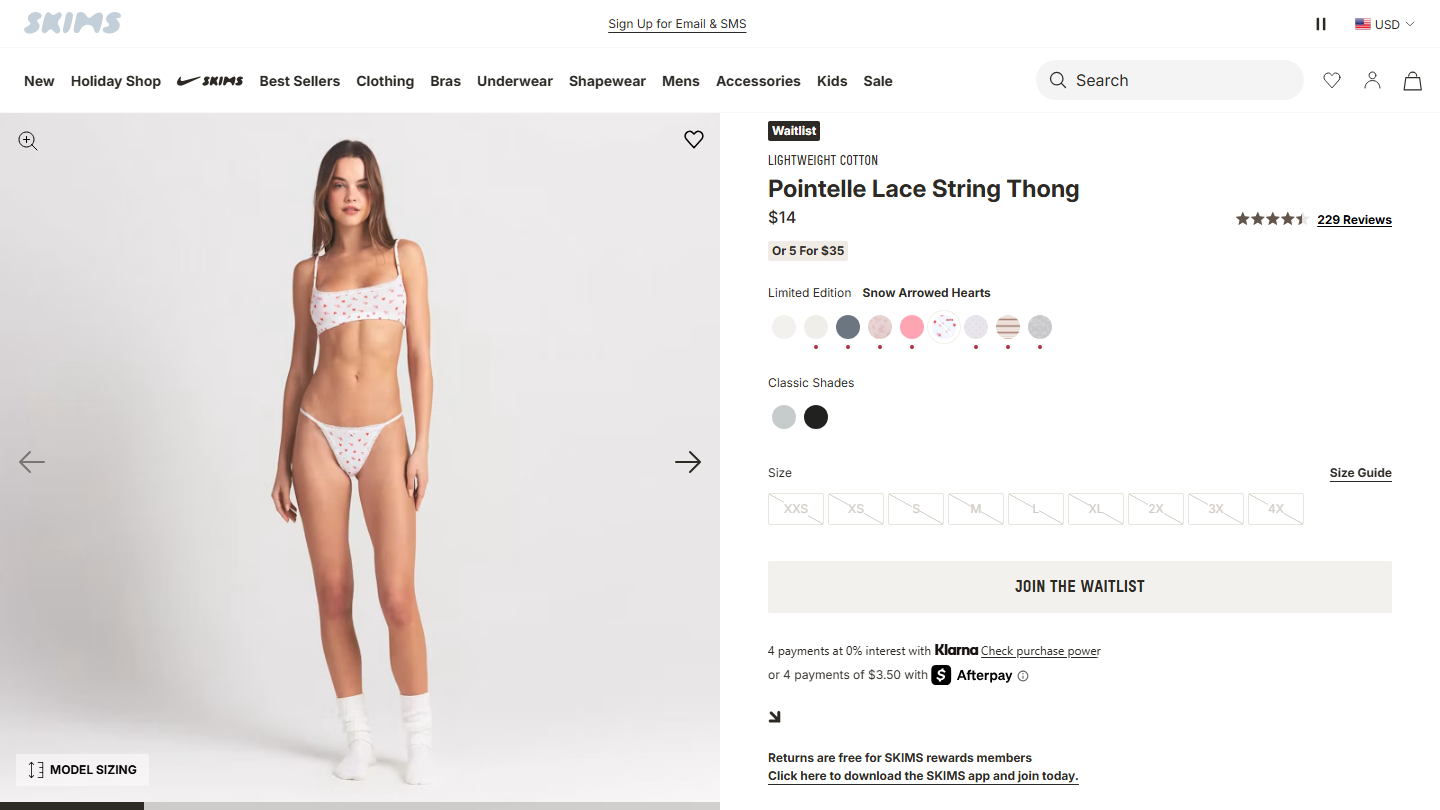
- Scheduled Product Releases (Drops): Brands like Kith, Supreme, Kylie Cosmetics, and SKIMS master the art of scarcity and anticipation through scheduled product drops, often complemented by waitlists or early access for loyal customers. This creates a sense of urgency and community around new arrivals.
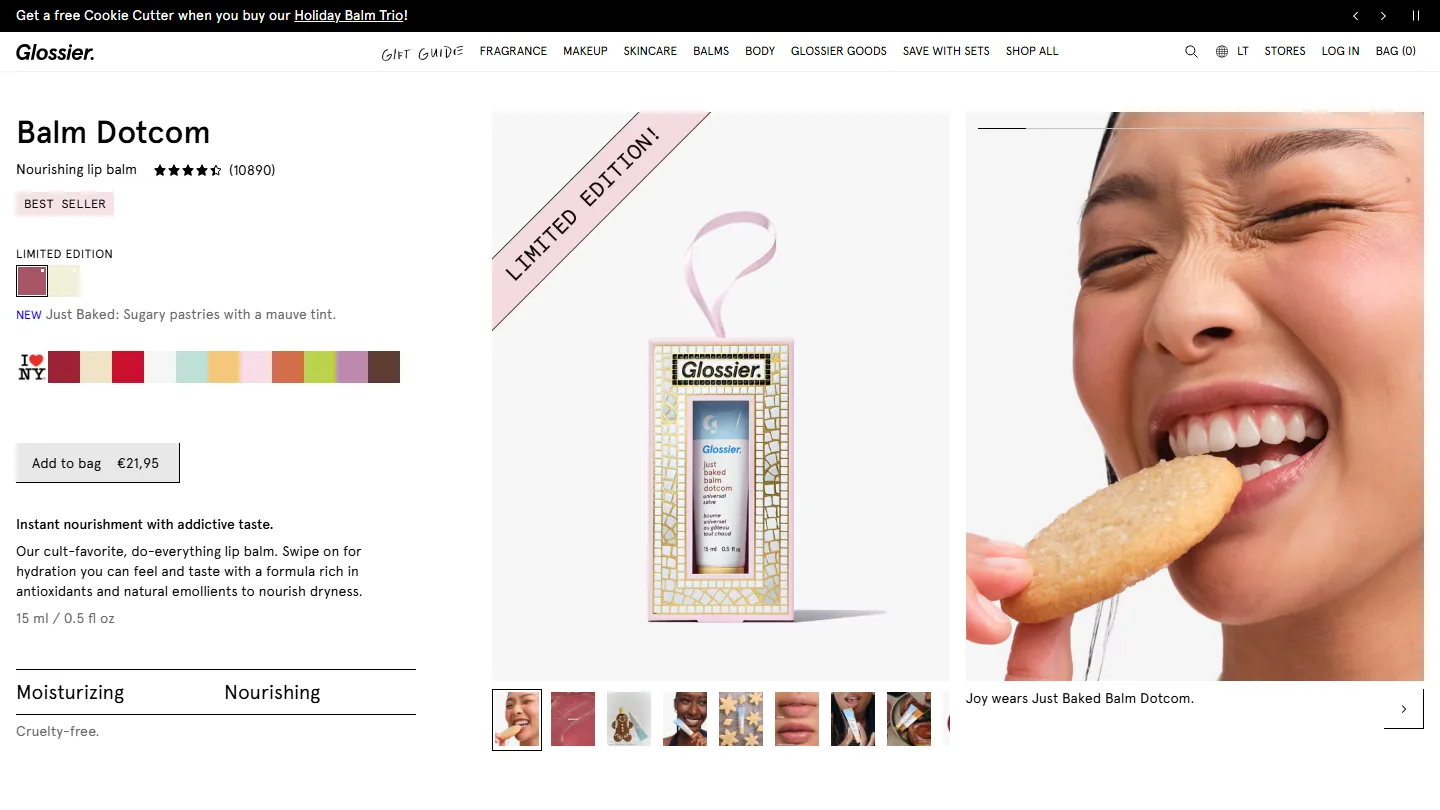
- Strategic Placement of Social Proof: Trust signals, such as customer reviews, test results, and trial periods, are prominently displayed where purchasing decisions are made. Ridge, MVMT, Glossier, and Endy place these assurances on product cards or near the buy button, directly addressing customer hesitations.
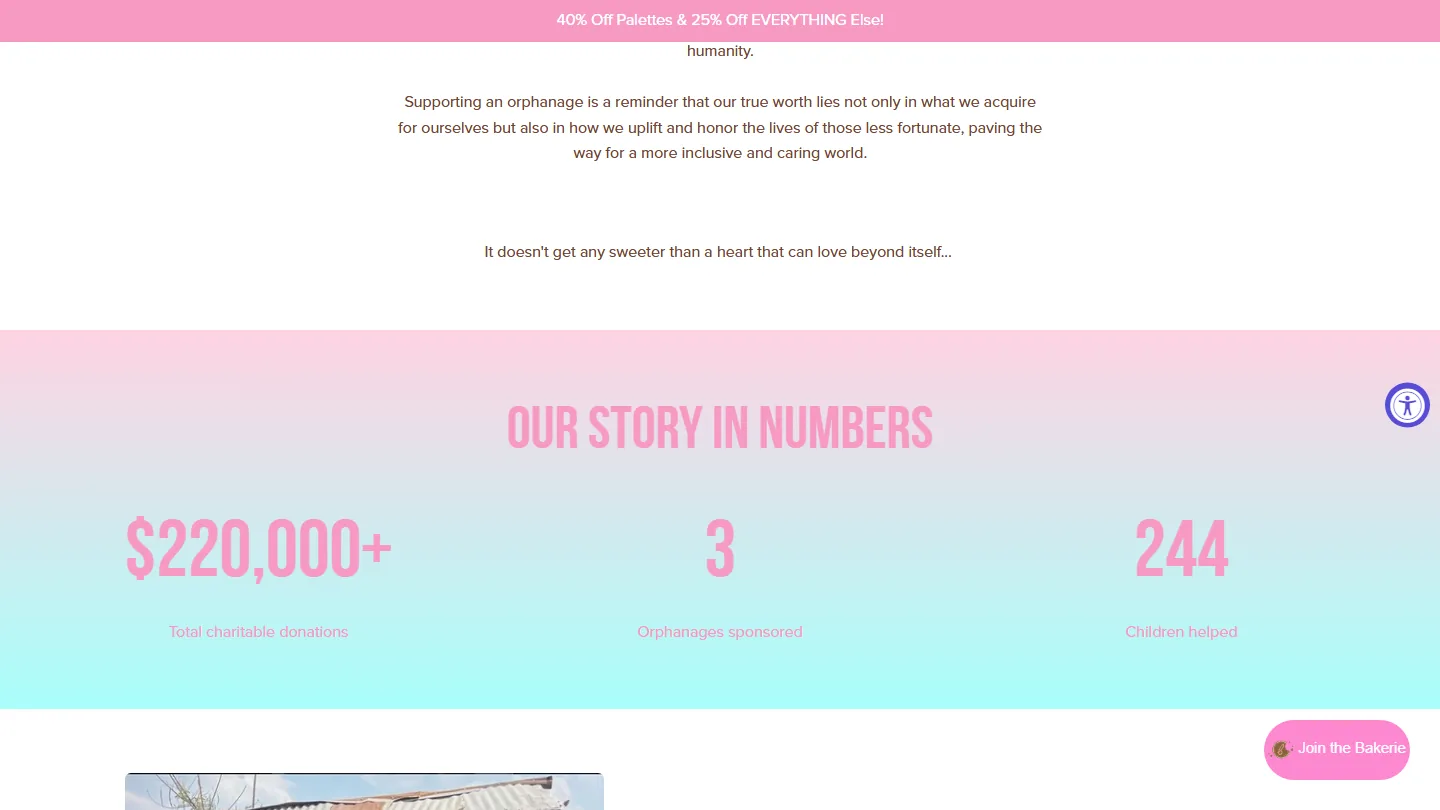
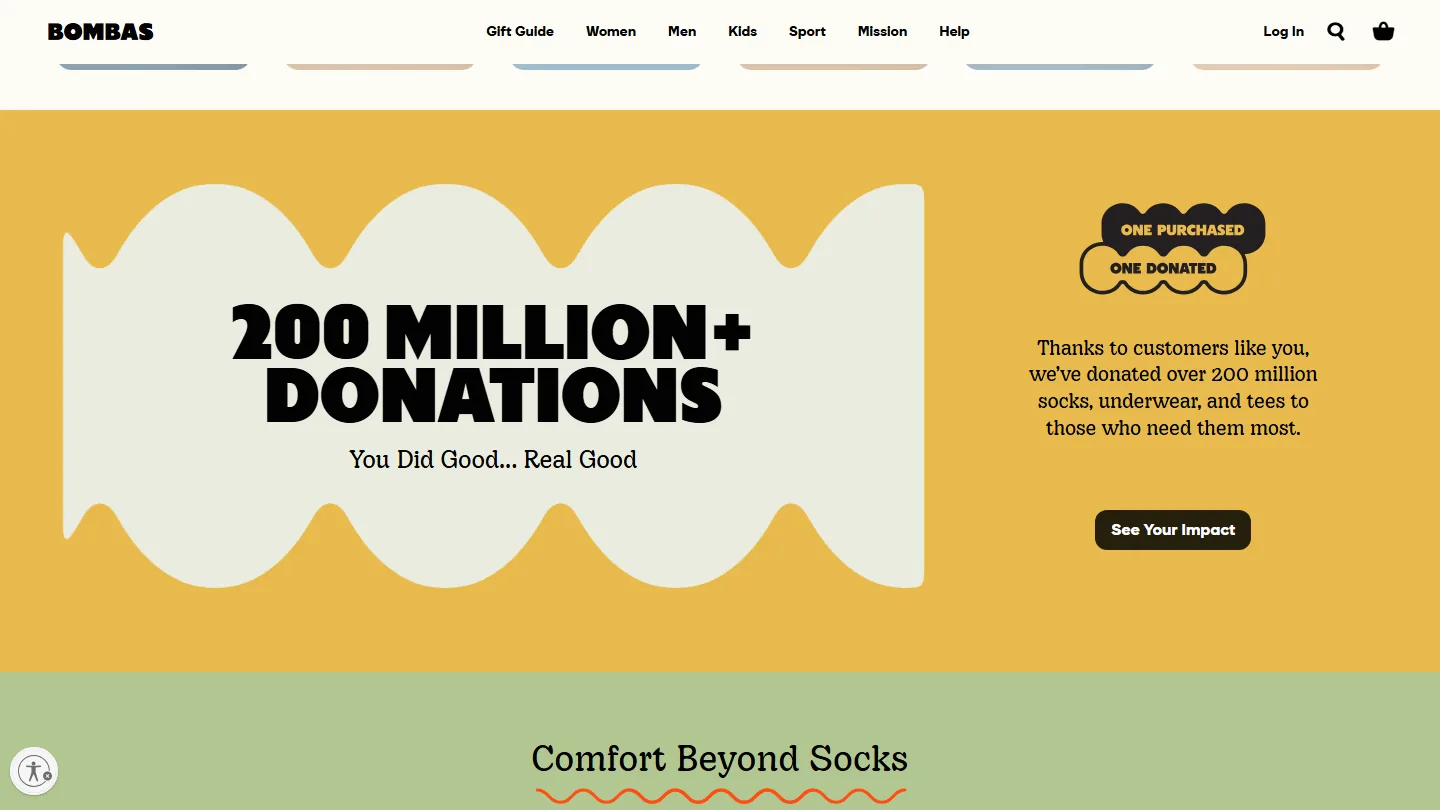
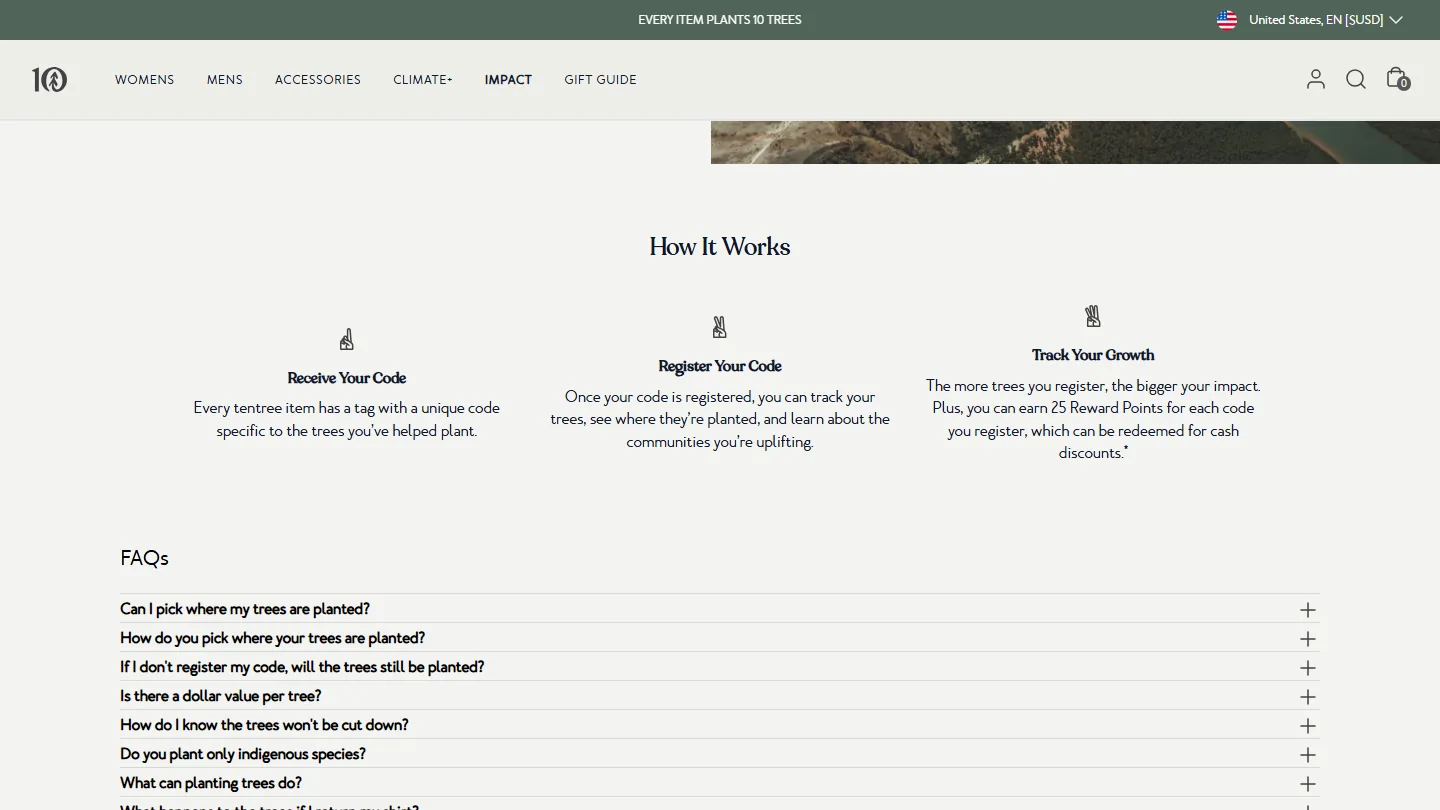
- Transparent Cause-Driven Reporting: For brands with social or environmental missions, quantifiable impact reporting builds trust and resonates with values-driven consumers. Bombas, Tentree, BLK & Bold, and Beauty Bakerie showcase their donations or impact metrics, turning ethical consumption into a tangible experience.
- Optimized Page Speed and User Experience: Beyond visual aesthetics, the technical performance of a Shopify store is paramount. Successful brands prioritize page speed, aligning with Google’s Core Web Vitals, which recommend main content loading within 2.5 seconds, tap/click responses within 200 milliseconds, and minimal layout shifts. Regular site speed audits are a non-negotiable for these leaders.
Crucially, many of these strategies culminate in a call for customer sign-ups—whether for restock alerts at Kylie Cosmetics or drop notifications at LSKD. The efficacy of these sign-ups is magnified by sophisticated email and SMS marketing automations. According to Omnisend’s 2026 e-commerce marketing report, automated messages, despite constituting only 2% of all email sends in 2025, generated a remarkable 30% of total email-driven revenue. Similarly, automated SMS messages yielded an average of $0.74 per send, significantly outperforming campaign-based messages at $0.15 per send, highlighting the critical role of timely, personalized communication in driving conversions.
Spotlight on Leading Brands Across Key Categories
Beauty and Personal Care: Eliminating Guesswork
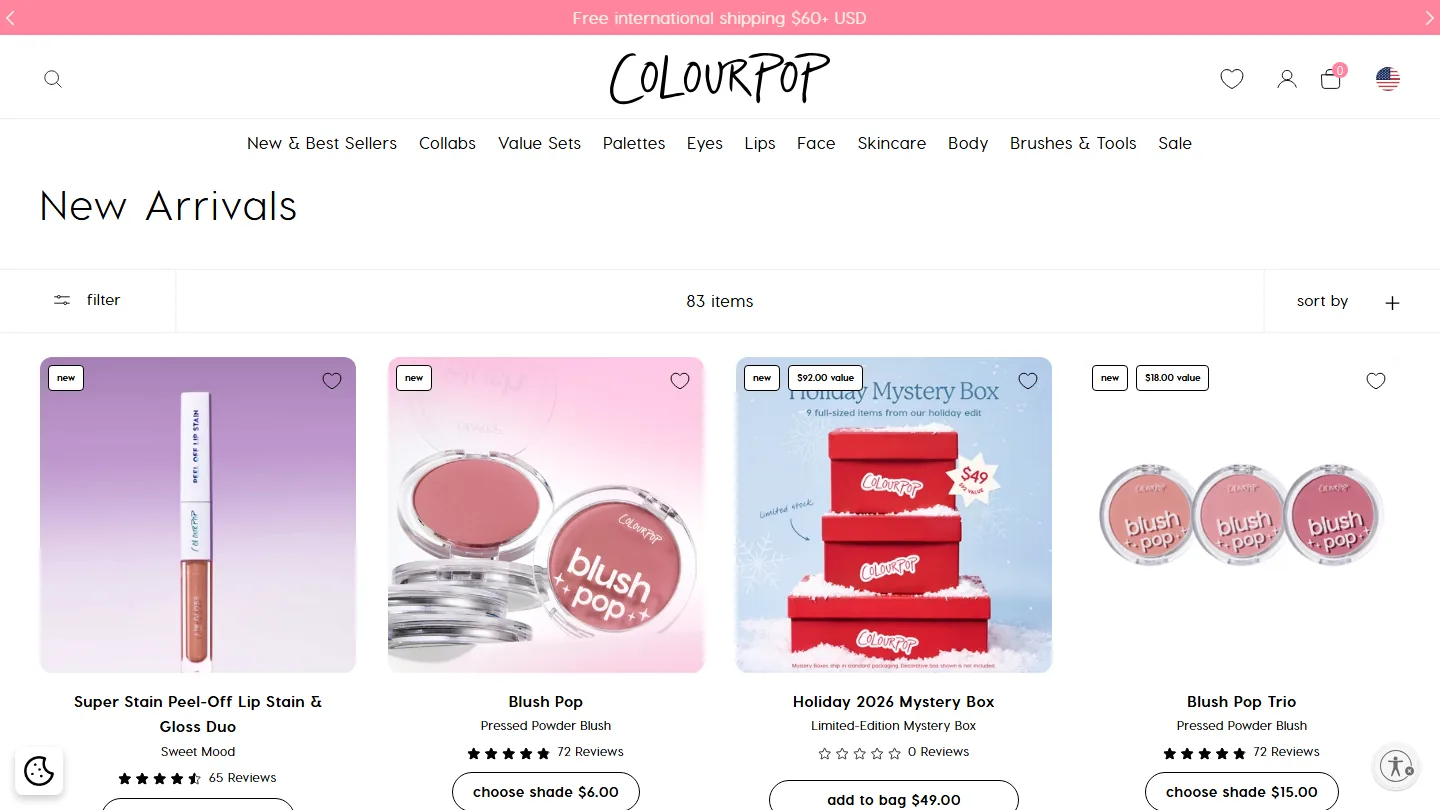
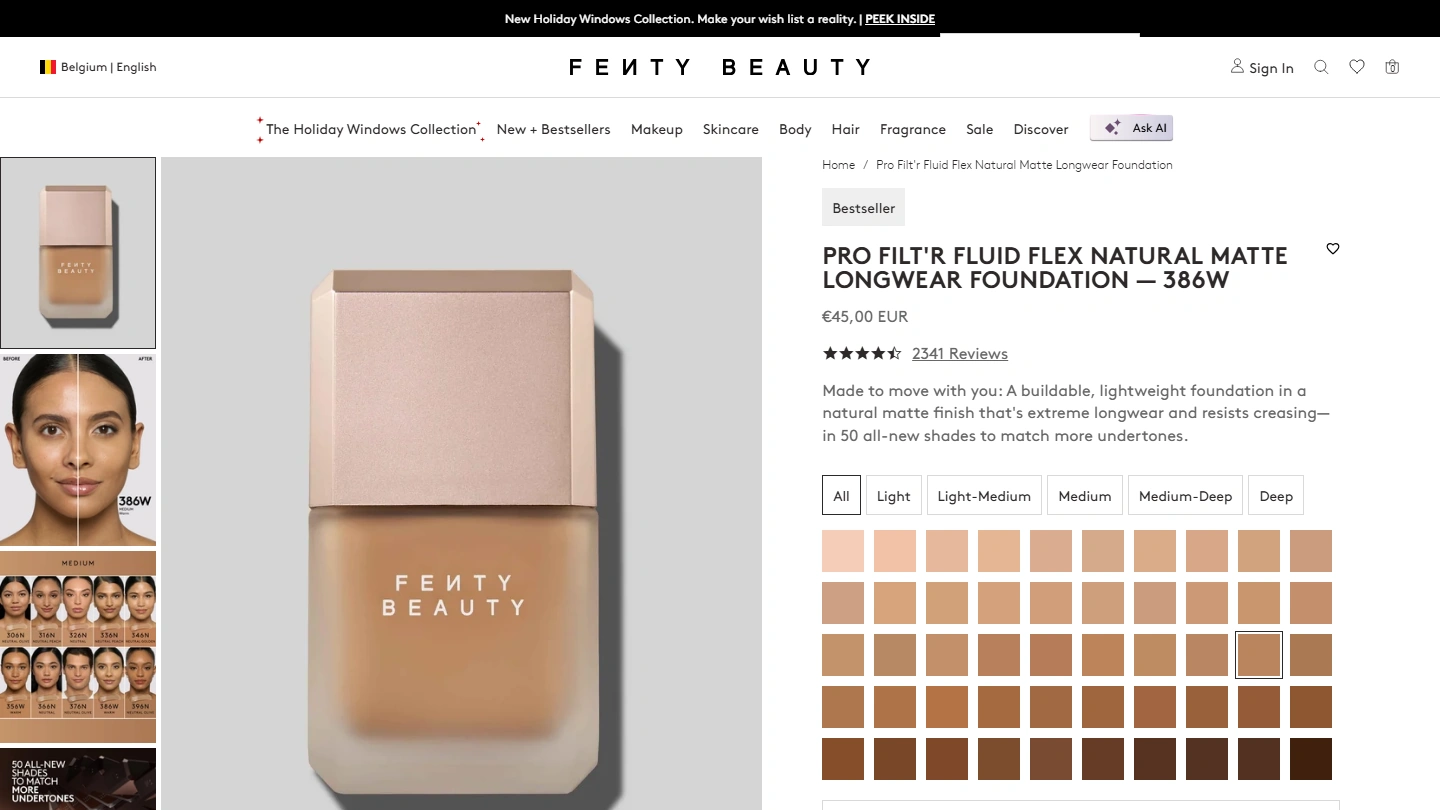
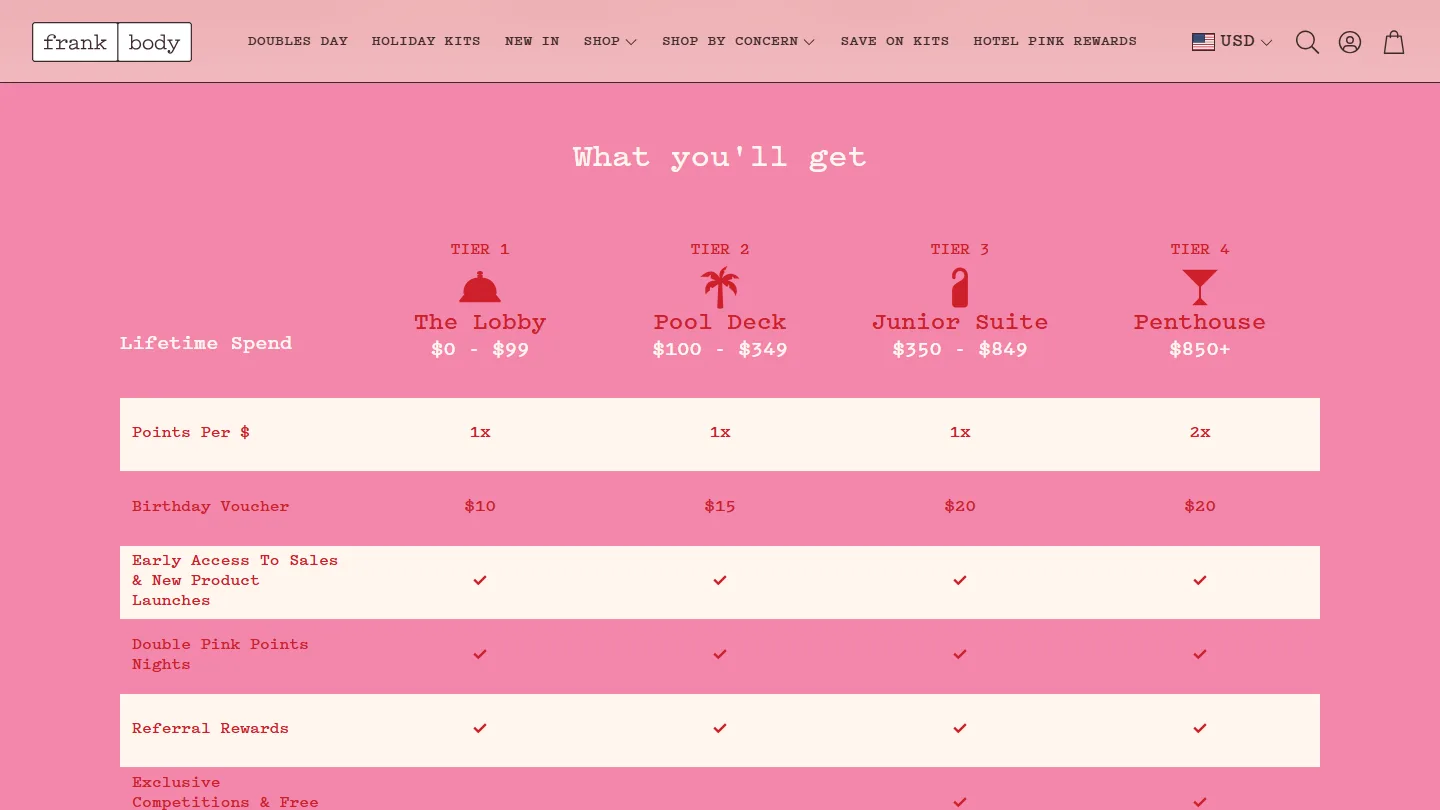
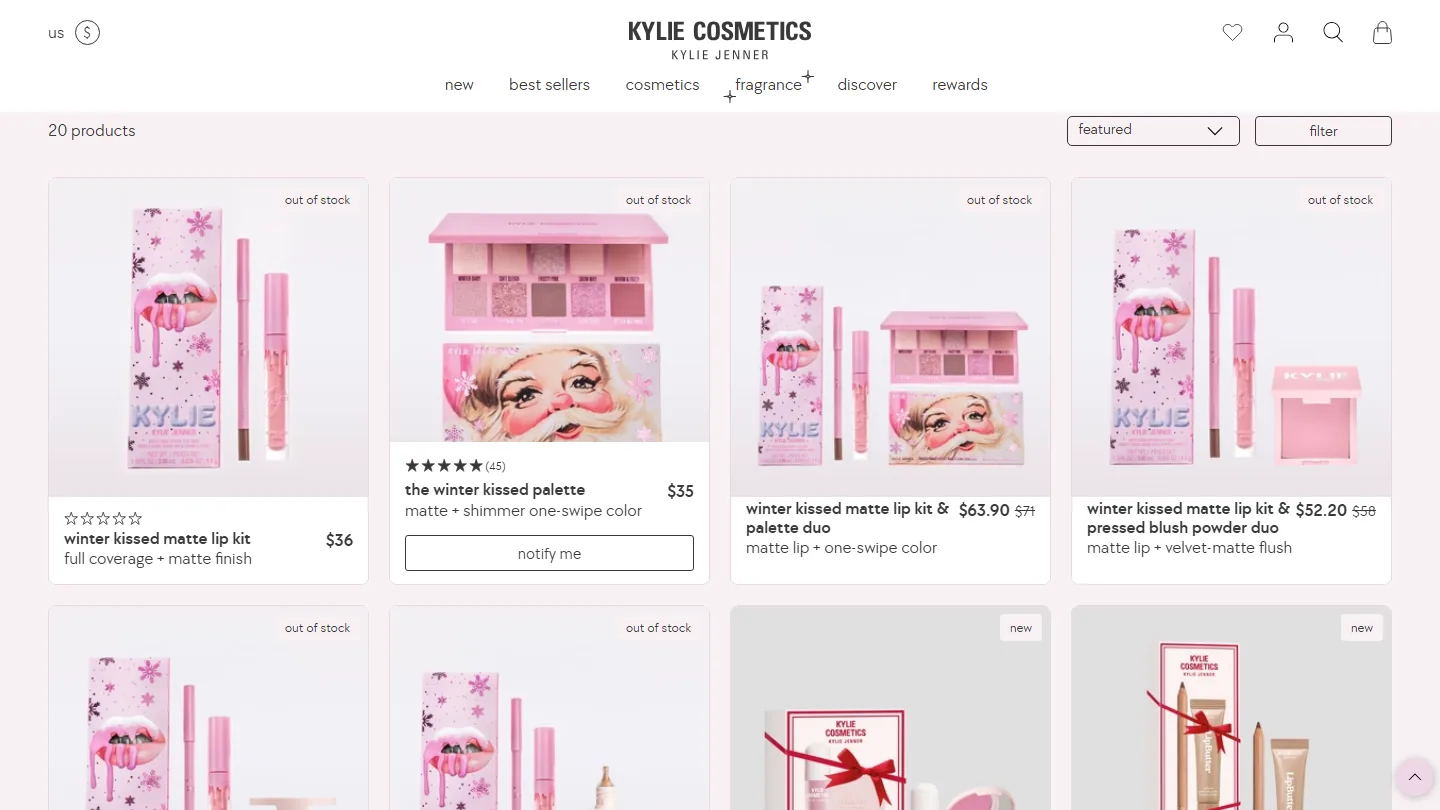
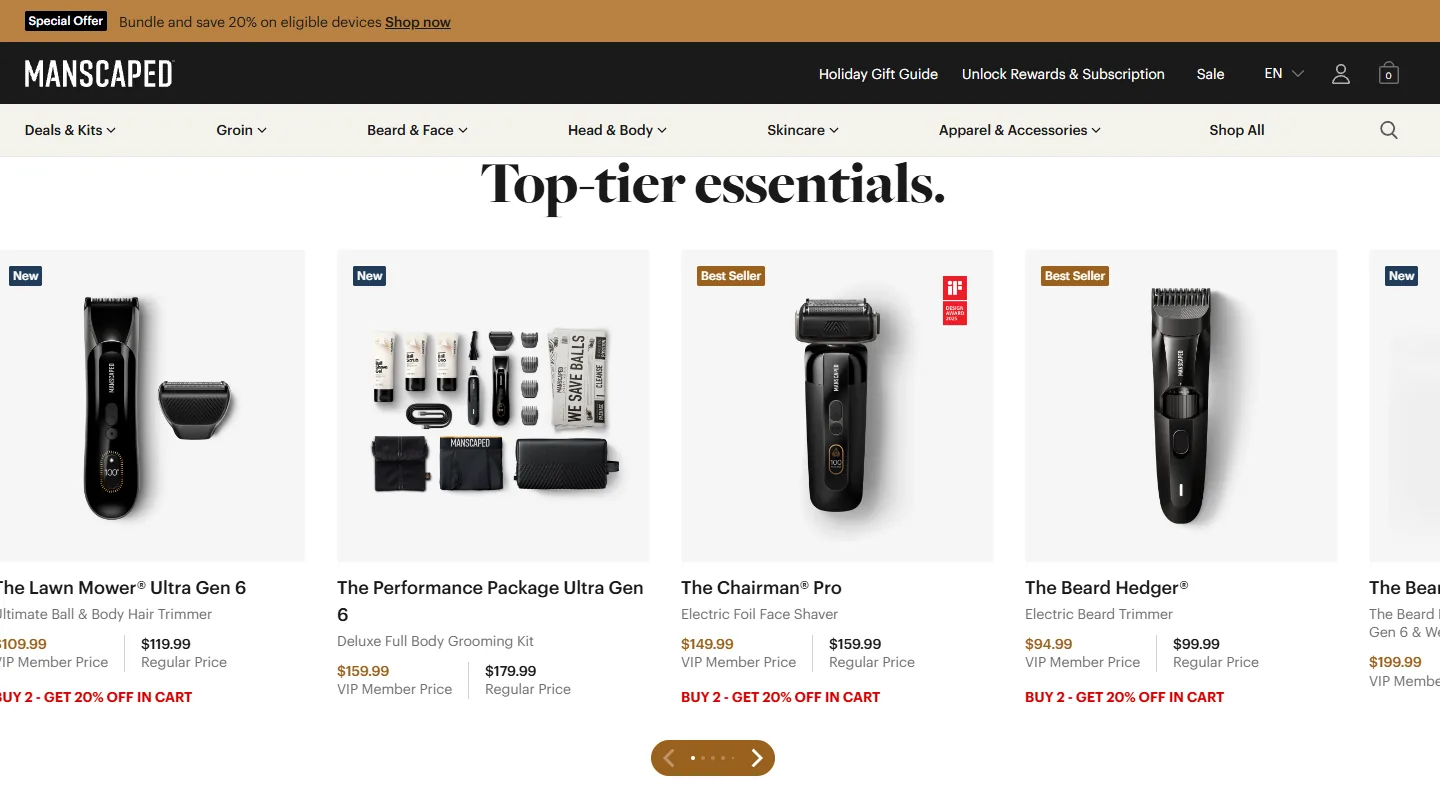
Beauty brands on Shopify excel at demystifying online product selection. Rare Beauty and Bondi Sands leverage quizzes for personalized recommendations, while Hismile and Bushbalm empower customers to build custom bundles. Frank Body engages customers with a hotel-themed loyalty program, fostering repeat purchases. Kylie Cosmetics, a titan in the space with estimated 2025 online sales of $496 million, masterfully uses limited drops and "notify me" buttons for sold-out items to build anticipation and capture leads for future restocks. Fenty Beauty, with $35 million in online sales, addresses diversity with 50 foundation shades, expertly sorted by depth and undertone, ensuring an inclusive and efficient shopping experience. Manscaped, generating $30 million, effectively uses kits and subscriptions to encourage repeat orders for its men’s grooming products.
Fashion and Apparel: Mastering Fit and Fostering Loyalty
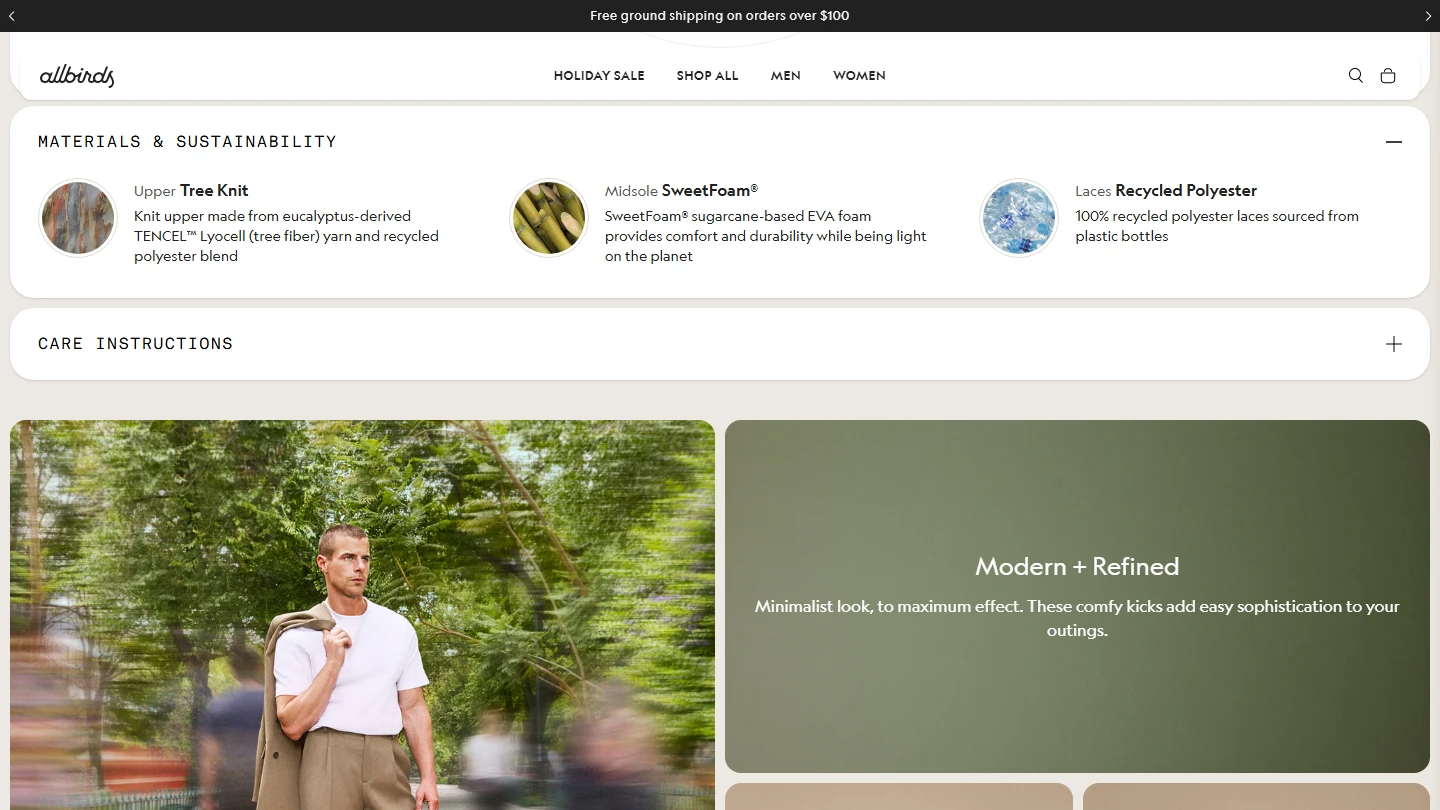
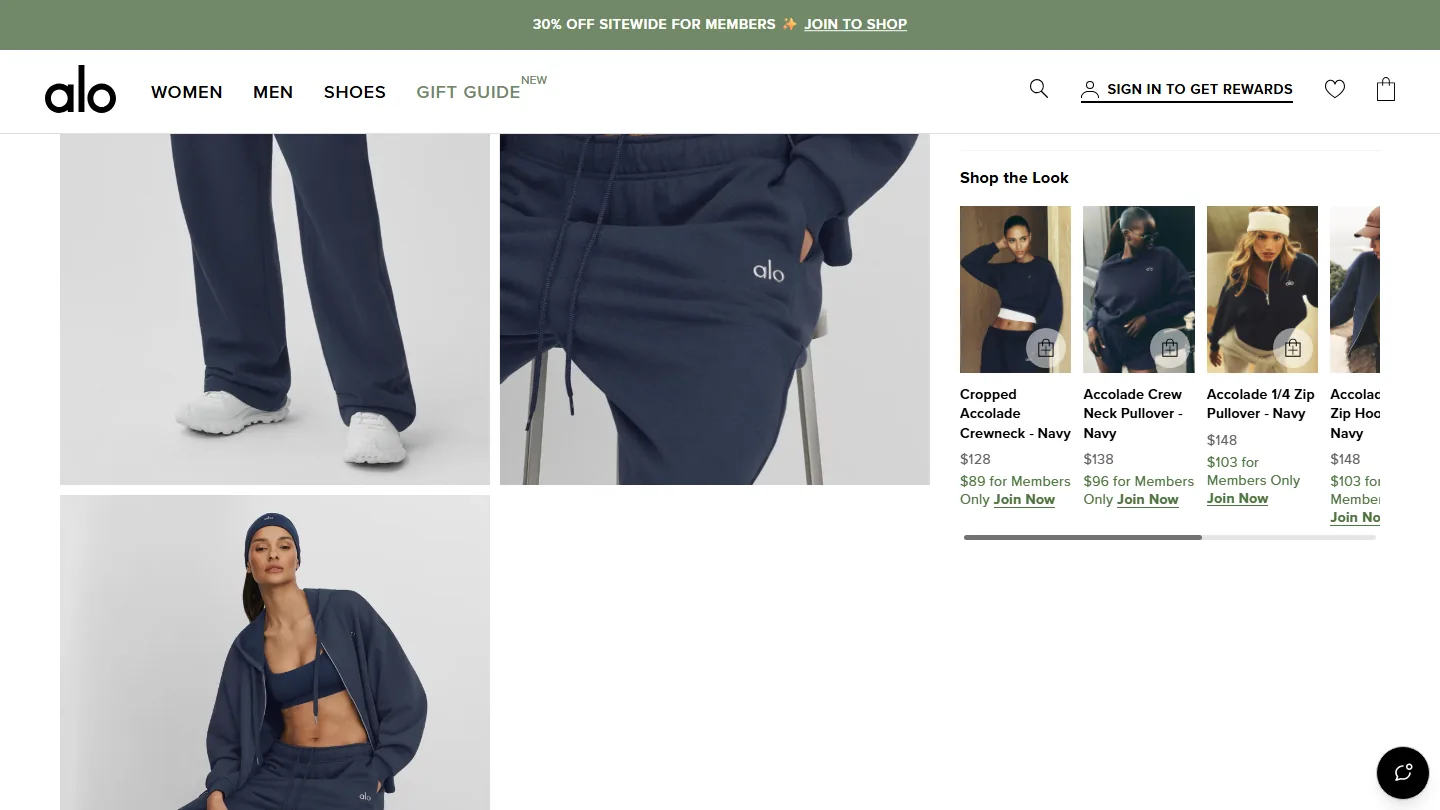
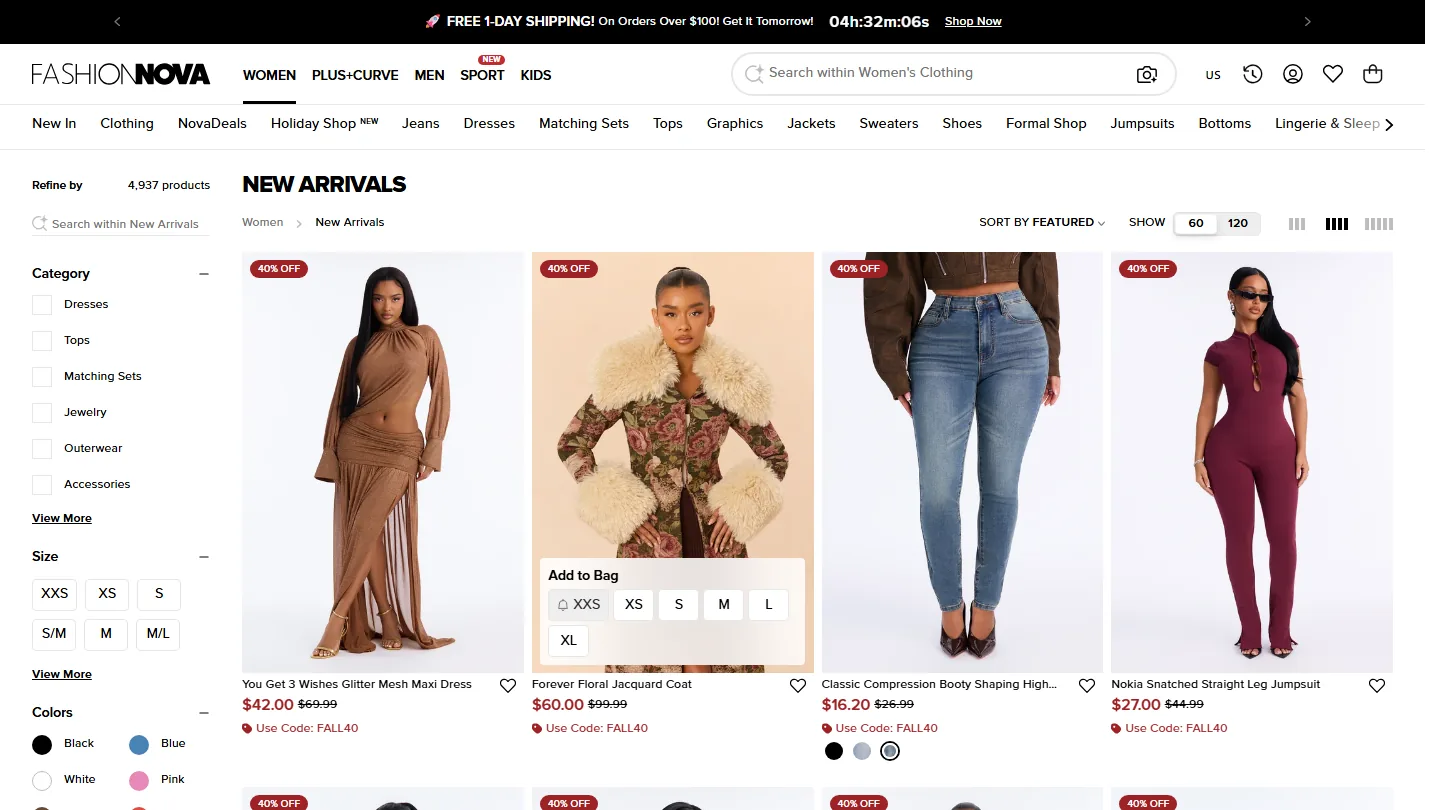
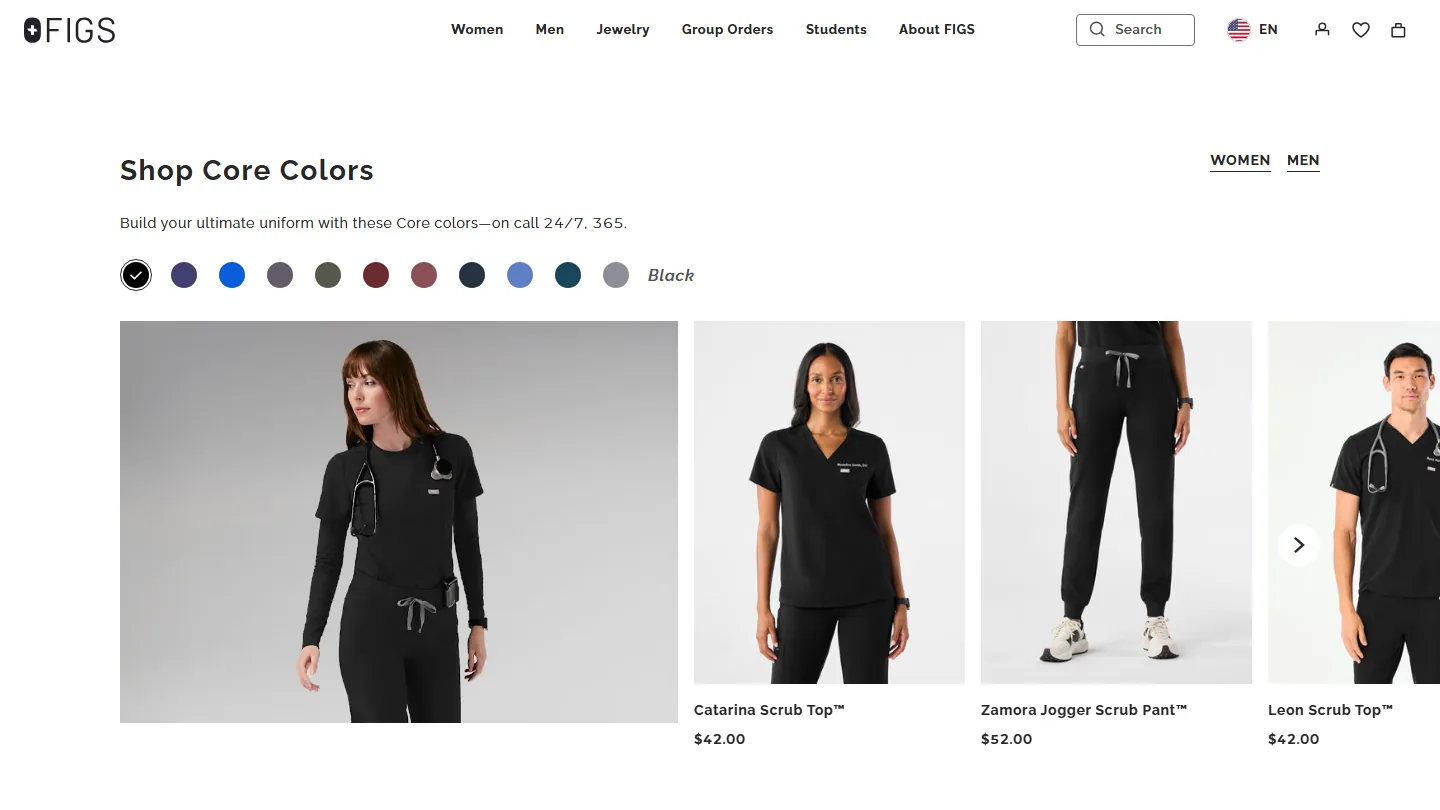
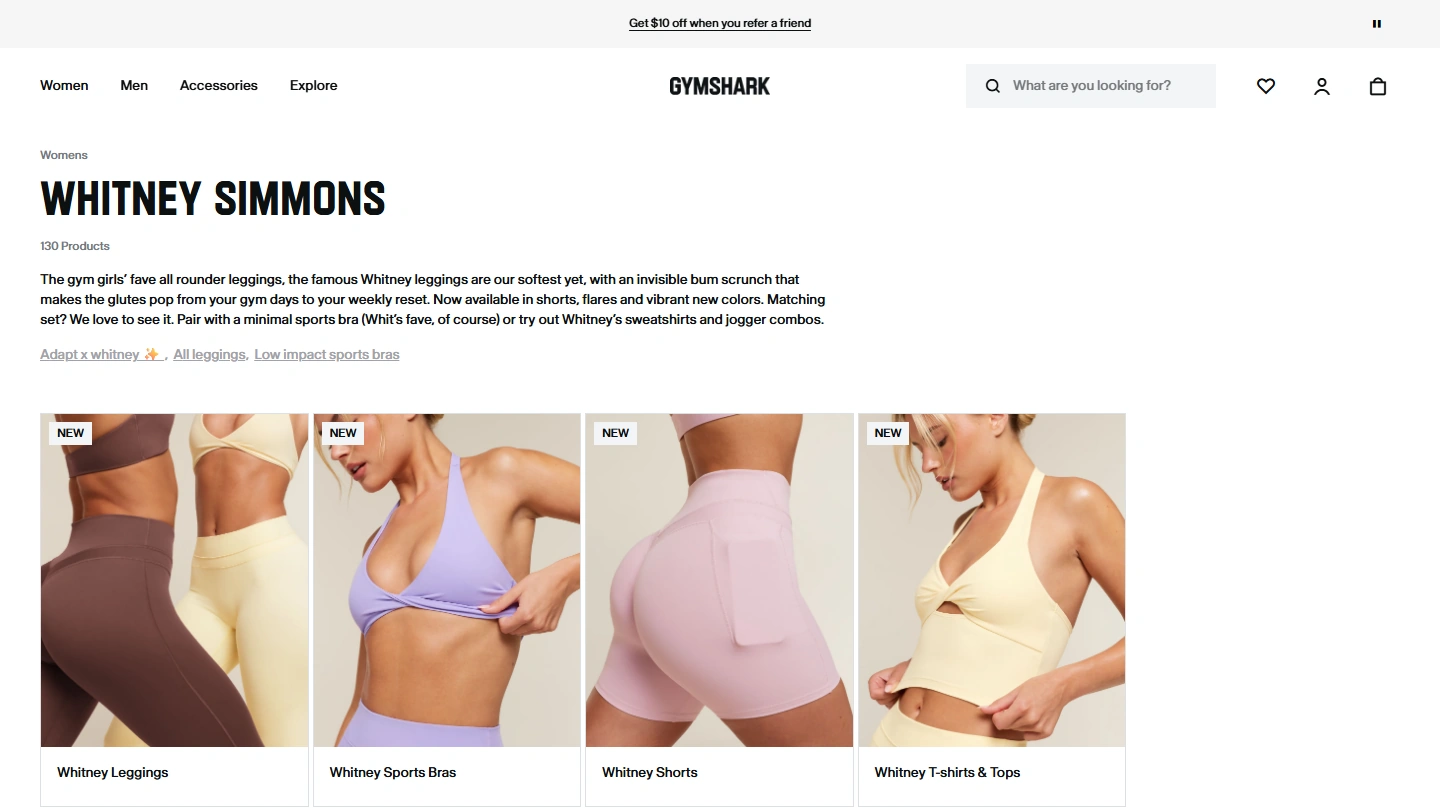
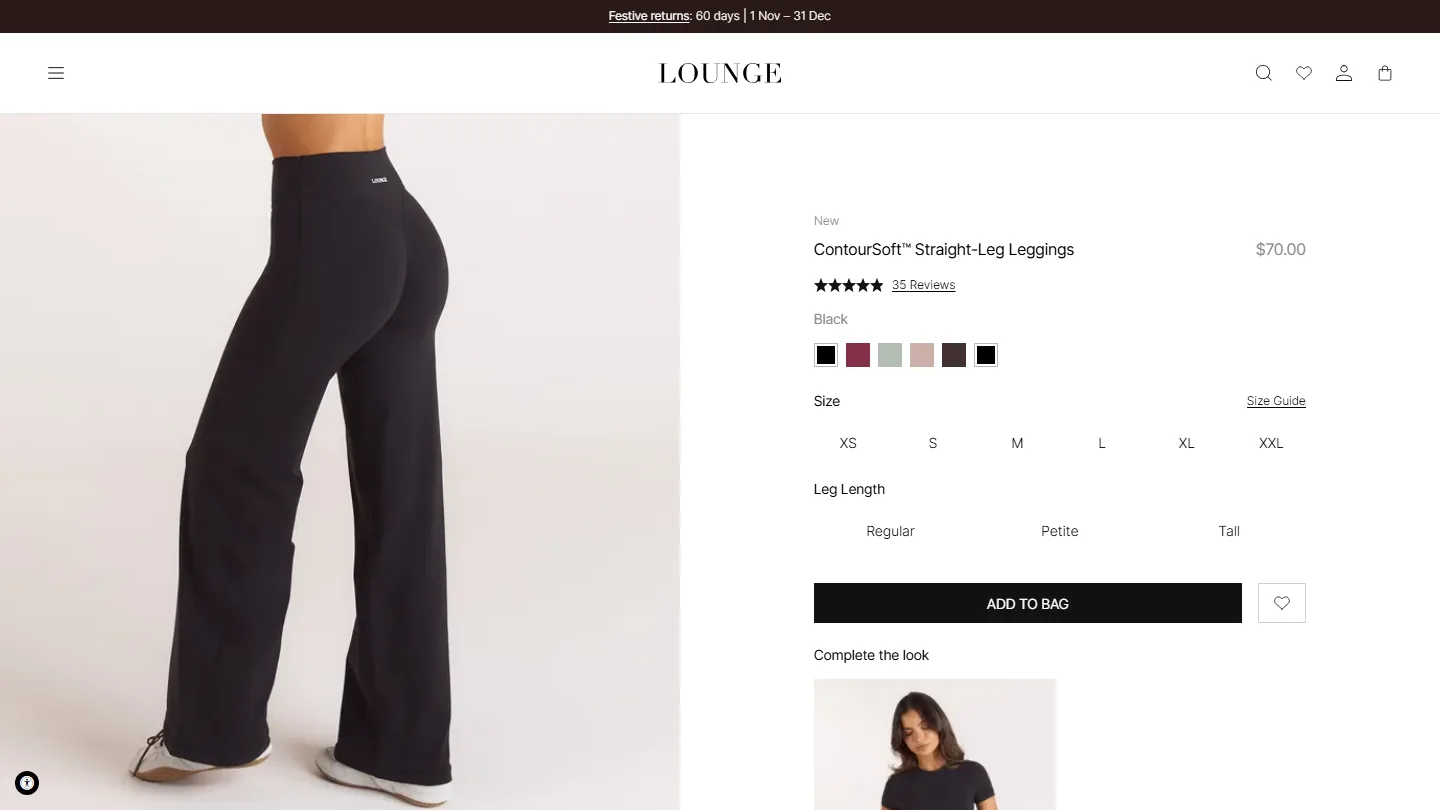
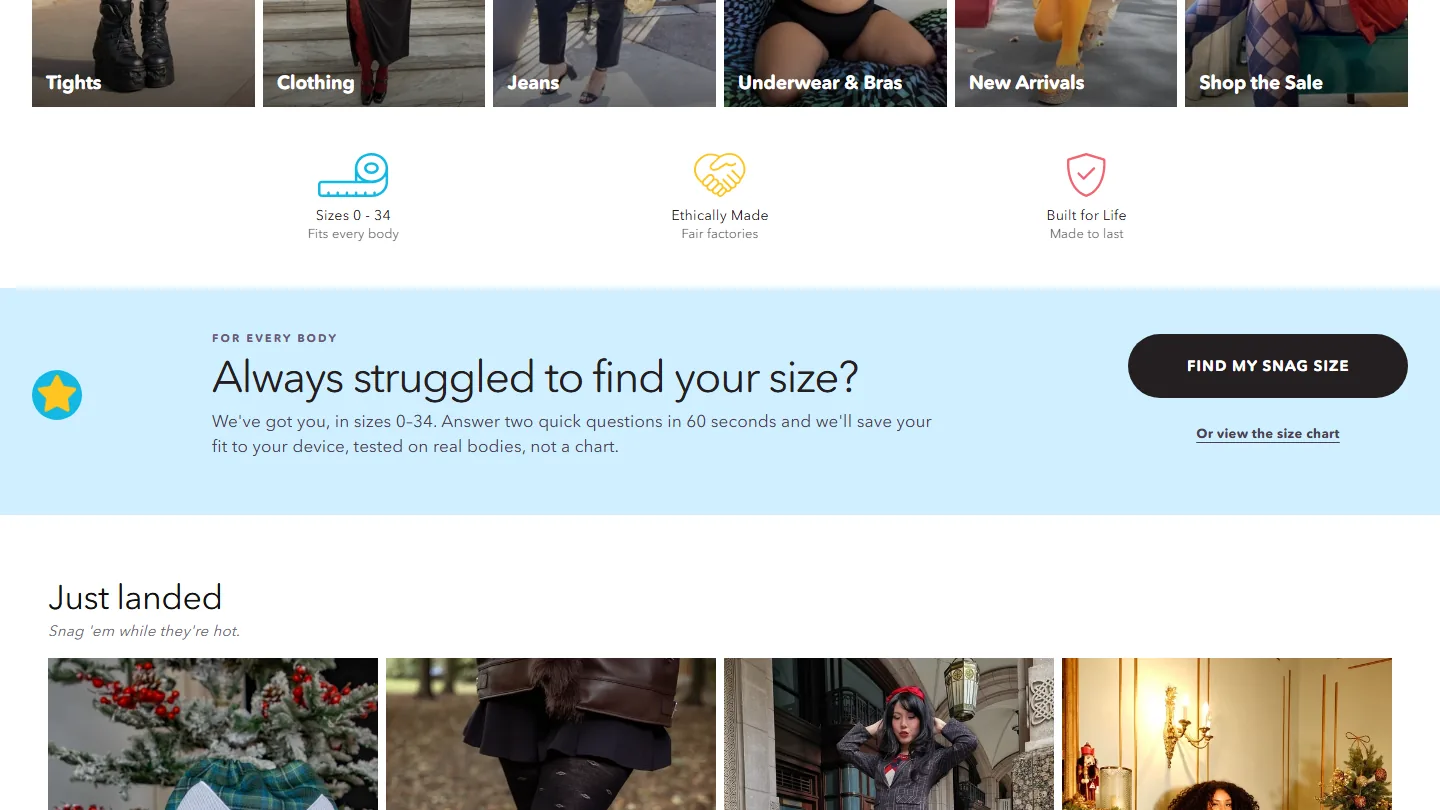
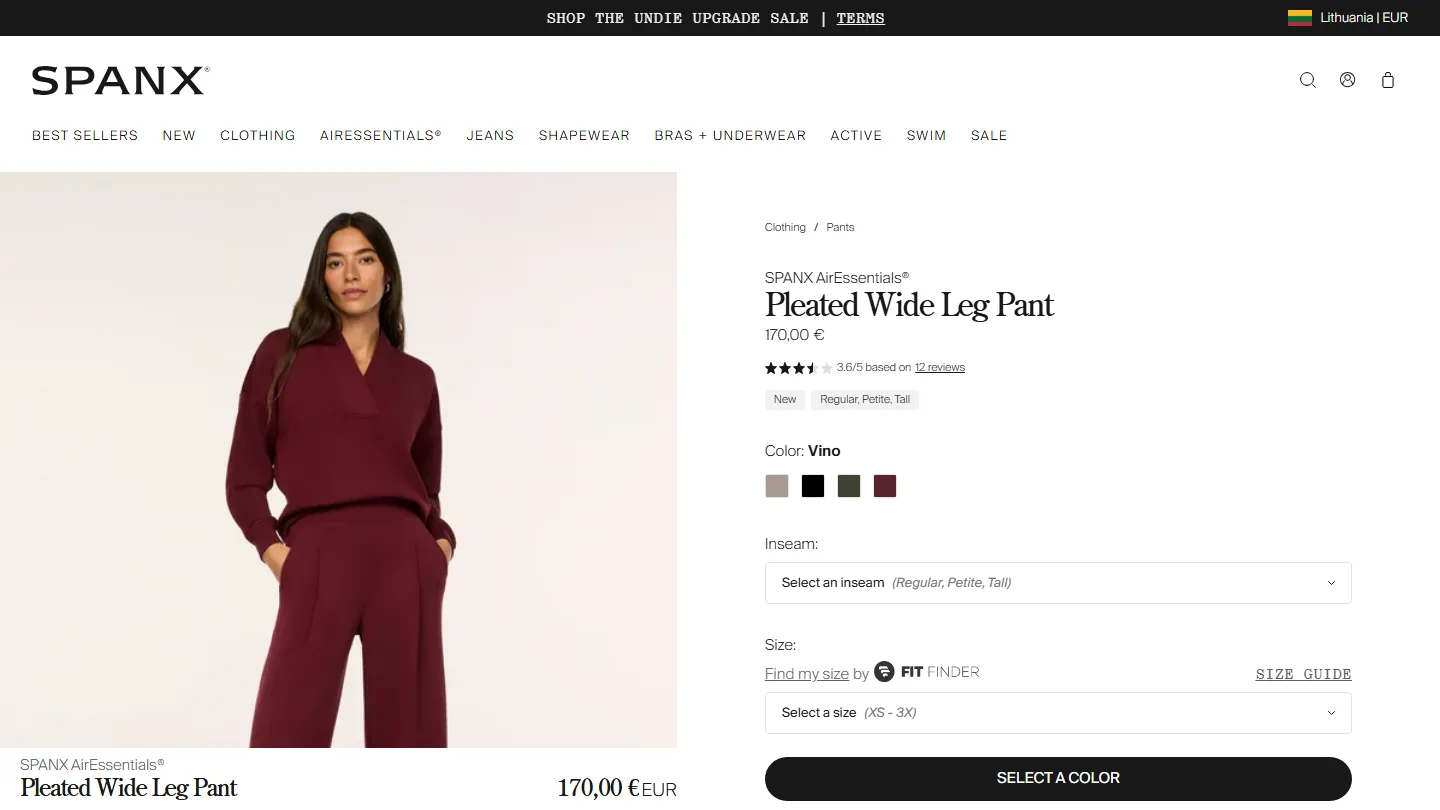
Fashion retailers confront the challenge of fit and style perception in a digital environment. Snag and Spanx integrate size finders directly into product pages, minimizing returns. Allbirds, with $153 million in net revenue, transparently lists the sustainable materials for each shoe component, appealing to eco-conscious consumers. Alo Yoga ($454 million) blends shoppable lifestyle content with product displays, showcasing outfits in context. FIGS, a leader with $631 million in net revenue, ensures uniform reorders by maintaining a consistent palette of "core colors." Gymshark ($548 million) cultivates a loyal community through athlete partnerships and dedicated collection pages for creators like Whitney Simmons, along with a robust loyalty program. SKIMS ($358 million) uses waitlists for sold-out limited editions to signal demand and reward loyal customers with early access. Fashion Nova ($459 million) navigates its vast, rapidly updated catalog with efficient filters and quick add-to-bag options directly from product grids. Bombas ($130 million) integrates its "one-for-one" donation model directly into the customer journey, publicly tracking its impact to build a deeper connection with buyers.
Accessories and Jewelry: Simplifying Complex Choices
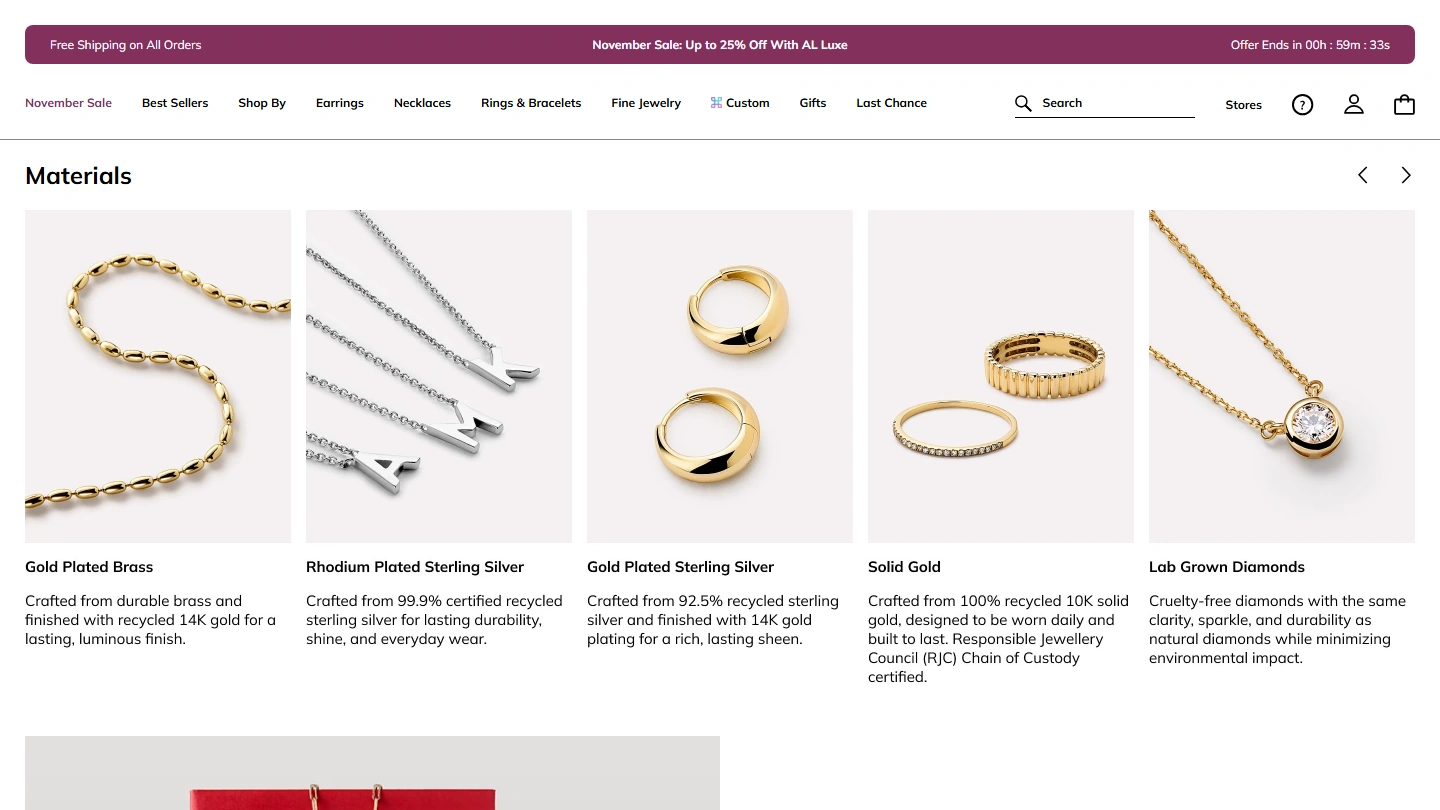
Brands in this category often face the challenge of differentiating visually similar products or conveying intricate details online. Away ($107 million) simplifies luggage selection with a comparison page that describes carry-on sizes by trip length and outfit capacity. Ekster and Loop Earplugs utilize short, engaging quizzes to guide customers to the perfect wallet or earplug based on their needs, rather than overwhelming them with specs. MVMT ($13 million) strategically places brand proof and social validation next to a persistent add-to-cart bar, building trust at the point of decision. Ana Luisa emphasizes sustainability by detailing recycled content for its jewelry materials, while Pura Vida offers fixed-price style bundles for effortless purchasing. Ridge integrates review counts directly on product cards to expedite decision-making and leverages limited drops to create urgency.
Food and Beverage: Cultivating Repeat Orders and Brand Identity
Success in food and beverage e-commerce often hinges on securing repeat purchases and building a strong brand narrative. Huel ($239 million) makes subscriptions the default option on product pages, reassuring customers with clear cancellation terms. Magic Spoon excels with build-your-own bundles, offering tiered savings to encourage larger orders. Liquid Death ($16 million) stands out with its distinctive, dark-humored brand voice, transforming a commodity product (water) into a lifestyle statement. BLK & Bold showcases its social impact report prominently on its homepage, tying purchases to a tangible cause. Death Wish Coffee combines urgency with its subscription club, offering early access to new releases for loyal members. Fly By Jing leverages heritage-led storytelling through its founder, authenticating its premium pricing. Heatonist capitalizes on media partnerships, releasing hot sauce packs aligned with seasons of the popular show Hot Ones, creating a recurring event for fans.
Health and Wellness: Building Trust Through Transparency and Guidance
In a sector often characterized by skepticism, transparency and education are key. Absolute Collagen employs clinical proof and a 90-day guarantee to support its subscription plans, aligning trial lengths with expected results. Saje Natural Wellness guides customers through its product range with a quiz that starts by asking about their shopping intent (for self, gift, or home). The Beauty Chef combines educational quizzes with subscription options, helping customers discover personalized wellness routines. The Honey Pot Co. provides detailed explanations of its plant-derived ingredients directly on product pages, addressing common concerns about intimate care products. Therabody ($44 million) enhances accessibility by enabling HSA and FSA payments at checkout for eligible devices, removing a financial barrier for many customers.
Home and Lifestyle: Bridging the Physical-Digital Divide
Buying home goods online often involves a leap of faith regarding size, comfort, and aesthetics. Koala ($129 million) and Endy ($34 million) mitigate this risk with extensive home trials (120-day and 365-night respectively), prominently displayed on their product pages. Ruggable ($359 million) uses lifestyle room photos at specific sizes to help customers visualize rugs in their own spaces, tackling the scale challenge directly. Barnes & Noble ($114 million in 2025 pre-migration sales) differentiates its book offerings with exclusive and signed editions, creating unique value for its online store since its move to Shopify in June 2026. Lovevery ($96 million) offers age-based play kits via subscription, simplifying toy selection for parents. Mattel Shop and Netflix Shop optimize navigation around what buyers already know—child’s age for toys, or show title for merchandise—catering to gift-givers and fans. Our Place uses a tiered loyalty club, the "Dirty Dishes Club," tied to annual spend to encourage repeat purchases of complementary items, acknowledging the infrequent nature of cookware purchases. Tonies employs a guided bundle builder for its audio players, and Who Gives A Crap uses a quiz to tailor subscription schedules for its consumable products based on household size and storage. Wild One allows customization of dog walk kits, letting customers pick individual component colors.
Sports, Outdoors, and Tech: Customization and Assurance
High-value and technical products in these categories benefit from tools that enable customization, provide comprehensive guarantees, and clarify complex features. Condor Cycles offers a "Build Your Bike" configurator, allowing enthusiasts to customize every component with real-time price updates. Cotopaxi ($50 million) consolidates its post-purchase support under a "Guaranteed for Good" promise, covering returns, repairs, and trade-ins, providing long-term assurance for durable gear. Cowboy uses scroll-driven product storytelling to sequentially highlight features of its e-bikes, making complex technology digestible. Ember labels its temperature-control drinkware with specific use-case descriptions, helping customers choose between similar-looking items. LSKD generates excitement for new collections with pre-launch drop pages featuring countdowns and email sign-ups. Peak Design ($28 million) retains a competitive edge by offering exclusive colors for its bags only on its direct-to-consumer store. Rad Power Bikes ($90 million in 2025 pre-bankruptcy) simplifies e-bike selection with a nine-question quiz focused on intended use. Stanley ($401 million) adds value to its popular tumblers with an engraving customizer, offering a personalized touch unavailable through retailers. Vuori ($213 million) integrates free workout classes with shoppable outfits, linking content to commerce seamlessly.
Growing with Omnisend: Case Studies in E-commerce Marketing
Beyond the strategic design of their Shopify stores, many brands amplify their growth through sophisticated marketing automation platforms. Omnisend, a leading e-commerce marketing automation platform, highlights several success stories:
- Dukier: This Madrid-based dog accessories brand saw Omnisend-attributed revenue skyrocket by 525% between 2022 and 2025, from €82,857 to €518,860. Automated welcome, abandoned cart, and lead capture series, delivered in five languages, accounted for 55% of the 2025 revenue, demonstrating the power of multilingual, automated communication.
- Coogee Bikes: Founded in 2025, this Sydney e-bike brand leverages a comprehensive welcome series to address common buyer questions about legality, range, and support. This automation alone drives 58% of its Omnisend-attributed revenue, with automations overall contributing 94% of total revenue from the platform.
- Empress Athleticus: An Australian size-inclusive activewear brand, Empress Athleticus combines segmented weekly drop sequences with robust welcome, abandoned cart, and post-purchase flows. This strategy resulted in a 165% email revenue growth in 2025 and 2,092 orders generated by the welcome series in 2026, showcasing the impact of targeted, automated campaigns.
- MUSS: The Latvian wellness brand strategically uses SMS as a follow-up only for customers who haven’t opened emails. This intelligent sequencing led to a significant increase in open rates, from an average of 24.7% in March-April 2025 to 34.8% in the same period of 2026, proving the value of a multi-channel, optimized approach. As Patricia Jimenez, Ecommerce Manager at Dukier, aptly summarizes, "Almost 50% of our revenue comes from Omnisend, and more than half of that success is thanks to intelligent email automations that convert more and better."
Strategic Implications and Future Outlook
The successes of these 70+ Shopify stores in 2026 provide clear strategic directives for the broader e-commerce industry. The consistent patterns observed across diverse categories—from personalized product discovery and value-driven bundling to sophisticated subscription models and transparent cause marketing—underscore the importance of a customer-centric approach. Businesses that proactively address common purchase hesitations, whether through interactive quizzes, comprehensive guarantees, or detailed product visualization, are poised for sustained growth.
Furthermore, the increasing adoption of headless commerce by major brands like FIGS, SKIMS, and Caraway, leveraging Shopify’s backend with custom frontends (e.g., Hydrogen or Gatsby), signifies a trend towards greater flexibility and bespoke brand experiences without sacrificing Shopify’s robust commerce capabilities. The emphasis on marketing automation, particularly the high ROI of automated email and SMS flows, highlights the critical need for integrated platforms like Omnisend to nurture customer relationships and drive conversions efficiently.
As e-commerce continues its rapid evolution, the principles of clear communication, personalized engagement, and technological adaptability, as demonstrated by these leading Shopify stores, will remain paramount for achieving and sustaining success in the competitive digital retail landscape.
Frequently Asked Questions
What are the biggest Shopify stores by online sales?
The Shopify stores leading in 2025 online sales on this list include FIGS (reporting $631 million in net revenue), Gymshark (estimated $548 million), and Kylie Cosmetics (estimated $496 million). These are closely followed by Fashion Nova (estimated $459 million) and Alo Yoga (estimated $454 million), demonstrating the platform’s capacity to host enterprises generating hundreds of millions in online revenue.
What are some of the best Shopify websites to learn from?
To gain actionable insights, several Shopify websites stand out. Rare Beauty offers an excellent model for guided buying with its intuitive four-step shade finder integrated into the main menu. Ruggable provides a masterclass in visual merchandising, effectively using room photos to address sizing doubts for large home goods. Huel’s product pages are exemplary for presenting subscription models, clearly outlining terms and benefits to encourage recurring purchases. Each of these showcases how design and functionality can directly support sales goals.
What generally defines the look and feel of successful Shopify websites?
While diverse in branding, successful Shopify websites often share common aesthetic and functional characteristics. Expect lean layouts that prioritize visual storytelling through large, high-quality lifestyle photos or engaging videos, as seen on Kith’s dynamic homepage. A strong emphasis on social proof is also typical, with prominent customer reviews (e.g., Glossier’s detailed product page testimonials) and visible review counts (e.g., Ridge’s collection page displays) building trust and credibility. The overall impression is typically clean, modern, and highly user-friendly.
Is Shopify still a worthwhile platform in 2026?
Yes, Shopify remains a highly valuable platform for consumer brands in 2026, catering to a spectrum from individual entrepreneurs to major global brands like SKIMS. With online store plans starting affordably (e.g., $29 a month on yearly billing) and merchants collectively transacting $119 billion through Shopify in Q3 2026 alone, its ecosystem continues to demonstrate robust growth and capability. However, businesses should consider alternatives if they cannot utilize Shopify Payments, as third-party transaction fees can reach up to 2%, impacting profitability.
Which prominent celebrity brands operate on Shopify?
Several high-profile celebrity-backed brands successfully utilize Shopify for their e-commerce operations. This list includes Kylie Cosmetics (Kylie Jenner), Fenty Beauty (Rihanna), SKIMS (Kim Kardashian), and Rare Beauty (Selena Gomez). Additionally, Taylor Swift’s official merchandise store, selling music, apparel, and accessories, is also powered by Shopify, highlighting the platform’s appeal to brands with massive fan bases and diverse product lines.

 Layla Zulfa

 Ali Ikhwan