Iffa Jayyana
In the hyper-competitive landscape of digital commerce, the distinction between a successful marketing campaign and a costly failure often rests upon the technical and aesthetic quality of a single standalone web page. As of early 2026, the industry standard for digital conversion has shifted decisively away from multi-purpose homepages toward highly specialized landing pages. These assets, designed for specific advertising and marketing channels, serve as the critical "landing" point for visitors following an interaction with an ad, email, or social media post. Industry data suggests that a professional, polished landing page is no longer a luxury but a fundamental requirement for maintaining sustainable customer acquisition costs (CAC) and high conversion rates.

The Strategic Shift Toward Standalone Conversion Assets
Historically, digital marketing directed traffic to a company’s primary homepage. However, as user attention spans have bifurcated and the cost per click (CPC) on major advertising platforms has risen, marketers have adopted a "singular focus" methodology. A landing page is defined as a standalone environment that exists outside of a website’s main navigation, engineered to drive a specific action—whether that be a lead generation form completion, a software signup, or a direct product purchase.
The principle of "Conversion Centered Design" (CCD) has become the cornerstone of this evolution. Experts at Unbounce, a leading platform in the space, suggest that the most effective pages in 2026 share several core traits: a singular call to action (CTA), the absence of distracting navigation links, and a value proposition that is immediately visible "above the fold"—the portion of the page viewable without scrolling.
Analyzing Sector Leaders in SaaS and Entertainment
The effectiveness of minimalist design is best exemplified by global leaders in the Software as a Service (SaaS) and entertainment sectors. Netflix, which reported surpassing 300 million global subscribers by late 2025, utilizes a landing page strategy centered on extreme simplicity. By removing nearly all navigational hurdles and focusing exclusively on a "Get Started" email field, the platform minimizes "friction"—the psychological resistance a user feels when asked to complete a task.

Similarly, Spotify has refined its conversion funnel by leveraging universal brand recognition. Their landing pages often bypass lengthy product descriptions in favor of immediate access to streaming. This approach assumes a high level of "brand salience," where the consumer already understands the utility of the service and merely requires a frictionless path to entry.

LinkedIn, conversely, employs a benefit-driven strategy for its "Premium" tiers. Rather than focusing on the software’s features, the landing page targets the user’s career aspirations, highlighting how the service helps job seekers "stand out" to recruiters. This psychological alignment between the user’s personal goals and the product’s utility is a hallmark of high-converting professional services pages.

The Impact of Visual Design and Psychological Triggers
The role of color theory and visual storytelling has moved to the forefront of landing page optimization. Mailchimp’s use of a vibrant yellow background is a documented strategic choice; the color is psychologically associated with energy and attention, which aligns with the brand’s identity as a growth-oriented marketing tool.

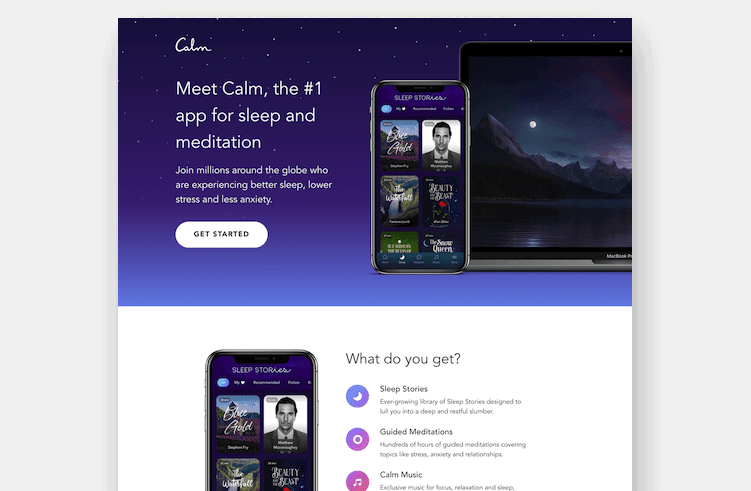
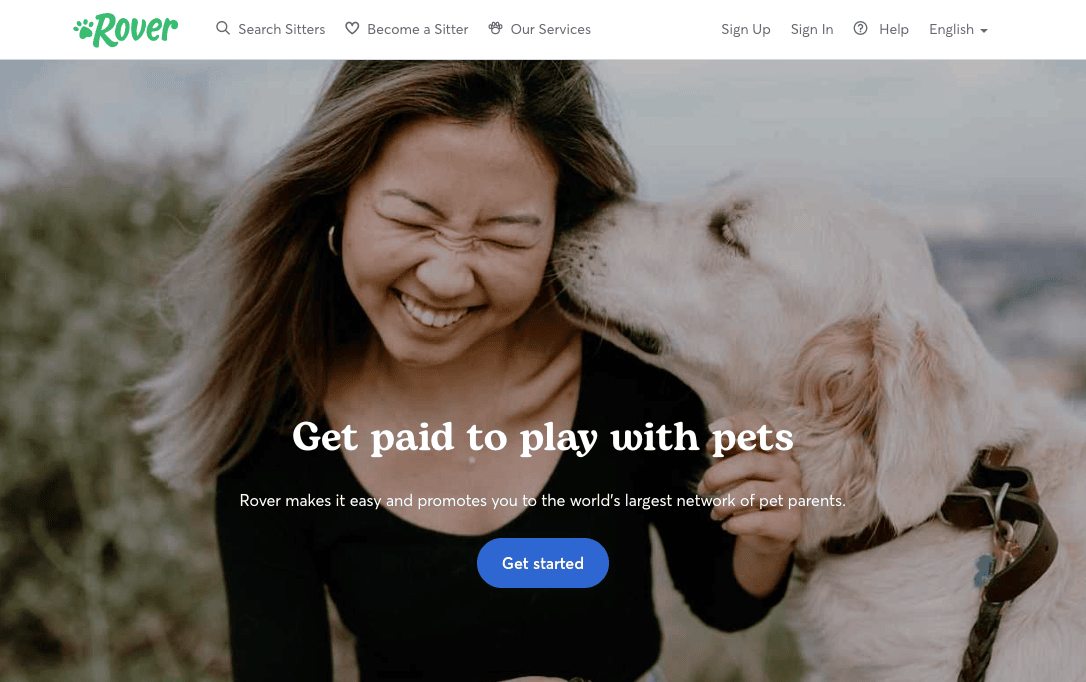
Beyond color, the integration of high-definition video has become a non-negotiable standard for many industries. Research into landing page performance indicates that the inclusion of video content can increase conversion rates by as much as 86%. This is particularly evident in the "Pet Services" and "Health and Wellness" sectors. Companies like Rover and Calm utilize serene imagery and video backgrounds to evoke emotional responses—trust in the case of pet care, and tranquility in the case of meditation apps.

Agency-Driven Innovation and the B2B Landscape
A significant portion of the most successful landing pages in the current market are the result of partnerships between brands and specialized conversion agencies such as MuteSix, Webistry, and J7 Media. These agencies have pioneered the use of "storytelling funnels" for e-commerce brands.

For instance, the grass-fed meat provider Grass Roots, in collaboration with MuteSix, utilizes a landing page that guides the visitor through a three-stage journey:

- Problem Awareness: Educating the consumer on the health and environmental impacts of industrial farming.
- Consideration: Positioning Grass Roots as the ethical and superior alternative.
- Conversion: Providing a clear financial incentive, such as a $30 discount, to lower the barrier to the first purchase.
In the B2B sector, the transformation is equally stark. Blue Forest Farms, a wholesale hemp provider, has successfully moved away from traditional "cannabis culture" aesthetics in favor of a clinical, sophisticated B2B design. This shift is essential for establishing credibility with corporate buyers and navigating the complex regulatory environments of 2026.

Data-Driven Performance and Benchmarking
The success of a landing page is measured by its conversion rate—the percentage of visitors who complete the desired action. While industry averages vary, specialized pages often see performance metrics far exceeding standard websites. Bariatric Eating, a niche nutrition brand, reportedly achieved a conversion rate of over 39% by using a friendly, approachable design that destigmatized its product line.

Key performance indicators (KPIs) for 2026 landing pages include:
- Time to Interactive (TTI): The speed at which a page becomes functional for the user.
- Message Match: The degree to which the landing page headline matches the ad copy that preceded it.
- Form Friction: The correlation between the number of form fields and the drop-off rate of potential leads.
Technical Implementation and the Role of No-Code Tools
The democratization of high-end web design has been accelerated by the rise of "drag-and-drop" builders. Platforms like Unbounce allow marketers to deploy sophisticated, A/B-tested pages without the need for extensive back-end development. This agility is crucial in a market where consumer trends can shift in a matter of days.
The standard workflow for creating a high-converting page now involves ten distinct steps, beginning with the definition of a single campaign goal and ending with continuous A/B testing. This iterative process allows brands to treat their landing pages as "living assets" that evolve based on real-time user data.
Broader Implications for the Digital Economy
The refinement of landing page strategies reflects a broader trend toward personalization in the digital economy. As artificial intelligence becomes more integrated into the browsing experience, landing pages are expected to become even more dynamic, automatically adjusting copy and imagery to suit the specific demographics and past behaviors of the individual visitor.
However, the core principles of human psychology remain the constant variable. The need for social proof—evidenced by the ubiquitous use of testimonials and "as seen in" media badges—continues to be the strongest driver of trust. Whether it is a SaaS platform like Gusto simplifying human resources or a boutique e-commerce brand like NANOR selling luxury candles, the objective remains the same: reducing the distance between a consumer’s desire and the fulfillment of that desire.

As we progress through 2026, the "Michael Jordan" level of marketing will not be defined by who has the largest budget, but by who can provide the most relevant, polished, and frictionless experience to the end user. The landing page is no longer just a part of the funnel; it is the definitive moment of truth for the digital brand.
Timeline of Landing Page Evolution
- 2000s: Early adoption of "squeeze pages" primarily used for email harvesting in affiliate marketing.
- 2010s: Rise of SaaS platforms (like Unbounce and HubSpot) making professional design accessible to non-developers.
- 2020-2023: The COVID-19 pandemic accelerates e-commerce adoption, making high-converting landing pages essential for business survival.
- 2024-2025: Integration of AI-driven copy generation and automated A/B testing becomes industry standard.
- 2026: The current era of "Hyper-Personalization," where landing pages serve as dynamic, immersive brand experiences tailored to individual user profiles.

 Ammar Sabilarrohman
 Sagoh