Sagoh
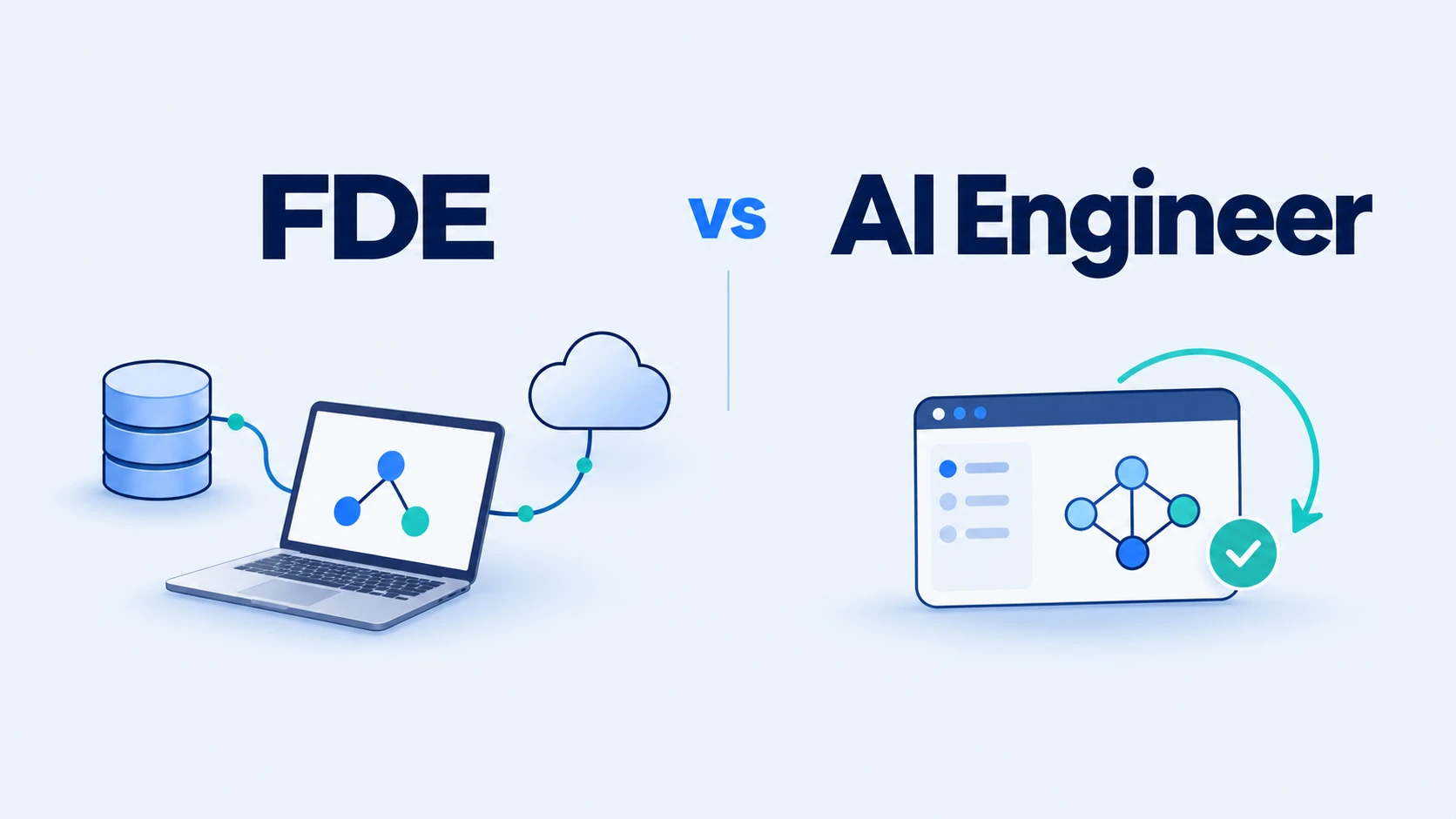
The rapid proliferation of generative artificial intelligence has fundamentally altered the landscape of software engineering, giving rise to specialized roles that blend traditional programming with sophisticated model orchestration. Among the most prominent of these emerging vocations are the Forward Deployed Engineer (FDE) and the AI Engineer. While both roles require a mastery of Python, deep familiarity with Application Programming Interfaces (APIs), and expertise in cloud deployment, they occupy distinct niches within the technology ecosystem. The divergence between these roles is not merely a matter of nomenclature; it represents a fundamental difference in how software is delivered, how success is measured, and how technical problems are solved in a professional environment.
As organizations across the globe race to integrate large language models (LLMs) into their existing workflows, the demand for professionals who can bridge the gap between abstract research and practical application has reached an all-time high. A Forward Deployed Engineer might spend their morning tracing a client’s internal approval process to ensure a new integration complies with legacy security protocols. Conversely, a product-focused AI Engineer might spend those same hours investigating why a specific application’s response latency increased following a model update. While both are ultimately tasked with shipping functional software, the organizational structures surrounding them and the nature of the challenges they face create two very different career trajectories.
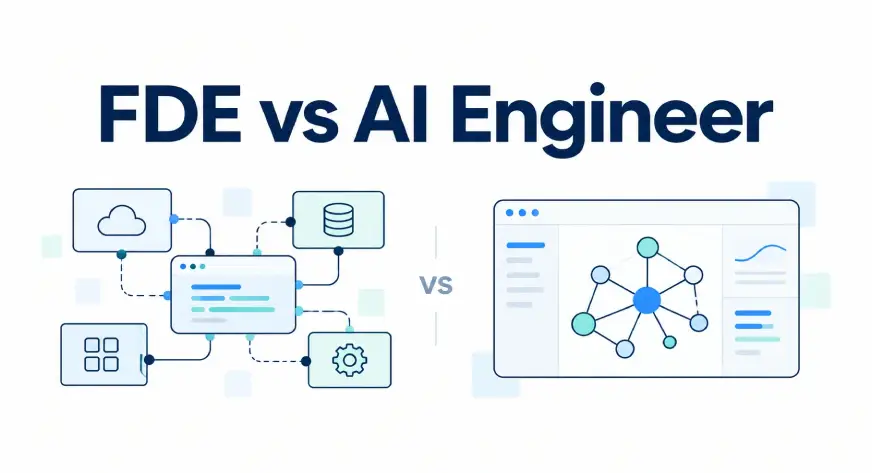
The Evolution of Technical Roles in the AI Era
To understand the current distinction between FDEs and AI Engineers, one must look at the chronology of technical roles within the data science and software engineering sectors over the last decade. In the early 2010s, the "Data Scientist" was the primary figure responsible for extracting value from information, focusing heavily on statistical modeling and academic research. By the mid-2010s, as companies sought to put these models into production, the Machine Learning Engineer (MLE) emerged to handle the infrastructure and scaling of proprietary models.
The current era, catalyzed by the release of ChatGPT and other foundation models, has shifted the focus from training models to implementing them. The "AI Engineer" role emerged as a response to the availability of powerful models via APIs, allowing developers to build sophisticated applications without needing a PhD in neural networks. Simultaneously, the "Forward Deployed Engineer"—a term popularized by firms like Palantir—became essential for AI labs like OpenAI and Anthropic. These companies realized that selling a model was only half the battle; the "last mile" of deployment required engineers who could work directly within the messy, restricted, and often outdated environments of enterprise customers.
The Role of the Forward Deployed Engineer
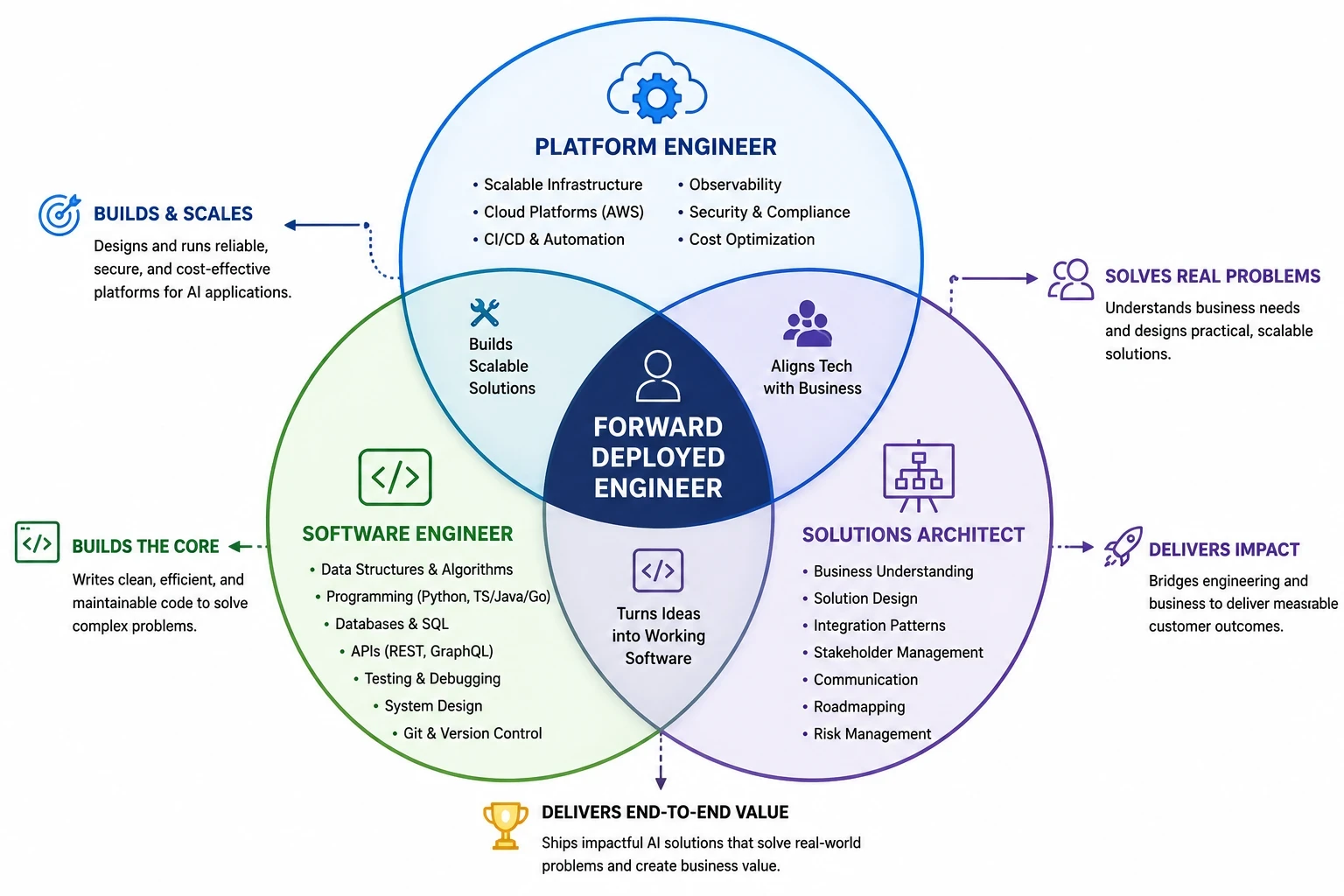
A Forward Deployed Engineer is essentially a hybrid of a software architect, a consultant, and a full-stack developer. In the context of AI, they are responsible for taking a model-based workflow from a conceptual pilot into a hardened production environment. Organizations like OpenAI describe the FDE role as spanning the entire lifecycle of a project, including discovery, technical scoping, system design, implementation, and eventual rollout.
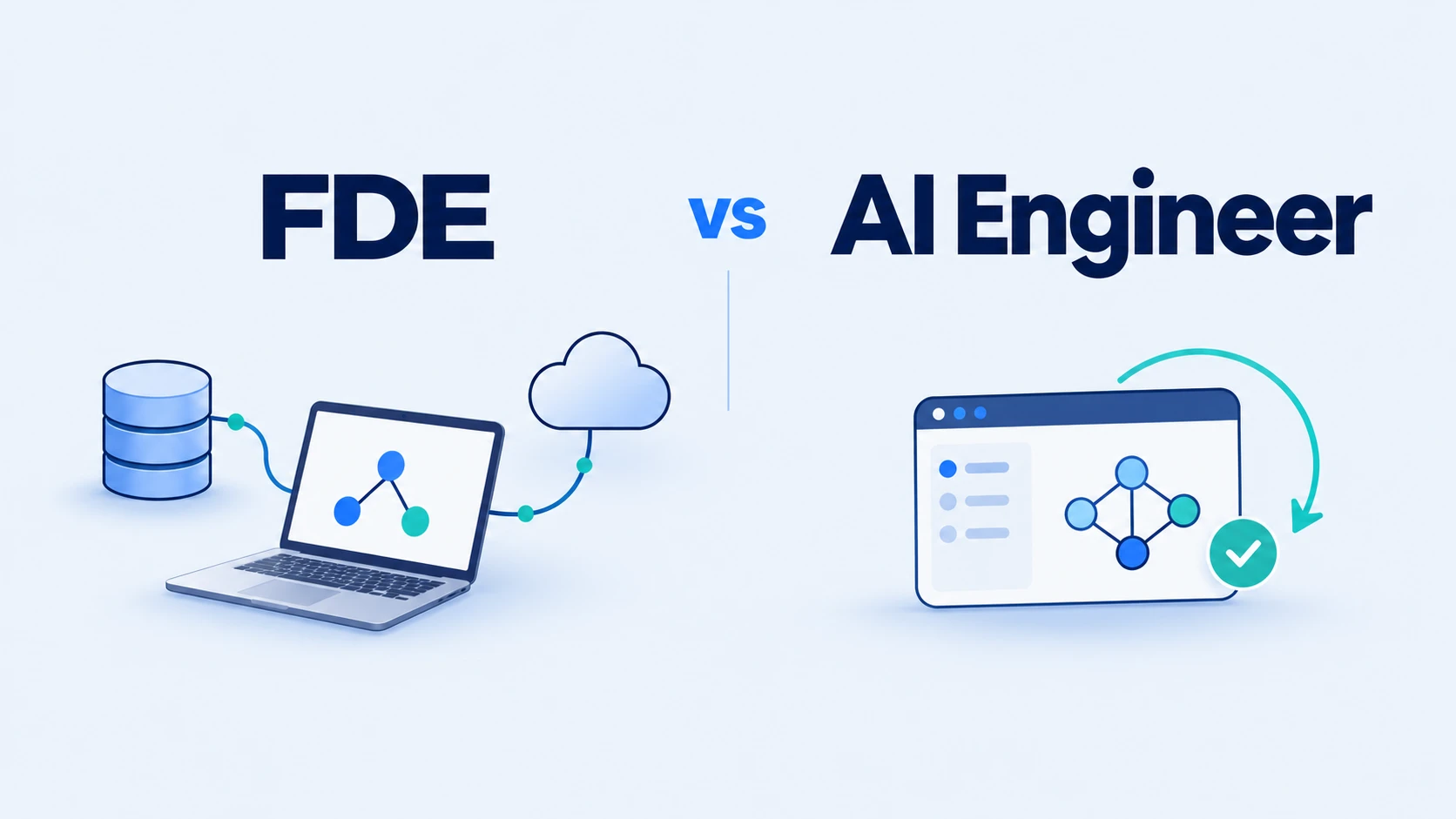
The FDE’s work is uniquely shaped by the customer’s operating environment. Unlike an internal engineer who works within a controlled company ecosystem, the FDE must navigate restricted data access, antiquated legacy systems, and undocumented corporate approval rules. Their success is judged by the successful adoption of the technology by the client.
The typical workflow for an FDE involves several distinct phases:
- Discovery and Scoping: Identifying the specific business problem and determining if an AI solution is viable.
- Technical Design: Mapping how the AI will interact with the client’s existing databases and security frameworks.
- Implementation: Writing the "glue code" and integrations necessary to make the system functional.
- Knowledge Transfer: Ensuring the client’s internal teams can maintain the system after the FDE moves to the next project.
Importantly, companies like Anthropic emphasize that FDEs must share deployment patterns with their internal Product and Engineering teams. This feedback loop ensures that custom fixes developed in the field eventually become reusable features in the core product, preventing the company from becoming a mere consultancy.
The Responsibilities of the AI Engineer
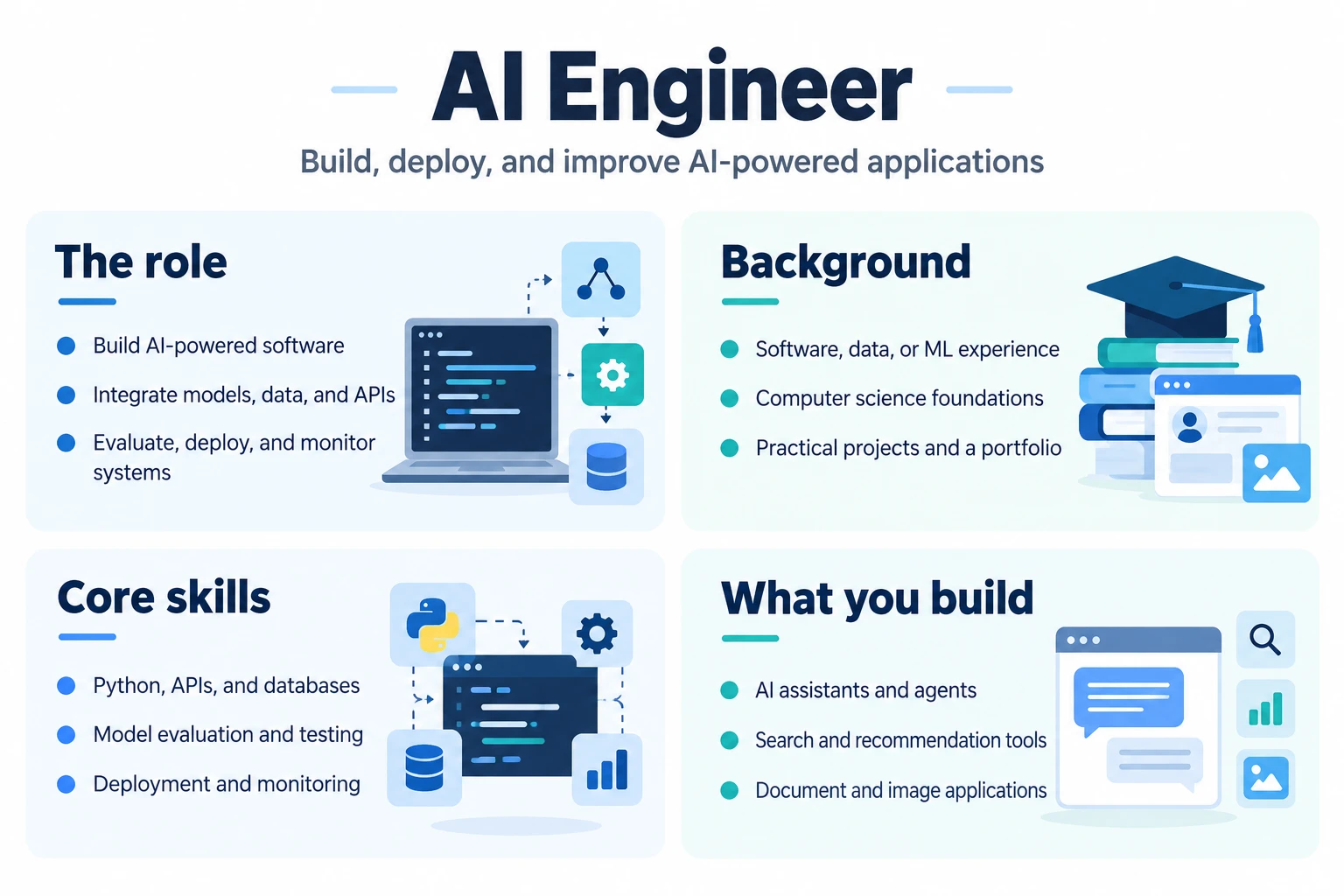
While the FDE looks outward toward the customer, the AI Engineer typically looks inward toward the product. An AI Engineer builds and operates software that leverages artificial intelligence as a core component. This could involve developing autonomous agents, recommendation engines, vision applications, or internal productivity tools.
On a product team, such as those at Criteo or Microsoft, the AI Engineer’s work is characterized by continuity. They follow a system across multiple releases, focusing on debugging, deployment, monitoring, and long-term maintenance. For these professionals, a model upgrade is not just a technical update; it is a complex engineering decision involving significant trade-offs.
For example, an AI Engineer might face a choice between a high-performing, expensive model and a cheaper, faster alternative. If the cheaper model fails to handle unusual policy exceptions that the larger model caught, the engineer must develop representative evaluation cases to quantify the risk. They are responsible for latency measurements, cost analysis, and the implementation of robust rollback procedures. Maintaining such a system requires a deep understanding of data pipelines and software operations, rather than just the underlying mathematics of the model.
Comparative Analysis: Key Differences at a Glance
The following data highlights the primary distinctions between the two roles across several key metrics:
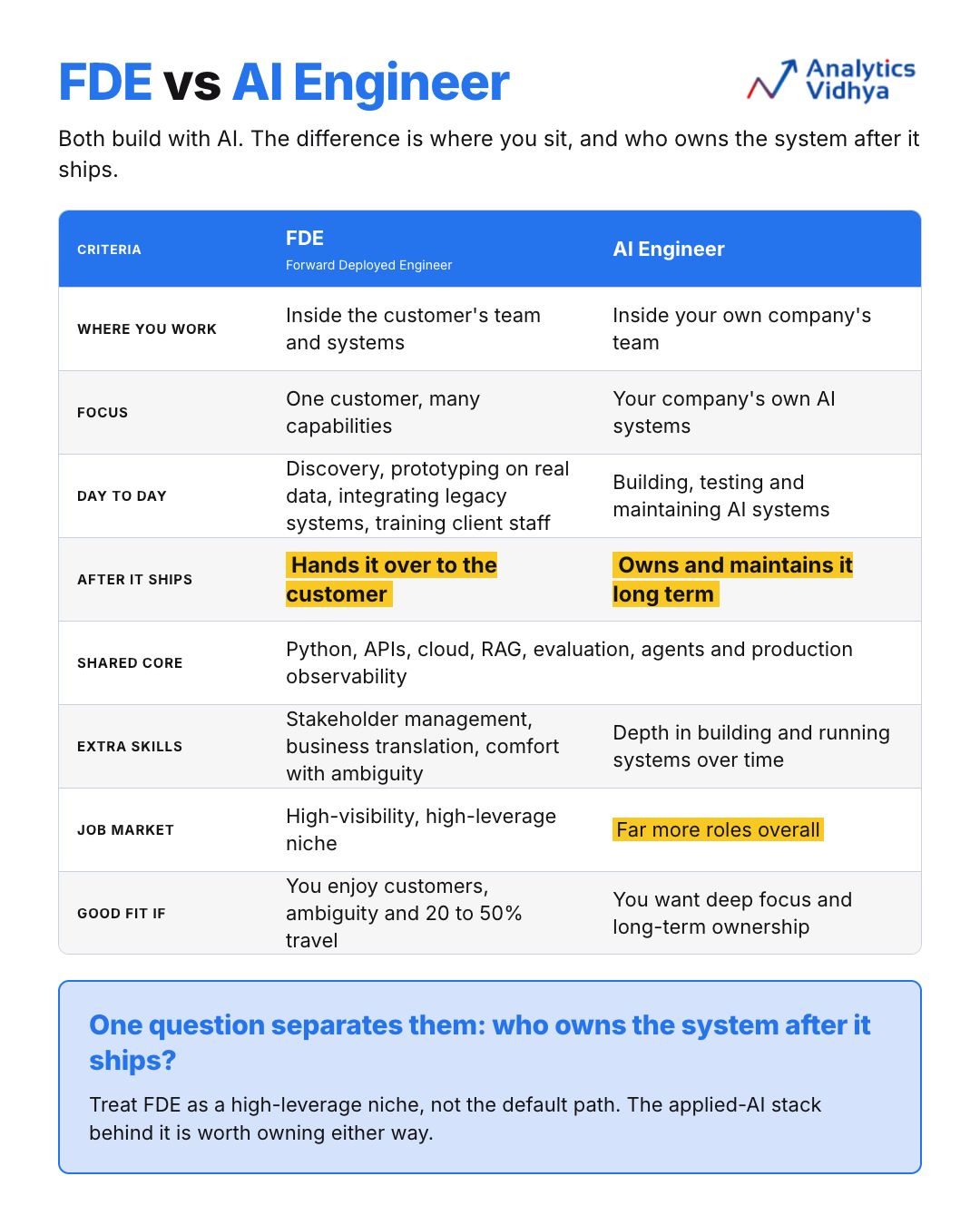
- Primary Objective: The FDE focuses on deployment and customer success, whereas the AI Engineer focuses on product development and system reliability.
- Ownership: FDEs often have "project-based" ownership that ends once a system is successfully handed over. AI Engineers have "lifecycle" ownership, maintaining the system through its entire existence.
- Problem Space: FDEs deal with external constraints (client security, legacy tech). AI Engineers deal with internal constraints (latency, token costs, model regressions).
- Travel Requirements: FDE roles frequently require travel to client sites (often cited as 25% to 50% of the time). AI Engineer roles are typically office-based or remote with minimal travel.
- Market Demand: While both roles are in high demand, the "AI Engineer" title is currently more common in the general job market, whereas "Forward Deployed" is a specialized designation used primarily by top-tier AI labs and enterprise software firms.
Supporting Data and Industry Implications
Recent industry reports suggest a significant shift in hiring priorities. According to data from tech recruitment platforms, listings for "AI Engineer" have grown by over 200% since 2023. This surge reflects the "API-first" approach to AI development, where companies prioritize the ability to build applications over the ability to train models from scratch.
However, the "Last Mile" problem remains a significant hurdle for enterprise AI adoption. Gartner reports that approximately 80% of AI projects fail to reach production due to integration issues and data silos. This statistic underscores the vital importance of the Forward Deployed Engineer. Companies are realizing that having a great model is insufficient if it cannot be integrated into a client’s specific, often fragmented, digital infrastructure.
Industry reactions from leaders at OpenAI and Palantir suggest that the FDE is the "special forces" of the engineering world. They are deployed to solve the most difficult integration challenges, making them indispensable for high-value enterprise contracts. Meanwhile, the AI Engineer is viewed as the "civil engineer" of the new era, building the sustainable, scalable infrastructure that allows AI to function as a utility rather than a novelty.
The Shared Skillset: Engineering Depth
Despite their differences, both roles share a common technical foundation. Proficiency in Python remains the industry standard, alongside a deep understanding of RAG (Retrieval-Augmented Generation) frameworks. Both roles must be adept at evaluating the quality of AI outputs, which requires a shift from deterministic testing to probabilistic evaluation.
The "REval" or RAG evaluation frameworks have become a critical shared skill. Both FDEs and AI Engineers must be able to assess whether a system is retrieving the correct documents and whether the model is generating accurate, hallucination-free answers. They must also be proficient in cloud infrastructure (AWS, Azure, GCP) and containerization (Docker, Kubernetes) to ensure that their applications are portable and scalable.
Future Outlook and Career Preparation
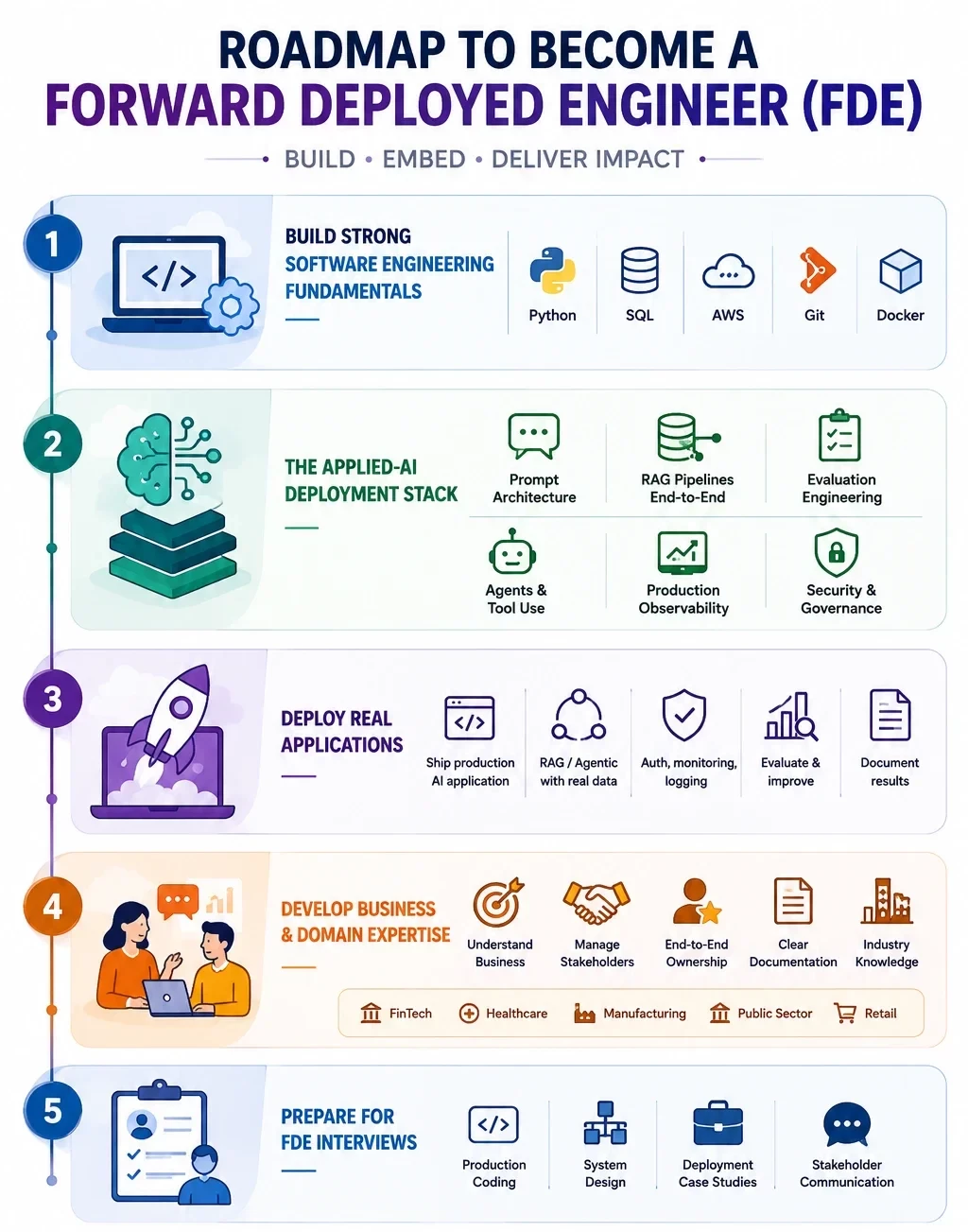
For those looking to enter either field, the path forward involves moving beyond simple demos. The industry is increasingly skeptical of "wrapper" applications that provide little more than a custom interface for an existing LLM. Prospective engineers are encouraged to build projects that demonstrate their ability to handle real-world complexity.
Aspiring FDEs should focus on projects that involve complex stakeholder requirements and legacy integrations. They must demonstrate an ability to negotiate scope and explain technical trade-offs to non-technical clients. Aspiring AI Engineers, on the other hand, should focus on the long-term health of their applications, documenting how they handle model regressions, monitor performance, and optimize costs over time.
In conclusion, the distinction between the Forward Deployed Engineer and the AI Engineer reflects the maturing of the AI industry. As the technology moves from the laboratory to the boardroom, the need for specialized roles that can handle different aspects of the deployment lifecycle will only continue to grow. Whether one chooses the high-stakes, client-facing world of forward deployment or the architectural depth of product AI engineering, the core requirement remains the same: the ability to ship software that works reliably in a world that is increasingly powered by intelligent systems.


 Lina Irawan
 Lina Hope