Nana Wu
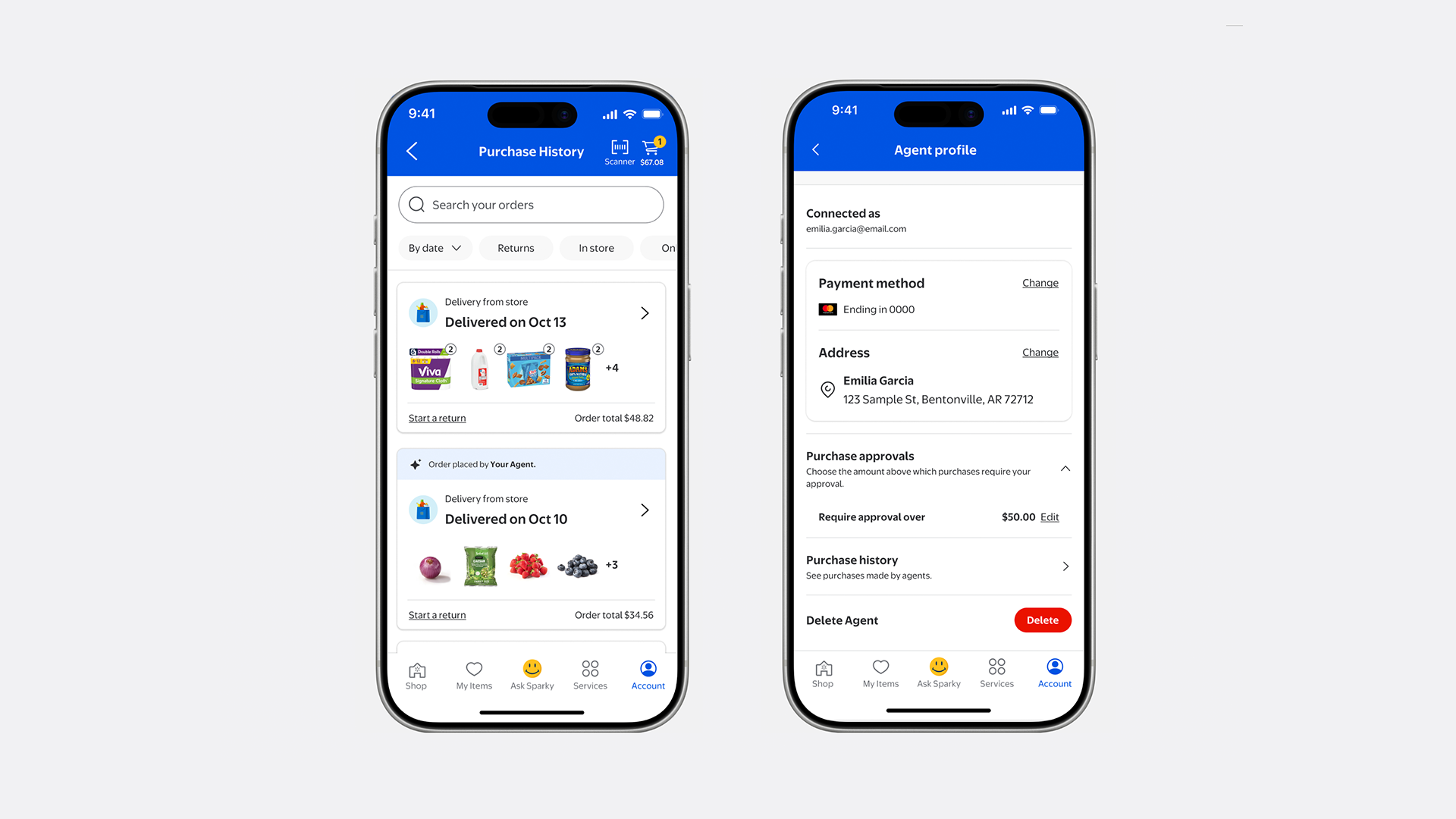
Walmart is strategically positioning itself at the forefront of the burgeoning agentic commerce revolution by introducing a suite of innovative tools designed to grant consumers unprecedented control over artificial intelligence (AI) agents that will increasingly facilitate online purchases. This significant development, announced on Wednesday, October 21st, aims to establish Walmart as the most trusted platform for AI-driven shopping experiences, addressing potential consumer anxieties about relinquishing control to automated systems. The initiative underscores Walmart’s commitment to integrating AI into its e-commerce operations while prioritizing user agency and transparency.
The retail giant’s forward-thinking approach acknowledges that while AI agents hold immense potential to streamline the shopping process, a segment of its customer base may approach this technology with caution. To bridge this gap and foster confidence, Walmart is rolling out three key updates. These enhancements are not merely superficial additions; they represent a fundamental rethinking of how consumers will interact with AI in their shopping journeys, ensuring that the ultimate decision-making power remains firmly in the hands of the shopper.
Empowering the Consumer: A New Era of AI-Assisted Shopping
At the core of Walmart’s announcement is the impending launch of "Agent Profiles," a feature poised to redefine the user experience for AI-assisted shopping. Currently, purchases made by AI agents often blend seamlessly with a customer’s personal order history, making it difficult to distinguish between human and AI-driven transactions. The new Agent Profiles will rectify this by creating dedicated profiles for AI agents, directly linked to a customer’s account. This crucial distinction will allow shoppers to meticulously oversee every AI-initiated purchase.
Daniel Danker, Walmart’s Executive Vice President of AI Acceleration, Product, and Design, elaborated on the significance of this development in a LinkedIn post. He stated that Agent Profiles will provide shoppers with the ability to "approve purchases, set spending limits, and see which purchases were made by an agent." This level of oversight is paramount in building trust and ensuring that AI agents act as helpful assistants rather than autonomous decision-makers.
The flexibility offered by Agent Profiles is a key differentiator. Shoppers will have the option to review and approve each AI-generated purchase individually, providing a granular level of control. Alternatively, for those who prefer a more hands-off approach but still desire oversight, they can establish pre-set spending limits. These limits can range from modest amounts like $50 to higher thresholds such as $100 or $200, offering a scalable solution that caters to diverse shopping habits and budgetary considerations.
The setup process for an Agent Profile has been designed with user-friendliness in mind. While specific details of the three-step process were not fully elaborated in the initial announcement, the intent is clear: to make it accessible and intuitive for customers to configure their AI shopping assistants. This includes defining the agent’s capabilities, setting financial boundaries, and establishing approval protocols.
Furthermore, Walmart emphasized that AI agents operating on its platform will encounter the same pricing structures and be privy to the same offers and fees as human shoppers. This ensures a level playing field and prevents any potential for AI agents to exploit hidden pricing or bypass standard consumer protections. The transparency in pricing, presented before any purchase is finalized, is another critical element in building consumer confidence.
Robust Safeguards: Addressing Consumer Concerns Head-On
The introduction of advanced AI shopping capabilities comes at a time when consumer trust in AI-driven transactions remains a significant consideration. A recent survey conducted by payments technology provider NMI in August shed light on these prevailing sentiments. The study, which polled 1,000 U.S. adults, revealed that only 11% of respondents were actively using AI to complete transactions. More tellingly, a substantial 70% expressed a desire to review or override AI purchasing decisions before checkout, with a mere 10% indicating a willingness to grant AI full control over their spending.
Walmart’s new terms and conditions directly address these concerns by embedding robust safeguards into the agentic commerce framework. By default, all AI agent purchases will require customer approval. This fundamental principle ensures that no transaction occurs without the shopper’s explicit consent. While shoppers can authorize spending up to their defined limits, Walmart reserves the right to implement additional approval requirements for certain transactions, further reinforcing the layer of human oversight.
The retailer has also implemented strict rules to prevent AI agents from overstepping their boundaries. These rules explicitly bar agents from acting beyond a shopper’s precise instructions, accessing unauthorized personal information, or handling sensitive payment card details. The prohibition against agents adding or changing payment methods is another critical security measure designed to protect customers from potential fraud or misuse of their financial information.
In the event that an AI agent makes an unintended purchase, Walmart has assured customers that its existing and well-established returns process will be fully applicable. This provides a familiar and reliable recourse for any errors or discrepancies. For AI agents that persistently violate these terms of service, Walmart has stated that they will be blocked from accessing its website, signaling a firm stance on maintaining platform integrity and user safety.

However, it is crucial to note that information shared directly by shoppers with third-party AI applications, independent of Walmart’s platform, will remain subject to the privacy policies of those respective providers. This highlights the importance of user awareness and diligence when interacting with external AI services.
The Agent Gateway: Streamlining AI Interaction for Efficiency
Beyond enhancing the customer-facing experience, Walmart is also investing in the underlying infrastructure that powers AI-driven commerce. The development of the "Agent Gateway" represents a significant technological leap, designed to provide AI systems with a more direct, efficient, and robust channel for interacting with Walmart’s e-commerce operations.
Currently, AI agents often rely on browser-based interactions, mimicking the step-by-step processes that human shoppers follow. Walmart acknowledges that this method can be "slow and error-prone, and agents may get stuck along the way." The Agent Gateway aims to overcome these limitations by leveraging the Model Context Protocol (MCP), an open standard developed by Anthropic. MCP facilitates seamless integration between AI applications and external tools and services.
The Agent Gateway is engineered to support a comprehensive range of e-commerce functions, including product discovery, adding items to the cart, completing purchases, and tracking orders. A particularly innovative aspect of the gateway is its ability to help agents identify products that customers frequently repurchase, such as specific brands of milk or bread, without compromising customer privacy by accessing their broader shopping history. This targeted assistance allows for more personalized and efficient AI-driven reordering, further enhancing the convenience for shoppers.
The gateway is slated to launch in a limited beta phase, providing an opportunity for select companies and developers to test and integrate with the new system. While the specific timeline and participating entities have not yet been disclosed, this controlled rollout suggests a phased approach to widespread adoption, allowing for refinement and optimization based on real-world application.
Transforming the Marketplace: Opportunities and Challenges for Sellers
The advent of agentic commerce is not only reshaping the consumer shopping experience but also presenting new paradigms for Walmart’s vast marketplace of third-party sellers. As AI agents become more sophisticated in product discovery, they are opening up novel avenues for sellers to reach and engage with potential customers.
Manish Joneja, Senior Vice President of Walmart Global Marketplace and Walmart Fulfillment Services, views this shift as a "potential game-changer" for sellers. He articulated in a statement to Digital Commerce 360 that agentic commerce "could create more opportunities for sellers to put the right products in front of the right customers, including brands and products that may not have broad awareness." This suggests that AI agents, by moving beyond traditional search queries and engaging in more conversational product discovery, could surface niche or lesser-known products that might otherwise be overlooked. For instance, data from a previous interaction indicated that vitamin and protein supplements were among the top product categories purchased through ChatGPT on Walmart, hinting at how broader conversations can lead to specific purchases.
However, this evolving landscape also necessitates an elevation in the standards for marketplace sellers. Joneja cautioned that agentic commerce will likely "raise the bar for sellers." The increased reliance on AI for product recommendation and discovery means that factors such as accurate and comprehensive product information, competitive pricing, consistent product availability, and reliable delivery promises will become even more critical for success. AI agents, programmed for efficiency and accuracy, will likely prioritize listings that meet these stringent criteria.
In anticipation of these changes, Walmart is actively collaborating with its marketplace sellers. The company is providing support and guidance to enhance product listings and improve catalog quality. The objective is to ensure that seller products are presented in a manner that is easily understood and recommended by AI-powered shopping experiences. This proactive approach underscores Walmart’s commitment to fostering a thriving and competitive marketplace in the age of AI.
Walmart’s Position in the Evolving AI Commerce Landscape
Walmart’s strategic investments in AI technology and agentic commerce place it in a strong position within the competitive e-commerce sector. The company ranks as No. 2 in Digital Commerce 360’s Top 1000 Database, a testament to its significant annual e-commerce sales in North America. Furthermore, its commitment to AI innovation is recognized in Digital Commerce 360 and ReFiBuy’s AI Commerce Rankings, where Walmart holds the No. 37 spot. These rankings highlight the company’s ongoing efforts to integrate artificial intelligence into its retail operations, from supply chain optimization to customer-facing applications.
The introduction of Agent Profiles and the Agent Gateway signifies a comprehensive strategy to harness the power of AI while prioritizing consumer trust and seller enablement. By empowering shoppers with control and providing sellers with the tools to adapt, Walmart is not just participating in the AI commerce trend; it is actively shaping its future, aiming to create a more intelligent, efficient, and user-centric online retail environment. The success of these initiatives will likely depend on their seamless execution, ongoing refinement based on user feedback, and Walmart’s continued commitment to transparency and security in the rapidly evolving world of artificial intelligence.


 Ali Ikhwan

 Ammar Sabilarrohman