Pevita Pearce

The rapid evolution of generative artificial intelligence has fundamentally altered the landscape of graphic design, shifting the industry focus from experimental image generation to integrated, functional utility. In a comprehensive industry assessment, researchers evaluated 146 AI-driven design tools across 32 real-world graphic and web design tasks to determine which platforms offer tangible value beyond initial creative prompts. This study highlights a critical transition in the design sector: the most effective tools are no longer defined by the spectacle of their demonstrations, but by their ability to facilitate the rigorous refinement and production phases that follow the ideation process.

The findings indicate that the "best" tool is no longer a singular platform but rather a specialized component within a broader design stack. As organizations look to integrate AI into their existing workflows, the emphasis has moved toward interoperability, brand consistency, and the reduction of friction between conceptualization and final delivery. This news report analyzes the leading platforms, the data behind their performance, and the broader implications for the design profession.
A New Hierarchy of Design Utility
The assessment categorized AI tools based on their specific strengths in the design lifecycle, ranging from visual ideation and creative iteration to pixel-perfect production. Unlike early iterations of AI design software, which often struggled with text and structural hierarchy, the current generation of tools shows high proficiency in specialized areas.
1. The Ideation Leaders: ChatGPT and Claude
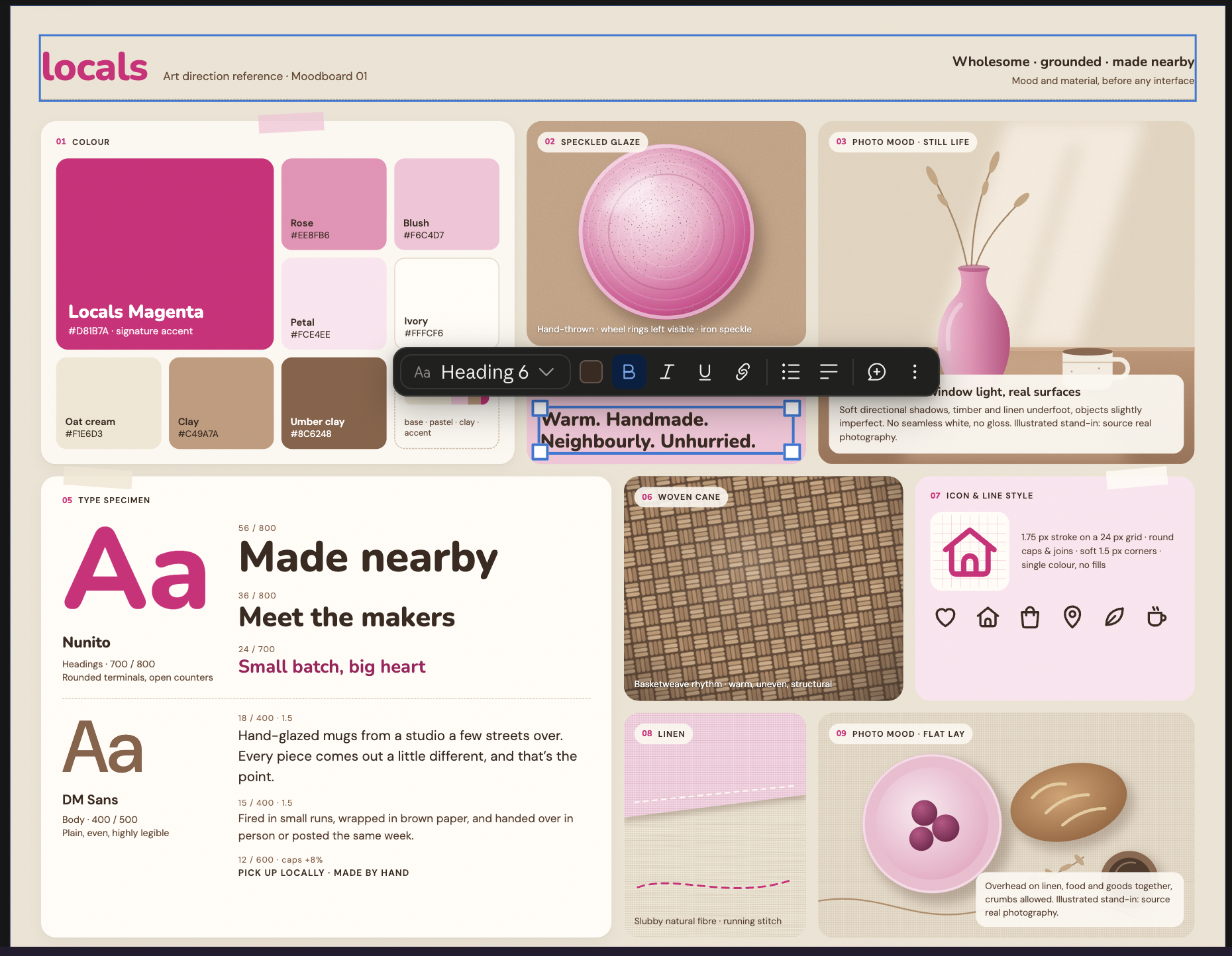
ChatGPT has emerged as the premier "design copilot" for visual ideation. During testing, it achieved a 96/100 score for product mockups and perfect 100/100 scores in structured UI categories, including landing pages and mobile app screens. Its primary value lies in its ability to act as a thinking partner, transforming vague creative briefs into actionable directions.
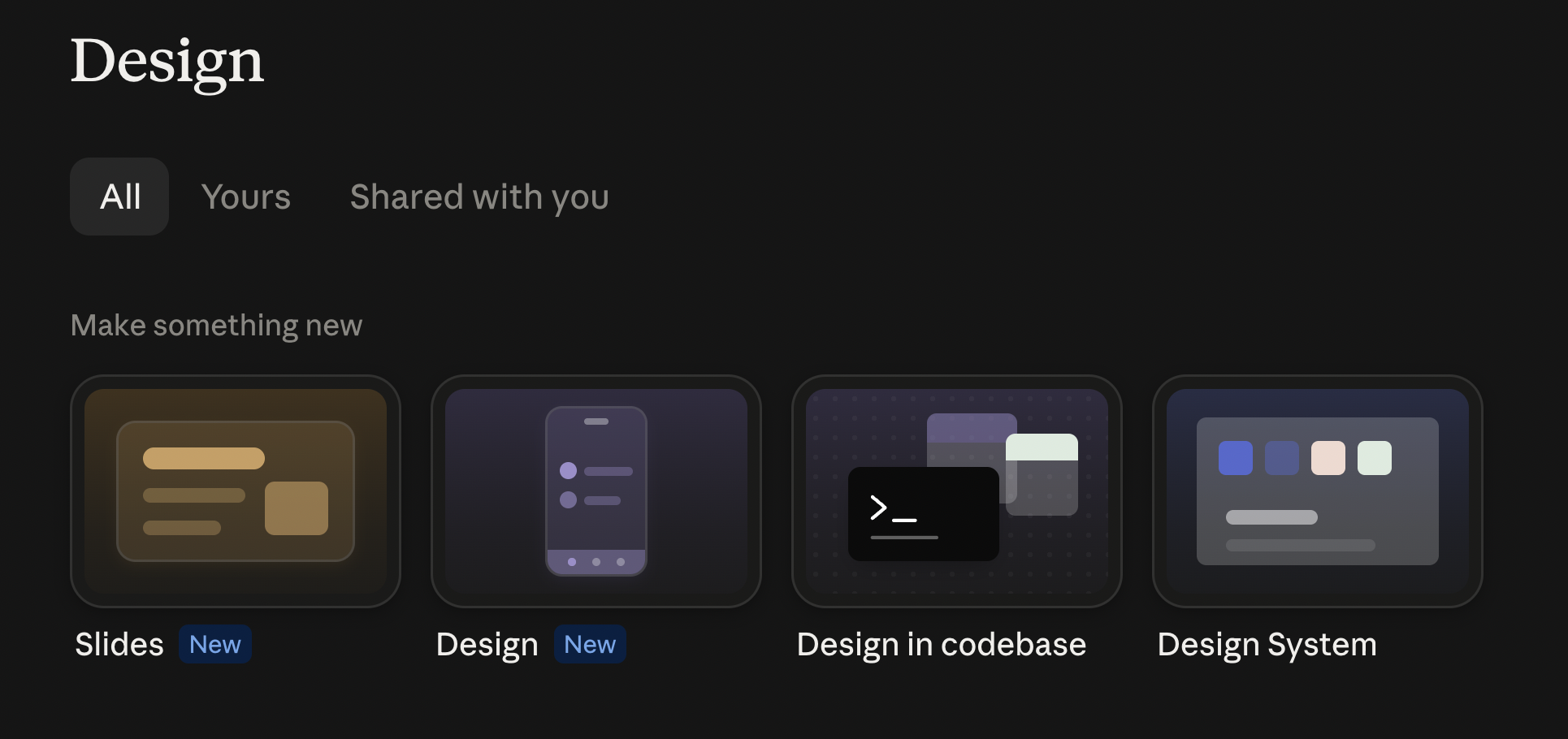
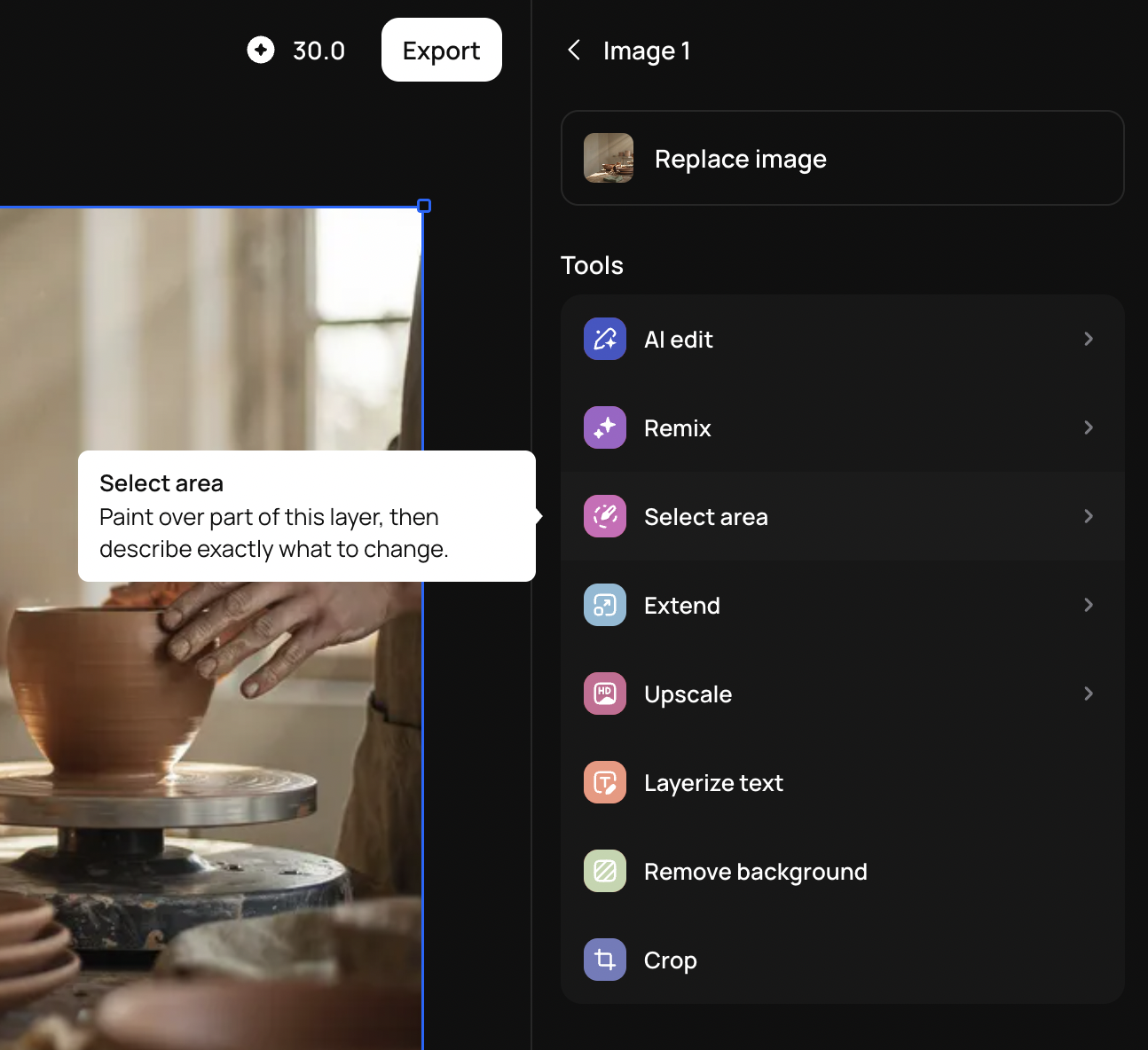
Conversely, Anthropic’s Claude has established itself as the superior tool for design systems and editable prototypes. Unlike tools that generate static images, Claude produces editable artboards, allowing designers to adjust elements like spacing and color after generation. It scored 100/100 in visual identity and dashboard design tasks, proving particularly effective when a project requires structural organization over purely aesthetic polish.
2. Production Hubs: Canva and Adobe
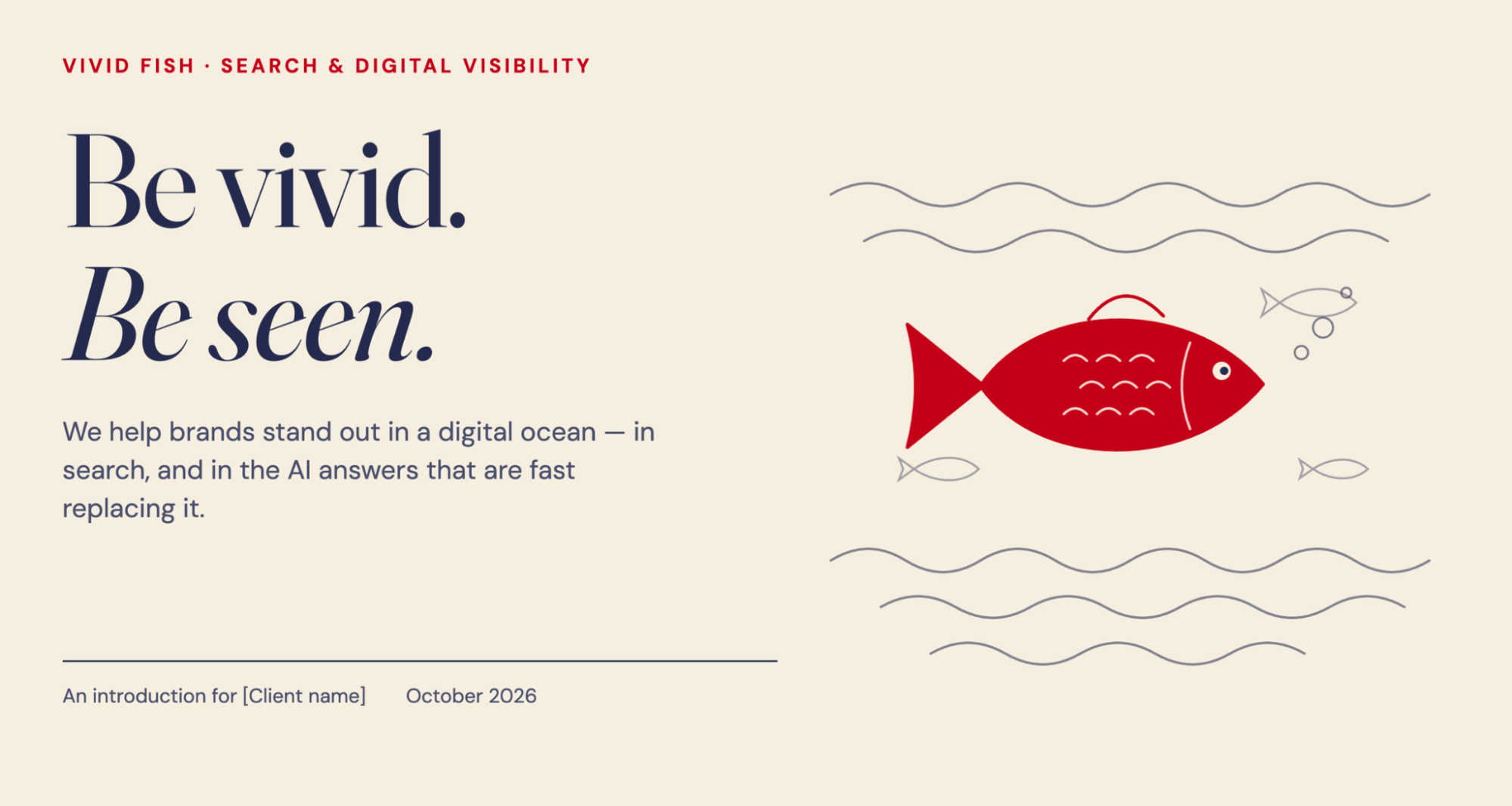
For marketing teams and brand production, Canva remains the dominant middle-layer tool. Its AI features are designed to speed up the creation of everyday assets—social media graphics, presentations, and event posters—while maintaining brand guidelines. Testing showed that while Canva excelled in visual identity systems, it still requires human oversight for final quality assurance, as some outputs missed specific delivery dimensions or introduced minor data errors.
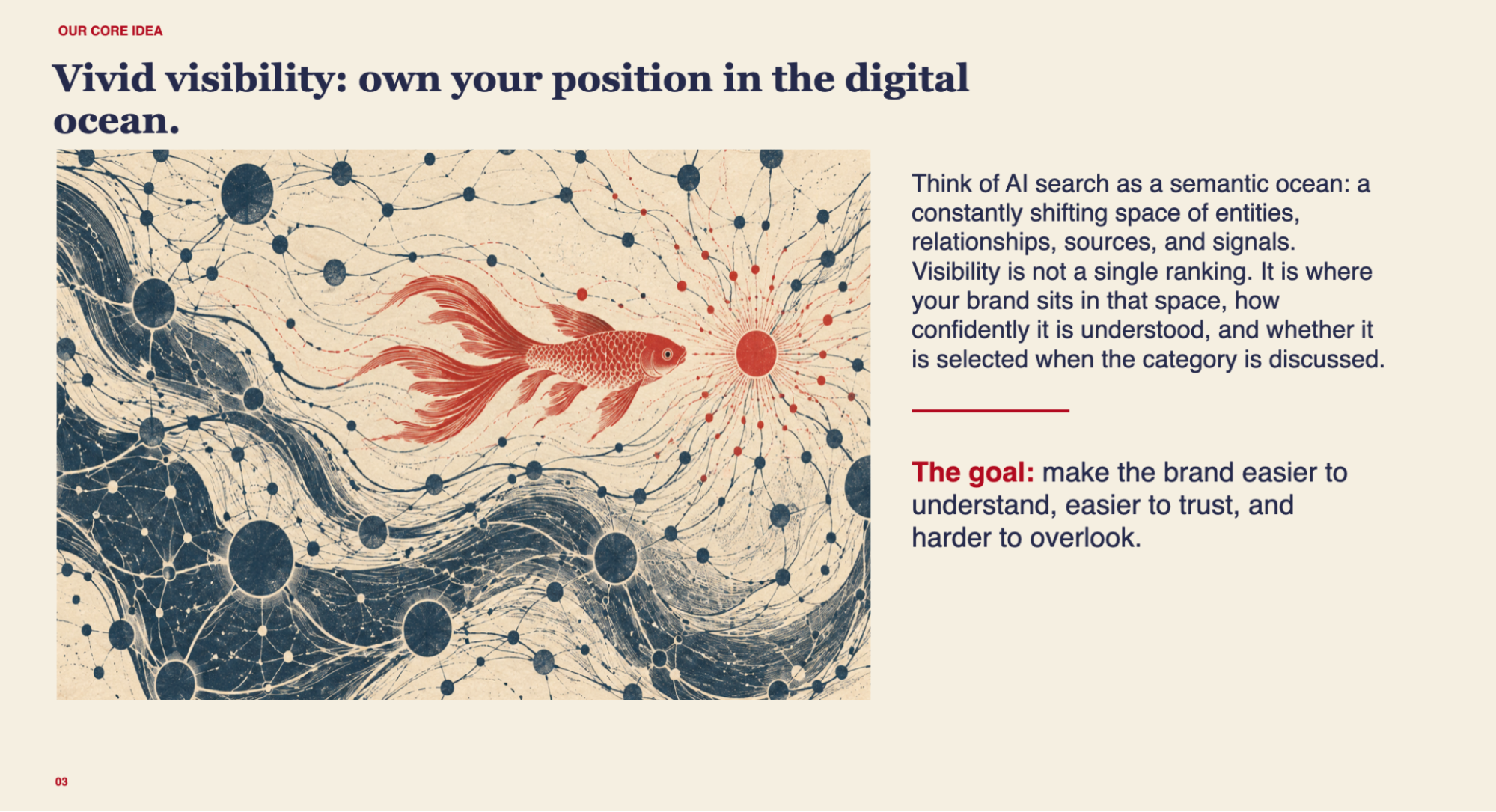
Adobe remains the standard for high-fidelity, "pixel-perfect" production. Through its Firefly model, Adobe has integrated generative AI directly into Photoshop and Illustrator, focusing on enhancing existing professional workflows rather than replacing them. While it struggled with complex text generation in logos compared to some newcomers, its ability to generate high-quality hero images (scoring 88/100) and provide advanced editing tools ensures its place at the end of the production pipeline.

3. Specialized and Collaborative Tools: Figma, Kittl, and Ideogram
Figma continues to lead the product design sector by integrating AI that accelerates collaboration. Its AI-driven "Make" features and auto-layout capabilities allow product managers and engineers to participate in the design process more effectively. In a surprising result, Figma also produced credible logo explorations, scoring 76/100, though these functioned better as concepts than final vector assets.
For creators and small businesses, Kittl has carved out a niche in branded merchandise and typography-led design. It outperformed many competitors in infographic and poster design, scoring 96/100 and 92/100 respectively. Meanwhile, Ideogram has become a preferred tool for targeted image editing and social advertisements, averaging a 93/100 score for its ability to integrate legible, elegant typography into generated images.
Chronology of the AI Design Revolution
The current state of AI design tools is the result of an accelerated timeline of technological breakthroughs:
- Late 2022: The public release of DALL-E 2 and Midjourney sparked initial interest in AI-generated art, though these tools were largely viewed as novelties due to their inability to handle text or specific design constraints.
- Early 2023: Adobe announced "Firefly," marking the first major move by a legacy software giant to integrate generative AI into professional-grade creative suites with a focus on ethical training data.
- Mid-2023: Canva launched its "Magic Studio," democratizing AI design for non-professionals and forcing a shift in how marketing teams approach content at scale.
- Late 2023 to Early 2024: Large Language Models (LLMs) like GPT-4 and Claude 3 introduced multimodal capabilities, allowing designers to "talk" to their designs and generate structured code or layout artifacts.
- Present: The industry has moved toward a "Best-of-Breed" stack approach, where designers use multiple AI tools for different stages of a single project.
Supporting Data: Performance Metrics and Accuracy
The evaluation of these 146 tools was based on five critical metrics: Relevance to Brief, Composition, Typography, Accuracy of Information, and Technical Craft.

Data from the study revealed that "Product Mockups" were the highest-performing task across all AI tools, with an average score of 82. This suggests that AI is currently most reliable when generating 3D-style visualizations of physical objects. However, "Logo Design" and "Final Production Files" remain areas where AI frequently falters, often requiring human intervention to correct "hallucinated" details or improper vector structures.
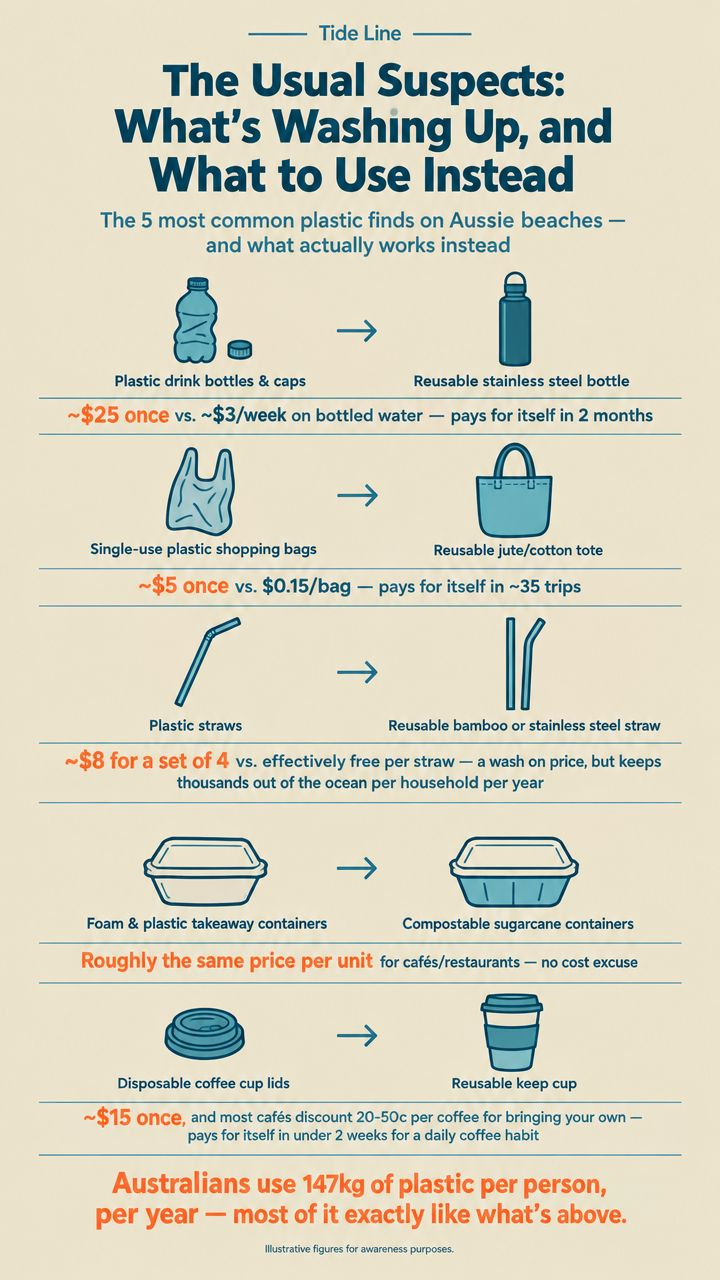
In terms of accuracy, the study found a 15% discrepancy rate in AI-generated infographics, where tools often invented or mislabeled data points. This highlights a persistent challenge: while AI can create a visually compelling layout, it cannot yet be trusted as a sole source of factual information in design.

Industry Reactions and Professional Implications
The design community has reacted to these developments with a mixture of cautious optimism and strategic adaptation.
"The role of the designer is shifting from a ‘maker’ to a ‘curator’ and ‘director,’" noted one senior creative director during a recent industry panel on AI integration. "We are no longer spending hours on the first draft. We are spending those hours on the 10% that makes a brand unique—the strategy, the emotion, and the final polish."
Software companies are also adjusting their business models. Adobe has leaned heavily into "Content Credentials," an initiative to provide transparency in AI-generated content, addressing concerns regarding copyright and authenticity. Figma’s recent focus on "AI for everyone" suggests a move toward making high-level product design accessible to non-designers, which has prompted discussions about the future value of specialized design degrees.

Analysis: The Future of the Design Stack
The most significant takeaway from the recent assessment of AI design tools is the obsolescence of the "all-in-one" platform. The data suggests that a professional design stack in 2024 is modular.
A typical high-efficiency workflow now follows a logical progression:

- Discovery: Using ChatGPT or Claude to define the creative direction and generate the initial brief.
- Asset Generation: Utilizing Ideogram or Midjourney for high-concept imagery and Kittl for specialized typography.
- Layout and Iteration: Moving concepts into Canva for marketing assets or Figma for digital product interfaces.
- Finalization: Exporting work to Adobe Creative Cloud for high-resolution retouching, print preparation, and final brand compliance.
This modularity allows teams to leverage the specific algorithmic strengths of different models. For instance, while one model might be superior at "understanding" a brand’s voice, another might be technically better at rendering the physics of light on a product bottle.

Broader Impact on the Creative Economy
The democratization of design tools is expected to have a dual impact. For small businesses and startups, AI tools like Flair AI and Kittl provide a level of visual sophistication that was previously cost-prohibitive. This lowers the barrier to entry for e-commerce and brand building.

For the professional design industry, the impact is more complex. There is a clear trend toward "de-skilling" basic tasks—such as background removal, basic layout, and simple photo retouching. However, this is simultaneously creating a "premium" on high-level creative strategy and technical QA. The study concludes that the most successful designers will be those who can manage an "AI workforce," effectively auditing and refining the outputs of multiple platforms to ensure they meet the rigorous standards of modern global brands.
As AI models continue to ingest more design-specific data, the gap between "concept" and "execution" will continue to shrink. The ultimate winners in the AI design tool space will be the ones that prioritize the "human-in-the-loop" philosophy, providing professionals with the control they need to turn an AI-generated suggestion into a market-ready masterpiece.

 Azzam Bilal Chamdy
 Sagoh