Ali Ikhwan
The proliferation of social media posts promising immediate time savings through downloadable AI prompt libraries has sparked a critical conversation within the professional community. These "comment-bait" advertisements, often featuring claims of saving "20 hours a week" by simply commenting "save time," paint an alluring picture of effortless AI integration. However, this narrative, while compelling, frequently overlooks the significant underlying investment in learning, understanding, and risk mitigation required for truly effective AI adoption. Experts and practitioners are increasingly emphasizing that genuine AI efficiency is not an instant reward but a product of dedicated learning and strategic implementation.
The allure of instant automation has been a powerful marketing tool in the burgeoning AI landscape. Platforms like LinkedIn, a key hub for professional networking and discussion, have been flooded with such propositions. For instance, a common refrain observed in feeds over the past year, though specific instances are difficult to pinpoint due to their ephemeral nature, involved offers like: “You can save 20 hours a week by downloading my 10,000 prompts that will save you time doing this. Comment ‘save time’ and I’ll send it in DMs.” These messages, while designed to capture attention and generate engagement, inadvertently foster a misconception among those already feeling overwhelmed by the rapid pace of technological advancement. They imply a widespread, almost effortless, adoption of sophisticated AI agents capable of autonomously managing complex tasks like optimizing advertising accounts or streamlining workflows, a reality that remains largely aspirational for many.
Richard Van der Blom, a prominent figure in the AI for Non-Techies community, highlighted this disparity during a LinkedIn webinar in June 2026. His observations underscored the gap between the advertised ease of AI adoption and the actual experiences of many professionals. The sentiment expressed by Van der Blom, and echoed by many in the field, suggests that the visible presence of these simplistic "download and save" promises is diminishing, a trend welcomed by those who recognize the deeper complexities involved.
The underlying implication of these readily available prompt packs is that a significant portion of the workforce has already mastered the art of AI automation, creating an army of digital assistants working tirelessly in the background. This perception can be deeply discouraging for individuals or businesses struggling to grasp the fundamentals of AI, potentially exacerbating feelings of inadequacy and a fear of being left behind. The reality, however, is that building and effectively deploying AI solutions, even seemingly simple ones, requires a substantial commitment of time, effort, and understanding.
Beyond the time investment, a critical, and often overlooked, aspect of adopting pre-packaged AI solutions is the inherent risk. The lack of transparency regarding the permissions granted to downloaded code or prompt libraries raises significant security and operational concerns. Users may be unaware of the extent to which these tools can access sensitive data, modify system settings, or interact with other applications. The question of accountability also looms large: if something goes wrong, who is responsible for diagnosing the issue, implementing a fix, or even recognizing that a problem has occurred? This lack of control and understanding can transform a promised time-saving solution into a potential liability.
This discomfort with the promise of instant gratification is a sentiment shared by many who have delved into the practical application of AI. The consensus is that while AI systems possess immense potential for time savings, this efficiency is rarely achieved without a preceding investment. The quality of AI output is directly proportional to the quality of the input. Crafting effective prompts, providing comprehensive context, rigorously testing the results, identifying areas of failure, and iteratively refining the process are all essential steps that demand a significant learning curve. This iterative refinement is what transforms a generic prompt into one that produces outputs akin to those of a seasoned expert.
The Personal Journey to Understanding AI’s True Value
The author’s own experience serves as a microcosm of this broader learning process. In 2025, initial forays into AI tools like Claude Code within the Cursor IDE proved to be a bewildering experience. The author likens this early stage to the daunting task of learning to use Microsoft Excel following a major update in the early 2000s – a steep learning curve filled with unfamiliar interfaces and functionalities.
By the end of that year, a significant step was taken with the investment in a comprehensive course offered by Annica Digital. This "build-along" workshop focused on using n8n, an automation platform, to create social media content scheduling. While n8n is considered more advanced than tools like Zapier, it offers a more visually intuitive interface compared to the complexities of Claude Code. The author describes this experience as "mind-blowing," signaling a breakthrough in understanding how to leverage AI for practical tasks.
The Reality of Implementation: From Excitement to Frustration
The newfound enthusiasm quickly translated into practical application. A full Sunday afternoon was dedicated to building an n8n workflow designed to automate a critical freelance task: processing invoice attachments from emails and linking them to the correct bank entries in the accounting software, Freeagent. The motivation was clear: to eliminate the often-dreaded weekly bookkeeping chore, thereby freeing up mental bandwidth and ensuring tasks were completed on time. The initial sense of accomplishment was palpable, leading to a feeling of self-satisfaction.

However, the reality of automation’s intricacies soon became apparent. The following day revealed a critical flaw: the workflow failed to process invoices not denominated in Sterling. This common issue in international transactions highlighted the limitations of the initial design and the need for more robust error handling and currency conversion capabilities.
The situation was salvaged through a fortunate conversation with a colleague who shared their experience using the n8n-as-code extension within Cursor. Despite limited prior experience with Cursor, the author attempted to replicate the workflow using this advanced method. Within a mere ten minutes, a functional equivalent was created, one that successfully handled non-Sterling currencies. While this demonstrated the power of the n8n-as-code extension and the potential for faster development, it also led to a sense of frustration. The author reflected on the hours lost the previous day due to a lack of proficiency in Cursor, a proficiency that could have been gained through more focused learning. Furthermore, the hands-on experience with n8n had provided a deeper, more intuitive understanding of workflow mechanics, enabling the formulation of more precise and effective prompts for the rebuild. This experience underscored a fundamental truth: even with advanced tools, the efficacy of AI hinges on the user’s ability to train their prompts and understand the underlying processes.
The Current Trajectory: Building Expertise Through Investment
Three months after this pivotal experience, the author found themselves on an unexpected but rewarding path. The ability to connect to APIs and utilize Claude Code within the Terminal has become a reality. This has led to the creation of custom "skills" – AI capabilities built around personal workflows and habits, rather than generic solutions. While the journey of building and refinement continues, the anxiety of "falling behind" has subsided, replaced by a sense of confident progress.
The Enduring Lesson: AI Learning is a Marathon, Not a Sprint
The overarching takeaway from this journey is that learning to effectively use AI is inherently a long-term endeavor, and this is perfectly acceptable. The process is not merely about acquiring a pre-built agent, automating a single task, or linking two disparate tools. It is a multifaceted learning experience that encompasses understanding APIs, managing OAuth credentials, comprehending permissions, mastering prompt engineering, designing complex workflows, implementing effective error flagging and debugging strategies, and troubleshooting the unpredictable nature of AI systems that may cease to function without apparent cause.
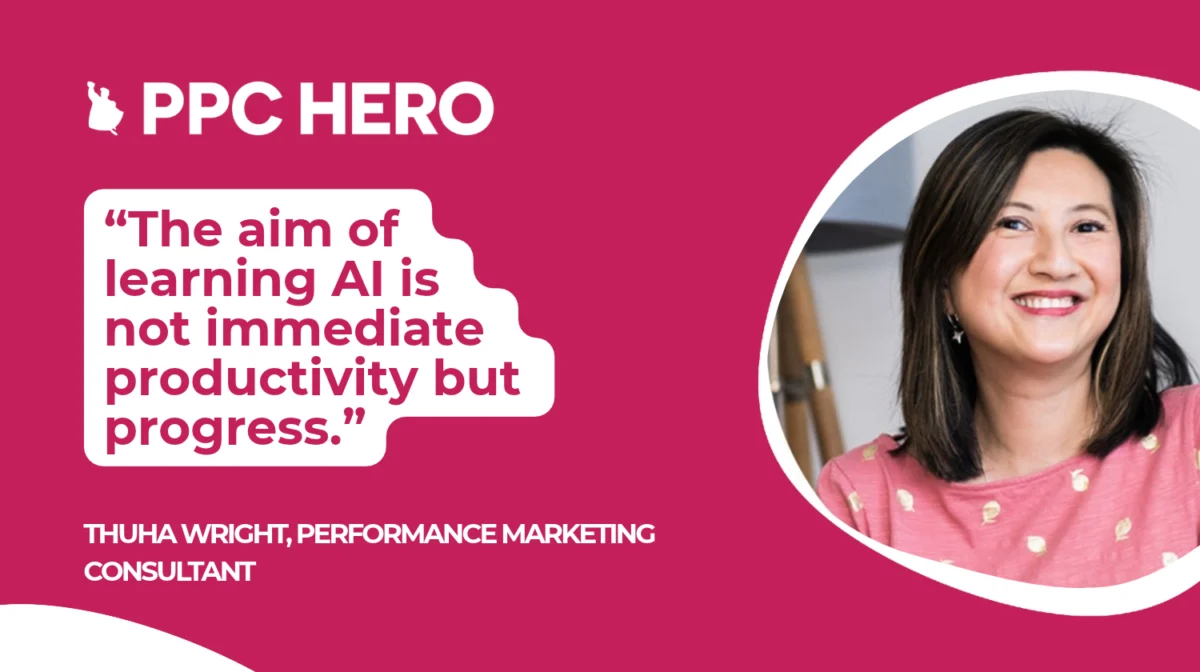
As with any significant learning journey, each challenge overcome contributes to a growing repository of knowledge and reusable solutions. Familiarity with AI terminology increases, the ability to ask the right questions improves, and the speed at which subsequent workflows can be built accelerates. The ultimate objective of engaging with AI should not be immediate productivity gains, but rather sustained, incremental progress.
The author acknowledges and empathizes with those who have dedicated late nights to testing, refining, and seeking advice from AI-savvy peers. This arduous process is, in fact, the necessary path to genuine AI proficiency. AI is no longer a futuristic concept; it is an integral part of modern professional life. Investing time in mastering the fundamentals and establishing a robust foundation is crucial for long-term efficiency and effectiveness. While a readily available prompt or Claude skill might offer immediate relief, its utility may be fleeting as AI technologies evolve.
The profound sentiment of perseverance, echoed in Winston Churchill’s famous words regarding victory, resonates deeply with the AI learning experience. Though from a vastly different and more somber context, the idea of an enduring commitment to a challenging pursuit is highly relevant. The path to AI mastery, while often long and arduous, is ultimately rewarding.
The Road Ahead: Continued Learning and Community Engagement
The author invites further dialogue on this topic, encouraging professionals to share their own AI learning journeys on LinkedIn. The willingness to share resources and insights underscores the collaborative nature of navigating this evolving technological landscape. To that end, several resources have proven instrumental in the author’s own development:
- Thursday AI Club: This bi-weekly session offers a platform for sharing and learning, with the author actively participating as an Ambassador, advocating for greater diversity within the group.
- AdstoAI: A community dedicated to AI-curious business owners and marketers, fostering collaborative development and exploration of the future of work.
- PPC Mastery: A resource providing in-depth knowledge and strategies within the realm of Pay-Per-Click advertising, often intersecting with AI applications.
The journey of AI integration is a testament to the fact that true efficiency is earned through diligent learning, experimentation, and a willingness to embrace the complexities that lie beneath the surface of seemingly simple solutions. The promise of instant automation, while attractive, should be approached with a critical eye, recognizing that sustainable AI success is built on a foundation of knowledge and a commitment to continuous development.


 Lina Irawan