Pevita Pearce
The landscape of email marketing is undergoing a profound transformation, compelling brands to fundamentally reassess their subscriber engagement strategies. A recent prediction for 2026 underscored this shift, foreseeing a significant increase in brands deploying dedicated email campaigns specifically to promote their preference centers. This foresight is not merely speculative; it is a direct response to an evolving digital environment where subscriber autonomy, data privacy, and message relevance have become paramount. Subscribers are increasingly demanding greater control over the frequency and content of communications they receive. When messages resonate with their expressed interests, open rates and engagement metrics invariably climb. Conversely, a deluge of irrelevant emails leads directly to disengagement, unsubscribes, and even spam complaints, posing a significant threat to brand reputation and deliverability.
Recent research from Mailerlite starkly illustrates the urgency of this challenge, revealing that year-on-year unsubscribe rates more than doubled from 2024 to 2025. This dramatic surge is largely attributed to proactive changes implemented by major mailbox providers (MBPs), most notably Gmail, which have simplified the unsubscribe process for users. The top stated reasons for these opt-outs and spam complaints are consistently "too many emails" and "messages not relevant." What often goes unacknowledged is that a substantial portion of these disaffected subscribers would prefer to fine-tune their email frequency or content preferences rather than severing ties entirely, if only they were adequately empowered to do so. The core of the problem, as many industry practitioners attest, is not a lack of subscriber interest in personalization, but rather a pervasive lack of awareness regarding the existence and utility of preference centers. This critical oversight demands immediate strategic correction from marketers.
The Shifting Landscape of Email Engagement: A Chronology of Control
The trajectory of email marketing has always been intertwined with technological advancements and evolving consumer expectations. In the early 2000s, email was largely a broadcast medium, prioritizing reach over relevance. The mid-2010s saw the rise of basic segmentation and personalization, driven by early CRM systems. However, the true inflection point for subscriber control began to materialize more forcefully in the late 2010s and early 2020s.
A significant catalyst was the implementation of stricter data privacy regulations worldwide. The European Union’s General Data Protection Regulation (GDPR) in 2018, followed by the California Consumer Privacy Act (CCPA) in 2020, set a new global standard for how personal data could be collected, processed, and managed. These regulations emphasized transparency, user consent, and the right to access, rectify, or erase personal data. While not directly mandating preference centers, they created an environment where giving users control over their communication preferences became a best practice for compliance and trust-building.
The technological shift accelerated dramatically with Apple’s Mail Privacy Protection (MPP), rolled out in September 2021. MPP fundamentally altered how email marketers could track user behavior, particularly open rates and IP addresses, by routing all emails through proxy servers. This move, aimed at enhancing user privacy, pushed email marketers to move beyond relying on traditional engagement metrics and to get "serious about sourcing zero-party data"—information explicitly and proactively shared by the customer. The inability to reliably track opens underscored the need for more direct indicators of interest and preference, making preference centers indispensable.
Concurrently, major mailbox providers like Google (Gmail) and Microsoft (Outlook) have been continually refining their algorithms and user interfaces to prioritize user experience and combat spam. Gmail’s changes in 2024-2025, which made the unsubscribe option more prominent and easier to access, are a direct consequence of this focus. These platform-level interventions, combined with AI-fueled developments that increasingly analyze and filter emails based on perceived relevance and engagement, mean that inbox placement and sustained subscriber attention are more dependent than ever on delivering highly personalized and desired content. The implication is clear: brands that fail to empower subscribers to manage their preferences risk not only losing individual subscribers but also facing broader deliverability issues as their sender reputation declines.
The Data Imperative: Zero-Party and AI’s Influence
In this new paradigm, zero-party data emerges as the gold standard for personalization. Unlike first-party data (collected through direct interactions like purchases), second-party data (shared by partners), or third-party data (acquired from external sources), zero-party data is explicitly volunteered by the consumer. It includes declared preferences, interests, and intentions—precisely the information a well-designed preference center can capture. This data is inherently more trustworthy and accurate because it comes directly from the source, reflecting current desires rather than inferred behaviors.
The rise of artificial intelligence (AI) across major mailbox providers further amplifies the importance of zero-party data and preference centers. AI algorithms are becoming increasingly sophisticated at identifying user preferences, flagging irrelevant content, and filtering out emails that consistently fail to engage. These systems learn from user interactions, or lack thereof. If a subscriber consistently deletes emails without opening them, marks them as spam, or ignores them, AI will interpret this as a signal of low relevance, potentially relegating future communications to the spam folder or the promotions tab, severely impacting visibility. By providing AI systems with clear signals of user preference through preference center engagement, brands can improve their chances of landing in the primary inbox, fostering a virtuous cycle of relevance and engagement.
Quantifying the Impact: Proven ROI of Preference Centers
The strategic investment in promoting and optimizing preference centers is not merely a defensive measure against unsubscribes; it is a proactive driver of significant business value. The payoff for robust preference center usage is not only conceptually sound but also demonstrably proven by empirical research.
A compelling case study published by Single Grain highlighted an e-commerce client who implemented a tiered preference center. This strategic move resulted in a remarkable 189% increase in email engagement and a substantial 76% decrease in unsubscribes. The tiered approach allowed subscribers to choose granular levels of interaction, moving beyond a simple "yes/no" to more nuanced selections about product categories, frequency, and content types. This level of customization empowered customers, leading directly to higher satisfaction and sustained interaction.
Further illustrating the power of subscriber control, research from Oracle focused on the impact of a "snooze" option within email preference centers. Senders who integrated this feature, allowing subscribers to temporarily pause emails rather than permanently opt-out, observed an average drop of 82% in unsubscribes. This "snooze" functionality is particularly valuable during periods of high email volume, such as holiday sales, or for subscribers who might be temporarily overwhelmed but still wish to maintain their connection with the brand long-term.
These statistics underscore a critical business imperative: investing in a user-friendly and actively promoted preference center is not a cost, but a powerful revenue-generating and retention-driving strategy. It transforms a potential churn risk into an opportunity for deeper, more meaningful customer relationships, directly impacting key performance indicators such as customer lifetime value, conversion rates, and overall brand loyalty.
Strategic Approaches to Elevating Preference Center Awareness
Given the undeniable benefits, email senders must adopt a far more intentional and proactive approach to promoting their preference centers and encouraging subscribers to actively utilize them. Here are strategic methods to achieve this, moving beyond merely burying a link in the email footer:
1. General Communication: The Initial Announcement
The journey begins with basic awareness. A simple, direct email campaign dedicated solely to announcing or reminding subscribers about the preference center can be highly effective. Brands like Chanel have successfully employed this tactic, keeping the message concise and clear, explaining how the tool empowers subscribers to tailor marketing communications to their specific interests. This initial outreach serves to educate the audience and establish the preference center as a valuable resource.
2. Onboarding: First Impressions Matter
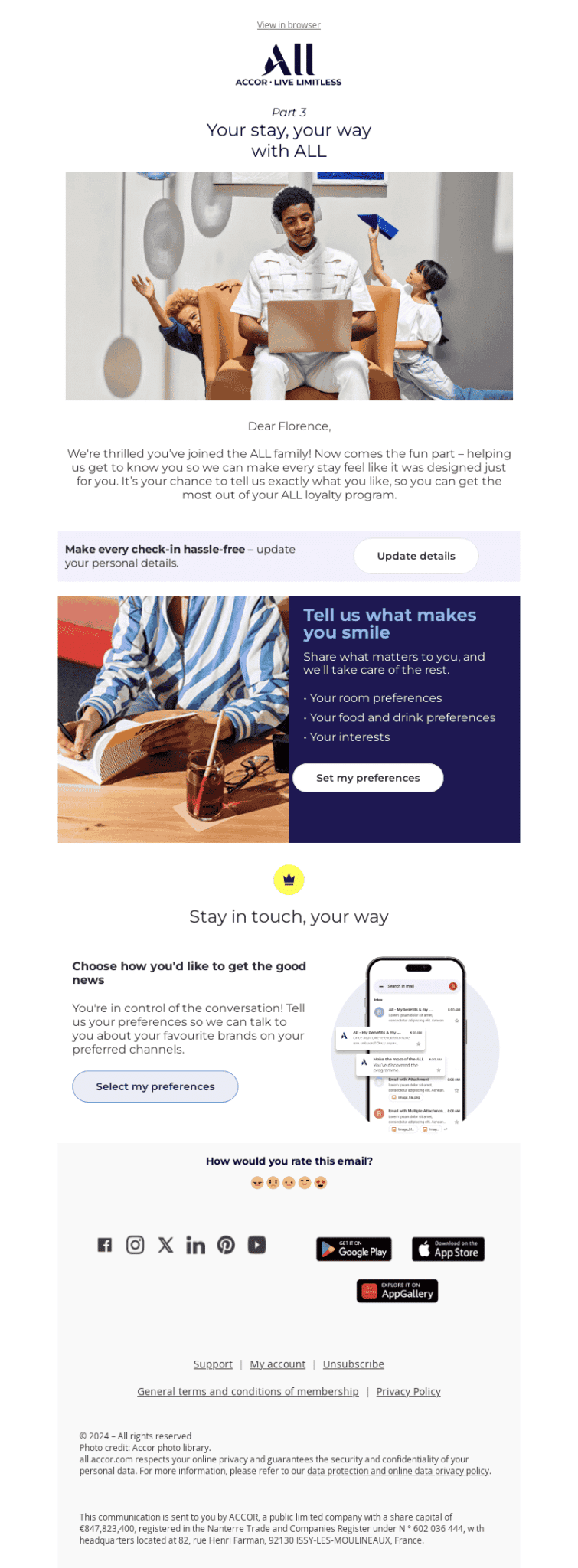
The welcome email and subsequent onboarding series represent prime real estate for preference center promotion. New subscribers are typically at their peak engagement immediately after opting in and are most receptive to shaping the future of their relationship with the brand. Mizuno, a sporting goods brand, creatively leveraged this moment with a clever subject line that played on a sporting theme, encouraging new subscribers to "be part of the first team, not the reserves," thus framing preference setting as an exclusive benefit. Similarly, Accor Hotels effectively integrates preference management into its loyalty program onboarding, sending messages that link preferred communication channels directly to a better customer experience, such as "perfect rooms" and "better check-ins." This approach integrates preference setting into the value proposition from the outset.
3. Progressive Profiling: Building Richer Customer Narratives
Instead of overwhelming new subscribers with an extensive form, progressive profiling advocates for collecting data gradually over time. This reduces friction and improves completion rates. Brands can start with essential data points and then, through periodic check-ins or dedicated campaigns, solicit richer information. For Skyscanner, knowing a customer’s preferred airport is a foundational piece of data for delivering relevant travel deals. Similarly, capturing a subscriber’s date of birth is a powerful progressive profiling target. Beyond enabling personalized birthday offers, it provides valuable signals about age, life stage, and potential buying power, strengthening the customer relationship through thoughtful, timely engagement.
4. Interactive Engagement: Gamification for Data Capture
Gamification techniques can significantly boost engagement with preference centers. By making the data capture process fun and interactive, brands can encourage participation. Oceania Cruises, for example, asks subscribers to "Choose which destination interests you most," presenting options with a running counter showing which choice is currently "winning." This not only captures valuable preference data but also fosters a sense of community and interaction, building a rich body of customer insight over time from every poll response.
5. Articulating Value: The Subscriber’s Benefit
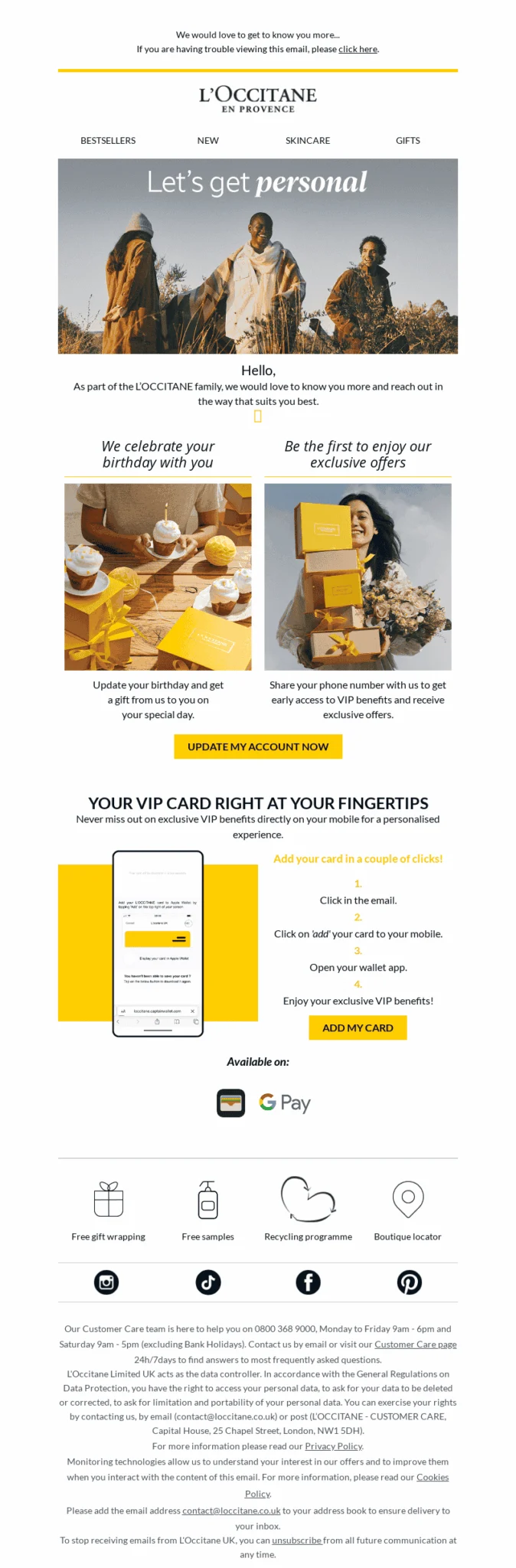
People are more likely to act when they understand "what’s in it for them." Brands must clearly articulate the benefits of updating preferences. L’Occitane excels at this, explicitly spelling out advantages such as "early access to exclusive offers" and a "birthday gift" for those who update their preferences. They detail the types of content subscribers can expect, including new products, personalized offers, and special events, and even offer options to switch communication channels to text, post, or WhatsApp, providing comprehensive control.
6. Tangible Incentives: Driving Action
While "soft" benefits like early access are valuable, some subscribers require more tangible proof of value for their data. A discount code or a small gift, redeemable upon updating preferences, can serve as a powerful incentive. A discount is particularly effective as it not only encourages preference updates but also ties directly to a potential purchase, creating a win-win scenario where the sender gains valuable data and potentially secures a sale.
7. Sensitive Opt-Outs: Empathy in Communication
A growing trend involves offering subscribers the option to opt-out of emotionally sensitive marketing campaigns, such as those for Valentine’s Day, Mother’s Day, or Father’s Day. While well-intentioned, the proliferation of standalone emails for these opt-outs can paradoxically amplify the very sensitivities they aim to avoid. A more elegant and efficient solution is to integrate these as permanent, one-time options within the preference center. Brands like Interflora offer an "anniversaries" opt-out, Bloom & Wild allows muting "Grandparent’s Day," and Hotel Chocolat enables customers to suppress alcohol-related promotions, demonstrating a nuanced understanding of their customer base and a commitment to empathetic communication.
8. Navigating Peak Seasons: Temporary Control
Revenue-critical periods like Black Friday and Cyber Monday often lead to a significant increase in email volume. While crucial for sales, many subscribers would prefer a temporary reprieve from the deluge. As Oracle’s research on the "snooze" option confirms, a short-term pause is vastly preferable to a permanent "unsubscribe from all." Bvlgari effectively implements this strategy, allowing subscribers to temporarily opt-out of holiday promotions. Alternatively, the run-up to these sales can be used as a relevance check. Spoonflower, for instance, frames its preference center promotion around the idea that "no one likes a cluttered inbox!" with a smart call-to-action: "Curate My Content."
9. Ubiquitous Visibility: Integrating Across All Emails
Beyond dedicated campaigns, every email should work harder to promote the preference center. Two tactics significantly increase visibility:
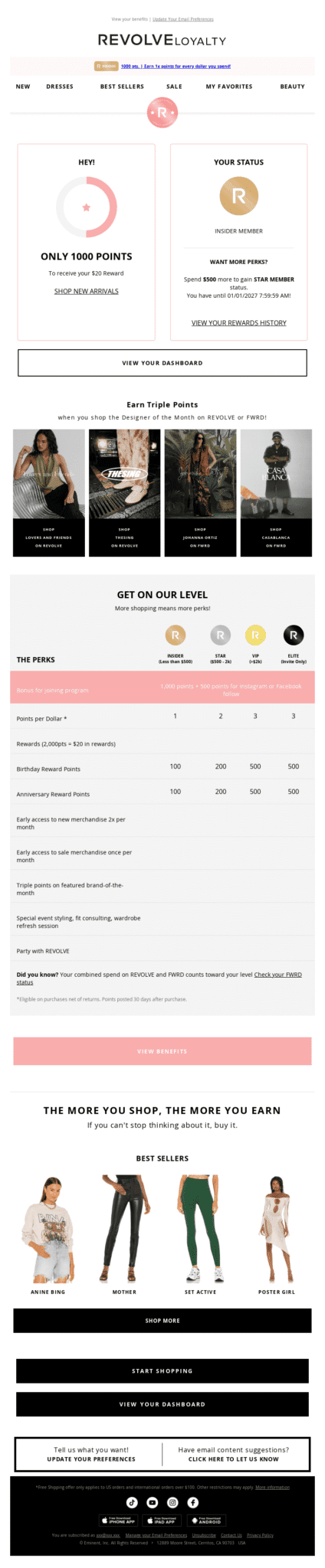
- Pre-headers: Integrating a preference center link into the email pre-header, similar to how unsubscribe links are often placed, builds transparency and trust, potentially reducing spam complaints. REVOLVE is an example of a brand effectively utilizing this space.
- Dedicated Content Blocks: Incorporating a permanent, dedicated content block within every email template ensures the message is consistently reinforced. Bloom & Wild successfully uses this approach, allowing responders to easily manage multiple event opt-outs directly from their regular emails.
10. Re-engagement: A Last Opportunity to Connect
For subscribers who have become disengaged, promoting the preference center can be a crucial last resort in win-back campaigns. It offers an alternative to a full unsubscribe, giving them a chance to re-establish their desired communication terms. CVS Pharmacy implements this effectively, restating the benefits of staying subscribed, soliciting feedback, and concluding with a compelling call-to-action: "Yes, I still want emails." This approach demonstrates a commitment to retaining the subscriber by offering them control over the relationship.
Beyond the Click: The Broader Implications for Brand Trust and Deliverability
The strategic promotion and effective utilization of preference centers extend far beyond mere email metrics. They fundamentally reshape the brand-consumer relationship. By empowering subscribers, brands foster a sense of trust, transparency, and respect. When customers feel valued and in control, their loyalty deepens, leading to higher customer lifetime value and positive brand advocacy.

Furthermore, a robust preference center strategy directly impacts email deliverability. Mailbox providers’ AI algorithms increasingly prioritize sender reputation and engagement signals. A brand that consistently sends relevant, desired content, as indicated by high open and click-through rates and low unsubscribe/spam complaint rates, will enjoy better inbox placement. Conversely, brands with high unsubscribe rates and frequent complaints will see their emails routed to spam folders, regardless of their content. Preference centers act as a crucial mechanism to maintain a clean, engaged subscriber list, ensuring that marketing efforts reach their intended audience.
Conclusion: The Future is Personalized and Controlled
Ultimately, the most effective preference centers function as dynamic personalization engines, serving as conversation starters for unlocking invaluable zero-party data. The real test of their efficacy lies in demonstrating a clear link between preference center usage and stronger email marketing engagement. If the subscribers who actively use your preference center exhibit higher clicks, greater spend, and longer retention, then a compelling case exists for sustained investment in your email program and your overall customer data strategy.
In an era defined by privacy concerns, AI-driven filtering, and heightened consumer expectations, the proactive promotion and intelligent design of email preference centers are no longer optional add-ons but essential pillars of a successful digital marketing strategy. Brands that embrace this imperative will not only navigate the evolving email landscape but thrive within it, building stronger relationships, driving superior engagement, and securing a competitive advantage in the crowded digital marketplace. The future of email marketing is unequivocally personalized, permission-based, and firmly in the hands of the subscriber.

 Nila Kartika Wati
 Asep Darmawan