Lina Irawan

The contemporary digital landscape has transformed from a supplementary tool to an indispensable battleground for small businesses. In an environment characterized by fluctuating algorithms and transient platform trends, establishing robust digital ownership has emerged as a non-negotiable imperative for sustainable growth and operational resilience. This critical shift was recently highlighted in a compelling discussion featuring Peg Fitzpatrick, a seasoned social media expert and author of "The Art of Small Business Social Media," and Kinsey Soderberg, a prominent voice in the AI space and host of "Feel Good Social." Their insights underscore the evolving challenges faced by small enterprises navigating an online world often dictated by external platforms.
The Shifting Digital Paradigm: From Novelty to Necessity
For many small businesses, the initial foray into digital marketing was marked by the promise of social media platforms: free reach, viral potential, and direct engagement with customers. This era, spanning the late 2000s and early 2010s, saw platforms like Facebook, Twitter, and later Instagram, become perceived as essential marketing channels. Business owners, often with limited budgets, eagerly embraced these tools to build brand awareness and foster community.
However, as Fitzpatrick noted, this enthusiasm has increasingly been tempered by a sense of "constantly chasing the algorithm." What began as organic reach gradually evolved into a complex, often opaque system where visibility is dictated by ever-changing algorithms and, increasingly, by paid promotion. "One day your content is soaring, the next – crickets," Fitzpatrick observed, articulating a common frustration among small business owners who dedicate significant time and resources to content creation only to see unpredictable results. This volatility has shifted the narrative from social media as a free marketing tool to a "rented land" where businesses operate at the mercy of platform owners.
The Perils of "Rented Land": Risks of Platform Dependence
Relying exclusively on third-party social media platforms for a business’s primary digital presence carries inherent and substantial risks, a concept Fitzpatrick and Soderberg collectively termed "digital sovereignty."
-
Algorithm Volatility: Social media algorithms are designed to keep users engaged on the platform, not necessarily to serve the commercial interests of businesses. Frequent updates can drastically alter content reach, often without prior notice or clear explanation. A post that performed well last month might receive minimal engagement today, forcing businesses to continuously adapt their strategies, often leading to wasted effort and resources. A 2023 survey by HubSpot indicated that 49% of marketers cited changing algorithm as a significant challenge in social media marketing.
-
Platform Closure or Policy Changes: One of the most significant risks is the potential for a platform to diminish in popularity, alter its business model, or cease operations entirely. Fitzpatrick vividly recalled her experience with Google Plus, a platform where she amassed over 1.5 million followers. Despite its substantial user base and integration with Google’s ecosystem, Google Plus was ultimately shut down in 2019. This event served as a stark reminder that even seemingly invincible platforms can disappear, taking with them years of accumulated content, audience connections, and brand equity if businesses haven’t diversified their digital assets. Similar concerns persist with platforms like TikTok, which faces ongoing regulatory scrutiny regarding data security and ownership, potentially leading to operational restrictions or outright bans in certain markets.
-
Lack of Control and Data Ownership: When a business builds its presence solely on a social media platform, it cedes control over its content, audience data, and monetization strategies to the platform provider. Terms of service can change, content can be removed, and accounts can be suspended without recourse. Furthermore, platforms typically retain ownership of user data, providing businesses only limited access to analytics rather than direct customer information. This absence of direct data ownership hinders personalized marketing efforts and deep customer understanding.
-
Mental Health and Overwhelm: The relentless pressure to maintain an active, engaging presence across multiple platforms can lead to significant stress and burnout for small business owners. "The pressure to be everywhere, all the time," Soderberg noted, "is often fueled by platforms that don’t have your best interest in mind." This constant demand for new content, often in specific formats like short-form video (reels, TikToks), can divert valuable creative energy away from core business operations. Fitzpatrick also highlighted the negative mental health impact of comparison culture and the "relevancy scores" some platforms use, which can create undue stress.
-
Vanity Metrics vs. Revenue Generation: While social media can drive brand awareness, it often struggles to directly convert into sales for many small businesses. "Every post that you do does not link to your website and people aren’t gonna go," Fitzpatrick explained. Unlike owned channels where calls to action can be seamlessly integrated, social media platforms prioritize keeping users within their ecosystem, making direct sales conversions more challenging. Engagement metrics like likes and shares, while boosting visibility, do not necessarily equate to revenue.
Pillars of Digital Ownership: Building for Longevity
To counter the inherent risks of platform dependence, Fitzpatrick and Soderberg advocate for a strategy centered on "digital sovereignty" – building and nurturing digital assets that a business truly owns and controls. This foundational approach focuses on three core pillars:
-
The Owned Website: The website remains the cornerstone of a business’s online presence. It serves as the central hub where a business has complete control over its content, branding, design, functionality, and, crucially, its data. A well-optimized website acts as a powerful search engine optimization (SEO) tool, allowing customers to find the business through organic search queries, independent of social media algorithms. According to a 2023 survey by Statista, over 64% of small businesses consider their website to be their most important marketing asset. Websites offer unlimited potential for detailed product/service information, testimonials, blog content, and direct sales through e-commerce integration.
-
The Email List: Email marketing consistently delivers one of the highest returns on investment (ROI) in digital marketing. An email list represents a direct communication channel with an engaged audience, immune to algorithm changes or platform closures. Businesses can collect email addresses through their website, offering valuable incentives like exclusive content or discounts. This direct line of communication allows for personalized messaging, nurturing leads, announcing new products, and building deep customer loyalty. A 2023 study by Litmus reported that for every $1 spent on email marketing, businesses see an average return of $36. Fitzpatrick emphasized that even if an email service provider were to change, businesses retain the ability to download and migrate their subscriber lists, maintaining control over their most valuable audience asset.
-
The Podcast: As exemplified by Kinsey Soderberg’s own "Feel Good Social" podcast, audio content offers unique advantages for digital ownership. A podcast, hosted on independent platforms, allows creators to own their recordings and intellectual property. It builds a dedicated audience that actively chooses to consume content, fostering a strong connection. Soderberg highlighted the "long-lasting" nature of podcast content, noting that she still receives engagement from episodes published in 2019, demonstrating its evergreen value and searchability. Podcasts also provide an authentic platform for thought leadership and deeper engagement than short-form social media content.
Strategic Prioritization and Actionable Steps
Fitzpatrick and Soderberg emphasize that achieving digital ownership is not about "doing more," but about "doing what matters." Their practical steps towards digital sovereignty include:
- Prioritize Owned Channels: Dedicate primary resources and creative energy to building and maintaining a robust website, growing an email list, and, if applicable, developing a podcast. These are the assets that build long-term value and provide stability.
- Strategic Social Media Engagement: Rather than constant engagement, social media should be used strategically to drive traffic back to owned properties. Fitzpatrick suggests scheduling limited, focused times for social media activities – checking messages, responding to comments – and then disengaging to focus on core business tasks. "Putting your phone away is a really important thing," she advised, advocating for minimizing distractions.
- Content Repurposing and Evergreen Value: Create foundational content (e.g., blog posts, podcast episodes, detailed product descriptions) for owned platforms first. This content can then be repurposed into shorter, platform-specific formats for social media, ensuring that the primary value resides on the business’s own property. This maximizes content longevity and reduces the need for constant, ephemeral creation.
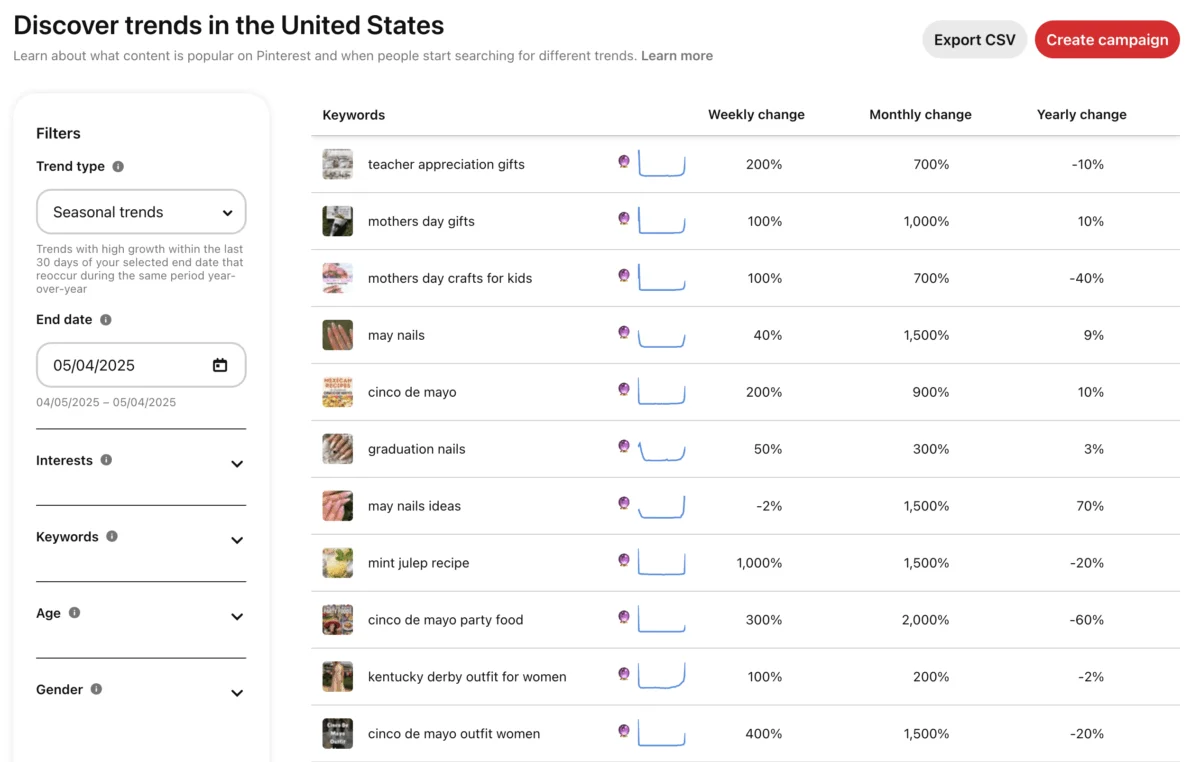
- Leveraging Niche Platforms Strategically: While broad social media platforms pose risks, some niche platforms can offer unique advantages when used with a clear strategy. Fitzpatrick cited Pinterest as a prime example, describing it as "a hundred percent the best for that, the most positive place to be." She noted that Pinterest excels in learning user preferences (e.g., gluten-free recipes for her) and driving direct traffic to websites. "I get way more traffic to my blog from Pinterest than I do from anything else. It’s been my number one traffic driver for visibility for a decade," she stated. Unlike Instagram or TikTok, every pin on Pinterest can link directly to a website, podcast, or email signup page, making it highly actionable and conversion-focused. Pinterest’s focus on inspiration and actionable content, with a lower content frequency expectation (one original piece per week), makes it a more sustainable and effective platform for many small businesses.
Broader Impact and Future-Proofing Your Brand
The emphasis on digital ownership represents a fundamental shift in mindset for small businesses, moving away from reactive trend-chasing towards proactive, strategic brand building. This approach offers several profound implications for future-proofing:
- Enhanced Resilience: Businesses with strong owned digital assets are inherently more resilient to external shocks, such as algorithm changes, platform closures, or economic downturns. Their ability to directly communicate with their audience and maintain independent sales channels provides a buffer against market volatility.
- Stronger Customer Relationships: Direct communication through email lists and owned websites fosters deeper, more personal relationships with customers. This leads to increased loyalty, repeat business, and invaluable feedback that can drive product development and service improvements.
- Sustainable Growth: Investments in SEO-optimized websites and evergreen content on owned platforms yield long-term benefits, attracting organic traffic and building authority over time. This contrasts with the often fleeting and expensive gains from social media advertising.
- Data-Driven Decisions: Owning customer data allows businesses to gain profound insights into their audience’s behavior, preferences, and purchasing patterns. This data is critical for making informed marketing decisions, personalizing customer experiences, and optimizing business operations.
- Competitive Advantage: In an increasingly crowded digital marketplace, businesses that prioritize digital ownership stand out. Their stability, direct communication channels, and control over their brand narrative provide a distinct competitive advantage over those solely reliant on third-party platforms.
In conclusion, as the digital landscape continues its rapid evolution, the strategic imperative for small businesses is clear: establish and nurture owned digital assets. Websites, email lists, and podcasts are not merely supplementary tools but the foundational pillars upon which sustainable, resilient, and profitable businesses are built. This commitment to digital ownership is what separates short-term noise from long-term growth, ensuring that small businesses retain control over their destiny in an unpredictable online world.

 Asep Darmawan
 Asro