Lina Irawan
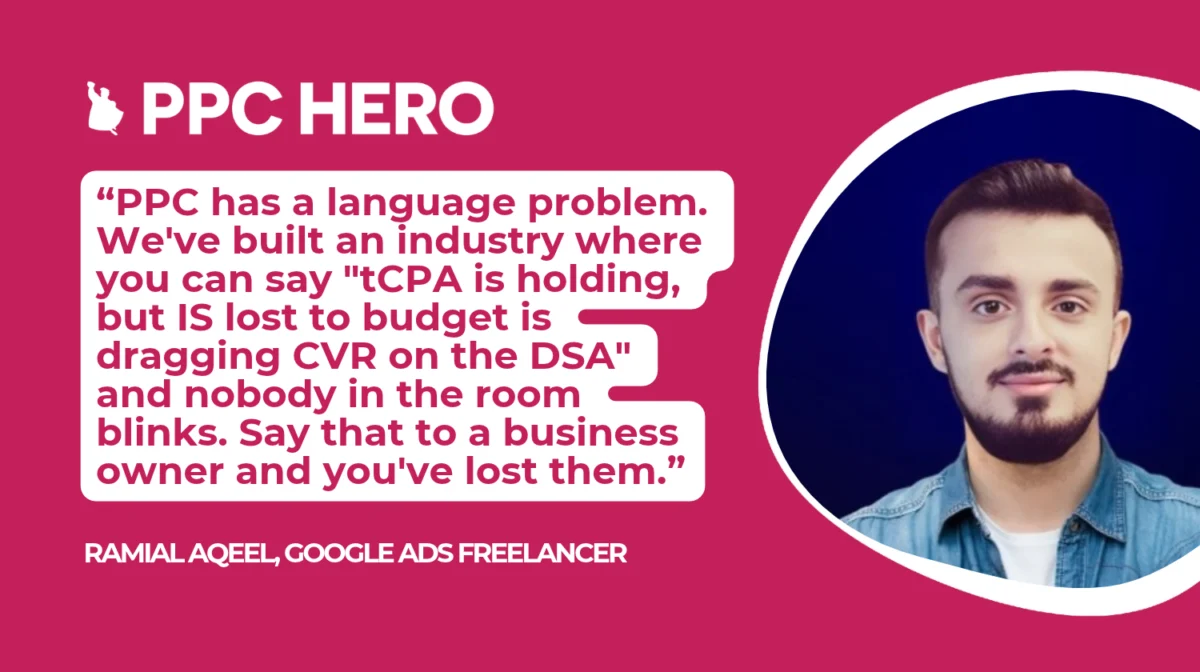
The landscape of digital advertising, particularly within the realm of Pay-Per-Click (PPC) marketing, is often characterized by a dense lexicon of acronyms. This specialized language, while efficient for seasoned professionals, presents a significant barrier to entry and understanding for many stakeholders, including business owners and those new to the field. The reliance on these abbreviations, while intended to streamline communication, can inadvertently lead to misinterpretations and, consequently, costly strategic missteps.
The core issue lies in the dual nature of acronyms: they serve as valuable shorthand, saving time and mental bandwidth. However, when these abbreviations are used loosely, or their precise definitions are not universally understood, the efficiency they aim to provide is undermined. This can result in strategies being implemented based on a flawed understanding of key performance indicators (KPIs) or campaign objectives, ultimately impacting the bottom line. This comprehensive guide aims to demystify the common acronyms prevalent in PPC, providing clear definitions and contextual explanations to foster greater clarity and more informed decision-making across the industry.
The Foundational Pillars of PPC Terminology
At the very foundation of PPC lies an understanding of its fundamental components. These are the building blocks upon which all paid advertising strategies are constructed.
- PPC (Pay-Per-Click): This is the most fundamental term, denoting a model where advertisers pay a fee each time one of their ads is clicked. While initially this referred specifically to this payment model, it has evolved to become a broader umbrella term encompassing all forms of paid digital advertising, including search, display, and social media advertising.
- SEM (Search Engine Marketing): This term can be a source of confusion, as it often encompasses both paid search advertising (PPC) and organic search engine optimization (SEO). It is crucial to clarify whether SEM refers solely to paid efforts or includes organic strategies when used in a professional context. For instance, a recent industry report from Statista indicated that global SEM spending reached an estimated $250 billion in 2023, a figure that includes both paid and organic efforts contributing to search visibility.
- SERP (Search Engine Results Page): This is the page displayed by a search engine in response to a query. It’s a dynamic space where advertisements, organic listings, local map packs, and increasingly, AI-generated overviews compete for user attention. The evolution of SERPs, driven by advancements in AI, means that strategic placement and visibility within these results are more complex than ever.
- KPI (Key Performance Indicator): These are the critical metrics used to measure the success of a campaign or business objective. Identifying and tracking the right KPIs is paramount. For example, a business focused on lead generation might consider Cost Per Lead (CPL) a primary KPI, while an e-commerce business might prioritize Return on Ad Spend (ROAS).
Decoding Performance Metrics: The Engine of PPC Success
Understanding how to measure campaign performance is vital. The following metrics are central to evaluating the effectiveness of PPC efforts.
- CPC (Cost Per Click): This is the actual amount an advertiser pays for each click on their ad. It is calculated by dividing the total cost of an ad campaign by the number of clicks it receives. The "Max CPC" represents the highest amount an advertiser is willing to pay for a click, serving as a bid ceiling. In competitive markets, average CPCs can vary significantly; for instance, data from WordStream suggests that the average CPC across all industries in Google Ads can range from $1.50 to $2.00, but highly competitive sectors like legal services or insurance can see CPCs exceeding $50.
- CTR (Click-Through Rate): This metric represents the ratio of clicks an ad receives to the number of times it is shown (impressions). It is calculated as (Clicks / Impressions) * 100%. A high CTR is often an indicator of ad relevance and effectiveness, serving as a significant signal to search engines about ad quality. A CTR of 2% or higher is generally considered good on the Google Search Network, though this can vary by industry.
- CVR (Conversion Rate): This is the percentage of clicks that result in a desired action, such as a purchase, sign-up, or download. It’s calculated as (Conversions / Clicks) * 100%. It’s important to note that platforms like Google Analytics 4 (GA4) may use sessions rather than clicks in their conversion rate calculations, which can lead to minor discrepancies. Industry benchmarks for CVR typically range from 2% to 5%, but can be significantly higher or lower depending on the industry and the quality of the traffic.
- CPA (Cost Per Acquisition) / CPL (Cost Per Lead): CPA measures the cost of acquiring a customer or achieving a specific conversion goal. CPL is a specific type of CPA focused on the cost of generating a lead. The accuracy of CPA is heavily dependent on robust conversion tracking. A study by HubSpot revealed that the average CPL across industries can range from $30 to $100, highlighting the importance of optimizing campaigns to reduce this cost. It is crucial to remember that a lead is not a customer, and the cost of acquiring a lead should be viewed in the context of its potential to convert into a paying customer.
- ROAS (Return On Ad Spend): This metric measures the revenue generated for every dollar spent on advertising. It is calculated as (Conversion Value / Cost) * 100%. ROAS is based on revenue, not profit, which is a critical distinction. For example, if a campaign spends $1,000 and generates $5,000 in revenue, the ROAS is 500% or 5:1.
- AOV (Average Order Value): This is the average amount a customer spends per transaction. It is calculated as Total Revenue / Number of Orders. AOV is often an overlooked lever for improving ROAS; by increasing the average order value, advertisers can achieve a higher return on their ad spend without necessarily increasing ad spend itself.
- CPM (Cost Per Mille): This metric represents the cost an advertiser pays for one thousand views or impressions of an advertisement. It is commonly used for display and video advertising campaigns where the primary goal is brand awareness and reach. CPMs can vary wildly based on targeting, ad placement, and audience demographics.
Navigating Bidding Strategies: The Art of the Auction
Effective bidding is central to controlling ad spend and achieving campaign objectives. Modern PPC platforms offer sophisticated automated bidding strategies.
- MaxConvs (Maximize Conversions): This automated bidding strategy aims to get the most conversions possible within a given budget. The system will automatically adjust bids to achieve this goal.
- tCPA (Target Cost Per Action): This strategy combines the goal of maximizing conversions with a specific target CPA. The system will attempt to acquire conversions at or below the specified target CPA. For example, setting a tCPA of $50 means the advertiser aims to acquire each conversion for no more than $50.
- MCV (Maximize Conversion Value): Similar to MaxConvs, this strategy aims to get the most conversion value within a budget, but it prioritizes higher-value conversions.
- tROAS (Target Return On Ad Spend): This strategy allows advertisers to set a target ROAS, aiming to achieve a specific return on their ad investment. For instance, entering "400%" signifies a target of achieving $4 in revenue for every $1 spent on advertising. This is a more nuanced approach than simply maximizing conversions.
- TIS (Target Impression Share): This bidding strategy focuses on ensuring ads appear in a specific location on the SERP (e.g., top of the page) or a certain percentage of the time. It’s crucial to cap the maximum CPC when using TIS to prevent excessive spending on securing impressions.
Campaign Structures, Ad Formats, and Keyword Management
The way campaigns are structured and the types of ads used significantly influence performance.

- PMax (Performance Max): This is Google’s latest campaign type, designed to run across all of Google’s channels, including Search, Display, YouTube, Gmail, and Discover, from a single campaign. It leverages machine learning to find converting customers.
- DG (Demand Gen): These campaigns focus on visual advertising across YouTube, Discover, and Gmail, aiming to drive demand and engagement through visually appealing ad formats.
- DSA (Dynamic Search Ads): These ads automatically target relevant searches based on the content of a website. They are particularly useful for advertisers with large inventories or frequently changing product offerings. Google has indicated that DSA campaigns are evolving and integrating into "AI Max" functionalities, suggesting a future shift towards more AI-driven targeting and ad creation.
- AI Max (AI Max for Search): This represents an evolution of search advertising, incorporating broader keyword matching and AI-generated ad copy to enhance relevance and reach.
- RSA (Responsive Search Ad): These ads allow advertisers to provide multiple headlines and descriptions, which Google then mixes and matches to create the most relevant ad for each search query. This flexibility is designed to improve ad relevance and performance.
- SQR (Search Query Report) / Search Terms: This report reveals the actual search queries that triggered an advertiser’s ads. It’s an invaluable tool for identifying new keyword opportunities, negative keywords to exclude irrelevant traffic, and understanding user intent. The terminology has shifted from SQR to "search terms" in many platforms.
Quality and the Auction Dynamics
The efficiency of an ad auction is influenced by several factors related to ad quality and visibility.
- QS (Quality Score): This is a diagnostic metric from Google Ads ranging from 1 to 10, reflecting the expected quality and relevance of keywords, ads, and landing pages. It is based on factors like expected CTR, ad relevance, and landing page experience. While not a direct KPI, a high Quality Score can lead to lower costs and better ad positions.
- IS (Impression Share): This metric represents the percentage of eligible impressions an advertiser’s ads actually received. A low Impression Share can indicate lost opportunities due to budget limitations, low bids, or ad rank issues.
- Abs. Top IS (Absolute Top Impression Share): This measures the percentage of impressions that appeared in the very first ad position on the search results page. Achieving a high Absolute Top Impression Share often correlates with strong brand visibility and higher click-through rates.
Audience Targeting and E-commerce Specifics
Effective targeting and understanding e-commerce specific metrics are crucial for driving sales.
- RLSA (Remarketing Lists for Search Ads): This allows advertisers to tailor their search campaigns to people who have previously visited their website. They can bid differently for these users when they search again, increasing the likelihood of conversion.
- RMKT (Remarketing): This involves showing ads to users who have previously interacted with a website or app, aiming to re-engage them and encourage them to complete a desired action.
- CM (Customer Match): This feature allows advertisers to upload their own customer data (e.g., email addresses, phone numbers) to target or exclude specific customer segments across Google’s platforms.
- GMC (Google Merchant Center): This is a platform where e-commerce businesses upload their product data (product feeds) to enable shopping ads and other Google shopping features.
- GTIN (Global Trade Item Number): This is a unique product identifier, such as a UPC or EAN barcode number. Accurate and complete GTINs are essential for product visibility in Google Shopping and can significantly impact reach.
Landing Page Optimization: The Crucial Conversion Point
The landing page is where the user’s journey often culminates, and its effectiveness is paramount.
- LP (Landing Page): This is the specific web page a user is directed to after clicking on an ad. It should be highly relevant to the ad’s message and designed to drive a specific conversion action, rather than being a generic homepage.
- CTA (Call To Action): This is the directive that prompts a user to take a specific action on a landing page, such as "Buy Now," "Sign Up," or "Download." A clear and compelling CTA is essential for conversion.
- CRO (Conversion Rate Optimisation): This is the systematic process of increasing the percentage of website visitors who take a desired action. It involves analyzing user behavior, conducting A/B tests, and making data-driven improvements to landing pages and website elements.
- A/B (A vs B Test or Experiment): This is a method of comparing two versions of a webpage or ad to determine which one performs better. Traffic is split between the two versions, and performance is measured to identify the winner.
Tracking and Attribution: Measuring What Matters
Accurate tracking and attribution are the bedrock of informed PPC management.
- GA4 (Google Analytics 4): This is Google’s latest analytics platform, designed for cross-platform and cross-device tracking. It’s important to note that GA4’s primary event-based model differs from previous versions, and its key events may not always directly align with traditional advertising conversion definitions.
- GTM (Google Tag Manager): This is a tag management system that allows users to manage and deploy marketing tags (snippets of code) on their websites or mobile apps without modifying the code directly. It streamlines the process of implementing tracking and analytics.
- GCLID (Google Click Identifier): This is a unique parameter appended to URLs when a user clicks on a Google ad. It helps tie ad clicks to conversions recorded on a website, enabling accurate tracking.
- UTM (Urchin Tracking Module): These are tags added to the end of URLs that provide analytics platforms with information about the traffic source, medium, and campaign. They are essential for understanding where website traffic originates.
- EC (Enhanced Conversions): This feature uses hashed customer data (like email addresses) to improve the accuracy of conversion measurement, especially in environments with increasing privacy restrictions. It helps recover conversions that might otherwise be lost.
- OCT (Offline Conversion Tracking): This allows businesses to upload conversion data from their CRM or other offline systems back to Google Ads. This is particularly useful for businesses with longer sales cycles or complex offline sales processes.
- DDA (Data-Driven Attribution): This is Google’s default attribution model, which uses machine learning to assign credit for conversions across various touchpoints in the customer journey, rather than relying on last-click or first-click models.
Business-Level Financial Metrics: Beyond Ad Spend
While PPC metrics are crucial, understanding how they translate into broader business financial health is vital.
- ROI (Return On Investment): This is a profitability metric that measures the gain or loss generated on an investment relative to its cost. Unlike ROAS, ROI is typically profit-based.
- POAS (Profit On Ad Spend): This metric calculates the gross profit generated from advertising spend. It’s a more refined measure of profitability than ROAS.
- MER (Marketing Efficiency Ratio): This ratio compares total revenue to total marketing spend, providing a holistic view of marketing’s contribution to revenue generation.
- CAC (Customer Acquisition Cost): This represents the total cost of sales and marketing efforts needed to acquire a new customer. It is calculated by dividing the total marketing and sales spend by the number of new customers acquired over a specific period. CAC is distinct from CPA, as it often encompasses a broader range of costs and focuses on new customer acquisition.
- LTV (Lifetime Value): This metric estimates the total revenue a business can expect from a single customer account throughout their relationship. A high LTV relative to CAC is a strong indicator of a sustainable business model.
- MQL / SQL (Marketing Qualified Lead / Sales Qualified Lead): MQLs are leads identified by marketing as having a higher probability of becoming customers based on their engagement. SQLs are leads that have been vetted and accepted by the sales team as ready for direct sales outreach. The transition from MQL to SQL represents a critical stage in the sales funnel.
The Imperative of Clear Communication
Ultimately, the proliferation of acronyms in PPC, while serving a purpose among specialists, can hinder effective communication with clients and broader business stakeholders. The true measure of expertise lies not in the sheer volume of jargon one can employ, but in the ability to translate complex concepts into clear, actionable insights.
For instance, instead of stating, "IS lost (budget) is 40%," a more effective communication would be, "We are missing out on four out of every ten potential searches because our daily budget runs out before the end of the day." This clarity ensures that clients understand the implications of campaign performance without having to decipher a specialized vocabulary. Such transparent communication builds trust and fosters a more collaborative and effective partnership, ensuring that PPC strategies are aligned with overarching business objectives and understood by all parties involved. The future of effective PPC lies in bridging the gap between technical jargon and business understanding, ensuring that data-driven insights translate into tangible business growth.


 Siti Muinah