Asep Darmawan
The New Imperative: Strategic Leadership in a Dynamic Landscape
Social media has long shed its nascent skin, emerging as a powerhouse of global communication and commerce. By 2026, eMarketer projects US social ad spending to exceed an astounding $121 billion, underscoring its undeniable economic weight and strategic significance. This financial gravity, coupled with the accelerating pace of digital evolution, places unprecedented demands on social media leaders. They are no longer simply managing content calendars; they are steering a complex ecosystem that impacts product development, customer service, talent acquisition, and overall brand health.
A recent IBM study from May 2025 highlighted this executive recognition, revealing that 69% of CEO respondents believe their organization’s success is directly linked to cultivating a broad group of leaders possessing a deep understanding of strategy and the authority to make critical decisions. Social media leadership is demonstrably no exception to this overarching organizational need. It requires a unique blend of learned abilities and innate qualities to not only direct and inspire social media teams but also to translate digital engagement into tangible business outcomes. Shakivla Todd, a four-time Shorty award-winning Social Media Strategist, emphasizes that a truly effective social leader must be "naturally culturally aware and in-the-know." She elaborates, "You don’t need to be chronically online. But you do need to be acutely aware of what’s happening as it pertains to current events and cultural moments." This cultural sensitivity is not merely about chasing trends, but about guiding teams through sensitive moments and ensuring brand messaging always "reads the damn room."
Distinguishing Leadership from Management: Defining Distinct Roles

While often intertwined, social media leadership and social media management represent distinct functions crucial for organizational success. Social media management primarily focuses on the execution of a defined strategy, ensuring the smooth day-to-day operations of social channels. Managers are typically responsible for tasks such as content creation, scheduling posts, monitoring engagement, responding to community interactions, running specific campaigns, and generating performance reports on metrics like reach and engagement rate. Their focus is on output and tactical optimization within established guidelines.
Social media leadership, conversely, operates at a higher strategic altitude. Leaders are tasked with setting the overarching direction, aligning social media initiatives with broader business goals, and fostering an environment where teams can thrive. Their responsibilities extend to managing budgets, building cross-functional relationships, establishing governance frameworks, and interpreting performance data to inform executive decisions. A social media leader assesses how an engagement rate ladders up to revenue generation, brand reputation enhancement, or customer retention. Their scope encompasses teams, budgets, and cross-functional systems, with a time horizon often spanning quarterly to multi-year plans, contrasting with a manager’s daily to quarterly focus. Leaders are the architects of the strategic framework, while managers are the expert builders executing within it.
The Social Media Director: A Pivotal Role
The position of a social media director frequently serves as a crucial bridge, a proving ground where tactical expertise must merge with strategic vision. This role typically oversees the strategic direction of an organization’s social presence while remaining close enough to the operational work to provide effective guidance. It is often the first instance where social media leadership skills are tested at scale, demanding a unique blend of strategic foresight and operational oversight.
Typical responsibilities for a social media director include developing and refining social media strategies, managing significant budgets, overseeing team structure and performance, establishing governance policies, and communicating performance to executive stakeholders. As Todd notes, the rapid pace of change in social media requires inherent flexibility: "Keeping up with the swiftness of social media is an Olympic sport. I’ve learned to be comfortable with uncertainty, and I don’t get too attached to plans." In enterprise environments, the director also navigates the complexities of distributed teams, diverse markets, and stringent compliance requirements. A critical skill, Todd asserts, is the ability to "know how to say no." With numerous opinions and requests constantly vying for attention, a director must strategically prioritize, preventing the team from being stretched thin across competing, non-core initiatives. This philosophy ensures that social efforts remain focused on high-impact activities rather than attempting to be "everywhere, everything, all at once."

Five Core Competencies for 2026 Social Leaders
The foundational skills of social media leadership are constantly evolving, but in 2026, five core competencies stand out as critical differentiators for enterprise success. These skills empower leaders to make decisions that resonate across the organization, influencing beyond the immediate social media sphere.
-
Strategic Thinking and Goal Alignment: Exceptional social leaders possess the ability to translate overarching business objectives into coherent, actionable social media strategies. This involves not only identifying which goals social can support but, crucially, which goals it will not chase. At an enterprise level, this prevents regional teams from being diluted across a multitude of competing priorities. It mandates setting clear, measurable KPIs directly linked to business outcomes, developing long-term roadmaps, and continually optimizing strategy based on performance data and market shifts. The goal is to ensure every social initiative contributes tangibly to the organization’s mission, be it revenue growth, brand awareness, or customer loyalty.
-
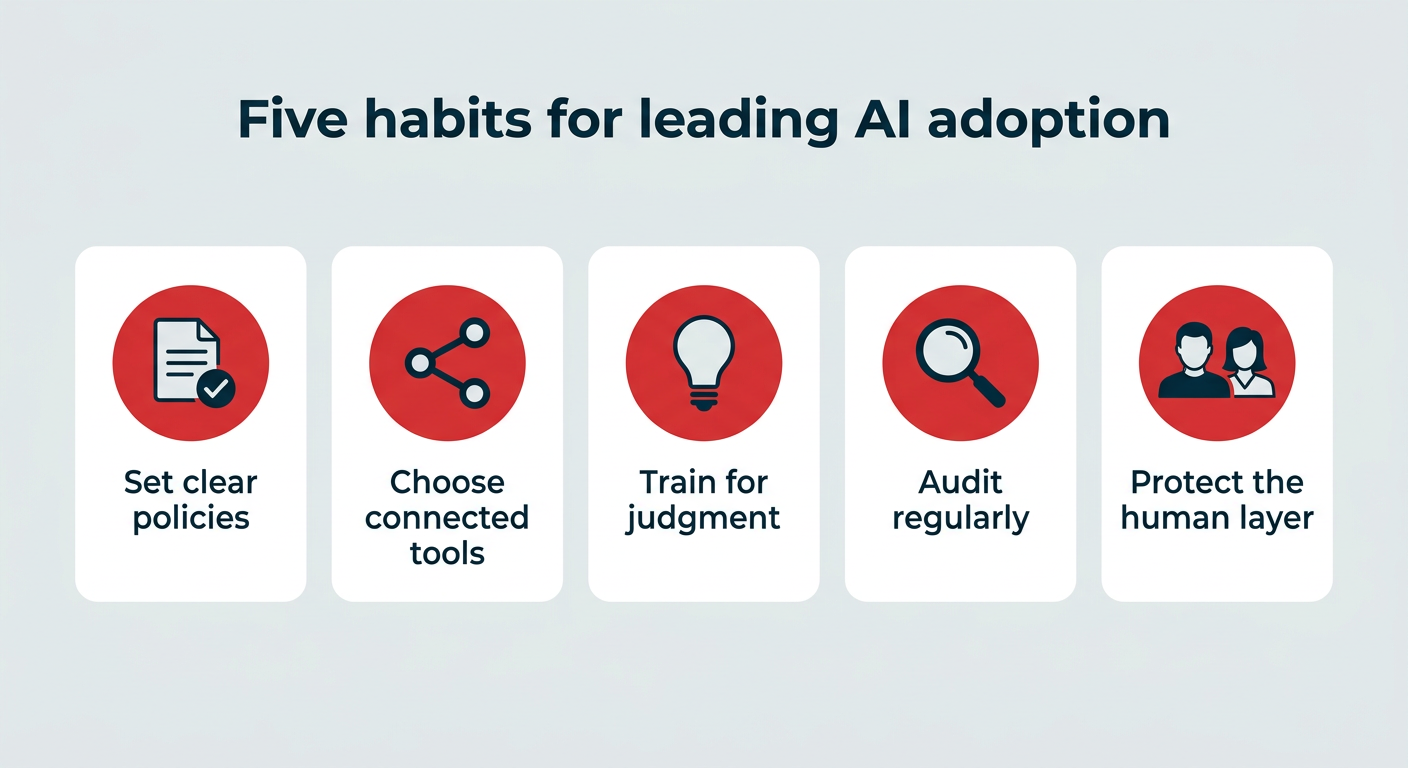
Leading AI Adoption and Governance: The rapid integration of Artificial Intelligence into marketing workflows has made AI leadership a non-negotiable skill. Social teams were early adopters, meaning many leaders are now tasked with formalizing governance for tools that entered the organization informally. Effective leaders proactively decide where AI belongs in the workflow, establishing clear policies for its use. This includes selecting AI tools that integrate seamlessly, training teams on responsible AI application, and ensuring AI-assisted content adheres to brand voice, legal, and ethical guidelines. With Gartner predicting AI-driven marketing automation to double by 2028, any approval workflow that doesn’t account for AI-assisted content represents a critical gap in brand safety and compliance.
-
Data Storytelling and Executive Communication: Raw social data, however comprehensive, rarely sways executive decisions on its own. The ability to transform complex social performance metrics into compelling, actionable narratives is paramount. Leaders must move beyond vanity metrics to illustrate the real, human impact of social efforts. As Shakivla Todd advises, "Screenshot every meaningful comment, DM, and Instagram story mention… Show executives the actual conversations happening around your brand." These qualitative insights, often overlooked in spreadsheets, demonstrate genuine human connection and brand sentiment, providing a powerful complement to quantitative data. Effective data storytelling ensures social media’s contribution is understood and valued at the highest levels of the organization.
-
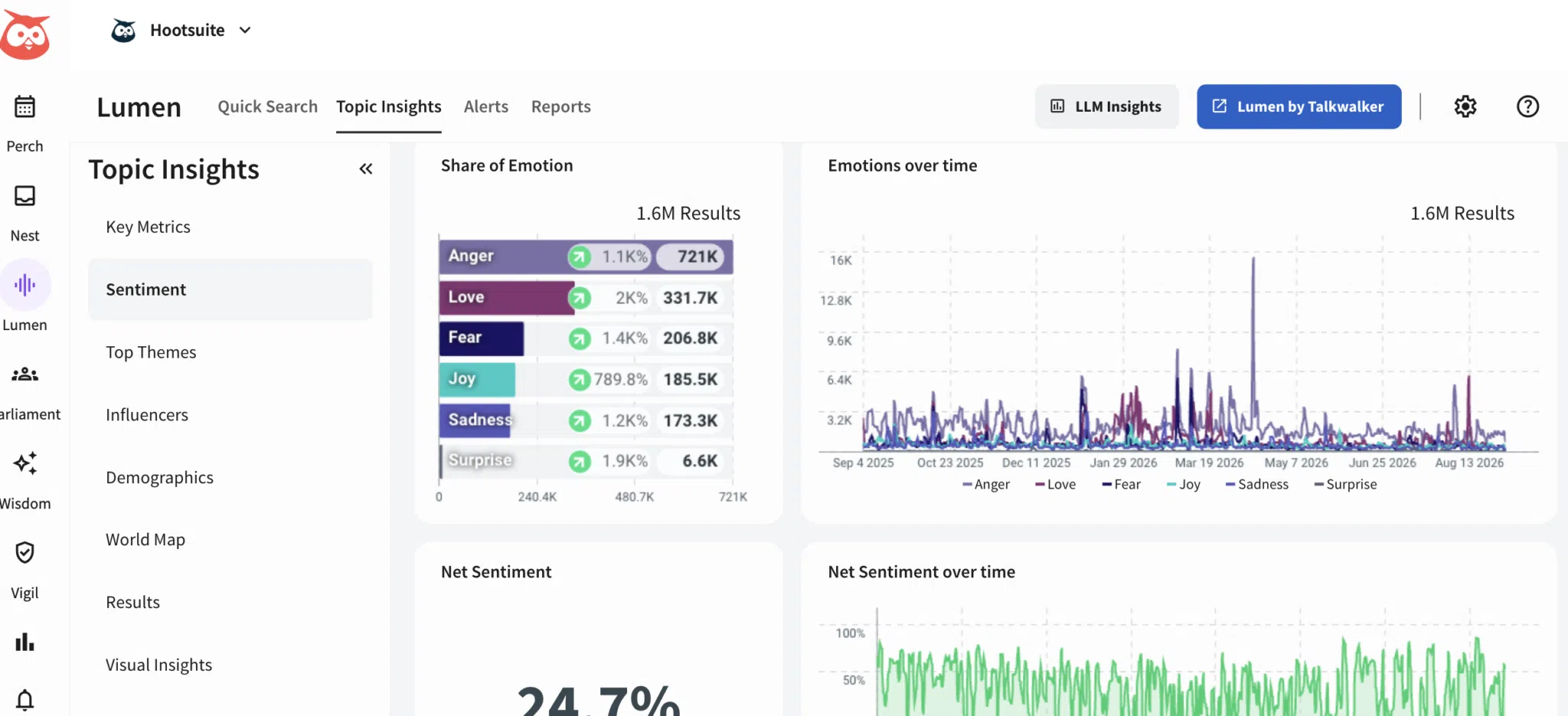
Crisis Leadership and Brand Reputation Management: In the hyper-connected digital age, a brand’s reputation is constantly under scrutiny. Strong social media leaders are the frontline guardians of this reputation, implementing robust systems to ensure consistency, credibility, and composure, especially during periods of online volatility. This includes developing clear crisis communication plans, monitoring sentiment at scale (using tools like Hootsuite’s Lumen for real-time insights), and executing rapid, empathetic responses. Todd recounts a challenge at Bobbie where exploding social engagement necessitated a pivot: by analyzing message patterns and integrating social communications into the Customer Experience team’s infrastructure, product inquiries were redirected, allowing the social team to refocus on strategic content. This example illustrates how innovative collaboration can scale community engagement and protect reputation without necessarily adding headcount, emphasizing "working smarter across teams." Todd further stresses that focusing on community is key, as "people never really wanted brands on social anyway," making genuine connection vital.
-
Cross-Functional Collaboration: Enterprise success in social media is rarely achieved in a silo. Effective leaders are adept at connecting the dots between disparate departments, leveraging social intelligence to benefit the entire organization. This involves building trust, fostering open communication, and translating social insights into actionable intelligence for other teams. For instance, social listening data can flag emerging product complaints for the product development team, surface competitor messaging for the sales department, or highlight employer brand sentiment for human resources. This proactive sharing of insights positions the social team as an invaluable intelligence hub, earning collaboration and demonstrating widespread value.
The Evolving Landscape: Driving Forces of Change
Several significant shifts are reshaping the demands on social media leaders in 2026, moving the role from merely publishing content to piloting a sophisticated operational system.
Firstly, social media has unequivocally transitioned into a strategic business function. With billions in ad spend and its pervasive reach, it now directly influences product perception, customer service delivery, recruitment pipelines, and overall corporate reputation. Leaders are held accountable for these broader impacts, requiring a holistic view of the business.
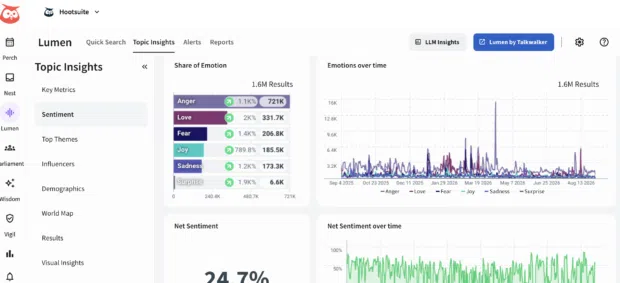
Secondly, there’s a pronounced shift towards integrated operating systems over disconnected point tools. The fragmentation of publishing, listening, customer care, and compliance tools creates inefficiencies and data silos. Leaders are prioritizing platforms like Hootsuite Social OS that offer a unified environment, enabling intelligence to connect directly to action and providing a comprehensive view of social operations.
Thirdly, the rise of distributed teams necessitates new leadership approaches. Enterprise social teams are often geographically dispersed, with members in different cities, countries, and time zones. Leaders must build trust, establish clear communication protocols, and implement consistent workflows that empower remote teams to operate effectively while maintaining brand consistency.
Finally, navigating an increasingly complex compliance landscape is paramount. In regulated industries, every social post carries potential legal and reputational risks. Leaders must establish robust governance frameworks, ensure adherence to brand guidelines, accessibility standards, and legal requirements, and create transparent approval and audit trails. This ensures creativity can flourish within safe and compliant boundaries.
Developing Tomorrow’s Social Leaders
No one is born a fully-formed enterprise social media leader; these skills are cultivated through experience, continuous learning, and strategic development. Both individuals aiming for leadership and organizations seeking to nurture their talent can benefit from structured approaches.
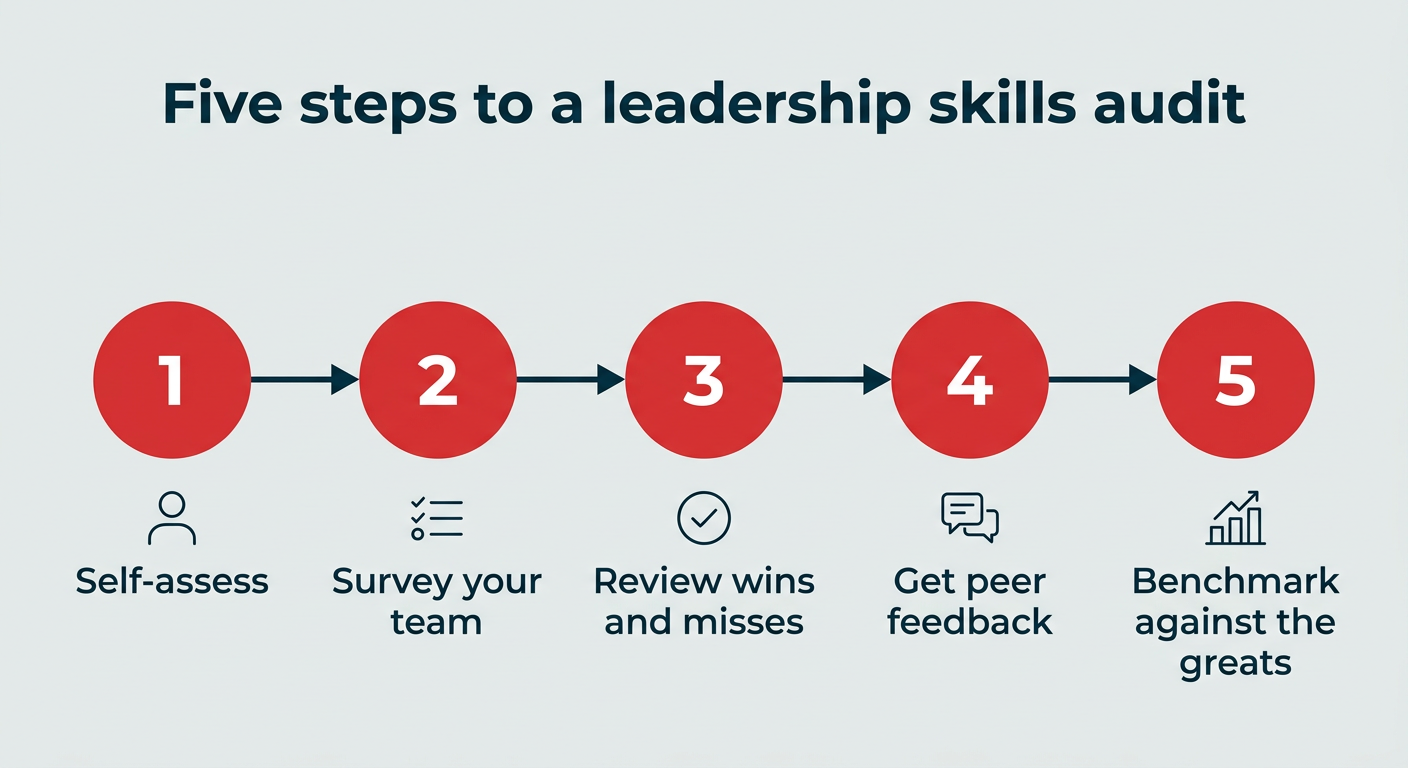
A crucial first step is to conduct a leadership skills audit. This involves a candid self-assessment, seeking 360-degree feedback from peers, direct reports, and superiors, and analyzing past performance against desired leadership competencies. This "vibe check" helps identify areas of strength to leverage and gaps that require development.
Implementing clear frameworks for decision-making and approvals is vital. Leaders must design structures that empower their teams to make autonomous decisions within defined parameters, thereby preventing bottlenecks and fostering a sense of ownership. This includes establishing clear approval matrices, defining roles and responsibilities, and documenting standard operating procedures.
Coaching, mentorship, and robust feedback loops are indispensable for growth. Leaders benefit from surrounding themselves with mentors and peers who offer honest critiques and diverse perspectives. Internally, smart leaders dedicate time to coaching individuals, proactively addressing burnout, celebrating successes loudly, and charting clear career pathways to retain top talent. As Todd states, "I measure success by how well we’re saying no to the right things. If my team is constantly overwhelmed and reactive, that’s a leadership failure on my part. But if we’re being strategic, protecting our bandwidth, and delivering quality work that actually moves the needle for the business? That’s when I know I’m leading effectively."
A commitment to staying curious and experimenting often is fundamental. Great social leaders possess an insatiable curiosity about culture, technology, and human communication, not just social media trends. This broader awareness helps them spot opportunities and anticipate shifts. They embrace experimentation, understanding that "perfection is a trap" and that "some of the best insights come from trying something, watching it flop, and understanding why." This comfort with iterative learning and even failure is crucial in such a fast-paced environment.
Finally, for aspiring leaders, knowing how to advocate for yourself is critical. In a relatively young field like social media, upward mobility can sometimes be stagnant. Leaders must proactively build a case for their advancement by meticulously tracking successes and demonstrating their positive impact on business objectives. A running record of achievements and their quantifiable business value serves as a powerful argument for promotion and expanded responsibilities.
Measuring True Impact: Beyond Vanity Metrics
Effective social leaders understand that success is measured not by superficial vanity metrics like follower count, but by demonstrable business impact. As Shakivla Todd articulates, "I prefer to set expectations early about what success looks like on social media. It won’t always share the same 1:1 metrics as other marketing channels. The number of link clicks doesn’t always show how successful my team is at building brand love and trust online."
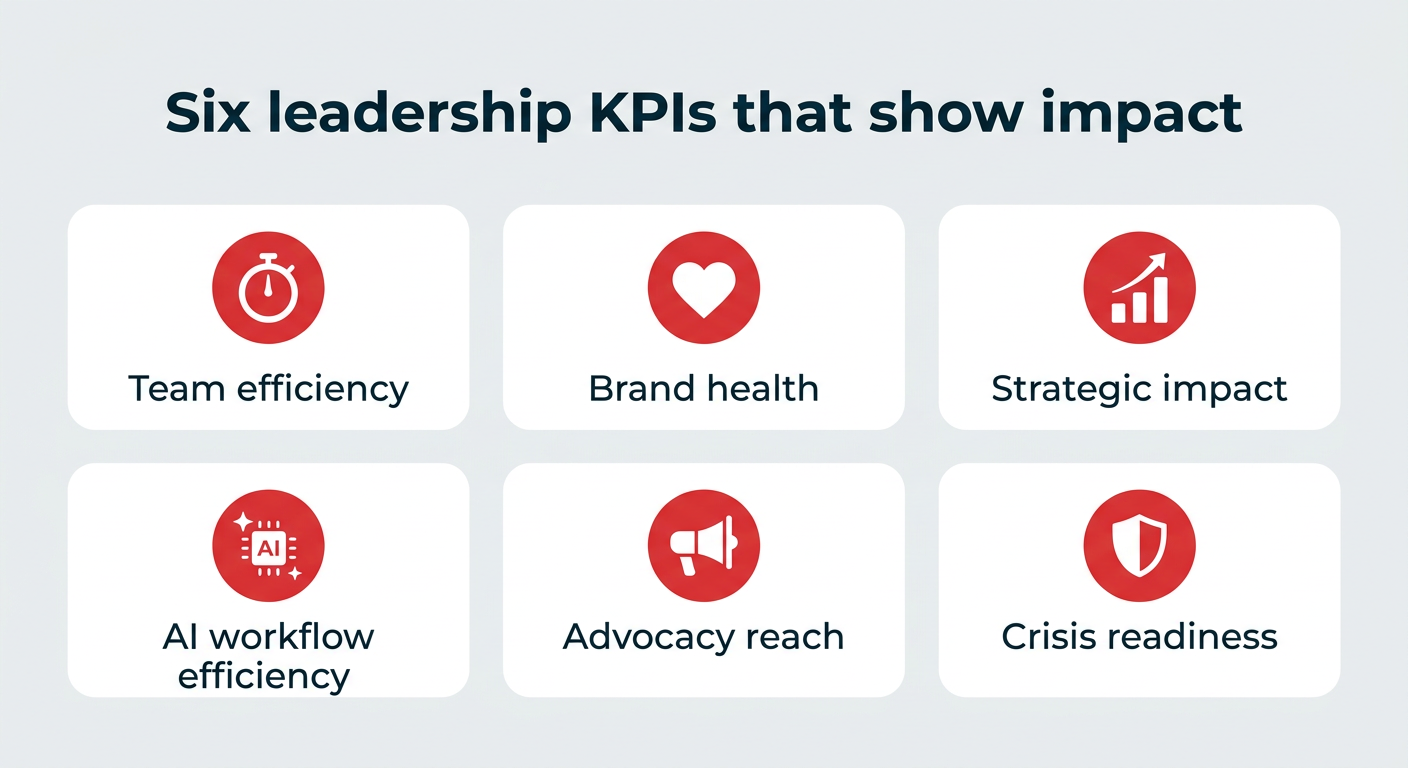
Leaders must articulate how social performance contributes to broader organizational goals. Key Performance Indicators (KPIs) should directly link social activity to business outcomes:
- Brand Sentiment and Share of Voice: Reflects how the market perceives the brand relative to competitors, directly impacting reputation and trust.
- Crisis Response Time: Measures the efficiency of established systems and protocols, crucial for risk reduction.
- Team Efficiency (e.g., approval turnaround, delivery speed): Indicates whether workflows aid or hinder productivity, influencing operational costs.
- AI-assisted Output and Review Rate: Shows where AI is effectively saving time without compromising brand safety or quality, contributing to productivity.
- Employee Advocacy Reach: Demonstrates how internal voices amplify the brand message, supporting recruitment and enhancing credibility.
- Social-attributed Pipeline and Retention Signals: Quantifies social media’s direct commercial contribution to lead generation and customer loyalty, linking directly to revenue.
Todd advises focusing on "total impressions, follower growth, and engagement, specifically shares and saves, which signal that people find your content valuable enough to revisit or spread." Critically, these numbers should be compared to previous periods and, where possible, to competitors, to provide essential context and highlight the narrative of progress and impact. The most effective leaders connect their performance to the success of their teams and the business as a whole; a thriving, focused team is a direct reflection of effective leadership. Tools like Hootsuite Social OS with its comprehensive analytics, reporting, and AI-powered insights help leaders translate complex social data into actionable intelligence, turning dashboards into strategic compasses.
Empowering Leadership with Integrated Tools
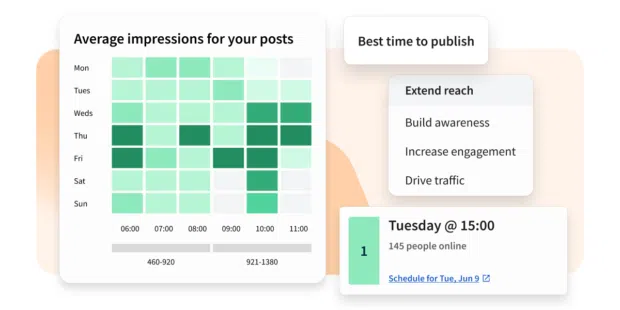
In the complex ecosystem of enterprise social media, the right technology is not just a convenience; it is a strategic enabler for leadership. Hootsuite Social OS exemplifies this by providing enterprise teams with the visibility, governance, and AI-powered insights necessary to lead with confidence. By consolidating publishing, listening, customer care, advocacy, and compliance into a single connected system, it eliminates the inefficiencies of fragmented point solutions.
Visibility and Governance with Vigil: For large organizations, maintaining oversight across numerous profiles and diverse content streams is a significant challenge. Hootsuite’s Vigil offers social leaders a bird’s-eye view of every post, profile, and person. It enforces social media governance across the entire operation by establishing mandatory approval workflows, setting clear content policies, and maintaining comprehensive audit trails for regulatory compliance and brand safety. This ensures consistency and accountability across all touchpoints.
Approvals, Workflows, and Compliance Features: Streamlined workflows are essential for agile content creation and publishing. Hootsuite’s Perch module facilitates efficient publishing workflows, ensuring content moves swiftly through creation, review, and approval stages. Simultaneously, Vigil integrates compliance checks directly into these workflows, keeping brand messaging on point and satisfying legal requirements. This structured yet flexible approach allows teams to operate quickly while staying within defined brand and regulatory boundaries, minimizing risk without stifling creativity.
Analytics, Reporting, and AI-Powered Insights: Effective leadership is data-driven. Hootsuite analytics transforms raw social data into meaningful insights that drive strategic decisions. Leaders can track performance against key objectives, identify emerging trends, measure the ROI of social campaigns, and generate customizable reports for executive communication. AI-powered insights further enhance this capability by providing predictive analytics and highlighting critical patterns, enabling leaders to anticipate market shifts and optimize strategies proactively. This robust analytical framework ensures that social media efforts are not only visible but also demonstrably impactful.
The journey of social media leadership in 2026 is one of continuous adaptation and strategic elevation. As social platforms continue to intertwine with every facet of business, the demand for leaders equipped with foresight, cultural sensitivity, technological proficiency, and an unwavering focus on measurable impact will only grow. These leaders are crucial architects of digital presence, ensuring that social media remains a powerful engine for organizational growth and resilience in an ever-changing world.

 Asro

 Ammar Sabilarrohman