Jia Lissa
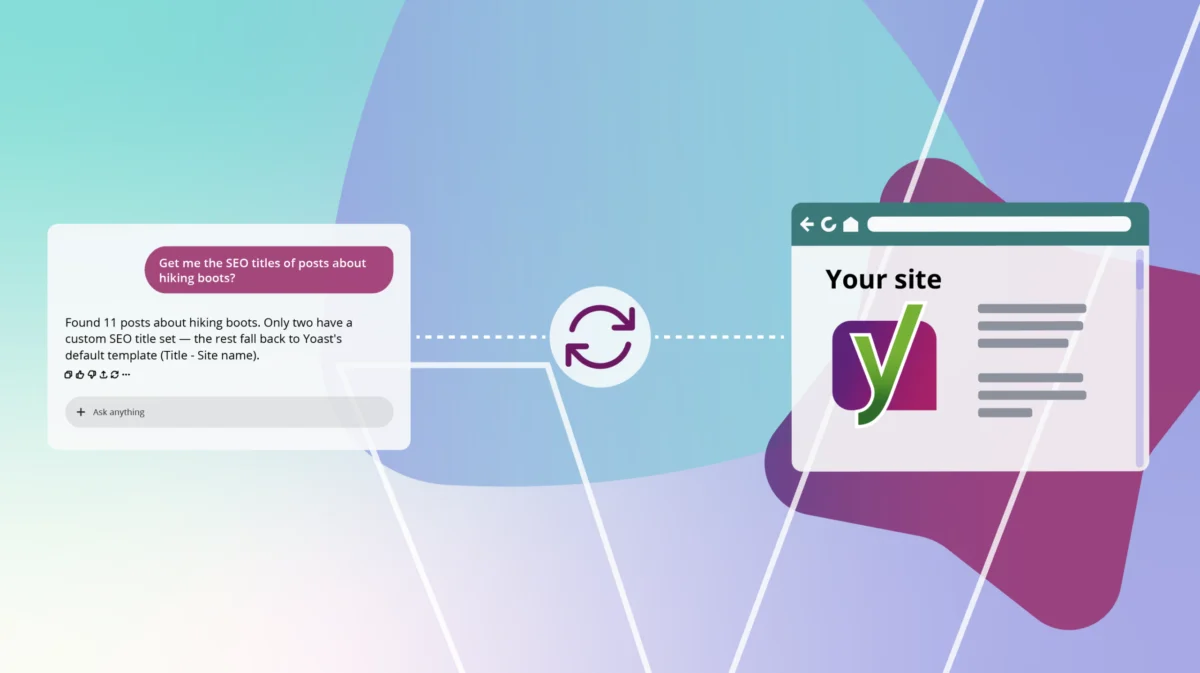
Yoast SEO, a leading force in WordPress search engine optimization, has rolled out a significant update that dramatically enhances its AI integration through "Yoast SEO Abilities" and concurrently performs its annual, meticulous cleanup of deprecated code. This dual-pronged release caters to both the evolving needs of content creators and SEO professionals leveraging artificial intelligence, and the critical requirements of developers maintaining robust, efficient, and forward-compatible WordPress environments. The expansion of AI capabilities now allows users to harness their preferred AI tools for dynamically updating titles, meta descriptions, and social media previews, building upon previous functionalities that included SEO, readability, and inclusive language scoring, as well as technical settings adjustments. Simultaneously, the removal of code deprecated in Yoast SEO 26.1 or earlier underscores the company’s commitment to modern software development practices, ensuring a leaner, more performant, and secure plugin for its vast user base.
The Evolution of AI Integration in Yoast SEO: A Chronology of Empowerment
The integration of artificial intelligence within the Yoast SEO ecosystem has been a carefully phased and strategic endeavor, reflecting a broader industry trend towards intelligent automation in content management and search engine optimization. This latest update represents a significant leap forward, moving beyond analytical insights to direct content modification capabilities, all powered by external large language models (LLMs) chosen by the user.
The journey began in April with the initial introduction of Yoast SEO Abilities. This groundbreaking feature first allowed developers and advanced users to connect their chosen AI tools to analyze a post’s SEO, readability, and inclusive language scores. The ability to receive AI-driven feedback on these crucial aspects marked a pivotal shift, enabling content creators to refine their output based on objective, data-driven recommendations without leaving their preferred AI environment. This initial phase focused on leveraging AI for diagnostics and qualitative improvements, helping users understand and enhance their content’s effectiveness and reach.
Building on this foundation, September saw the expansion of Yoast SEO Abilities to include more actionable insights and controls. Users gained the power to read a post’s comprehensive SEO data and, crucially, to correct its technical settings—such as canonical URLs, noindex tags, or redirect management—without the need to navigate directly into the WordPress admin panel. This enhancement streamlined workflow for technical SEO specialists and site administrators, allowing for rapid identification and resolution of potential issues through an AI interface. The emphasis here was on efficiency and remote management of critical SEO parameters.
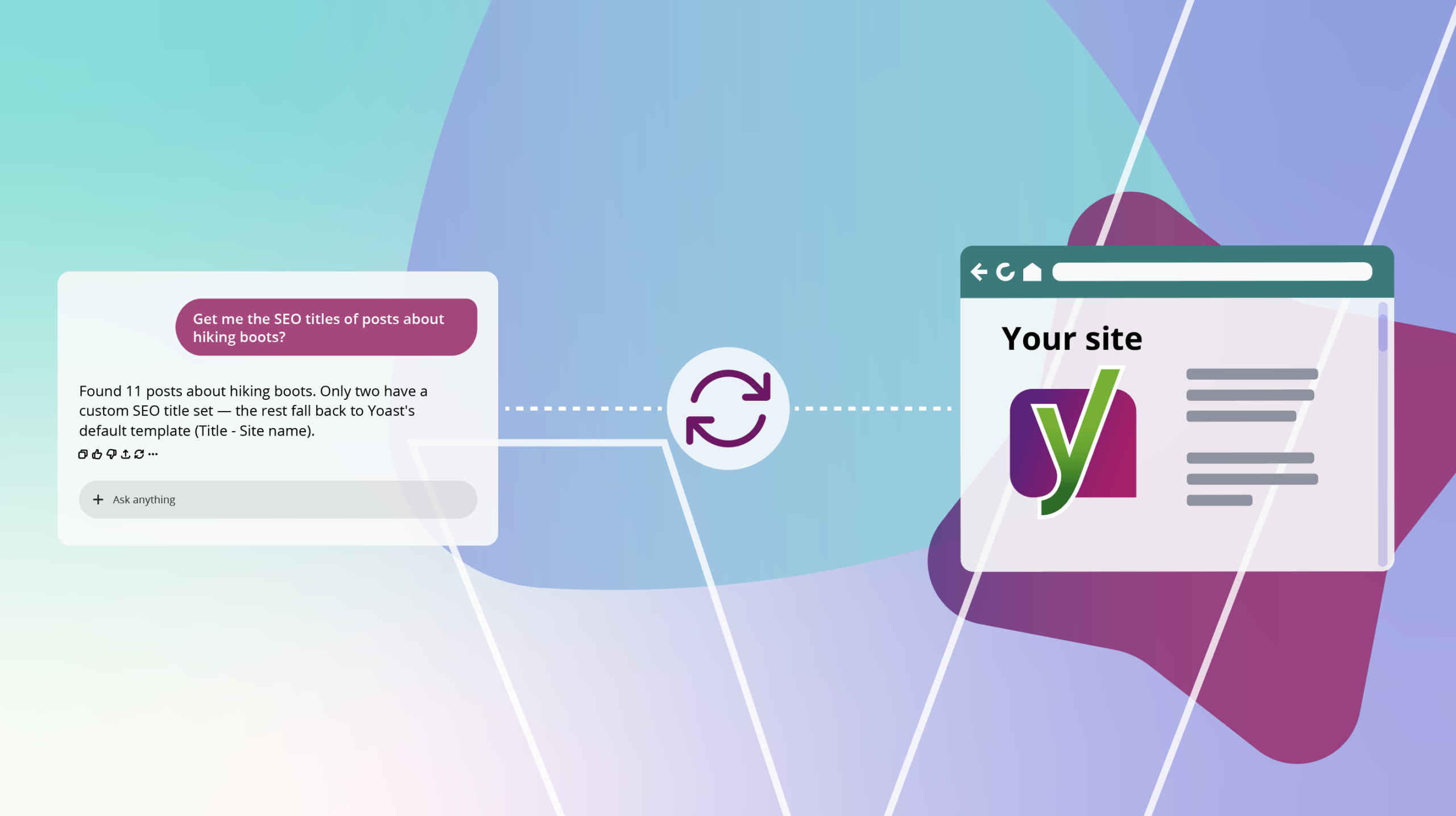
The current release marks the most profound integration to date, closing the loop between AI analysis and direct content optimization. With this update, the yoast-seo/update-post-seo-data ability now supports six additional, highly impactful fields. This means that after using an AI tool to review content for consistency, relevance, or adherence to SEO best practices, users can now instruct the AI to directly modify the public-facing elements of their content. These newly supported fields are:
title: The primary title displayed in search engine results pages (SERPs).description: The meta description, often used by search engines as the snippet below the title in SERPs.open_graph_title: The title used when the content is shared on Open Graph-enabled social media platforms like Facebook.open_graph_description: The description accompanying theopen_graph_titleon social media.twitter_title: The specific title used when content is shared on X (formerly Twitter).twitter_description: The description accompanying thetwitter_titleon X.
This capability is particularly transformative for large-scale content operations, e-commerce sites, or agencies managing numerous client websites. For instance, if a product name is updated, or a marketing campaign necessitates a change in messaging across various channels, an AI tool can now swiftly identify all relevant posts, analyze their current titles and descriptions, and propose or directly implement updates across search engine snippets and social media previews. This ensures brand consistency, accuracy, and optimized messaging across all digital touchpoints, drastically reducing the manual effort previously required.
It is important to note that, throughout this evolution, Yoast SEO has maintained critical safeguards. The focus keyphrase, a cornerstone of Yoast’s content analysis, remains a read-only field. This ensures that human strategists retain ultimate control over the primary keyword target for a piece of content, preventing potential AI misinterpretations or over-optimizations. Furthermore, access to these AI capabilities continues to adhere to native WordPress capability checks, ensuring that only users with appropriate permissions can initiate or approve AI-driven changes, thereby maintaining robust security and administrative control. For developers eager to leverage these new functionalities, the comprehensive developer documentation on Yoast’s website, alongside guidance on connecting LLMs and the WordPress MCP Adapter, provides all necessary resources.
Background and Broader Context: AI’s Ascent in Digital Marketing
Yoast SEO’s progressive integration of AI is not an isolated development but rather a reflection of a profound paradigm shift occurring across the digital marketing landscape. Artificial intelligence, particularly large language models, has rapidly moved from being a theoretical concept to an indispensable tool for content creation, optimization, and distribution.
For years, Yoast SEO has been synonymous with making SEO accessible to millions of WordPress users, simplifying complex concepts into actionable insights through its traffic-light system and readability analysis. With over 5 million active installations, Yoast SEO has empowered everyone from individual bloggers to large enterprises to improve their search engine rankings and online visibility. Its foundational role in the WordPress ecosystem makes its embrace of AI particularly impactful, as it sets a precedent for how a widely adopted plugin can responsibly and effectively integrate advanced technologies.
The broader market has seen an explosion of AI writing assistants and SEO tools that promise to automate various aspects of content generation and optimization. From generating blog post outlines and drafting full articles to performing keyword research and competitive analysis, AI is reshaping the roles of content marketers and SEO specialists. Yoast’s approach, however, focuses on augmentation rather than full automation. By providing "abilities," Yoast empowers users to connect their chosen AI, fostering an open ecosystem where diverse AI models can interact with Yoast’s robust SEO data. This strategy avoids locking users into a single AI solution, instead offering flexibility and control, which aligns with the open-source ethos of WordPress itself.
The efficiency gains promised by these AI integrations are substantial. Manual updates of meta titles and descriptions for hundreds or thousands of product pages, for example, can be an incredibly time-consuming and error-prone process. With AI, these tasks can be executed with unprecedented speed and accuracy, freeing up human specialists to focus on higher-level strategic planning, creative ideation, and complex problem-solving that still require human intuition and expertise. This scalability is crucial for businesses operating at volume, enabling them to maintain optimal SEO hygiene across their entire digital footprint.
The Annual Codebase Refinement: A Commitment to Performance and Modernity
Beyond the exciting advancements in AI, this Yoast SEO release also includes its crucial annual cleanup of deprecated code. This process, while less visible to the average end-user, is fundamental to the long-term health, performance, and security of the plugin and the websites that rely on it. Software deprecation is a standard practice in mature development cycles, signifying that certain functions, methods, or classes are no longer recommended for use and will be removed in future versions.
The code removed in this cleanup was deprecated in Yoast SEO 26.1 or earlier, meaning developers have had at least a full year’s notice through deprecation warnings. These warnings are typically logged in WordPress debug files, providing ample time for theme and plugin developers to update their integrations. This thoughtful deprecation policy minimizes disruption while allowing Yoast to progressively modernize its codebase.
The rationale behind such cleanups is multifaceted:
- Performance Improvement: Removing old, unused, or inefficient code reduces the plugin’s footprint, leading to faster loading times and reduced server resource consumption.
- Security Enhancement: Legacy code can sometimes contain vulnerabilities that are difficult to patch or are no longer supported by modern security practices. Removing it reduces the attack surface.
- Maintainability: A cleaner, more focused codebase is easier for developers to maintain, debug, and extend, allowing Yoast’s team to innovate more rapidly.
- Modernization: As WordPress itself evolves and PHP versions advance, certain older coding patterns become obsolete or less efficient. Code cleanup ensures Yoast SEO remains compatible with the latest web standards and best practices.
- Reduced Technical Debt: Accumulating deprecated code without removal leads to technical debt, making future development more challenging and costly. Regular cleanups prevent this accumulation.
While most sites that regularly update their themes and plugins will likely not notice these changes, developers who maintain custom themes, bespoke plugins, or older integrations that hook into Yoast SEO are urged to review the removed code. The changes most likely to affect such developers include:
WPSEO_Frontend::get_instance(): This static method was a common way to retrieve the singleton instance of Yoast SEO’s frontend class. Developers should now directly instantiate or rely on the globalYoastSEO()function/object for interacting with Yoast’s services. The removal reflects a move towards more modern dependency injection or global access patterns.YoastSEO()->helpers->date->format(): This helper function was used for formatting dates according to Yoast’s internal standards. Developers should transition to native PHP date functions (e.g.,date(),DateTimeobjects) or WordPress’swp_date()function, which offers greater flexibility and compatibility with WordPress’s time zone settings.YoastSEO()->helpers->array->get_value()andYoastSEO()->helpers->array->get_values_for_key(): These array helper functions provided utility for safely accessing array values. Developers should now use native PHP array functions or more robust alternatives, or simply ensure their code handles potentialnullorundefinedvalues when accessing arrays directly.YoastSEO()->helpers->options->get_default(): This helper was used to retrieve default values for Yoast SEO options. Developers should now either access the options directly and handle defaults within their own logic or use WordPress’sget_option()function with a fallback default value.
The full list of removals is transparently available on the Yoast SEO GitHub repository (referencing pull request #23620), providing developers with the precise details needed to update their codebases. This transparency is crucial for maintaining a healthy and collaborative developer ecosystem around a plugin of Yoast’s scale.
Statements and Reactions from Related Parties
Beth Parker, Product Marketing Manager at Yoast, emphasized the user-centric benefits of the AI enhancements. "This release is a testament to our commitment to empowering our users with cutting-edge tools," Parker stated. "By allowing AI to directly update titles, meta descriptions, and social previews, we are not just offering convenience; we are providing a powerful mechanism for ensuring consistency and maximizing reach across all digital platforms. Our goal is to free up content creators and SEOs from repetitive tasks, allowing them to focus on strategy and creativity." She also highlighted the developer-friendly nature of the Abilities framework, encouraging further innovation from the community.
From the developer community standpoint, the general consensus on code cleanup is positive. While it requires adaptation for those with legacy systems, the long deprecation period is widely appreciated. A seasoned WordPress developer, speaking anonymously due to client commitments, commented, "Yoast’s annual cleanup is a necessary process. It keeps the plugin modern, secure, and performant. While it means I need to review my custom integrations, the advance notice they provide is more than fair. It’s a sign of a well-maintained plugin, and ultimately, it benefits all of us by reducing technical debt."
Broader Impact and Implications for the Digital Landscape
This dual update from Yoast SEO carries significant implications for the broader digital marketing and web development landscapes.
For content creators and digital marketers, the enhanced AI capabilities mark a pivotal moment. The ability to automate the updating of critical SEO and social sharing elements offers unprecedented efficiency, especially for large-scale content operations. This will likely lead to more consistent messaging, fewer manual errors, and a more dynamic approach to optimizing content for various platforms. As AI continues to evolve, Yoast’s open "Abilities" framework positions it as a central hub where users can integrate the best-of-breed AI solutions, fostering a competitive and innovative ecosystem. This could ultimately elevate the overall quality and optimization level of content across the web, as sophisticated tools become more accessible and integrated into daily workflows.
For the developer community, the annual code cleanup reinforces the need for continuous learning and adaptation. Developers building themes and plugins that integrate deeply with Yoast SEO must stay abreast of these changes, ensuring their products remain compatible and performant. While this requires ongoing effort, it also fosters a healthier development environment, encouraging the use of modern coding practices and reducing reliance on outdated functions. It underscores the dynamic nature of the WordPress ecosystem and the importance of adhering to best practices for long-term project viability.
Strategically, Yoast SEO’s embrace of AI, particularly in a way that allows users to choose their LLM, solidifies its position as a forward-thinking leader in the SEO plugin space. It demonstrates an understanding of the evolving technological landscape and a commitment to providing powerful, yet flexible, tools. This approach differentiates Yoast from solutions that might offer closed-source, proprietary AI integrations, instead championing an open model that aligns with the collaborative spirit of WordPress. The continuous refinement of its codebase further ensures that Yoast remains a robust, reliable, and high-performing foundation for millions of websites, capable of adapting to future technological shifts while maintaining its core mission of making SEO accessible and effective. The release underscores a future where human expertise is augmented by intelligent automation, leading to more efficient, impactful, and strategically sound digital presences.

 Siti Muinah