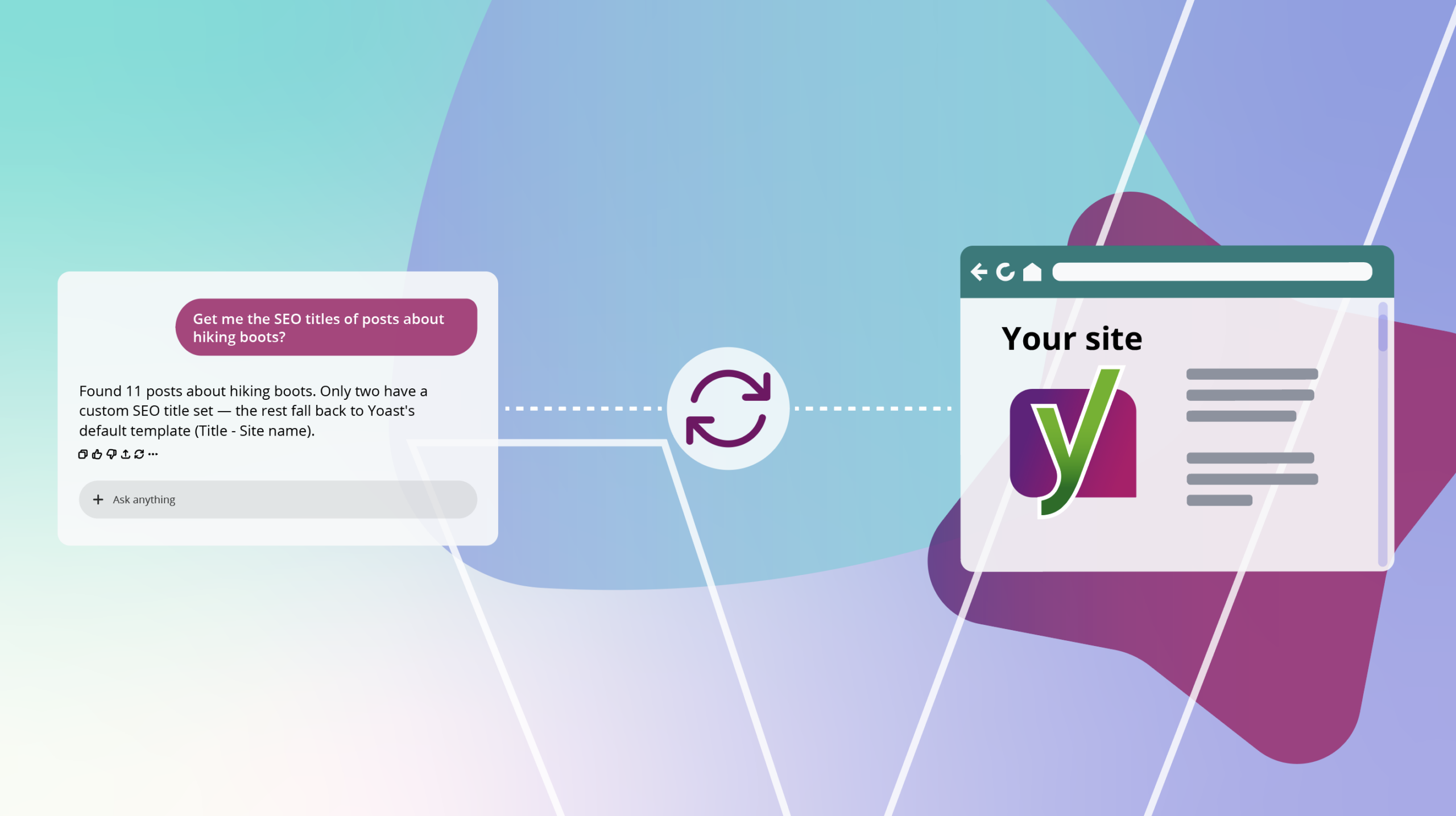
Yoast SEO, a leading plugin for WordPress optimization, has unveiled a groundbreaking expansion to its "Abilities" feature, empowering artificial intelligence tools to not only identify but also directly rectify technical SEO issues on websites. This significant advancement marks a pivotal shift in the interaction between AI agents and website management, moving beyond diagnostic capabilities to fully autonomous action within the WordPress environment. The new release is specifically tailored for users leveraging Machine Comprehensible Protocol (MCP) connections and agentic workflows, promising unprecedented efficiency for website administrators, developers, and SEO professionals grappling with the complexities of technical site optimization.
For years, the promise of AI in SEO has centered on its analytical prowess: detecting critical errors, identifying optimization opportunities, and providing actionable insights. However, the crucial final step—implementing these fixes—has invariably fallen to human hands, a process often tedious, time-consuming, and prone to manual error. This manual intervention could involve navigating through complex backend settings, updating individual page parameters, or correcting erroneous links. With Yoast SEO Abilities, this workflow is fundamentally transformed. An AI tool, upon detecting a critical issue—such as a product page misidentified as a recipe by Google, or an internal link pointing to an outdated test environment—can now directly access and modify the necessary technical settings within the WordPress backend, eliminating the need for human intermediaries for these specific tasks. This capability streamlines the entire SEO correction process, from diagnosis to resolution, within a single, integrated AI-driven loop.
The Evolution of AI in Website Management: From Insight to Action
The introduction of Yoast SEO Abilities is a direct response to the evolving landscape of AI technology, which is rapidly progressing from mere information retrieval and analysis to sophisticated autonomous action. This paradigm shift, often referred to as the rise of "agentic AI," is characterized by intelligent systems capable of planning, executing, and monitoring multi-step tasks to achieve specific goals. In the context of website management, this means AI agents are no longer just providing answers; they are now equipped to take direct, measurable steps to improve site performance. Yoast SEO’s integration of these advanced capabilities provides a controlled and standardized gateway for AI tools to interact with and modify critical SEO elements on a WordPress site, placing site owners firmly in control of this automation.
Prior to this latest release, Yoast SEO had already begun laying the groundwork for AI integration. Since an initial rollout in April, Yoast SEO registered foundational abilities with WordPress’s Abilities API. These early capabilities allowed AI tools to reliably check crucial metrics like SEO scores, readability scores, and inclusive language scores for recently modified posts. While these diagnostic tools were immensely valuable for quickly identifying areas of weakness, they lacked the crucial "write" functionality. An AI could flag a post with a weak SEO score, but a human still had to manually open the WordPress admin panel, delve into the Yoast SEO settings for that specific post, and make the necessary adjustments. This gap between identification and remediation presented a significant bottleneck, particularly for large websites or agencies managing numerous client sites. The current expansion of Yoast SEO Abilities directly addresses and closes this critical gap, enabling AI to perform the actual technical adjustments.
Key Capabilities and Technical Underpinnings
The enhanced Yoast SEO Abilities feature introduces several core functionalities that underpin this new era of automated technical SEO:
-
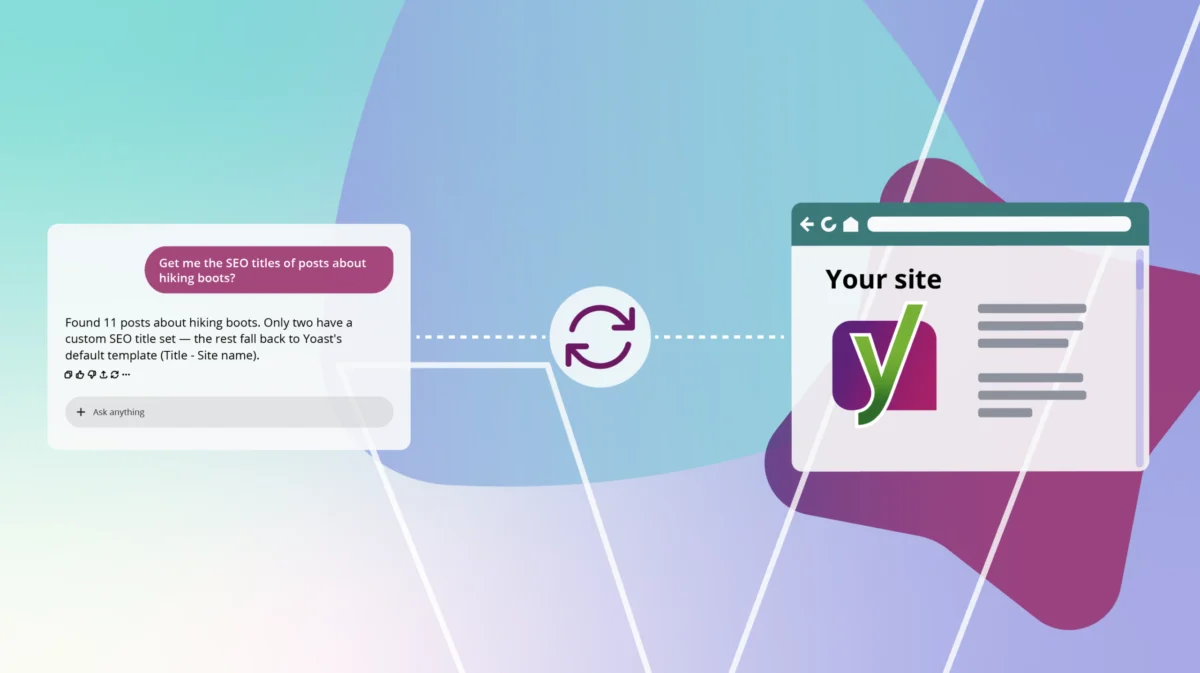
Comprehensive SEO Data Retrieval: AI tools can now access a post’s full SEO field set via the
yoast-seo/get-post-seo-datafunction. This includes vital information such as the page title, meta description, robots flags (e.g., noindex, nofollow), schema type (e.g., Article, Product, Recipe), canonical URL, social media previews, and the overall SEO and readability scores. Crucially, the system allows for flexible post identification, enabling AI agents to locate specific content by ID, permalink, or even a plain-language title search. This eliminates the need for the AI to perform multiple calls or complex queries to pinpoint the target post, significantly improving efficiency. -
Direct Modification of Core Technical Settings: The most transformative aspect of this update is the ability for AI tools to directly write and update core technical SEO fields. These include the canonical URL, robots flags, cornerstone content designation, and schema type. These are the same critical settings that Yoast SEO already manages, ensuring that the AI’s modifications align perfectly with the plugin’s established framework and do not introduce conflicts or vulnerabilities. The integration ensures that any changes are made within the trusted Yoast SEO interface, maintaining data integrity and consistency.
-
Robust Rollback Functionality: Recognizing the importance of safety and control in automated processes, Yoast SEO Abilities incorporates a vital rollback mechanism. Any changes made through the WordPress Abilities API can be reverted, provided the AI tool retains the changed values within its current operational context. This typically involves the AI performing a "read" operation on a post’s SEO data before initiating an "update." By holding the original values in memory during the session, the AI can undo changes if the review process reveals unintended consequences or errors. This feature underscores a commitment to secure and reversible automation, offering peace of mind to website administrators.
-
Efficient Bulk Operations: For websites with extensive content or agencies managing large portfolios, the ability to perform bulk operations is invaluable. Yoast SEO Abilities supports batch processing, allowing AI agents to apply "get," "update," or "filter" requests across multiple posts in a single call. The system returns per-post results, providing granular visibility into what changes were applied where, ensuring transparency and accountability even across large-scale operations. Imagine an e-commerce site with thousands of product pages needing a schema type correction; this feature could save countless hours of manual work.
-
Preservation of Strategic Control: While extensive automation is now possible, Yoast SEO maintains a crucial balance by keeping the "focus keyphrase" read-only for AI tools. The focus keyphrase is a core strategic element, central to content briefs, marketing campaigns, and SEO assessment. Allowing AI to automatically generate or alter this could inadvertently invalidate carefully planned content strategies or skew subsequent SEO evaluations. This deliberate limitation ensures that human strategists retain ultimate control over the core content direction, reserving AI for technical execution rather than strategic formulation.
Built on WordPress Standards: A Foundation for Interoperability
A cornerstone of this new functionality is its adherence to established WordPress standards. Yoast SEO Abilities leverages the WordPress Abilities API, a robust framework designed to enable external applications and AI agents to interact with WordPress in a structured and secure manner. Furthermore, by connecting the WordPress MCP Adapter, these abilities become callable MCP tools, instantly compatible with a growing ecosystem of MCP-aware clients. This includes popular AI development environments and tools such as Claude Desktop, Claude Code, Cursor, and VS Code. The implication is profound: no custom integration or complex coding is required for these advanced AI tools to interact with Yoast SEO. This standardization significantly lowers the barrier to entry for developers and agencies seeking to implement AI-driven SEO solutions.
The use of typed input and output schemas further enhances this interoperability. These schemas explicitly define the data structures expected by the API and returned by it, ensuring predictability and consistency. For developers building dashboards, reporting tools, or custom AI agents, this clear definition of data types is more critical than any single feature, enabling robust and error-resistant integrations. For agencies, this translates into a standardized setup across all WordPress builds, eliminating the need for manual, site-specific reconfigurations and significantly reducing deployment times and maintenance overhead.
Broader Impact and Implications for the SEO Industry
The release of Yoast SEO Abilities is poised to have a significant impact across the digital marketing and SEO landscape:
- Increased Efficiency for Website Owners and Agencies: The immediate benefit is a dramatic reduction in the manual effort required for technical SEO fixes. This frees up valuable human resources, allowing SEO professionals and website administrators to focus on higher-level strategic tasks, content creation, and user experience improvements, rather than repetitive backend adjustments. For agencies managing multiple client sites, this translates into greater scalability and potentially lower operational costs.
- Faster Response to Algorithm Changes: Search engine algorithms are constantly evolving, demanding rapid adaptation from websites. With AI-powered direct fixes, sites can respond to new algorithm updates or identified technical issues much faster, maintaining or improving their search rankings with unprecedented agility.
- Empowering the WordPress Ecosystem: By building on the WordPress Abilities API, Yoast SEO further solidifies WordPress’s position as a flexible and extensible platform ready for the age of AI. It demonstrates how core CMS functionalities can be enhanced through intelligent automation, driving innovation across the entire ecosystem. WordPress, which powers over 43% of all websites globally, now offers an even more compelling proposition for businesses seeking advanced, AI-integrated solutions.
- Redefining the Role of SEO Professionals: This shift towards automation will likely redefine the role of technical SEO specialists. Instead of primarily executing manual fixes, their expertise will pivot towards strategic oversight, auditing AI performance, fine-tuning automation rules, and interpreting complex data to inform broader SEO strategies. It elevates the profession from tactical execution to strategic leadership.
- Enhanced Data-Driven Decision Making: With AI handling the routine fixes, SEO professionals can dedicate more time to analyzing the performance data generated by these automated actions, leading to more informed and proactive SEO strategies. The structured nature of the API outputs also facilitates better reporting and dashboard creation.
- Ethical Considerations and Control: While the benefits are clear, the introduction of autonomous AI actions also brings ethical considerations to the forefront. Yoast SEO addresses this by maintaining human control over strategic elements like the focus keyphrase and integrating native WordPress capability checks for access control. This ensures that only authorized users can configure and deploy AI agents, mitigating risks associated with unintended or malicious automation. The rollback feature also acts as a critical safety net.
Getting Started with Yoast SEO Abilities
To begin leveraging these advanced capabilities, users first need to connect their own Large Language Model (LLM) subscription to Yoast SEO. This initial setup is crucial for enabling the AI agent to operate. Once connected, the read access, core SEO field updates, and bulk operations are all included as part of the standard Yoast SEO plugin functionality. Comprehensive developer documentation is available, detailing the full list of abilities, the typed input and output schemas, and step-by-step instructions on how to connect the WordPress MCP Adapter.
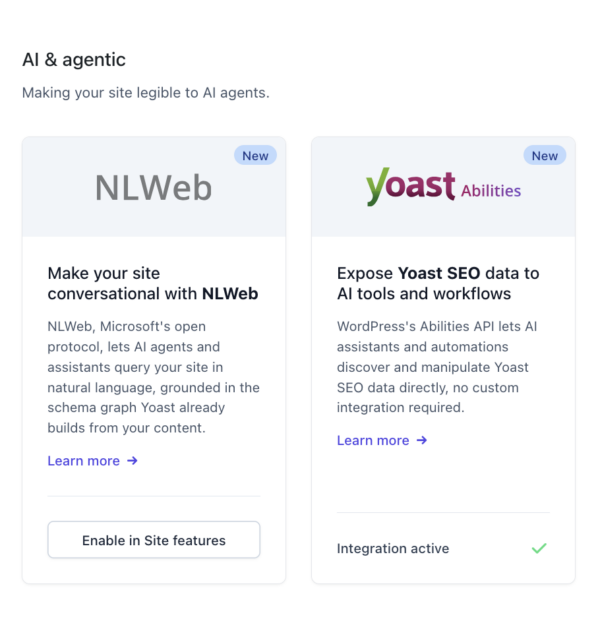
For a streamlined user experience, the Yoast SEO Integrations page has been reorganized. Instead of a single, lengthy list, integrations are now intuitively grouped by topic, making it easier for users to navigate and discover relevant features. Users should look for the newly introduced "AI & agentic group" to configure and manage their AI connections. Further detailed guidance on setting up and utilizing Yoast SEO Abilities is provided in dedicated help articles, ensuring that users can seamlessly integrate this powerful new feature into their website management workflows.
This release represents a significant leap forward in the practical application of AI within the digital marketing sphere. By enabling AI tools to perform direct, actionable fixes for technical SEO issues, Yoast SEO is not just enhancing a plugin; it is fundamentally reshaping how websites can be optimized, making sophisticated SEO more accessible, efficient, and responsive than ever before. The future of autonomous website management has arrived, and it promises to transform the daily operations of countless website owners and SEO professionals worldwide.