In a high-stakes move within the regulated pharmaceutical sector, Novartis utilized the massive platform of the Super Bowl to launch a public health campaign aimed at de-stigmatizing prostate cancer screenings. The campaign, titled "Relax Your Tight End," featured a roster of eight legendary NFL tight ends, including Rob Gronkowski, George Kittle, and Tony Gonzalez, lounging in hammocks and pools while Enya’s atmospheric music played in the background. The core message, delivered by former Tampa Bay Buccaneers head coach and prostate cancer survivor Bruce Arians, urged men to "relax your tight end" by revealing a critical medical fact: the primary screening for prostate cancer is often a simple blood test rather than the digital rectal exam that many men fear and avoid.
The initiative, developed in partnership with the creative agency Fallon, represents a significant investment in preventative health communication. By leveraging the specific demographic of the Super Bowl—millions of men over the age of 45—Novartis sought to address a staggering statistic: approximately 40.3 million age-eligible American men have never undergone a Prostate-Specific Antigen (PSA) test. Despite the campaign’s critical acclaim, including the prestigious Pharma Lions Grand Prix at the Cannes Lions International Festival of Creativity, a deep diagnostic of its strategic framework reveals both the strengths of massive paid media investments and the inherent challenges of marketing within highly regulated industries.
Chronology of the Campaign and Strategic Execution
The "Relax Your Tight End" campaign was not a solitary broadcast event but rather the centerpiece of a multi-phased integrated marketing effort. The timeline began with the Super Bowl LVIII broadcast, where Novartis secured a 60-second spot in the second half of the game. At reported rates exceeding $7 million to $8 million per 30 seconds, the airtime alone represented a $16 million investment, marking Novartis’s second consecutive year of major Super Bowl presence following a 2023 breast cancer awareness initiative.
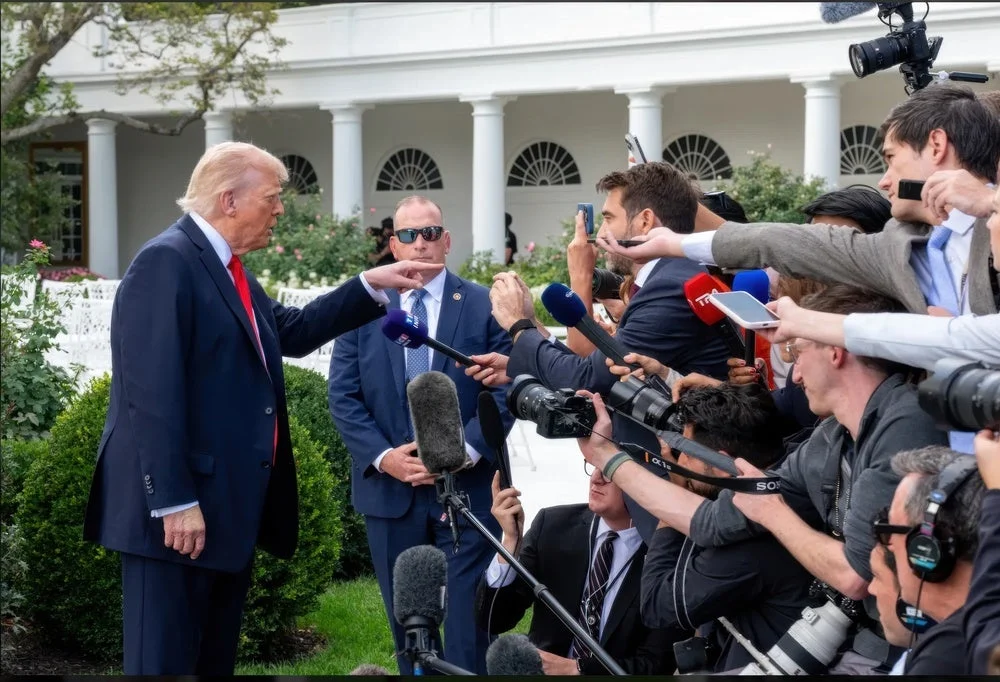
Following the initial broadcast, the campaign entered an earned media phase. This involved exclusive interviews and features with the participating NFL stars. Rob Gronkowski and Bruce Arians appeared on major sports and news networks, including CNN and Fox Sports, to discuss the personal importance of cancer screening. These appearances were strategically timed to coincide with the post-game media cycle, ensuring that the "viral" nature of the ad’s humor was anchored by serious health discussions.
The campaign then transitioned into its operational phase through Novartis’s role as the official pharmaceutical partner of the NFL. This partnership allowed the message to extend beyond a single Sunday in February. Throughout the subsequent months, the "Relax Your Tight End" message was integrated into the NFL Draft, training camps, and Hall of Fame weekend. Crucially, this phase included on-site PSA screening events at team facilities, moving the campaign from digital awareness to physical medical intervention.
Supporting Data and Performance Metrics
The success of the campaign can be measured through several distinct lenses: creative likability, consumer engagement, and health impact. According to data from iSpot, which tracks real-time television ad performance, the Novartis spot was ranked as the most "likable" pharmaceutical advertisement of the Super Bowl. The use of humor and well-known athletes successfully bypassed the "ad blindness" often associated with medical commercials.
However, data from EDO, a firm that measures "investment effectiveness" by tracking online search activity and consumer actions in the minutes following an ad’s airing, told a more complex story. Despite its high likability, the Novartis spot ranked 75th overall among Super Bowl ads for immediate consumer engagement. In contrast, other health-related spots, such as Novo Nordisk’s Wegovy commercial and Boehringer Ingelheim’s screening ad, saw significantly higher spikes in immediate search activity.
This disparity suggests a "system signal" regarding the campaign’s call to action. While viewers enjoyed the content, the path from the joke to a medical search was less direct than that of its competitors. Nevertheless, the public health implications remain significant. With one in eight men diagnosed with prostate cancer in their lifetime, and a five-year survival rate exceeding 99% when caught early, the campaign targeted a high-impact area of preventative medicine.
The PESO Model Diagnostic: A Strategic Analysis
To understand the long-term viability of the campaign, it must be viewed through the PESO Model (Paid, Earned, Shared, and Owned media). This diagnostic tool reveals the "Regulated-Industry Trap" where companies over-rely on paid channels because they offer the highest level of legal and regulatory control.
Paid Media: The Dominant Pillar
Paid media was the indisputable engine of the Novartis campaign. By securing a Super Bowl spot and a league-wide partnership, Novartis ensured year-round distribution. In regulated industries like pharmaceuticals, every word must be vetted by Medical, Legal, and Regulatory (MLR) teams. A 60-second film is a "fixed asset" that, once approved, provides a safe and predictable vehicle for messaging. In this instance, paid media did not just support the strategy; it functioned as the operating system for the entire initiative.
Earned Media: Launch Spikes vs. Sustained Pulse
The campaign excelled in "launch week" earned media. The involvement of celebrities like Gronkowski facilitated placements in entertainment and sports outlets. However, the diagnostic suggests a lack of "long-tail" earned media. While the celebrity news was abundant, there was less evidence of sustained coverage involving urologists or local survivor stories—the types of content that build authority in search engine algorithms and AI-generated answers over time.
Shared Media: Community Integration
Novartis utilized shared media primarily for distribution, using a dedicated campaign handle and a toolkit for partners to "spread the word." The analysis indicates a missed opportunity to embed the campaign within existing survivor communities. Prostate cancer advocacy groups have some of the most active online networks, and while Novartis worked with six advocacy partners, the campaign often sat adjacent to these communities rather than being fully integrated into their organic conversations.
Owned Media: The Authority Gap
The most critical area for improvement identified in the diagnostic was owned media. The campaign’s central hub, RelaxItsABloodTest.com, served largely as a traffic director rather than an authoritative destination. Visitors looking for risk quizzes or clinical guidance were often redirected to third-party sites like the Prostate Cancer Foundation or the American Urological Association. While this reduces the regulatory burden on Novartis, it results in a loss of domain authority. When consumers search for "prostate blood test" months after the Super Bowl, search engines are more likely to prioritize the sites that host the actual tools and deep-dive content, rather than the brand that paid for the initial awareness.
Official Responses and Industry Recognition
The professional community’s response culminated at the Cannes Lions International Festival of Creativity, where the campaign was awarded the Pharma Lions Grand Prix. Tracey Brader, the jury president, lauded the campaign for its reliance on a "relatable human truth" and its authentic use of celebrity. The jury emphasized that the campaign succeeded because it was "bold and humorous" in a category—pharmaceuticals—that is traditionally conservative and clinical.
Novartis representatives have emphasized that the campaign’s goal was to "tackle myths" and remove the fear factor associated with men’s health. By framing the screening as a "relaxing" experience and a simple blood draw, the company aimed to change the behavior of a demographic notoriously resistant to preventative checkups.
Broader Impact and Implications for Regulated Marketing
The Novartis campaign serves as a case study for marketers in all regulated sectors, including finance, healthcare, and insurance. The primary lesson is the necessity of moving from a "coordinated" campaign to an "integrated" system. In a coordinated campaign, everything flows downstream from a major paid event (like the Super Bowl). In an integrated system, the arrows flow both ways: events generate earned media, earned media feeds owned content, and owned content grows a permission-based email list that sustains the brand during the "off-season."
For enterprise brands, the challenge is to use the massive visibility of a Super Bowl ad to build long-term authority. This requires a commitment to "owned media" that can survive regulatory review—such as evergreen educational content that earns citations over years rather than weeks.
For smaller organizations and solopreneurs, the lesson is equally applicable. Many small businesses have their own "Super Bowl"—a single LinkedIn post that goes viral or a successful webinar. The trap is treating that moment as the strategy itself. The solution is to ensure that the attention gained from "paid" or "viral" moments is captured on "owned" platforms (like a website or email list) to prevent the authority from being rented from third-party platforms.
Ultimately, Novartis’s "Relax Your Tight End" campaign succeeded in starting a national conversation about a vital health issue. However, the true measure of its success will not be the trophies won at Cannes, but whether the infrastructure exists to turn that February spike in awareness into a permanent shift in how men approach preventative healthcare. As the game ended and the hammocks were packed away, the responsibility for maintaining that momentum shifted from the TV screen to the digital ecosystems where patients seek answers every day.