The digital communications landscape is witnessing a significant trend as businesses increasingly re-evaluate their email service providers (ESPs), with a notable migration occurring from established platforms like Mailchimp to more specialized solutions such as Sinch Mailjet. Dated June 5, 2026, this shift underscores the evolving demands placed on email infrastructure by growing enterprises, necessitating platforms capable of supporting complex team structures, scaling robustly with expanding sending needs, and meeting stringent requirements for performance, collaboration, and regulatory compliance.
The Shifting Landscape of Email Marketing Platforms

Email remains a cornerstone of digital strategy, serving as a primary channel for customer acquisition, retention, and engagement. For years, platforms like Mailchimp have been instrumental in democratizing email marketing, offering intuitive interfaces and comprehensive feature sets that appeal strongly to small and medium-sized businesses (SMBs) and startups. Its user-friendly drag-and-drop editors, automation tools, and integrated marketing functionalities have made it a go-to choice for those entering the email marketing arena.
However, as businesses mature, expand their global footprint, and face increasing complexity in their digital operations, their needs often surpass the capabilities or cost-effectiveness of entry-level platforms. This is where providers like Sinch Mailjet, known for their enterprise-grade infrastructure and focus on transactional email alongside marketing campaigns, become increasingly attractive. Sinch Mailjet, part of the broader Sinch communications ecosystem, positions itself as a robust solution designed for high-volume senders, developers, and organizations requiring granular control, advanced analytics, and stringent compliance. The decision to migrate is rarely impulsive; it stems from a strategic assessment of future growth trajectories, operational efficiencies, and the imperative to maintain peak email deliverability and engagement.
Understanding the Drivers: Why Businesses Choose to Migrate
Several critical factors are compelling businesses to transition their email operations from platforms like Mailchimp to Sinch Mailjet. These drivers reflect a maturing understanding of email’s strategic importance and the need for a platform that can evolve alongside a company’s growth.
- Scalability and Cost Efficiency: For businesses with rapidly expanding contact lists and increasing sending volumes, the pricing models of some popular ESPs can become prohibitively expensive. Sinch Mailjet often offers more flexible and cost-effective solutions for high-volume senders, including plans that support "unlimited contacts," a feature explicitly highlighted by the company as a key advantage. This allows businesses to scale their email efforts without incurring unpredictable or escalating costs, a significant concern for budget-conscious but growth-oriented organizations.
- Enhanced Deliverability and Performance: As email volumes grow, maintaining high deliverability rates becomes paramount. Sinch Mailjet emphasizes its robust infrastructure, dedicated IP options, and expert deliverability support, which are critical for ensuring emails reach inboxes and avoid spam folders. For businesses where email performance directly impacts revenue or critical customer communications (e.g., transactional emails like order confirmations or password resets), the reliability and speed offered by a platform built for high-performance sending are non-negotiable.
- Advanced Collaboration and Workflow Management: Enterprise environments often involve multiple teams and stakeholders contributing to email campaigns. The original guide implicitly points to Mailjet’s "powerful collaboration features." This includes multi-user accounts, role-based access controls, and streamlined approval workflows, which facilitate efficient team operations and maintain brand consistency across various campaigns. This contrasts with platforms that might have more basic collaboration tools, potentially leading to bottlenecks in larger teams.
- Robust Compliance and Security: In an era of heightened data privacy concerns, adherence to regulations like GDPR (General Data Protection Regulation) and CCPA (California Consumer Privacy Act) is crucial. Sinch Mailjet, as part of a global communications company, is positioned to offer advanced security features and compliance frameworks essential for businesses operating across different jurisdictions. This includes sophisticated data handling protocols and audit trails, providing peace of mind for companies managing sensitive customer information.
- Developer-Friendly APIs and Customization: For businesses with complex integration needs or those looking to build highly customized email experiences, a powerful and well-documented API is indispensable. Mailjet is known for its strong API capabilities, allowing developers to integrate email functionality seamlessly into their existing applications, CRMs, and marketing automation systems. This level of customization and programmatic control often surpasses what is available on platforms primarily designed for drag-and-drop simplicity.
A spokesperson for Sinch Mailjet highlighted the platform’s commitment to supporting scaling businesses with its robust infrastructure, advanced API capabilities, and dedicated customer success teams. "Our goal is to provide a seamless transition for companies looking for greater flexibility, performance, and compliance," the spokesperson stated, emphasizing the platform’s "unlimited contacts, powerful collaboration features, advanced automation capabilities, and deliverability expertise." This statement encapsulates the core value proposition driving many businesses to make the switch.
A Step-by-Step Migration Blueprint: Ensuring a Seamless Transition
The migration process, while requiring careful execution, is designed to be manageable, ensuring minimal disruption to ongoing email operations. This guide outlines a structured approach to transition contacts, templates, and essential data effectively.
Phase 1: Strategic Planning and Data Preparation
Before initiating any technical steps, businesses are advised to conduct a thorough pre-migration audit. This involves assessing current email strategies, identifying critical contact segments, cataloging all active email templates, and understanding historical performance benchmarks. Data cleanliness is paramount; now is an opportune time to prune inactive or unengaged contacts from Mailchimp lists, ensuring that only valuable, opted-in subscribers are transferred, which positively impacts sender reputation from the outset on the new platform.

Phase 2: Migrating Your Valued Contact Lists
The successful transfer of contact data is the most critical component of any ESP migration. The process from Mailchimp to Sinch Mailjet involves a series of clear steps:
- Exporting from Mailchimp:
- Log in to your Mailchimp account.
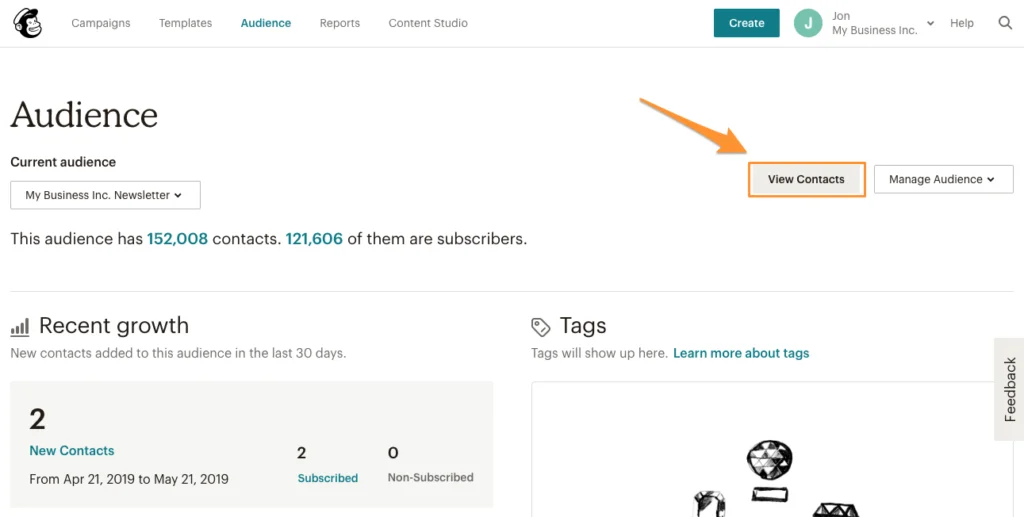
- Navigate to "Audience" and select "View Contacts." This provides an overview of your contact database.
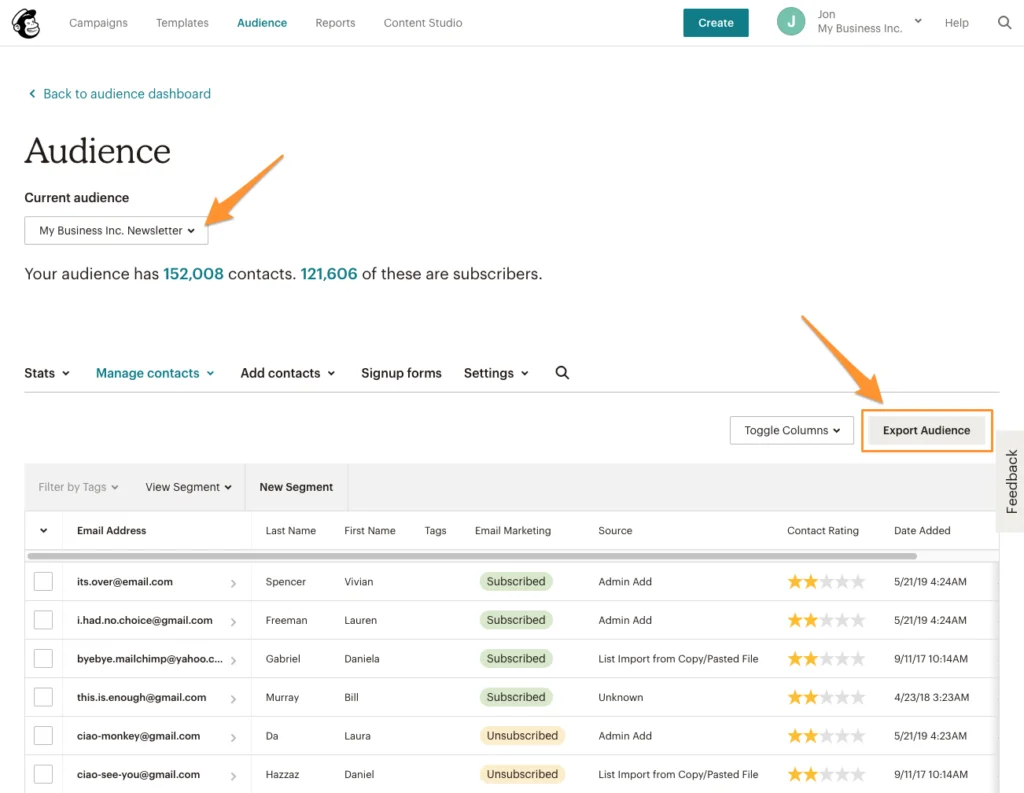
- Click "Export Audience." It is crucial to repeat this process for every distinct audience (contact list) you manage in Mailchimp. Maintaining these segmentations upon import into Mailjet will ensure continuity in your targeting strategies.
- Download the generated CSV file. Mailchimp typically exports a zipped folder containing CSVs for subscribed and unsubscribed members. Unzip these files to access the individual data sets.
- Importing into Sinch Mailjet:
- Log in to your Sinch Mailjet account.
- Go to "Contacts" > "Contact Lists."
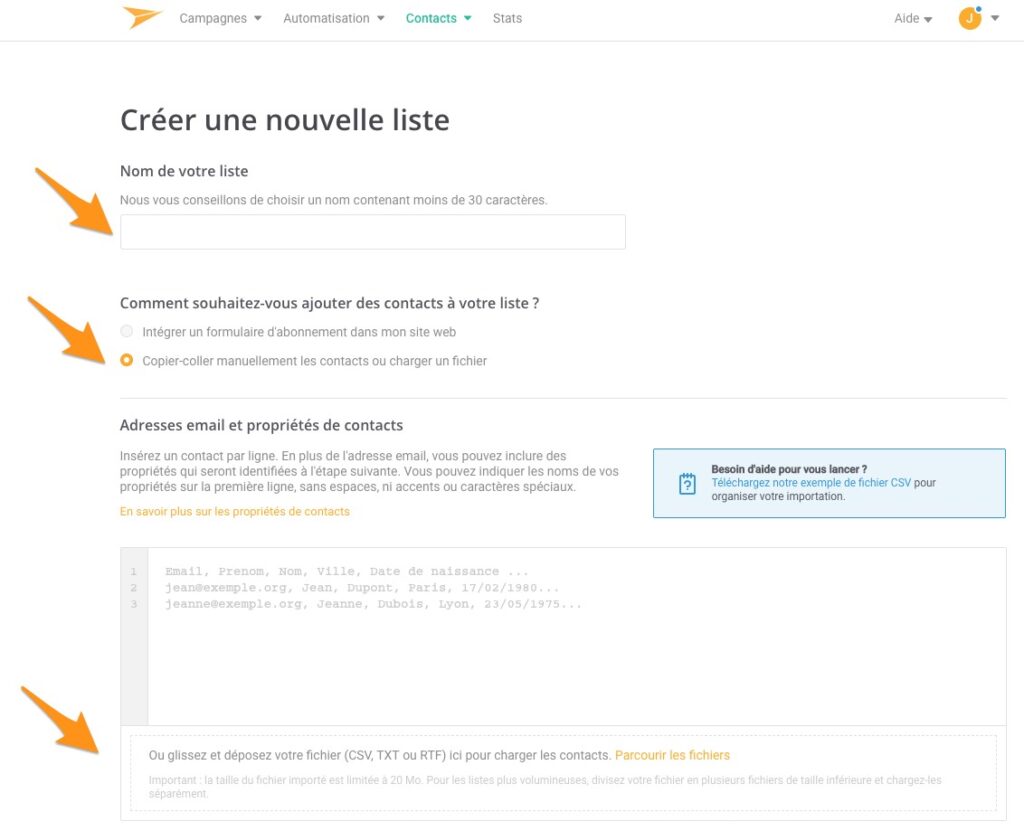
- Click "Create a new list." It is highly recommended to create a separate list in Mailjet for each audience exported from Mailchimp to preserve your segmentation.
- Select "Paste contacts manually or upload a file," then upload the CSV file containing your subscribed contact data for the current list.
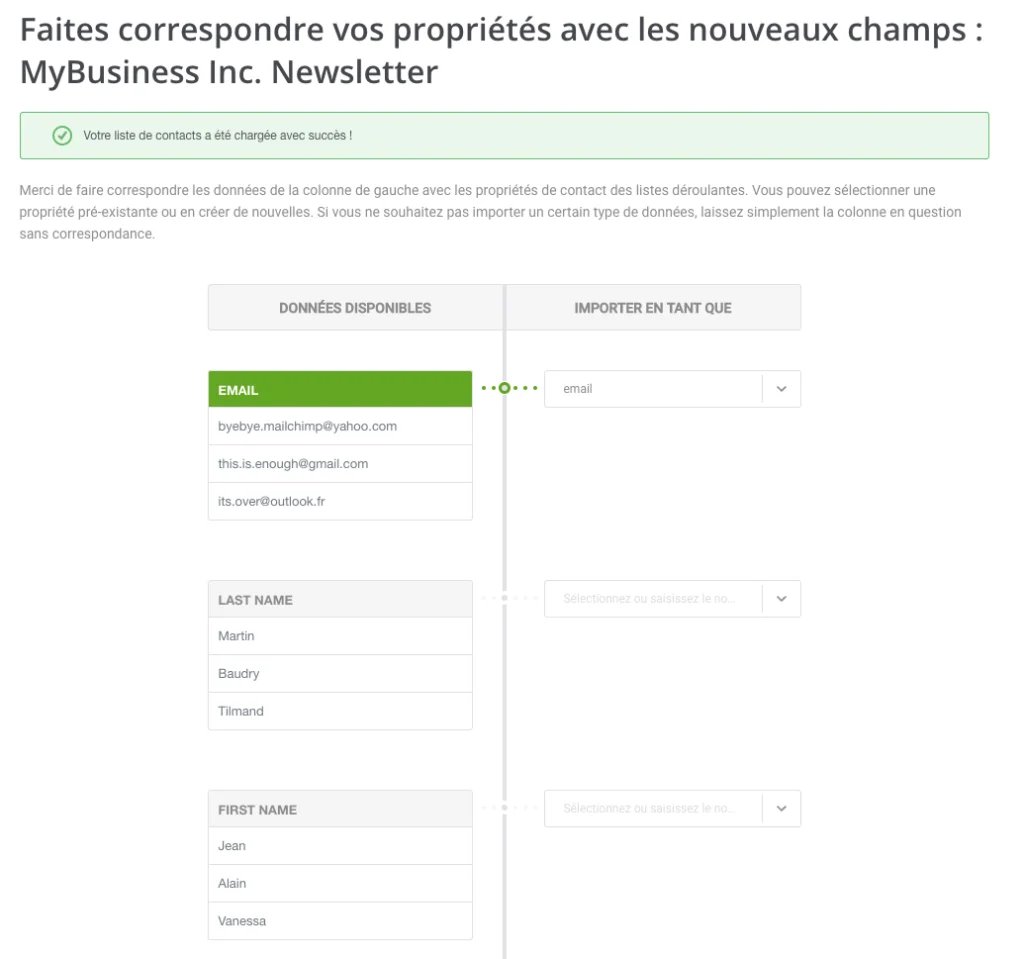
- Field Mapping: During the import process, Mailjet will prompt you to map your contact fields. This step is vital to ensure that all custom properties (e.g., name, company, birthdate, preferences) are correctly aligned with Mailjet’s fields. These properties are essential for future segmentation and personalization of your email campaigns. Once mapping is complete, click "Save and continue."
- Handling Unsubscribed Contacts: This is a critically important, often overlooked step for maintaining sender reputation and ensuring legal compliance.
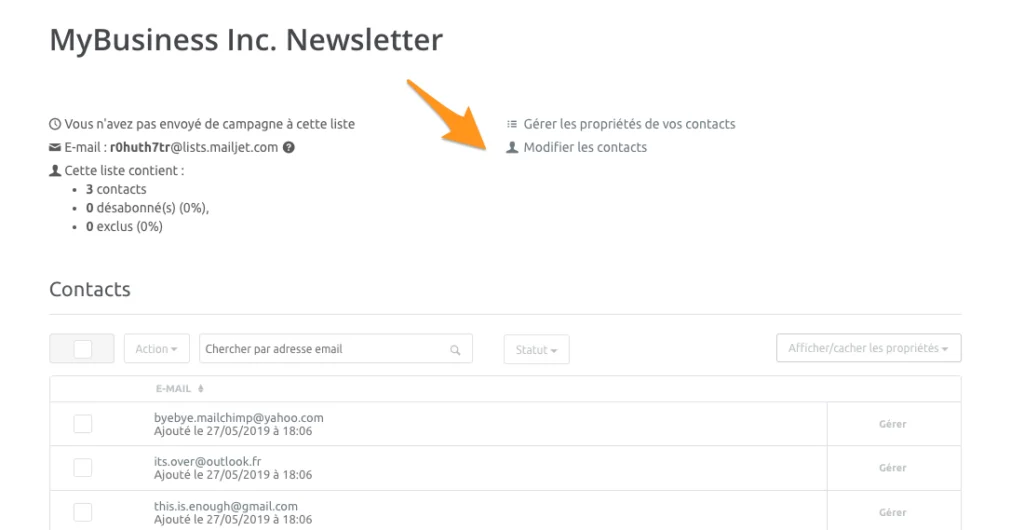
- After importing your subscribed contacts, navigate to "Manage contacts" within the newly created list in Mailjet.
- Select "Unsubscribe contacts" as the update type.
- Drag and drop the CSV file specifically containing your unsubscribed contacts (downloaded from Mailchimp). This action will prevent Mailjet from sending emails to individuals who have previously opted out, safeguarding your reputation and avoiding potential legal penalties under spam laws. Map any necessary fields before proceeding.
Phase 3: Transitioning Email Templates
Direct, editable template transfer between different ESPs is generally not possible due to proprietary coding structures. However, businesses have viable options for leveraging their existing Mailchimp designs in Sinch Mailjet.
- Option 1: Rebuilding Templates in Mailjet’s Email Editor: This approach allows businesses to take full advantage of Mailjet’s native email editor features, ensuring optimal rendering and compatibility within the new platform. While it requires recreating designs, it often results in cleaner, more responsive templates optimized for Mailjet’s environment. This is often recommended for those seeking to refresh their brand’s email presence or simplify existing complex templates.
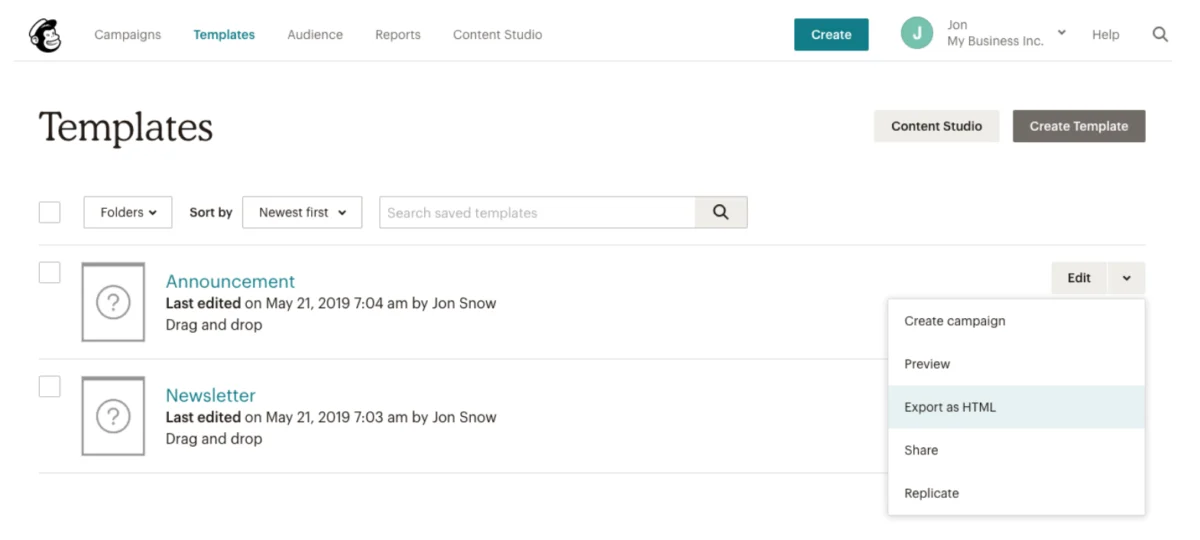
- Option 2: Exporting and Importing HTML: For those preferring to maintain exact design fidelity, Mailchimp allows templates to be exported as HTML.
- In your Mailchimp account, go to "Templates."
- For each template you wish to migrate, click the dropdown menu and select "Export as HTML."
- In your Sinch Mailjet account, go to "Campaigns" and select "Create a new template."
- Choose "Code it in HTML" and upload your downloaded HTML file. While this method preserves the visual layout, it’s important to note that the HTML may require minor adjustments to be fully compatible with Mailjet’s email editor for future editing, or it may function primarily as a static HTML template. Testing across various email clients is highly recommended.
Phase 4: Archiving Historical Performance Data
It is not possible to directly transfer historical reporting data from Mailchimp to Sinch Mailjet. However, this does not diminish the importance of preserving this valuable information.
- In your Mailchimp account, navigate to "Reports."
- Select "Download All Reports." This will provide a comprehensive archive of your past campaign performance metrics.
- Businesses should meticulously download and archive these reports. This historical data serves as a crucial benchmark for evaluating future campaign performance within Sinch Mailjet, allowing for year-over-year comparisons and strategic analysis of email engagement trends. While not integrated into Mailjet’s dashboard, its availability is vital for informed decision-making.
Post-Migration Essentials: Securing Optimal Deliverability
Once contacts and templates are successfully transferred, critical post-migration steps are essential to ensure the highest possible email deliverability and sender reputation on the new platform.
- Domain Validation and Sender Addresses: Validate all sending domains and sender email addresses within Sinch Mailjet. This confirms that you are authorized to send emails from these domains, a fundamental step for preventing email spoofing and improving trust with internet service providers (ISPs).
- SPF, DKIM, and DMARC Configuration: These are three pillars of email authentication:
- SPF (Sender Policy Framework): Specifies which mail servers are authorized to send email from your domain, preventing spammers from forging emails from your address.
- DKIM (DomainKeys Identified Mail): Adds a digital signature to your outgoing emails, allowing recipient servers to verify that the email was sent by the domain owner and has not been tampered with in transit.
- DMARC (Domain-based Message Authentication, Reporting, and Conformance): Builds on SPF and DKIM, allowing domain owners to tell recipient mail servers how to handle emails that fail authentication checks, significantly reducing phishing and spoofing attacks.
Configuring these records correctly in your domain’s DNS settings is absolutely critical for optimal deliverability, protecting your brand’s reputation, and ensuring your emails reach their intended recipients’ inboxes.
- IP Warm-up (if applicable): If your migration involves using new dedicated IP addresses with Mailjet, a gradual IP warm-up process will be necessary. This involves slowly increasing your sending volume over several weeks to build a positive sending reputation with ISPs, preventing your emails from being flagged as spam.
The Broader Implications for Email Marketing
The trend of businesses migrating to more specialized ESPs like Sinch Mailjet reflects a broader maturation in the email marketing industry. It signifies that as companies grow, their email infrastructure moves from being a simple communication tool to a strategic asset requiring robust, scalable, and highly performant solutions. This shift highlights the strategic imperative of choosing the right platform, one that not only meets current operational demands but also anticipates future growth and evolving regulatory landscapes. The emphasis on advanced automation, API integration, and deliverability expertise points towards a future where email platforms are deeply integrated into broader digital ecosystems, driving personalized, timely, and compliant communications at scale.
In conclusion, the migration from Mailchimp to Sinch Mailjet represents a strategic evolution for businesses seeking to optimize their email operations for growth, performance, and compliance. While the process involves careful planning and execution, the benefits of enhanced scalability, superior deliverability, advanced collaboration, and robust security underscore the long-term value of such a transition. Businesses poised for expansion and those with complex communication needs are increasingly finding that specialized platforms offer the depth of features and support necessary to thrive in a competitive digital environment.
For organizations contemplating this strategic move, resources are available to guide the process and illustrate the comparative advantages. Interested parties are encouraged to explore Sinch Mailjet’s offerings and understand how its capabilities align with their specific business objectives.