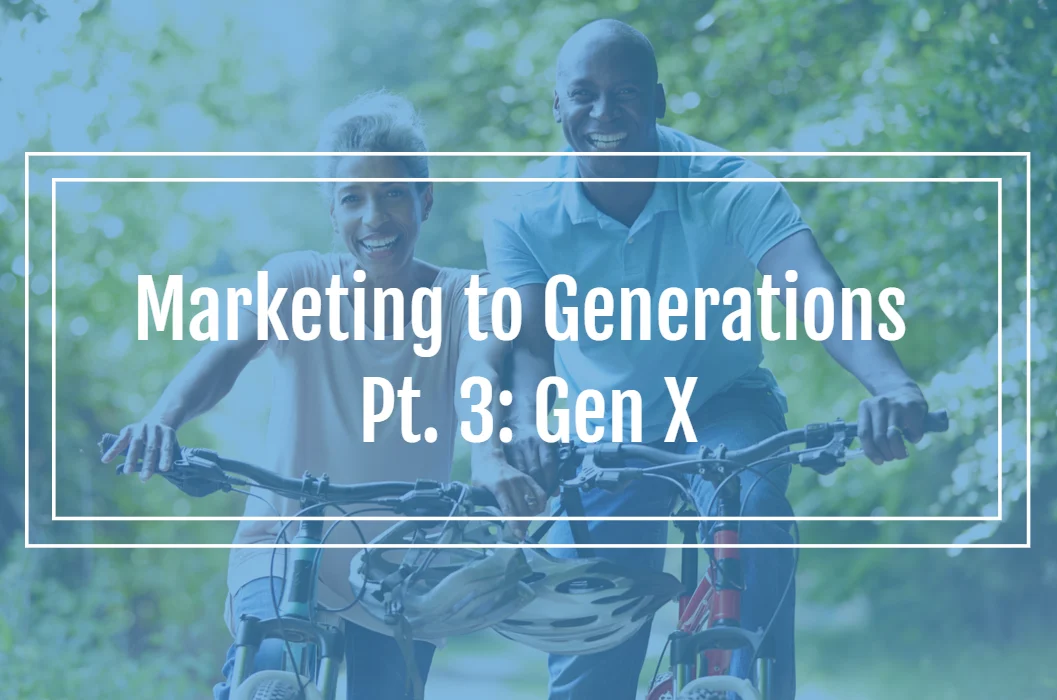
The core principle of effective marketing hinges on a single, potent word: "target." Identifying and understanding the intended audience is paramount, with marketing strategies typically employing a multifaceted approach encompassing behavioral, psychographic, demographic, and geographic segmentation. However, to truly connect with consumers, marketers must also navigate the nuanced landscape of generational differences. This series delves into the intricacies of digital marketing across key generations: Gen Z (born 1995-2010), Millennials (born 1980-1994), Gen X (born 1960-1979), and Baby Boomers (born 1940-1959), aiming to equip businesses with the insights needed to reach these distinct groups with the right message, on the right platforms. Having previously explored strategies for engaging Gen Z and Millennials, this installment shifts focus to Generation X.
The Gen X Identity: Self-Reliance Forged in Independence
Often referred to as the "latchkey kid generation," individuals born between 1960 and 1979 developed a profound sense of self-reliance from a young age. This upbringing, characterized by children often returning home to empty houses after school, instilled a unique set of traits that continue to shape their consumer behavior. This independence has cultivated a reputation for Gen X as self-starters, pragmatic doers, and discerning purchasers who prioritize value and reliability.
The Gen X Mindset: A Pragmatic Approach to Life and Consumption
Unlike the extensive research available on Millennials and Gen Z, comprehensive studies detailing the specific mindset of Generation X are comparatively scarce. This relative lack of readily available data can, in itself, be seen as a reflection of the Gen X disposition: a generation that often operates with quiet competence, content to forge their own paths and make decisions based on personal benefit and practicality, rather than seeking external validation.
The "latchkey kid" experience is a foundational element in understanding this generation. Growing up with the necessity of self-sufficiency, from preparing their own meals to managing their own errands, Gen Xers learned to be resourceful and proactive. This early independence fostered a "do-it-yourself" ethos that persists into adulthood. They are characterized by a strong work ethic and a drive to achieve their goals, with success often defined by personal stability and tangible gains rather than widespread recognition. This outlook was shaped by a backdrop of economic shifts, including the Reagan era, a recession in the early 1990s as they entered the workforce, and the Great Recession of 2008, all of which underscored the importance of financial security and resilience.
Positioned between the expansive Baby Boomer generation and the digitally native Millennials, Gen X possesses a unique vantage point. They can appreciate the technological advancements embraced by younger cohorts, often exhibiting proficiency with new digital tools, while still valuing the principles of hard work and perseverance often associated with their predecessors. While not as vocal about demanding work-life balance as Millennials, many Gen X individuals still prioritize it, seeking a sustainable integration of professional and personal lives.
Gen X Consumption Patterns: Loyalty, Research, and Security
While detailed research into Gen X consumer habits is less abundant than for other generations, several key characteristics emerge. A significant portion of this demographic, approximately 35%, holds a college degree, indicating a propensity for informed decision-making. This educational background often translates into a thorough research process, particularly when considering higher-priced items. Marketers aiming to capture the Gen X audience must ensure their digital platforms are rich with comprehensive product information, detailed specifications, and clear value propositions to support this investigative approach.
Brand loyalty is another hallmark of Gen X consumers. Once a brand earns their trust through consistent quality and excellent service, they are likely to remain loyal. This underscores the importance of customer retention strategies. Implementing loyalty programs, offering exclusive discounts, and providing exceptional post-purchase support can significantly enhance the lifetime value (LTV) of Gen X customers. Their commitment, once secured, can be a powerful asset for businesses.

Furthermore, security plays a pivotal role in Gen X purchasing decisions. They tend to gravitate towards brands with a positive reputation, often influenced by recommendations from trusted sources. This can include endorsements from friends, family, respected influencers, or even other reputable brands. While direct marketing efforts are essential, a robust strategy should also focus on cultivating positive word-of-mouth and leveraging social proof. Testimonials, user-generated content, and third-party reviews can significantly bolster a brand’s credibility and appeal to this security-conscious demographic.
Navigating the Digital Landscape: Reaching Gen X Effectively
Understanding where Gen X spends their time online is crucial for developing targeted digital marketing campaigns. While they are active on many social media platforms, their engagement patterns can differ from younger generations.
Platforms to Reach Gen X
Analysis of social media usage data reveals that Gen X demonstrates significant engagement across a variety of platforms. Facebook remains a dominant force, serving as a primary channel for news, social connections, and product discovery. LinkedIn is also a key platform, particularly for professional networking and industry-specific content. While not as deeply embedded as in younger demographics, Gen X also utilizes platforms like Instagram and YouTube for entertainment, information gathering, and brand interaction. Their presence on platforms like Twitter (now X) often centers on real-time news and discussion.
The key takeaway for marketers is that a multi-platform approach is often most effective. Tailoring content to the specific context of each platform—professional insights on LinkedIn, community engagement on Facebook, visual inspiration on Instagram, and in-depth content on YouTube—will yield better results.
Messaging That Speaks to Gen X
Crafting messages that resonate with Gen X requires an understanding of their values and communication preferences. Their pragmatism and self-reliance suggest that direct, benefit-oriented messaging is often most effective.
- Emphasize Value and Quality: Gen X consumers are keen to understand the tangible benefits and long-term value of a product or service. Highlight durability, efficiency, and return on investment.
- Authenticity and Transparency: As skeptical purchasers, they appreciate honesty and transparency. Avoid hyperbole and focus on factual information and genuine benefits.
- Problem/Solution Focus: Clearly articulate how your offering solves a problem or fulfills a need. Their "latchkey kid" upbringing has instilled a problem-solving mindset.
- Respect Their Time and Intelligence: Gen X is a busy generation. Messages should be concise, to the point, and avoid patronizing language. They value well-researched information.
- Leverage Nostalgia (Carefully): While not their primary driver, subtle nods to cultural touchstones from their formative years can evoke positive sentiment. However, this should be done authentically and not as a primary strategy.
- Focus on Practicality and Reliability: Messages that highlight the reliability, ease of use, and long-term dependability of a product will appeal to their pragmatic nature.
Broader Implications for Marketers
The increasing purchasing power and established brand loyalty of Generation X present a significant opportunity for businesses. By investing in understanding their unique motivations, communication preferences, and media consumption habits, marketers can develop highly effective strategies. The relative scarcity of research on this generation presents an opportunity for early adopters to gain a competitive edge by pioneering innovative approaches.
The data suggests that a balanced approach, combining digital outreach with an emphasis on building trust and demonstrating tangible value, is paramount. Businesses that can provide comprehensive information, foster genuine connections, and deliver consistent quality will find Gen X to be a highly valuable and loyal customer base.
Ultimately, while generalizations about any generation can be overly simplistic, the core characteristics of Gen X—their self-reliance, pragmatic outlook, and value-driven purchasing decisions—provide a solid foundation for developing targeted marketing campaigns. As the marketing landscape continues to evolve, understanding and adapting to the distinct needs of each generational cohort remains a critical determinant of success. For businesses seeking to refine their digital marketing strategies to effectively reach and convert the Gen X audience, consulting with experienced digital marketing professionals can provide invaluable expertise and tailored solutions.