Instapage, a prominent leader in landing page optimization and conversion software, has officially announced the launch of an integrated Schema Markup feature designed to bridge the widening gap between human-centric web design and machine-readable data. This strategic update comes at a pivotal moment in the digital marketing landscape, where the rise of Search Generative Experience (SGE) and AI-driven answer engines is fundamentally altering how consumers discover information online. By automating the creation, validation, and implementation of structured data, Instapage aims to empower marketing teams to secure premium placements in organic search results and AI-generated responses without the traditional reliance on technical development resources.
The Economic Context: Marketing Efficiency in a Tightening Budget Environment
The release of the Schema Markup tool is positioned against a backdrop of increasing financial scrutiny within the global marketing sector. As 2024 progresses, many organizations are facing stagnant or shrinking advertising budgets, forcing a strategic shift from high-cost paid acquisition to long-term organic growth. In this environment, the efficiency of every digital asset is paramount.
Historically, the brands that dominated search engine results pages (SERPs) were those with the largest budgets for backlink acquisition and massive content teams. However, the paradigm is shifting. Today, visibility is increasingly determined by "machine-readability"—the ease with which a search engine’s crawler or an AI’s training model can parse, categorize, and verify the information on a page. Instapage’s new feature addresses this shift by ensuring that even small-to-medium-sized enterprises (SMEs) can compete with industry giants by providing the structured signals that modern algorithms demand.
Understanding Schema Markup: The Invisible Infrastructure of the Web
To understand the significance of this launch, one must look at the role of Schema Markup, specifically JSON-LD (JavaScript Object Notation for Linked Data). While a landing page may be visually stunning and high-converting for a human visitor, search engines see a complex web of code. Without structured data, a search engine must "guess" whether a string of numbers is a price, a date, or a phone number.
Schema markup acts as a translator. It provides a standardized vocabulary—agreed upon by major search engines like Google, Bing, and Yahoo—that tells the system exactly what the data represents. This leads to "Rich Snippets," which are enhanced search results that display star ratings, product prices, event dates, or FAQ dropdowns directly on the search results page. Data suggests that pages with rich snippets see a significantly higher click-through rate (CTR) compared to standard blue-link results, as they provide immediate value and credibility to the user.
Technical Breakdown of the Instapage Schema Tool
The core innovation of the Instapage Schema Markup feature lies in its integration of Artificial Intelligence to remove the technical barriers to entry. Previously, implementing valid schema required a developer to manually write JSON-LD code and inject it into the page’s header, a process prone to syntax errors that could result in search engine penalties.

AI-Driven Generation and Auto-Detection
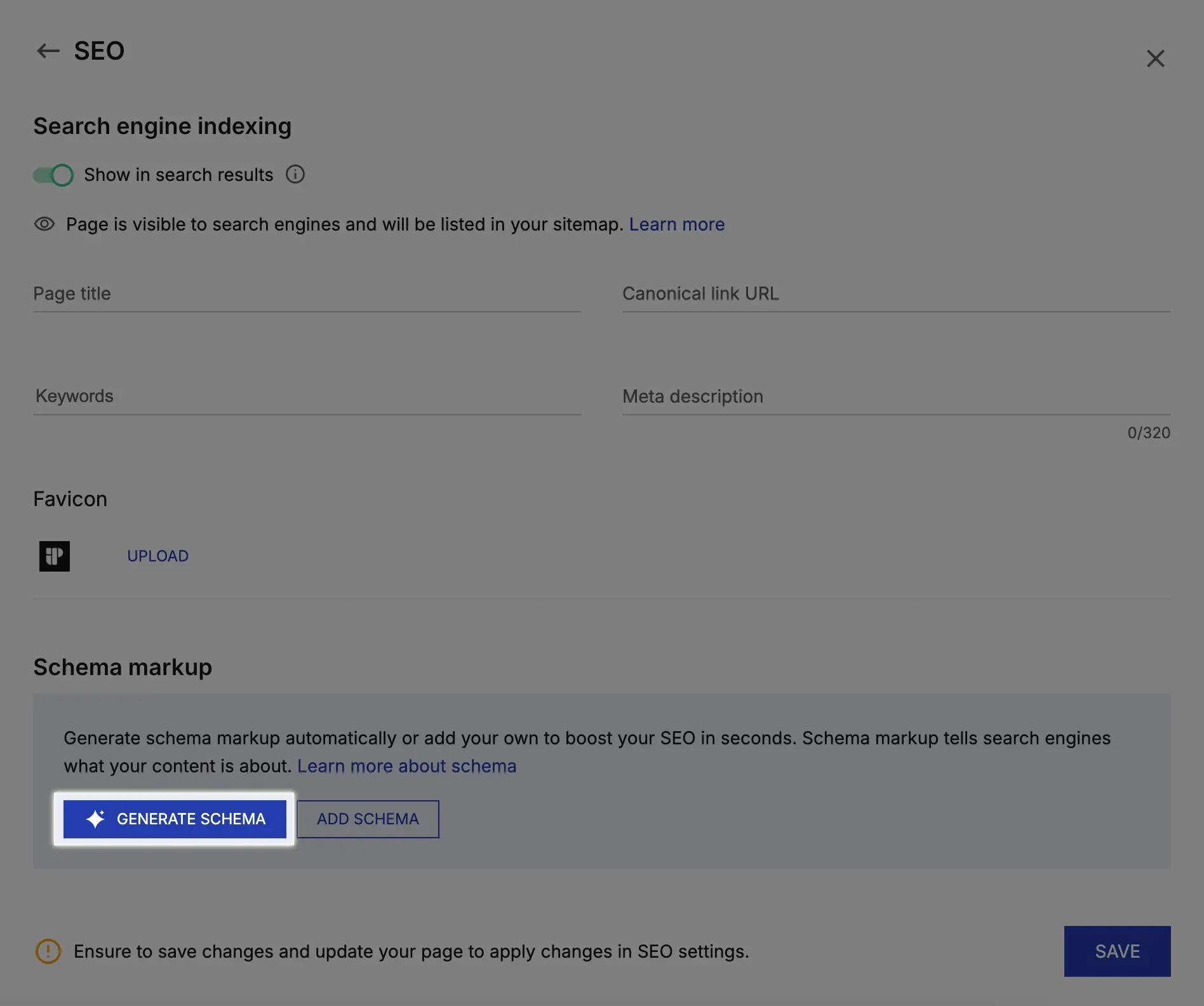
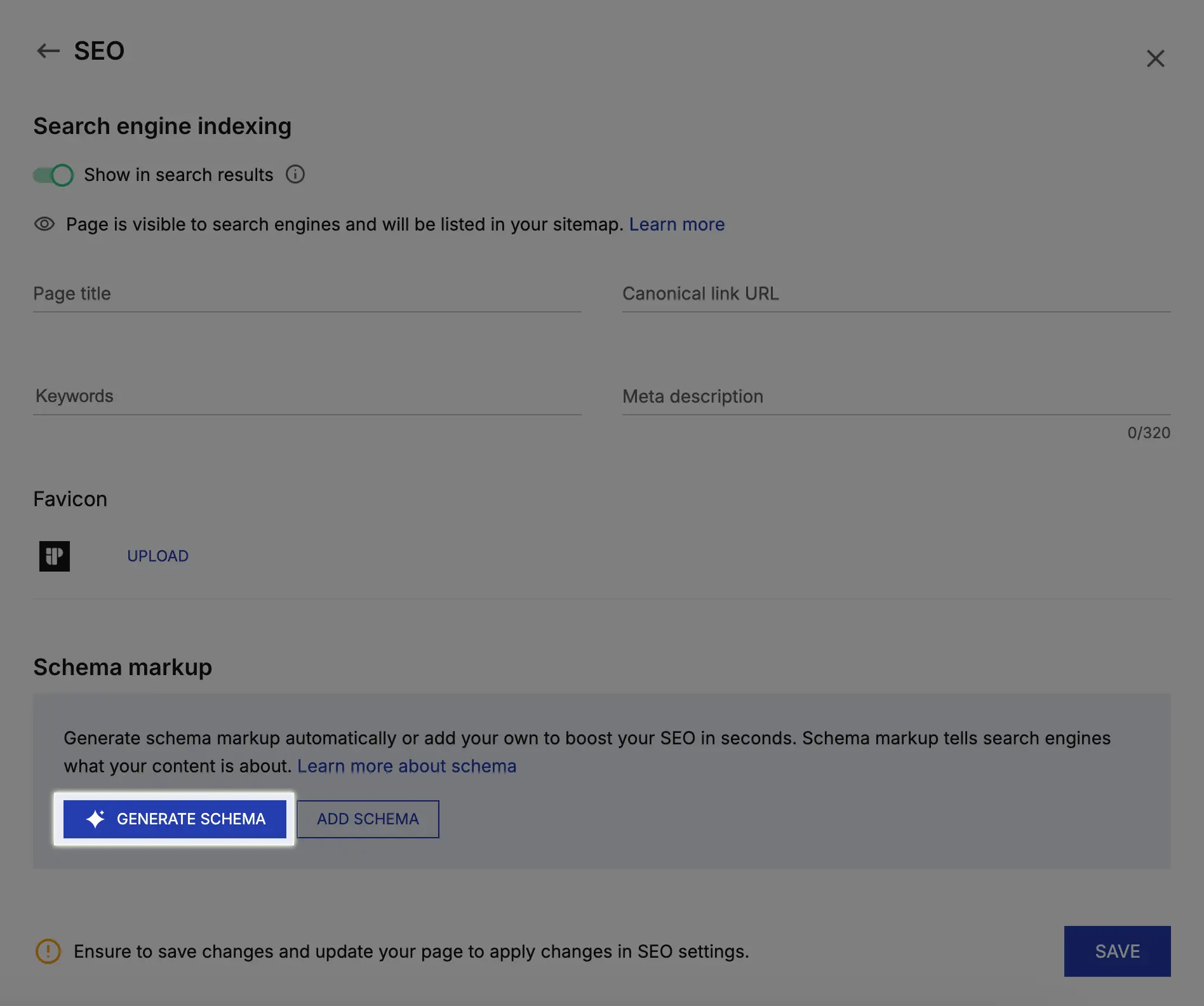
The tool offers two primary paths for users. For those unsure of where to begin, the "Auto-detect" option utilizes an AI model to analyze the existing content on the landing page. The AI identifies the core purpose of the page—whether it is a product pitch, a local business landing page, or a lead generation form for an event—and automatically generates the corresponding markup.
Comprehensive Schema Library
Users can also manually select from a diverse library of schema types tailored to specific business objectives:
- Organization and Person: Establishes brand authority and connects the page to recognized entities.
- Product: Feeds essential data like price, availability, and reviews directly into Google Shopping and search results.
- LocalBusiness: Crucial for brick-and-mortar entities looking to appear in the "Map Pack" and local search queries.
- Event: Highlights dates, venues, and ticketing information for webinars or physical gatherings.
- FAQPage: Allows marketers to occupy more real estate on the SERP by displaying collapsible questions and answers.
Validation and Implementation
A critical step in the SEO workflow is validation. Incorrectly formatted schema can be ignored or flagged by Google Search Console. Instapage has integrated a validation engine directly into the workflow, allowing marketers to verify their code before the page goes live. Once validated, the schema is applied automatically upon the next publication cycle, ensuring a seamless transition from the editing suite to the live web.
The Evolution of Search: From Keywords to AI Answers
The timing of this release is closely linked to the evolution of AI assistants such as ChatGPT, Perplexity, and Google’s Gemini. These systems do not merely "crawl" the web for keywords; they attempt to understand the relationship between entities. When a user asks an AI assistant, "What is the best project management software for small teams?" the AI looks for structured data that confirms a page is about a "Product," has "Reviews," and belongs to a specific "Organization."
By providing this data in a clean, structured format, Instapage users are essentially "hand-feeding" AI systems the information they need to cite the brand as a reliable source. Industry analysts suggest that as AI-driven search becomes the norm, the "Schema-first" approach will become a non-negotiable standard for digital discoverability.
Chronology of Development and Market Response
The development of the Schema Markup tool follows a series of AI-centric updates from Instapage over the past 18 months. Following the broader industry trend of integrating Large Language Models (LLMs) into SaaS platforms, Instapage previously introduced AI content generation for headlines and ad copy.
- Q3 2023: Instapage identifies the "Developer Bottleneck" as a primary pain point for SEO specialists using landing page builders.
- Q1 2024: Internal testing begins on an AI-based JSON-LD generator.
- Q2 2024: Beta testing among select agency partners reveals a 25% reduction in time-to-publish for SEO-optimized pages.
- Current Release: The feature is rolled out globally to all subscription tiers, reflecting the company’s commitment to democratizing high-level SEO tools.
While official statements from Instapage leadership emphasize the "no-code" benefits, industry reactions have focused on the competitive advantage this provides to performance marketers. Independent SEO consultants have noted that the ability to update schema as quickly as one updates a headline allows for agile responses to market changes, such as price drops or new product launches.
Broader Implications for the Digital Marketing Industry
The launch of this feature signals a broader trend in the MarTech (Marketing Technology) industry: the convergence of design, conversion optimization, and technical SEO into a single, AI-managed workflow.
1. The Democratization of Technical SEO
For years, technical SEO was a specialized field that required a deep understanding of web architecture. By automating the generation of JSON-LD, Instapage is moving toward a future where "technical" SEO is simply a standard part of the content creation process, accessible to any marketer regardless of their coding literacy.
2. The Shift Toward "Entity-Based" Marketing
Marketing is moving away from chasing specific keywords and toward establishing "Entities." By using Organization and Person schema, brands are defining themselves as trusted entities in the eyes of the Knowledge Graph. This builds long-term brand equity that is more resilient to algorithm updates than traditional keyword-based strategies.
3. Reducing the Total Cost of Ownership (TCO)
By removing the need for external developers or specialized SEO plugins to manage landing page data, companies can reduce their operational overhead. The "five-minute setup" promised by Instapage represents a significant cost saving for agencies managing hundreds of client pages.
Conclusion and Future Outlook
As search engines continue to evolve into "answer engines," the value of a landing page will no longer be measured solely by its conversion rate among human visitors, but also by its "comprehensibility" to artificial intelligence. Instapage’s introduction of AI-powered Schema Markup is a proactive response to this shift, providing a necessary tool for marketers to maintain visibility in a crowded and technologically complex digital marketplace.
The feature is currently available to all Instapage users, with the company offering a 14-day trial to allow brands to quantify the impact of structured data on their organic performance. As the industry watches the rollout, the success of this tool may well set a new standard for what marketers expect from landing page platforms in the age of AI. For businesses looking to future-proof their digital presence, the message is clear: the data behind the design is now just as important as the design itself.