The intersection of government authority, corporate accountability, and consumer behavior has reached a critical juncture in late 2024, as evidenced by a series of high-profile developments involving the White House press corps, a record-breaking labor settlement by DoorDash, and shifting consumer sentiment ahead of the holiday shopping season. These events collectively highlight a transformative era for public relations and institutional communications, where transparency is no longer a choice but a legal and reputational necessity. From the steps of the White House to the digital storefronts of major retailers, the mechanisms of trust are being tested by litigation, economic shifts, and a demand for radical honesty.
The White House Press Access Conflict: Legal Precedents and Constitutional Boundaries
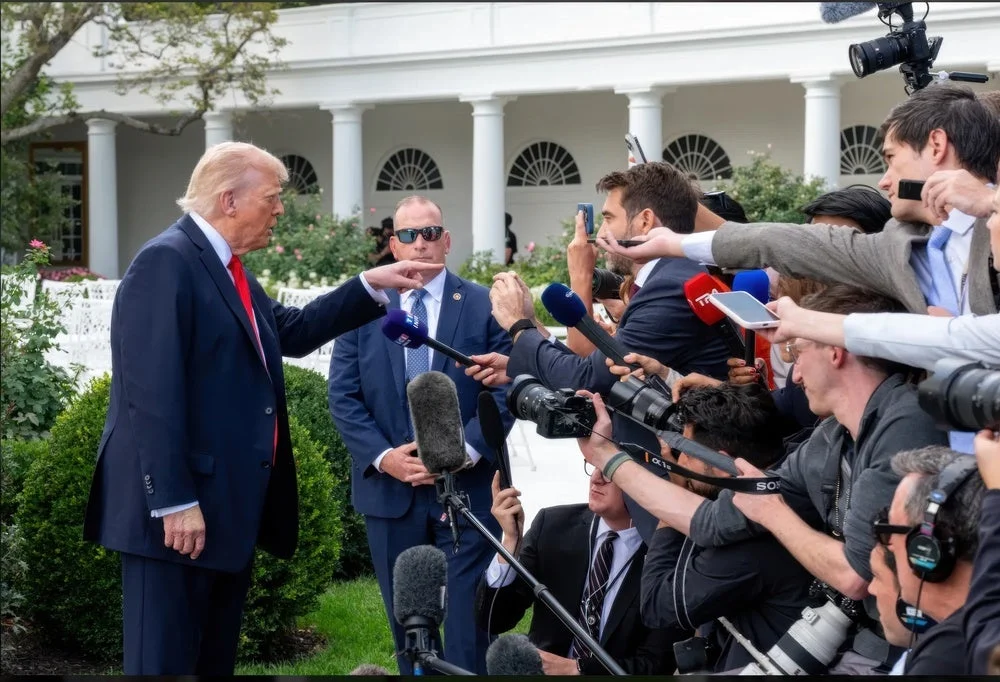
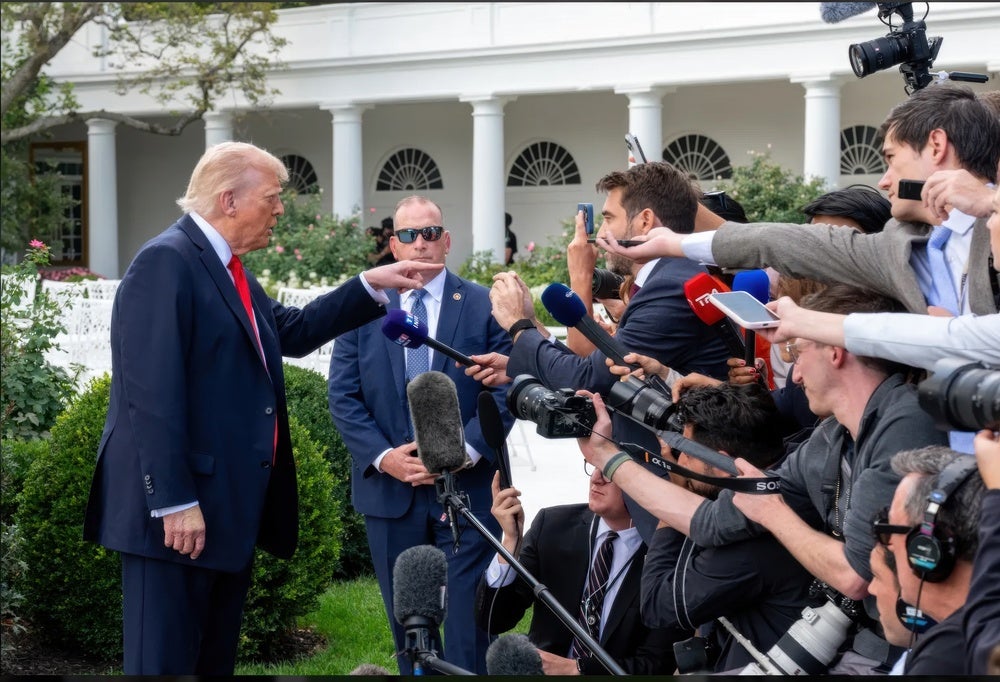
On September 18, 2024, the White House administration under President Donald Trump initiated a significant restriction on media access, banning reporters from CNN, MS NOW, and Politico from the South Lawn and other press-designated areas. The administration justified the move by citing "behavior in violation of the standards of professionalism and decorum," though specific instances of such violations were not immediately detailed in a formal notice to the affected outlets.
The response from the media organizations was immediate, culminating in a lawsuit that challenged the constitutionality of the ban. On September 24, U.S. District Judge Timothy Kelly, an appointee of the Trump administration, issued a temporary restraining order against the White House. Judge Kelly’s ruling did not focus on the content of the reporters’ questions or their behavior, but rather on the lack of due process. The court found that the administration likely violated the Fifth Amendment by revoking "hard passes"—the credentials allowing long-term access to the White House grounds—without prior notice or an opportunity for the journalists to contest the decision.
The conflict reached a fever pitch on the Thursday morning following the ruling. Despite the federal court order to restore access, Secret Service personnel and White House staff initially turned away reporters from the three outlets. In some instances, physical press passes were confiscated at the gates. This act of non-compliance prompted an emergency request for a hearing. Judge Kelly ordered the administration to respond by midday, leading to a staggered restoration of access. By Thursday afternoon, CNN’s Betsy Klein was reporting live from the grounds, and representatives from MS NOW and Politico were eventually granted entry, though the environment remained tense.
Chronology of the 2024 Press Access Battles
The September standoff is part of a broader pattern of friction between the executive branch and the press pool. Earlier in 2024, the White House faced legal challenges after barring the Associated Press from certain events. That dispute arose after the AP refused to adopt the administration’s preferred terminology, specifically the phrase "Gulf of America," in its reporting. A federal judge eventually ordered the restoration of AP’s access on First Amendment grounds, ruling that the government cannot condition access on the use of specific political descriptors.
Furthermore, the Pentagon has faced similar judicial scrutiny. Recent rulings have found that defense officials sought to marginalize "disfavored journalists" by denying them embed opportunities and briefing access. These cases collectively reinforce a burgeoning legal consensus: while the government may have the right to set general rules for decorum, it cannot selectively enforce those rules to punish specific outlets or viewpoints without meeting a high burden of due process.
Implications for Media Management
The communication takeaways from these events extend to any organization that manages media credentialing. Legal experts and PR practitioners note that once an organization opens its doors to the media, it establishes a "public forum" or a "limited public forum," which limits its ability to exclude specific participants arbitrarily.
Parry Headrick, Founder and Chief Evangelist at Crackle, emphasizes that attempts to shut out the press often backfire. "Shutting out the press gives the impression, whether true or not, that there’s something to hide," Headrick observed. He noted that such actions typically erode public trust and incentivize investigative journalists to dig deeper. From a crisis management perspective, the "sunlight" of open access remains the most effective way to manage a narrative, as opacity tends to breed speculation and hostility.
DoorDash’s $131.5 Million Settlement: A Case Study in Radical Transparency
While the White House grappled with media access, the corporate sector saw a landmark moment in labor relations and crisis communications. New York City Mayor Zohran Mamdani announced a record-breaking $131.5 million settlement with DoorDash. The settlement stems from the company’s failure to comply with New York City’s minimum pay rules for delivery workers, which were implemented in 2023 to ensure gig workers receive a predictable and fair wage.
According to the settlement terms, approximately 264,000 "Dashers" will receive back pay. The investigation revealed that many workers were underpaid or received payments past the legal deadline. While the total sum is significant, the average underpayment per worker was relatively small—approximately $7.70—with 65% of the affected workers being shorted by $1.00 or less. However, the sheer volume of the affected workforce and the duration of the non-compliance led to the record-setting figure.
The "We Screwed Up" Communication Strategy
The most notable aspect of the DoorDash settlement was not the dollar amount, but the company’s public response. In a statement titled "Making It Right: Our Settlement with the City of New York," DoorDash bypassed traditional, legalistic jargon in favor of blunt honesty. The statement opened with the phrase "We screwed up," a move that communication experts describe as a "radical transparency" approach.
DoorDash detailed the specific technical causes of the underpayments, including software bugs, errors in calculating deliveries that crossed city boundaries, and banking information discrepancies. The company also addressed an $83 million dispute regarding "on-call pay" methodology. While DoorDash maintained that its initial calculation approach was fair, it acknowledged that settling the matter was preferable to years of protracted litigation that would delay payments to workers.
Building Trust Through Disclosure
This strategy aligns with recent data from the Resonant Advisory Group, which found that 79% of consumers believe a company earns more credibility by disclosing bad news about itself first, rather than waiting for it to be uncovered by regulators or the media. By quantifying the impact and explaining the fix, DoorDash attempted to neutralize the "villain" narrative often associated with large tech platforms in labor disputes.
However, rebuilding trust is a long-term process. Michelle Bonner, VP of Public Relations at Adams & Knight, argues that a single apology, no matter how well-crafted, is insufficient. "The first audience to rebuild trust with isn’t the customer; it’s the workers," Bonner stated. She emphasized that DoorDash must prove through consistent behavior that the technical and compliance issues are permanently resolved. Bonner also noted that while customers may continue to use the service for convenience, a "loss of goodwill" creates a deficit that makes the company more vulnerable during future controversies.
Economic Anxiety and the 2024 Holiday Shopping Outlook
As the final quarter of the year approaches, new data suggests that the retail landscape is shifting under the weight of economic uncertainty. According to Sprout Social’s Q3 2026 Pulse Survey, a majority of consumers are planning to tighten their belts this holiday season. The survey, which polled social media users on their spending intentions, reveals a cautious consumer base reacting to inflationary pressures and geopolitical trade policies.
Key Data Points from the Sprout Social Pulse Survey:
- Spending Reductions: 56% of shoppers plan to reduce their holiday spending compared to previous years.
- Tariff Concerns: Nearly 70% of consumers expressed concern about potential price increases related to new or proposed tariffs.
- Early Shopping: 36% of respondents intend to start their holiday shopping earlier than usual specifically to lock in prices before anticipated tariff-related hikes take effect.
- Social Media Influence: Social media has moved from being a discovery tool to the primary hub for the entire shopping journey. Consumers are increasingly using platforms like Instagram, TikTok, and Pinterest for product research, price comparison, and final purchases.
The Shift Toward Utility and Creator-Led Marketing
The data indicates that traditional, high-production holiday advertisements are losing their efficacy. Instead, consumers are gravitating toward "utility-driven" content. This includes product demonstrations, honest reviews from creators, and direct-to-consumer discounts.
Scott Morris, CMO at Sprout Social, suggests that brands must align their messaging across all channels to meet these heightened expectations. "Because of a tighter economic climate, every purchase carries more weight," Morris noted. He advised that brands should focus on helping consumers make informed decisions rather than simply pushing for a sale. This includes preparing customer care teams for rapid responses on social media, as shoppers increasingly use direct messaging for service inquiries and order tracking.
Broader Impact and Implications for the Future of Communications
The developments of this week underscore a fundamental shift in the relationship between institutions and their stakeholders. Whether it is the federal government managing the press or a multi-billion-dollar corporation managing its workforce, the margin for error in communication has narrowed significantly.
The Legalization of Public Relations
The White House case demonstrates that PR strategy is now inextricably linked to constitutional law. Organizations can no longer rely solely on "internal policies" to manage external actors; those policies must withstand judicial scrutiny regarding due process and equal protection. For PR professionals, this means that credentialing and access policies must be transparent, consistently applied, and legally defensible.
The Accountability Mandate
The DoorDash settlement serves as a reminder that in the age of data, errors are easily quantified and publicized. The "we screwed up" approach suggests that corporate leaders are beginning to realize that the cover-up—or even the "no comment"—is often more damaging than the original mistake. By owning the narrative and providing a clear roadmap for restitution, companies can preserve their social license to operate even in the face of significant regulatory failures.
The New Consumer Reality
Finally, the Sprout Social data points to a "utility-first" era of commerce. As economic conditions remain volatile, consumers are looking for brands that provide value beyond the product itself. This includes transparency in pricing, speed in customer service, and authenticity in marketing.
In conclusion, the events of late 2024 reveal a landscape where the traditional silos of legal, marketing, and public relations are collapsing. Success in this environment requires a commitment to the "sunlight" principle: an acknowledgment that in a hyper-connected world, the truth will eventually surface. Institutions that embrace this reality through proactive disclosure and fair treatment of their constituents are the ones most likely to maintain credibility in an era of skepticism.