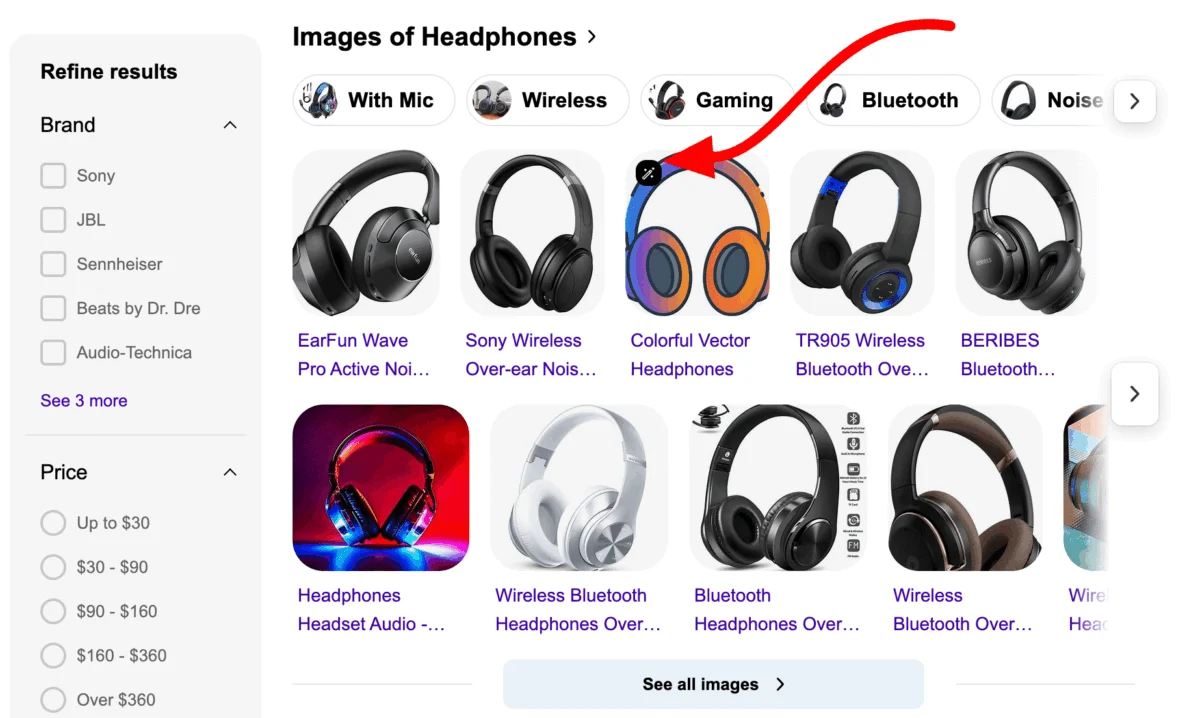
Microsoft Bing is actively experimenting with new functionalities within its search interface, introducing editable labels and icons directly on images, which leverage its advanced AI image generation capabilities. This development, recently observed by tech enthusiasts, signifies a significant step towards a more interactive and personalized search experience, allowing users to modify visual content directly from search results without navigating away from the search ecosystem. The integration underscores Microsoft’s ongoing commitment to embedding generative artificial intelligence across its product suite, transforming Bing from a mere information retrieval tool into a dynamic content creation platform.
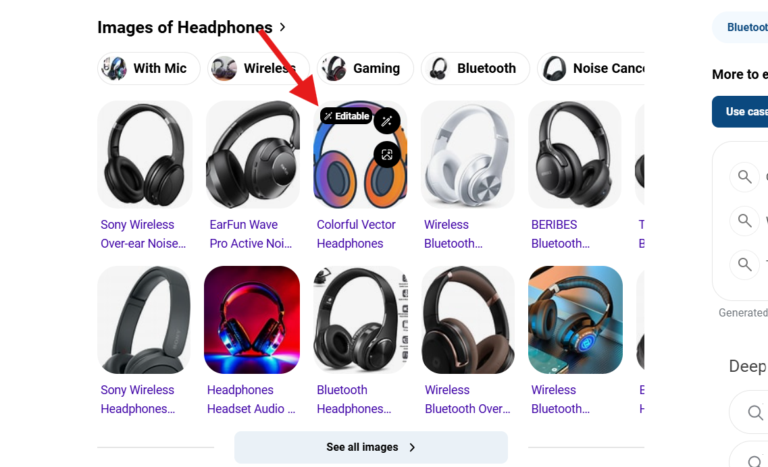
The testing phase has revealed multiple visual variations for these interactive image elements. One iteration, keenly observed and documented by Sachin Patel, features the explicit word "Editable" prominently displayed as a label directly superimposed on the image thumbnail within Bing Search results. Patel shared a screenshot of this finding on X (formerly Twitter) and the technology news outlet SEW, bringing attention to this novel functionality. This direct textual cue serves as an immediate indicator to the user that the image is not static but can be manipulated.
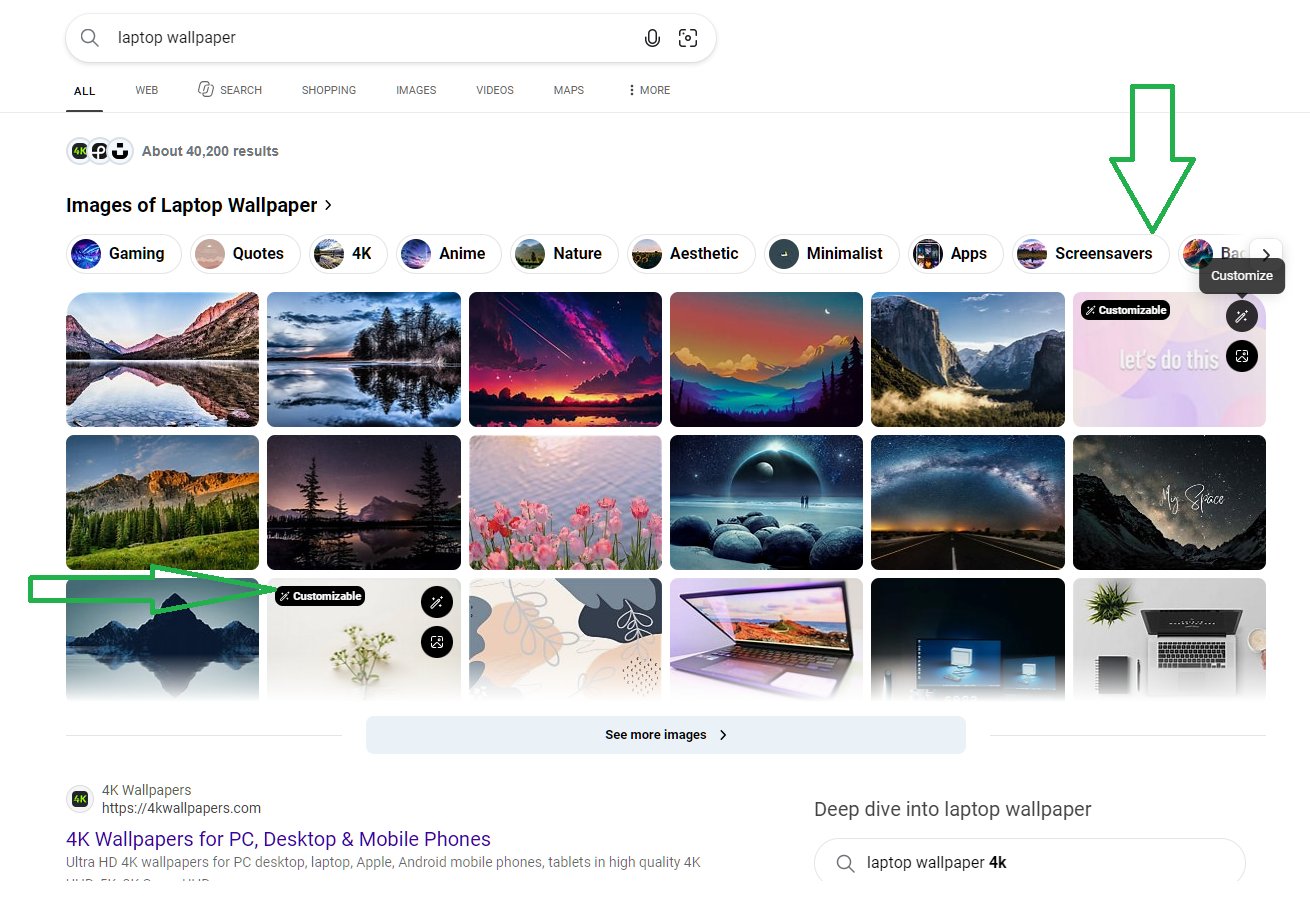
Another distinct variation was brought to light by Khushal Bherwani, who also shared a screenshot on X. Bherwani’s observation showcased a "Customizable" button associated with the image. This button, rather than a direct label, implies a more action-oriented approach, inviting users to engage with the image’s modifiable aspects through a clear call to action. The presence of a button suggests a slightly different user interface design philosophy, perhaps aimed at a broader audience less familiar with explicit "editable" functionalities but accustomed to interactive buttons.
Further independent replication of this feature unearthed a third variant: a subtle pencil-shaped edit icon. This icon, when initially presented, offers a clean, minimalist aesthetic. However, upon hovering the mouse cursor over it, the icon transforms or is accompanied by the word "Customize," providing additional context and clarifying its function. This dynamic interaction, moving from an abstract icon to a more explicit instruction, demonstrates Bing’s nuanced approach to user experience design, likely aiming to balance visual simplicity with functional clarity. Regardless of the specific visual cue—be it a text label, a button, or a dynamic icon—the underlying functionality remains consistent: clicking on any of these elements seamlessly redirects the user to the Bing Image Creator tool.
Contextualizing Microsoft’s AI Ambition
This initiative by Bing is not an isolated experiment but rather a cohesive component of Microsoft’s overarching strategy to integrate cutting-edge artificial intelligence across its entire ecosystem. For over a year, Microsoft has been aggressively positioning Bing as an "AI-powered answer engine," distinguishing it from traditional search engines by emphasizing its generative capabilities. The launch of Bing Chat (now integrated into Copilot) in early 2023 marked a significant turning point, showcasing conversational AI directly within the search experience. This was swiftly followed by the introduction of Bing Image Creator, powered by OpenAI’s advanced DALL-E 3 model, enabling users to generate images from text prompts.
Microsoft’s investment in OpenAI, its rapid deployment of Copilot across Windows, Microsoft 365, and Edge, and its continuous updates to Azure AI services all point to a singular vision: to make AI ubiquitous and accessible. The integration of editable image labels within search results directly aligns with this vision, transforming passive consumption of search results into active engagement and creative output. This strategic direction is particularly crucial in a competitive landscape where rivals like Google are also heavily investing in AI-driven search enhancements, such as their Search Generative Experience (SGE). By offering immediate, in-situ editing capabilities, Bing aims to provide a unique value proposition that enhances user creativity and streamlines the content generation workflow.
The Evolution of Generative AI in Search
The journey toward interactive image editing in search began with the broader proliferation of generative AI. The public release of tools like DALL-E, Midjourney, and Stable Diffusion in 2022 democratized image creation, allowing individuals to generate complex visuals from simple text prompts. Recognizing this paradigm shift, search engine providers began exploring ways to integrate these powerful tools into their platforms.
Bing Image Creator, launched as a standalone feature and later integrated into Bing Chat, represented Microsoft’s initial foray into this space. It allowed users to type descriptive prompts and receive AI-generated images. The current development—placing "editable" markers directly on images within search results—is the next logical step. It bridges the gap between finding existing visual content and creating new, customized visuals. This move acknowledges that users often seek inspiration from existing images and may wish to modify or build upon them, rather than starting from a blank canvas.
The timeline of AI integration into Bing has been rapid:
- February 2023: Microsoft relaunches Bing with AI-powered chat capabilities, featuring a conversational interface and the ability to generate text.
- March 2023: Bing Image Creator is introduced, allowing users to generate images from text prompts within the Bing Chat experience, powered by a version of DALL-E.
- October 2023: Bing Image Creator is updated to utilize OpenAI’s DALL-E 3, significantly enhancing image quality and prompt understanding.
- Late May/Early June 2024: Observers begin spotting the "editable" labels and icons on images within standard Bing Search results, indicating an advanced testing phase for direct image modification integration.
This rapid progression highlights Microsoft’s agility in adopting and deploying cutting-edge AI technologies, continuously refining the user experience based on evolving capabilities and user feedback.
Mechanism of Interaction: From Search to Creation
The operational flow for users engaging with these new editable features is designed for seamless transition and creative empowerment. When a user conducts an image search on Bing, they may encounter an image thumbnail adorned with one of the aforementioned labels or icons. For instance, a search for "futuristic city skyline" might yield several AI-generated images, some of which feature the "Editable" tag or the pencil icon.
Upon clicking this interactive element, the user is not taken to an external website or a generic image viewer. Instead, they are directed straight into the Bing Image Creator interface. Crucially, the system does not present a blank canvas. It intelligently pre-populates the image creator with the prompt that likely generated the original image, or a close approximation thereof. This eliminates the need for the user to reverse-engineer the image’s description, greatly reducing friction in the creative process.
From this point, users can then modify the prompt to generate variations of the image, change specific elements, or alter the style. For example, if the original image was a "futuristic city at sunset," the user could modify the prompt to "futuristic city at dawn with flying cars" or "cyberpunk city with neon lights." The AI then generates new images based on these revised instructions. This iterative process of prompt refinement and image generation is central to the appeal of generative AI, and Bing’s new feature brings this capability directly into the search experience, transforming it into a dynamic creative hub.
User Experience and Engagement: A New Paradigm
The implications for user experience are profound. Firstly, this feature significantly enhances interactivity. Search is no longer just about passively consuming information; it becomes a launchpad for creation. Users are empowered to become co-creators, directly influencing the visual content they encounter. This level of engagement can foster a deeper connection with the search engine and its capabilities.
Secondly, it streamlines the creative workflow. Traditionally, if a user found an image online that was close to what they wanted but not quite perfect, they would either have to search endlessly for an exact match, try to describe it to a separate AI image generator, or resort to manual editing software. Bing’s integrated approach condenses these steps, allowing for immediate modification within the same ecosystem. This reduction in friction makes AI image generation more accessible to a broader audience, including those without prior experience in prompt engineering or graphic design.
Thirdly, it fosters creative exploration. By providing an "editable" starting point, Bing encourages users to experiment with different variations, styles, and concepts. It lowers the barrier to entry for creative endeavors, potentially inspiring new ideas and applications that might not have emerged from a blank slate. This aligns with a growing trend in digital tools that aim to democratize creative processes, making sophisticated functionalities available to everyone.
Strategic Implications for Bing and Microsoft
For Microsoft, the integration of editable image labels carries substantial strategic weight.
- Competitive Differentiation: In a crowded search engine market dominated by Google, Bing has continually sought unique selling propositions. AI has emerged as its primary differentiator. This specific feature further strengthens Bing’s position as a leading AI-powered search engine, offering a capability that, while potentially in development elsewhere, is currently being actively tested and rolled out in Bing’s search results in a prominent manner.
- Increased Engagement and Stickiness: By providing valuable, interactive tools directly within search, Bing can significantly increase user engagement and time spent on the platform. Users are more likely to return to a search engine that not only finds information but also helps them create and customize it. This "stickiness" is vital for retaining users and growing market share.
- Data Collection and AI Refinement: Every interaction with the editable images provides valuable data to Microsoft. This data can inform future AI model refinements, user interface improvements, and the development of even more sophisticated AI capabilities. Understanding how users modify images, what prompts they use, and what variations they prefer is crucial for the continuous evolution of Bing’s AI offerings.
- Ecosystem Integration: This feature reinforces the seamless integration between Bing Search and Bing Image Creator, which itself is powered by OpenAI’s DALL-E 3. It showcases the strength of Microsoft’s broader AI ecosystem, from foundational models to user-facing applications.
- Future Monetization Potential: While currently a feature enhancing user experience, the deeper integration of AI content creation could open avenues for future monetization, such as premium AI features, specialized image packs, or integrations with other creative tools.
Challenges and Considerations
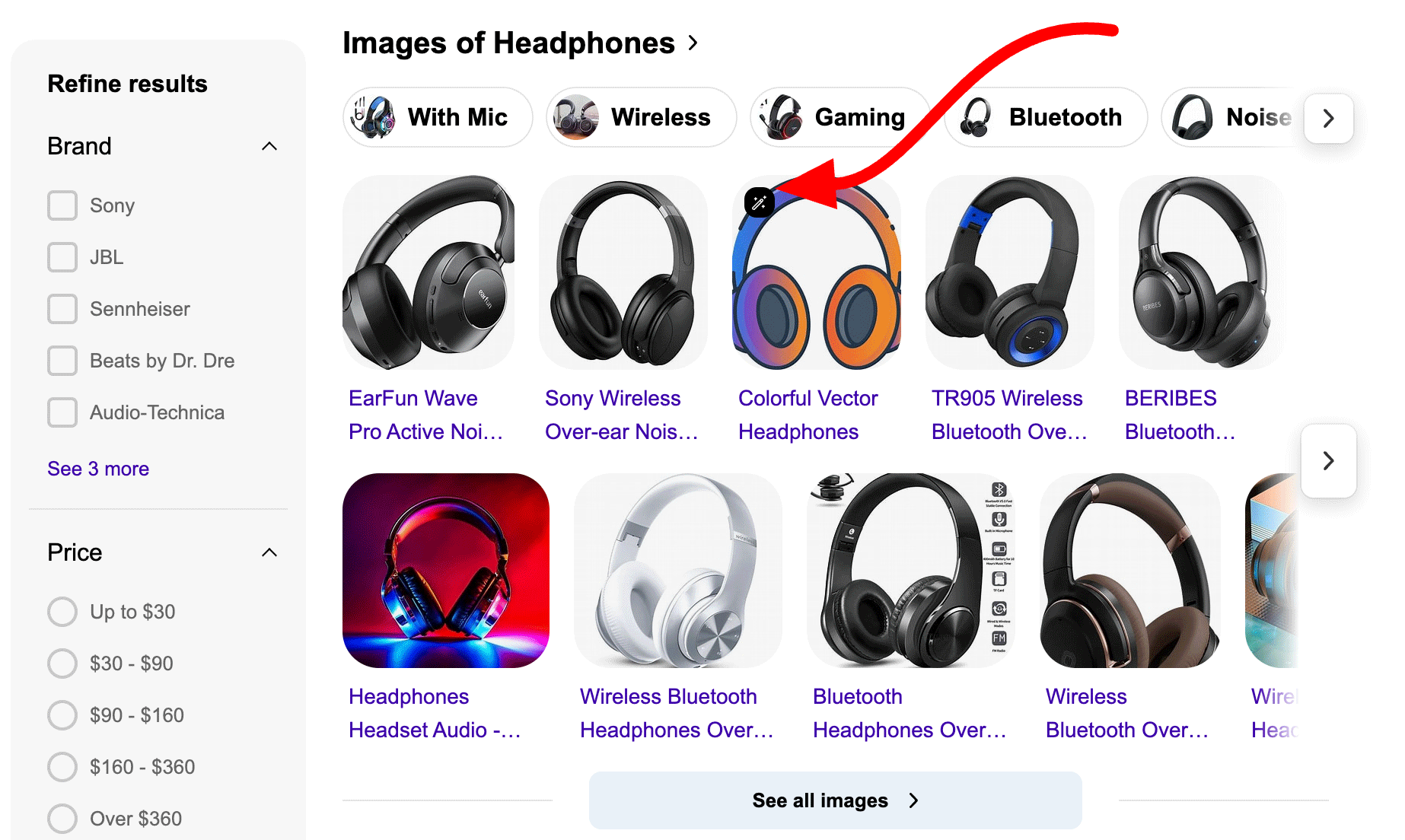
Despite its innovative potential, the widespread implementation of editable AI images in search also presents several challenges and considerations:
- Content Moderation and Ethics: The ability to easily modify images raises concerns about the potential for misuse, such as generating misleading content, deepfakes, or harmful imagery. Microsoft will need robust content moderation systems and ethical guidelines to prevent such abuses. This includes watermarking AI-generated content and implementing safeguards against prohibited content.
- User Interface Clarity: The testing of multiple variations (text label, button, icon + hover) indicates that Microsoft is still refining the best way to present this feature to users. Ensuring that the UI is intuitive, unambiguous, and accessible to a diverse user base will be crucial for widespread adoption. Over-cluttering search results with too many interactive elements could also detract from the core search experience.
- Quality and Control: While DALL-E 3 is highly capable, the quality and accuracy of AI edits can still vary. Users might have expectations that the AI cannot always meet, leading to frustration. Managing these expectations and providing clear feedback mechanisms will be important.
- Resource Intensiveness: Running sophisticated AI image generation models on demand for potentially millions of users is resource-intensive. Microsoft’s cloud infrastructure (Azure) is robust, but scaling this feature globally while maintaining performance will be an ongoing engineering challenge.
- Copyright and Attribution: As users modify images, questions about original attribution and new copyright ownership might arise, particularly if the initial image was not AI-generated but sourced from a publicly available dataset. Though this feature currently targets AI-generated images, the broader context of image modification needs careful consideration.
The Future of Interactive Search
The testing of editable image labels in Bing Search marks a pivotal moment in the evolution of search engines. It signals a shift from purely informational platforms to interactive, creative hubs where users can not only find information but also actively shape and generate content. This trend is likely to accelerate, with search engines becoming increasingly personalized, context-aware, and capable of fulfilling complex user intentions beyond simple queries.
As AI models become more sophisticated, we can anticipate further integration of generative capabilities, not just for images but potentially for video, audio, and interactive 3D models directly within search results. The distinction between a search engine, a content creation tool, and a personal AI assistant will continue to blur, culminating in a highly integrated digital experience. Bing’s current experimentation with editable image labels is a clear indicator of this exciting and transformative future, positioning Microsoft at the forefront of redefining how we interact with the digital world. The success of these tests will undoubtedly influence the next generation of search engine design, moving towards an era where every search has the potential to become an act of creation.