The modern B2B software-as-a-service (SaaS) landscape is facing a critical inflection point where traditional lead generation tactics are yielding diminishing returns. As of mid-2026, industry data indicates a growing disconnect between marketing expenditures and sales outcomes. While marketing departments frequently respond to declining demo requests by increasing ad spend, sales teams report a simultaneous drop in both lead volume and quality. This friction highlights a fundamental misunderstanding of the "Request a Demo" call-to-action (CTA). Far from being a low-friction entry point, booking a live demonstration represents a significant commitment of time and professional capital for the buyer.
According to recent benchmarks, the average B2B customer journey now spans 211 days and requires approximately 88 distinct touchpoints before a purchase is finalized. In an era defined by high-investment software decisions and rigorous procurement processes, the demo landing page must evolve from a simple lead capture form into a sophisticated tool for confidence-building and final-stage qualification.
The Complexity of the 2026 B2B Buyer Journey
The shift in buyer behavior has been documented extensively in the Dreamdata 2025 LinkedIn Ads Benchmark Report. The data suggests that the majority of the market—estimated at 95% to 97%—is not actively looking to purchase at any given moment. Only a slim margin of 3% to 5% of potential customers are in an active buying cycle. Despite this, many SaaS organizations continue to direct cold, top-of-funnel traffic toward demo request pages, resulting in high bounce rates and inflated Customer Acquisition Costs (CAC).
Industry experts, including Unbounce content strategist Danielle Torrie, suggest that the failure of a demo page is rarely an isolated design issue. Instead, it is often a failure of traffic orchestration. When low-intent buyers are pushed toward a sales conversation before they have conducted sufficient research, the friction becomes insurmountable. The modern landing page must therefore be positioned as the final destination in a multi-stage educational funnel, rather than the initial point of contact.
The "Core Four" Framework: A Strategic Chronology
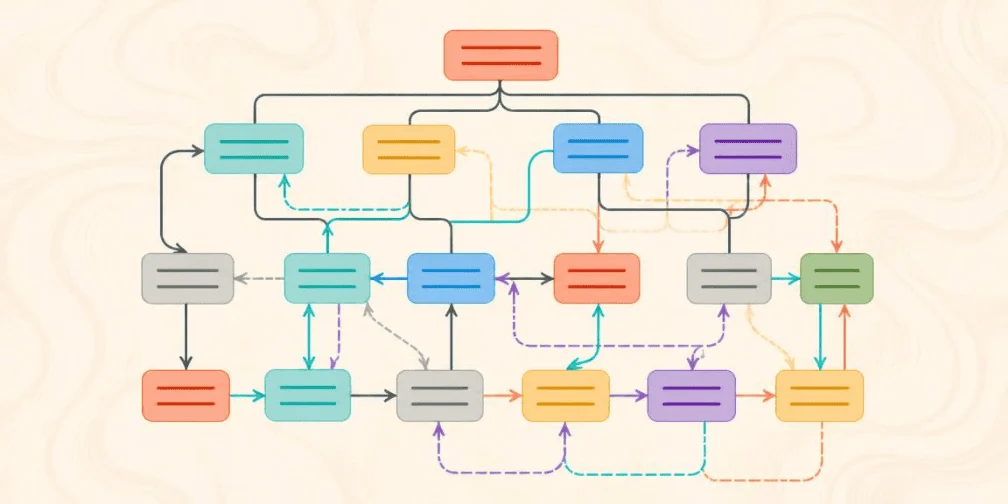
To address the lengthened sales cycle, B2B landing page expert Tas Bober has popularized the "Core Four" framework. This methodology dictates that a buyer should progress through a logical sequence of information before reaching the demo stage. This chronology includes:
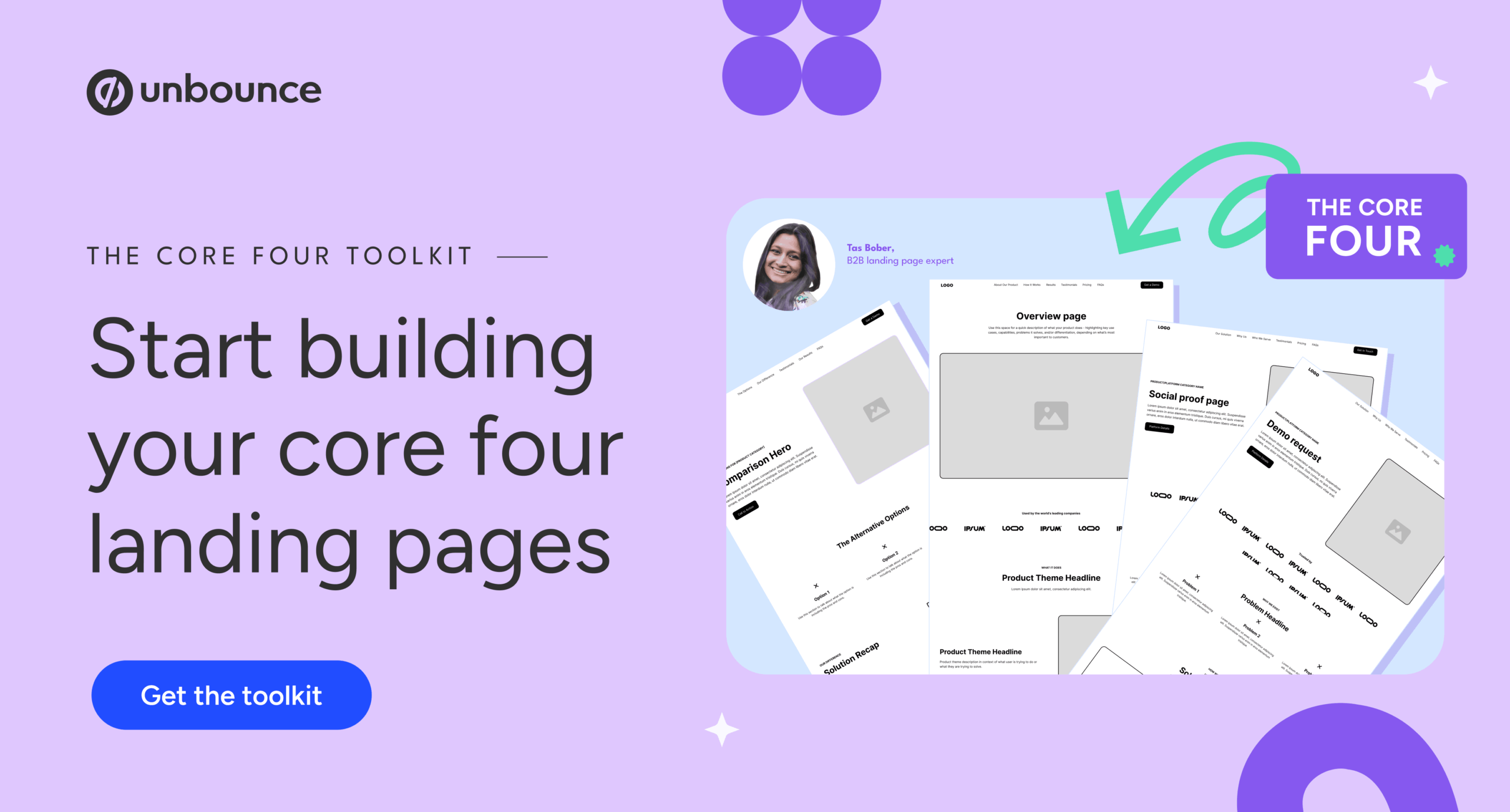
- Educational/Top-of-Funnel (TOFU) Pages: Focused on problem awareness and industry insights.
- Solution/Middle-of-Funnel (MOFU) Pages: Detailing how specific product features address identified pain points.
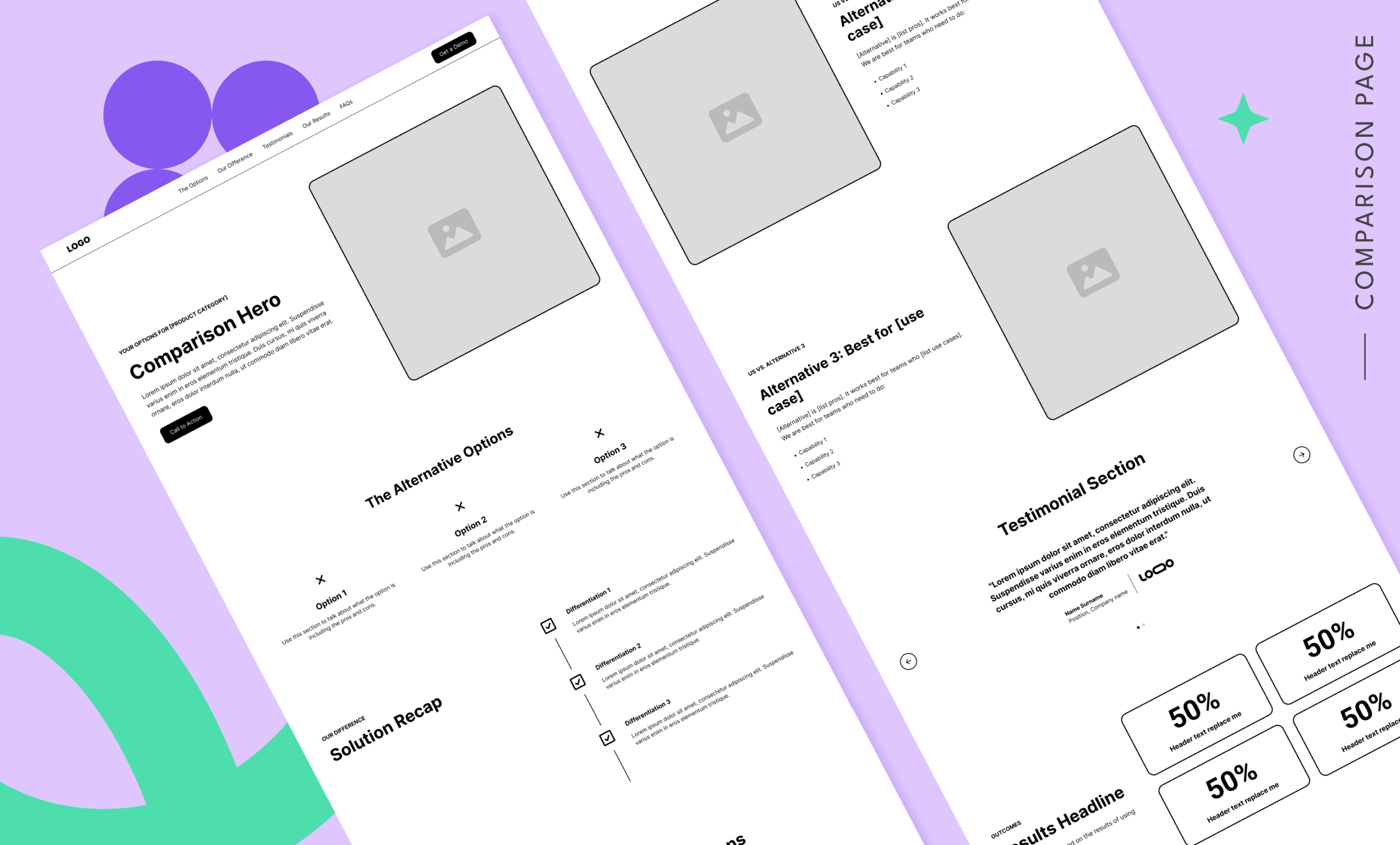
- Comparison Pages: Offering transparent evaluations against competitors to build trust.
- The Demo Landing Page: The final "hand-raise" moment where the buyer confirms the solution belongs on their shortlist.
By the time a visitor arrives at the demo page, the goal of the marketing team shifts from "introducing the product" to "confirming the decision." This strategic alignment ensures that the traffic reaching the page is already "warm," having been vetted through previous interactions with the brand’s digital ecosystem.
Performance Benchmarks and the "Positive Friction" Paradox
Data from Unbounce’s 2024 and 2025 Conversion Benchmark Reports indicates that the median conversion rate for SaaS landing pages hovers around 3.8%. However, for high-intent demo pages, first-party research from B2B specialists shows an average closer to 3.1%. While these numbers may seem low, they reflect the high-stakes nature of the request.
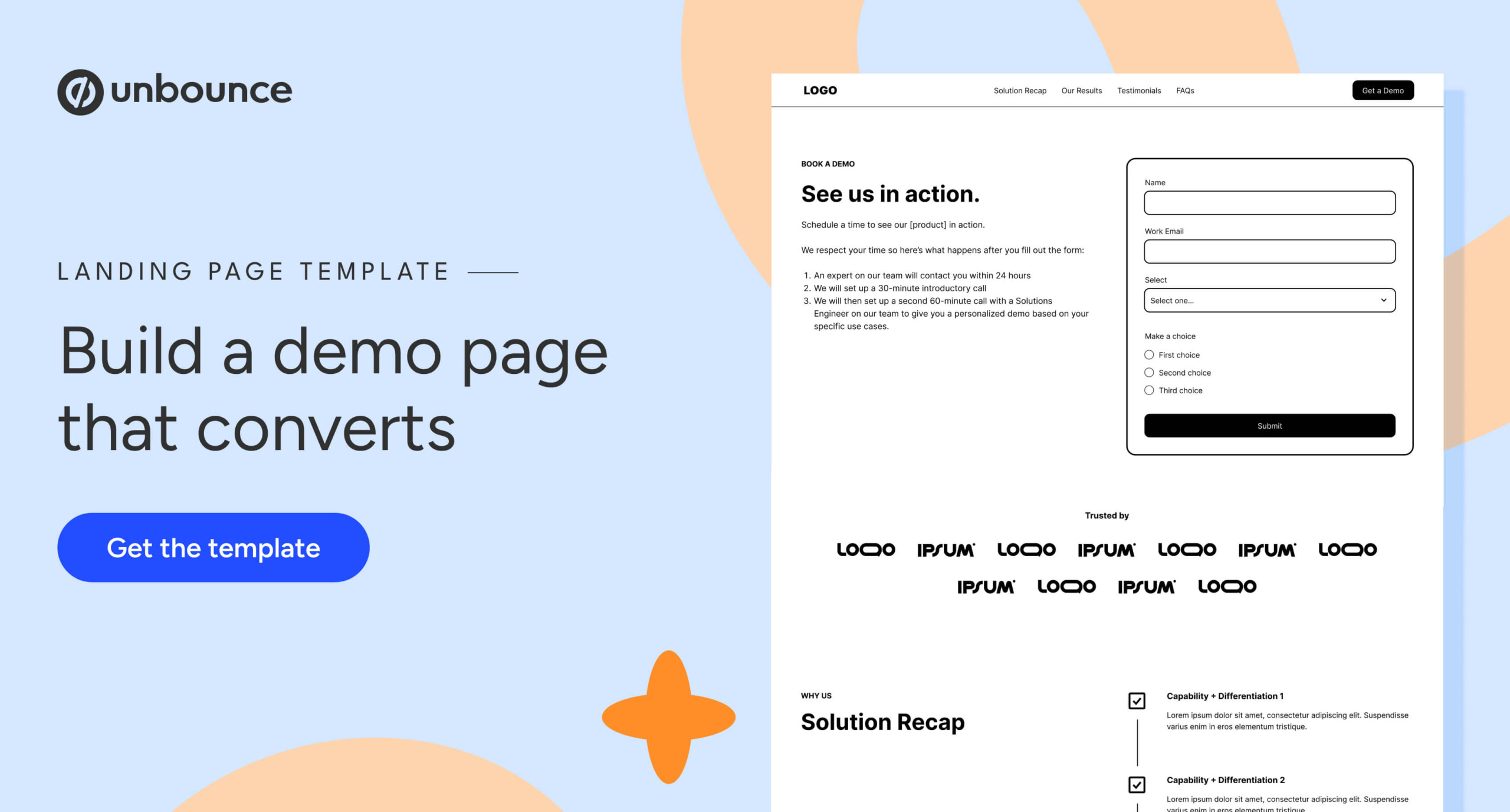
A critical discovery in 2026 conversion data is the impact of form length on lead quality. While it is common knowledge that fewer fields generally lead to higher conversion rates, the drop-off is now more quantifiable. Conversion rates typically sit at 17% for forms with five fields, but plummet to under 7% when the field count exceeds ten.
However, a new trend toward "positive friction" has emerged. Some high-growth SaaS firms are intentionally adding qualifying questions—such as company size or specific use cases—to their forms. While this may slightly lower the total number of submissions, it significantly increases the "Sales Qualified Lead" (SQL) conversion rate, ensuring that the sales team spends their time only with prospects who fit the Ideal Customer Profile (ICP).

Technical Architecture of a High-Converting Demo Page
The structural requirements for a demo page in 2026 have moved beyond aesthetic appeal toward functional transparency. Analysis of top-performing pages reveals several non-negotiable components:
Navigation and Exit Intent
Historically, landing page best practices dictated the removal of all navigation links to "trap" the user. However, a 2025 update to Google’s ad quality prediction model began rewarding pages that align with search intent by providing relevant next steps. Modern demo pages now utilize "anchor navigation," allowing users to jump to sections like "Results" or "FAQs" without leaving the page. This approach respects the buyer’s autonomy and reduces the likelihood of them returning to the search engine results page (SERP).
The "What to Expect" Hero Section
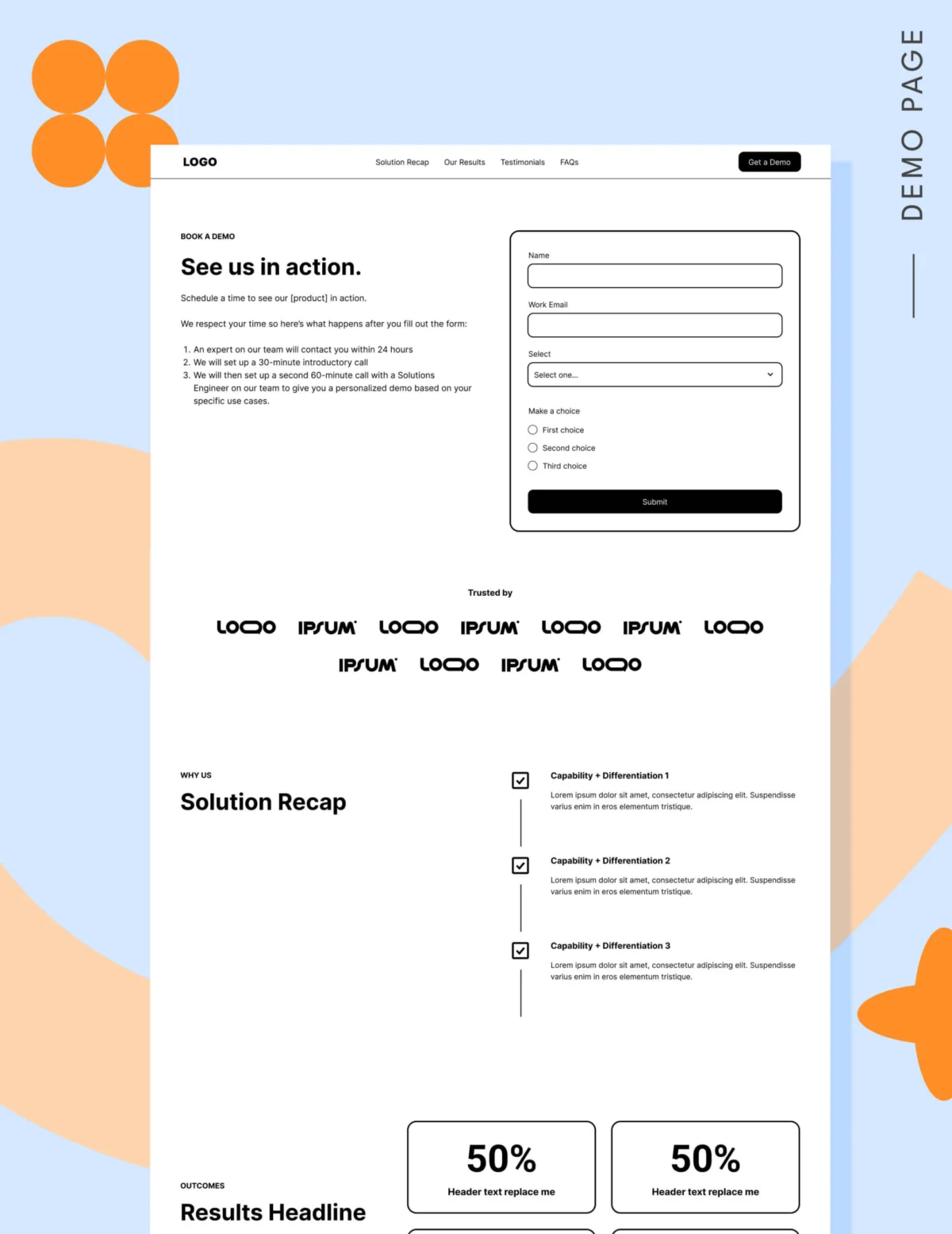
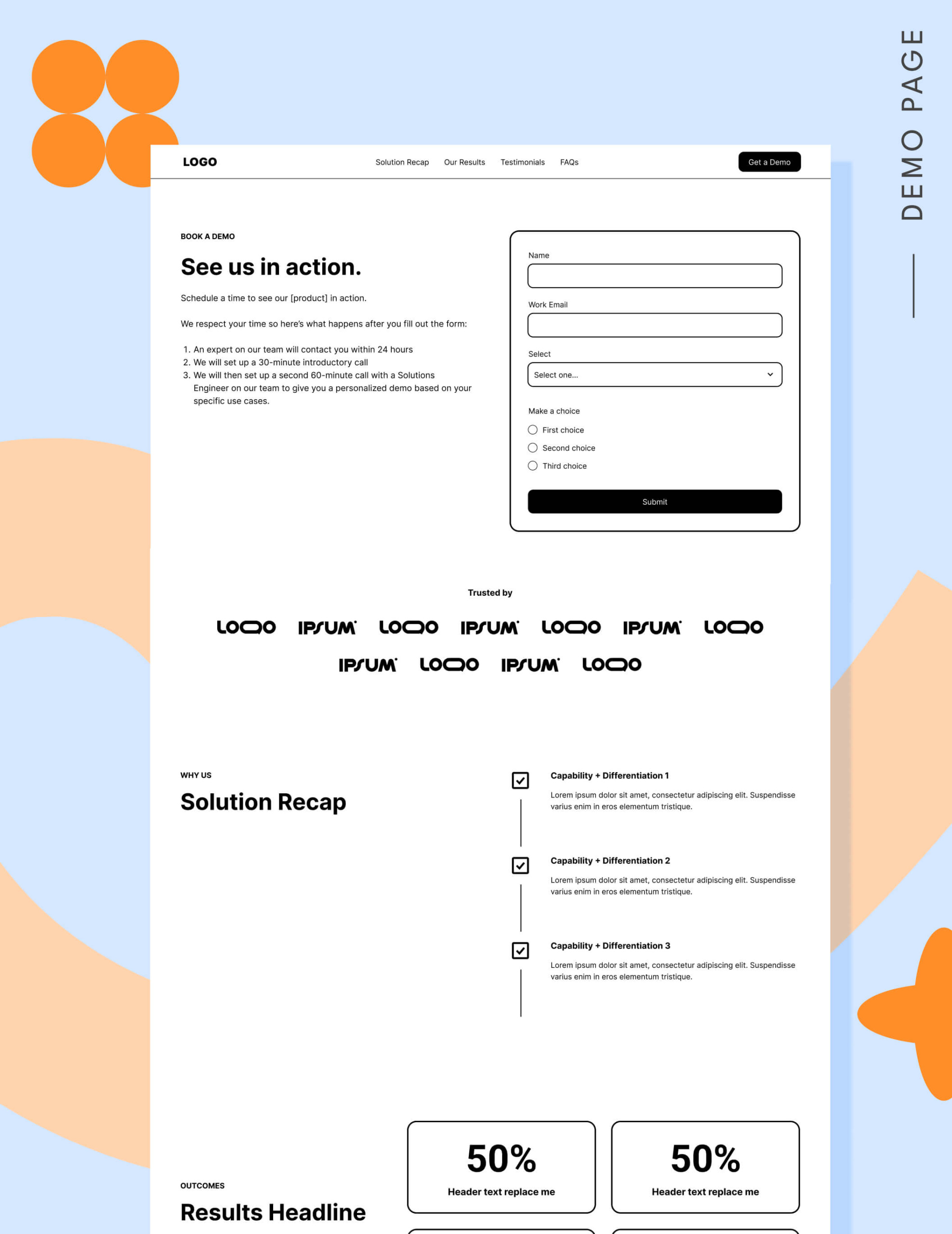
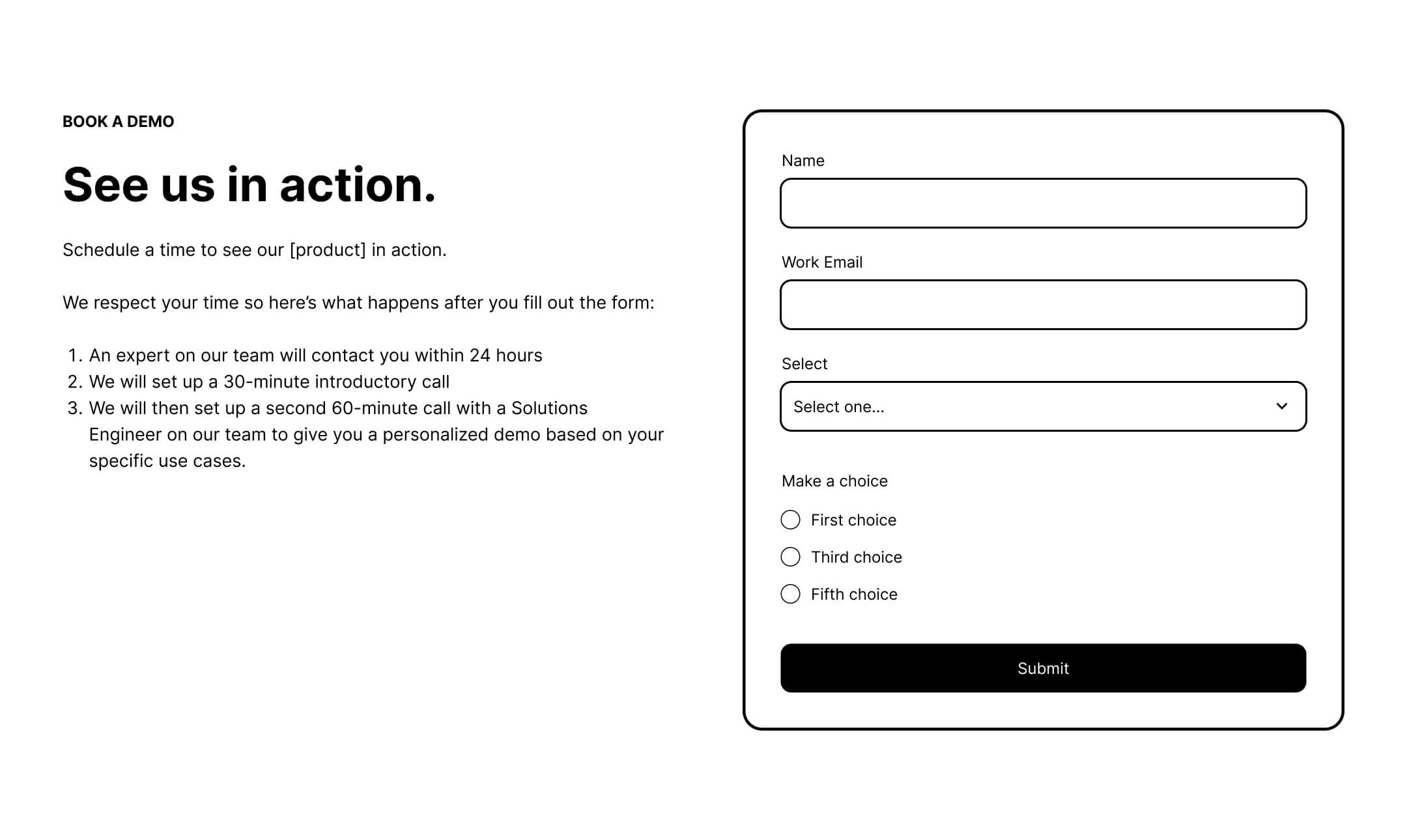
The hero section remains the most valuable real estate. Beyond a clear headline, successful pages now include a "What to Expect" breakdown. This addresses the common buyer fear that submitting a form will result in an immediate barrage of aggressive sales calls. By clarifying whether the next step is a 20-minute discovery call, a recorded tour, or a 1:1 technical deep dive, the brand removes the psychological barrier to entry.
Social Proof and the "Logo Garden"
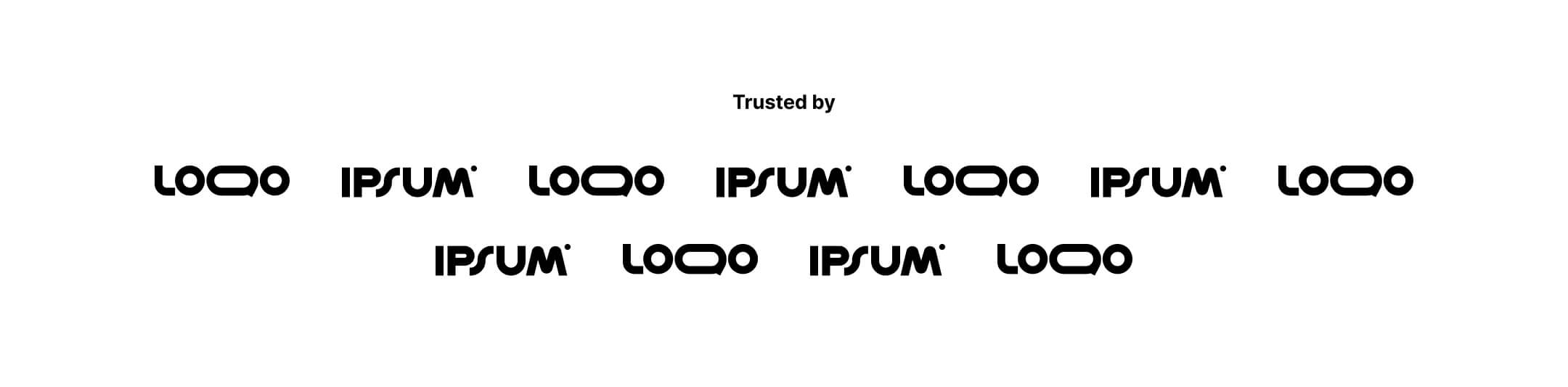
Trust is the primary currency of the B2B world. A "logo garden" featuring recognizable enterprise clients serves as a visual shorthand for credibility. However, for niche or mid-market solutions, volume often outweighs brand recognition. Expert analysis suggests that including six to twelve detailed testimonials provides the "Amazon effect"—the sense of safety that comes from knowing a large number of peers have already successfully implemented the solution.
The Pricing Transparency Debate
One of the most contentious issues in SaaS marketing remains the inclusion of pricing on a demo page. Traditionally, sales-led organizations hidden their costs to maintain leverage during negotiations. However, 2026 market sentiment shows that buyers are increasingly frustrated by "price opacity."
Including a "starting at" range or a condensed pricing grid on the demo page serves multiple functions:
- Self-Qualification: It prevents low-budget prospects from wasting sales’ time.
- Trust Building: It signals that the company is confident in its value proposition.
- Reduced Sales Friction: It removes the "price shock" from the initial discovery call, allowing the conversation to focus on value and implementation rather than cost.
Official Responses and Industry Sentiment
The shift toward high-intent, transparent demo pages has drawn reactions from across the B2B sector. Sales leaders, often at odds with marketing over lead quality, have generally praised the move toward more rigorous lead qualification.
"The era of ‘spray and pray’ marketing is over," noted one VP of Sales at a leading CRM provider. "We don’t want 1,000 leads who just wanted to see a UI; we want 100 leads who know our price point, understand our value, and are ready to discuss implementation timelines."
Conversely, some marketing directors have expressed concern regarding the "lower" conversion numbers associated with these stricter pages. The consensus emerging in 2026 is a shift in Key Performance Indicators (KPIs). Success is no longer measured by the raw number of demo requests (CPL), but by the cost per sales-qualified lead (CPSQL) and the eventual "close-won" ratio.
Broader Implications for the SaaS Ecosystem
The refinement of the SaaS demo landing page reflects a broader maturation of the digital economy. As buyers become more sophisticated and software markets more saturated, the "hard sell" is being replaced by "assisted buying."
The implications for the industry are significant:
- Increased Use of Interactive Demos: Tools like Navattic and Arcade are being integrated directly into landing pages, allowing buyers to "self-demo" before ever talking to sales.
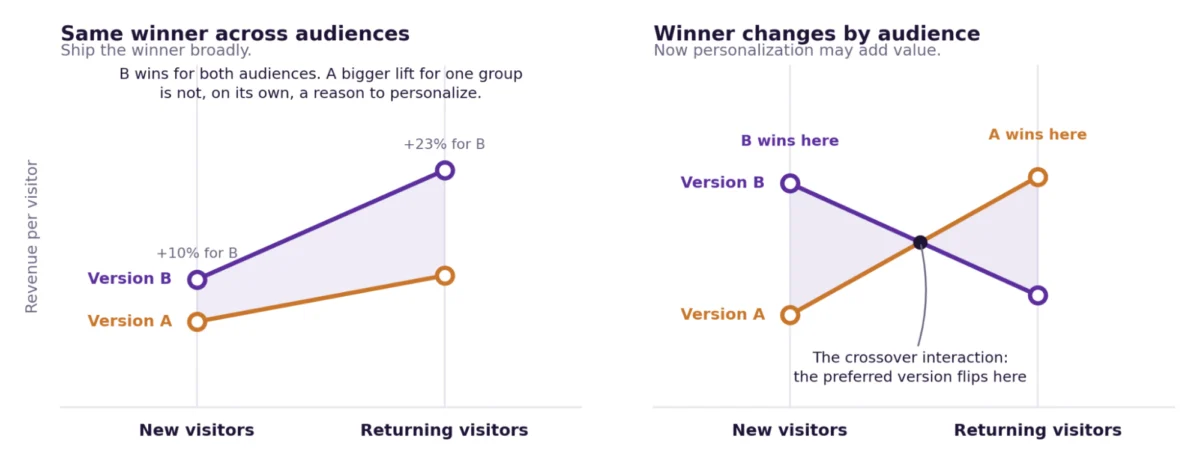
- AI-Driven Personalization: Landing pages are increasingly utilizing real-time data to swap out testimonials and case studies based on the visitor’s industry or company size.
- Alignment of Sales and Marketing: The "demo page" is becoming the neutral ground where both departments must agree on the definition of a "good lead," leading to better organizational harmony.
Ultimately, the success of a SaaS demo landing page depends on its ability to act as a bridge between marketing’s reach and sales’ depth. By focusing on traffic quality, removing psychological friction, and embracing transparency, SaaS companies can transform their most important conversion point from a source of frustration into a powerful engine for sustainable growth.