The psychological landscape of climate change advocacy is undergoing a fundamental shift as traditional messaging strategies centered on fear, guilt, and existential dread prove increasingly ineffective. For decades, climate communicators operated under the assumption that painting a sufficiently dire picture of the future would compel individuals, corporations, and governments to act. However, as global temperatures continue to rise and international climate targets slip further out of reach, a growing body of evidence suggests that "doom-and-gloom" narratives have reached a point of diminishing returns. This realization comes at a critical juncture: earlier this month, the United Nations issued a stark warning that the world has officially failed to limit global warming to the 1.5 degrees Celsius threshold established by the Paris Agreement.
Despite the escalating frequency of extreme weather events, from record-breaking heatwaves to catastrophic flooding, the collective sense of urgency appears to be waning in the public sphere. Research indicates a significant "fatigue" in climate discourse. According to data from GlobeScan, the percentage of consumers who report seeing sustainability messaging dropped from 49% in 2023 to 36% in 2025. Simultaneously, the Potential Energy Coalition found that global climate change news coverage plummeted by 38% from its peak in 2021. This "greenhushing"—a phenomenon where organizations intentionally downplay their environmental goals to avoid scrutiny or political backlash—combined with a fractured news cycle, has left climate practitioners searching for new ways to break through the noise.
The Failure of Traditional Alarmism
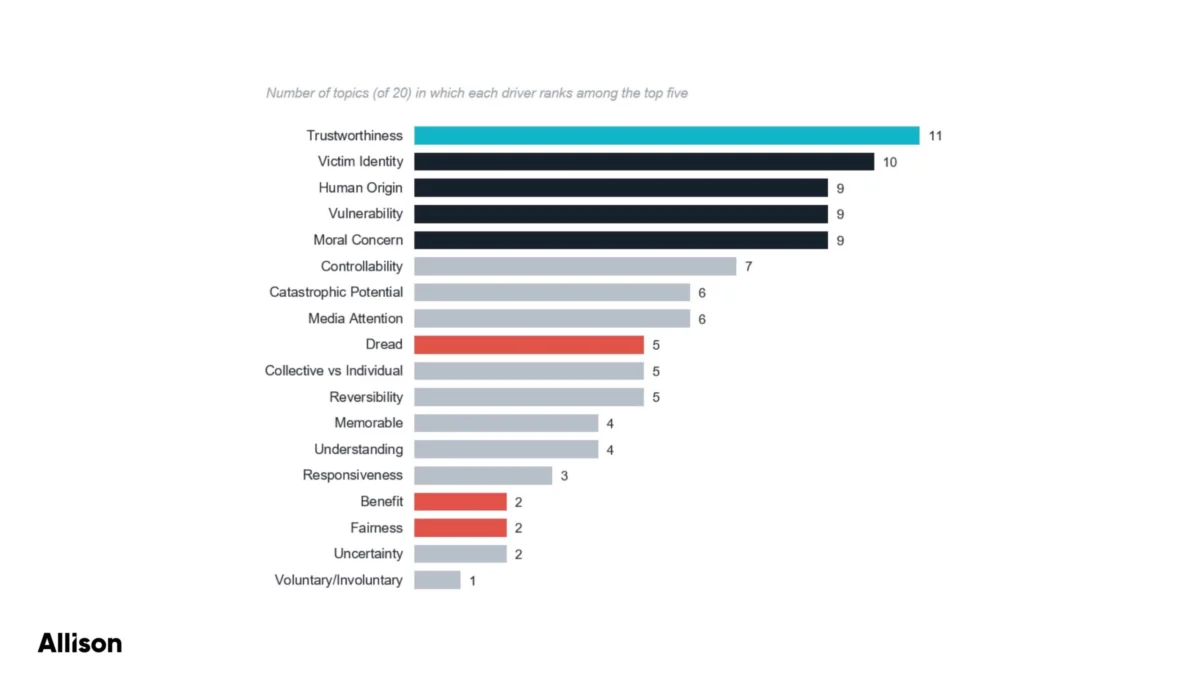
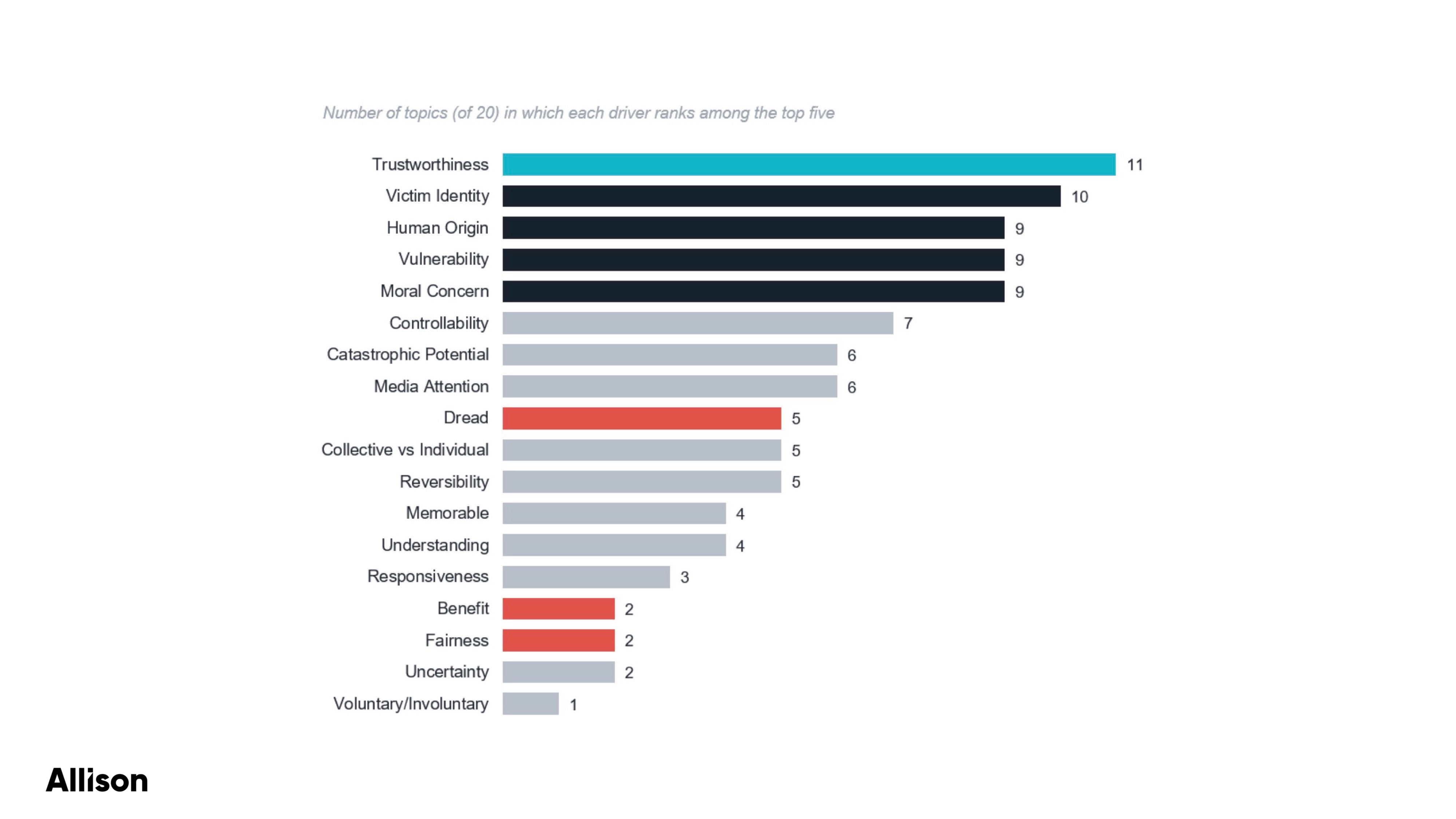
The historical reliance on dread as a primary motivator is now being scrutinized through the lens of data-driven emotional analysis. A comprehensive study conducted by the Purpose Center of Excellence at Allison Worldwide sought to identify the "holy grail" of climate communication: the specific emotional drivers that actually trigger engagement. The study analyzed approximately 75,000 pieces of content across 20 climate-related topics over an 85-day period. By layering 18 distinct emotional drivers over this data, researchers were able to quantify what moves an audience from passive awareness to active concern.
The findings were revealing. Dread, long considered the most potent tool in the activist’s arsenal, ranked only ninth out of 18 emotional drivers. Out of the 20 climate topics examined, dread was a top-five motivator in only five instances. This suggests that while scaring an audience may capture their attention momentarily, it rarely inspires sustained commitment or behavioral change. Instead, the research highlighted four alternative drivers that consistently outperformed fear: trustworthiness, victim identity, human origin, and moral concern.
The psychological mechanism behind this failure is often described as "emotional paralysis." When individuals are presented with a problem that feels insurmountable and terrifying, the brain’s defense mechanism is frequently to disengage or deny the reality of the threat to preserve mental well-being. This disconnect is exacerbated when the source of the message is perceived as untrustworthy or when the narrative fails to identify a relatable "victim" or a clear "villain."
The Paradox of Volume and Intensity
One of the most significant challenges facing modern climate communicators is the "Volume-Intensity Paradox." The Allison Worldwide analysis found a direct inverse relationship between the volume of media coverage a topic receives and its emotional intensity. Weather-related disasters, such as heatwaves, droughts, and floods, account for nearly 80% of all climate-related news coverage. However, these topics consistently rank in the bottom five for emotional intensity.
For example, during the first week of July 2026, media coverage of heatwaves surged from 150 articles per day to over 1,150. Despite this eight-fold increase in reach, the emotional intensity of the coverage remained flat, hovering in a low "numbing" band. Because weather events have become a constant fixture of the news cycle, the public has become desensitized to them. The "climate change is on your doorstep" approach, intended to bring the issue home, has instead led to a normalization of crisis.
In contrast, topics with significantly lower media visibility—such as biodiversity loss, environmental justice, and climate tipping points—recorded the highest levels of emotional intensity. Biodiversity loss, for instance, reached an emotional peak of 34 on the study’s scale, nearly triple that of heatwave coverage, despite appearing in only a fraction of the articles. This suggests that "scarcity serves to sharpen" the emotional impact. When a topic is covered less frequently but framed through the lens of human responsibility and vulnerability, it resonates more deeply with the audience.
The Role of Trust and Accountability
As trust in traditional institutions, media, and corporations continues to decline globally, the messenger has become as important as the message itself. The Allison Worldwide research underscores that for climate communication to be effective, it must be delivered by credible, non-partisan figures who can tap into "victim identity"—the ability to show exactly who is being harmed in a tangible way.
A prime example of this strategy in action is the "Science Moms" campaign. By utilizing climate scientists who are also mothers, the campaign bypassed the political polarization often associated with the topic. Their messaging did not rely on abstract data about atmospheric carbon; instead, it focused on the health and future of children. One successful advertisement noted that by the time a newborn takes her first breath, "9 billion more tons of carbon pollution will be in the air." This framing utilizes trustworthiness (the scientists), human origin (pollution), and victim identity (the child) to create a compelling moral narrative that dread alone cannot achieve.
This shift toward accountability is also reflected in the legal and regulatory landscape. The U.S. Environmental Protection Agency (EPA) has faced significant hurdles, including Supreme Court rulings that have narrowed its authority to regulate greenhouse gases. This loss of institutional power has forced a shift in focus toward grassroots movements and litigation against specific corporate entities. When the public perceives a clear link between human action (or corporate negligence) and the suffering of a specific group, the emotional engagement is significantly higher than when climate change is presented as an abstract global phenomenon.
Fairness: The Most Underutilized Emotional Lever
Perhaps the most striking finding of recent emotional analyses is the untapped potential of "fairness" as a communication tool. Fairness—encompassing themes of injustice, equity, and the disproportionate burden of climate impacts—carries the highest emotional intensity (14.6) among all drivers studied. Yet, it is currently utilized in only a tiny fraction of climate discourse.
The concept of climate justice focuses on the reality that those who have contributed the least to global emissions are often the ones suffering the most from its consequences. This includes marginalized communities in developed nations and the populations of the Global South. By shifting the narrative from "the world is ending" to "this is fundamentally unfair," communicators can tap into a deep-seated human desire for equity and justice.
Focusing on fairness allows for a more nuanced discussion about responsibility. It moves the conversation away from individual "carbon footprints"—a concept originally popularized by fossil fuel companies to shift blame onto consumers—and toward systemic accountability. When the public views climate change as a matter of moral and ethical fairness, the probability of driving collective action increases significantly.
Implications for the Future of Climate Advocacy
The implications of this research are clear: climate communicators must move away from the "disaster porn" that has dominated the last decade. To move the needle in an environment of fractured attention and rising skepticism, professionals must adopt a strategy based on three core principles:
- Prioritize Trust over Terror: Abandon the use of dread as a primary motivator. Instead, cultivate messengers who are perceived as authentic and non-partisan, focusing on building long-term institutional and personal trust.
- Focus on Specificity and Accountability: Rather than broad coverage of weather events, focus on narratives that highlight human origin and victim identity. Scarcity of coverage, when combined with high emotional intensity, is more effective than the saturation of low-intensity news.
- Leverage Fairness and Equity: Utilize the high emotional resonance of fairness. Frame climate action not as a burdensome sacrifice, but as a necessary step toward justice and the protection of vulnerable populations.
As Whitney Dailey, Managing Director of Purpose at Allison Worldwide, notes, these are not "soft" concepts but "emotional currencies" that have the power to change minds and drive behaviors. The failure of the world to meet the 1.5-degree target is a signal that the current methods of persuasion are not working.
The transition from awareness to action requires a sophisticated understanding of human psychology. While the physical reality of climate change is dictated by carbon parts per million and Celsius gradients, the social reality is governed by emotion. By deploying the right emotional drivers—trustworthiness, accountability, and fairness—the climate movement may finally find the momentum necessary to implement substantive decarbonization and protect the planet for future generations. The research has provided the roadmap; the next step is for the global community of communicators to follow it.