October 2026 presents a rich tapestry of opportunities for e-commerce content marketers, offering avenues to explore themes ranging from beloved literary anniversaries and festive traditions to the evolving landscape of artificial intelligence and the enduring power of corporate heritage. The core principle of content marketing, fostering reciprocity by providing value before seeking engagement, remains paramount. By offering useful, informative, or entertaining content, merchants can build trust and cultivate lasting customer relationships. This article outlines five strategic content marketing ideas poised to capture attention and drive engagement throughout October 2026, leveraging topical relevance and audience interest.
Pooh at 100: A Centennial Celebration of Childhood and Commerce
October 14, 1926, marks a pivotal moment in literary history with the United States and Britain’s first encounter with A.A. Milne’s "Winnie-the-Pooh." A century later, the gentle bear from the Hundred Acre Wood continues to hold a cherished place in the hearts of generations, cementing his status as an enduring icon of children’s literature and popular culture. Publishers are already gearing up for this significant centennial, with new editions, commemorative releases, and expanded merchandise lines anticipated.
This centenary offers a unique and broad cultural content opportunity for e-commerce merchants across various sectors. While booksellers and toy retailers have a direct connection, the universal themes embedded in the Winnie-the-Pooh stories – childhood innocence, the enduring nature of friendship, the appreciation of the natural world, the joy of reading, and even the simple pleasure of a honey pot – can inspire creative content marketing campaigns.
For booksellers, the anniversary can be a catalyst for curated collections of Winnie-the-Pooh books, limited edition anniversary editions, and companion guides exploring Milne’s life and work. Toy retailers can leverage the occasion to showcase their range of Pooh-themed plush toys, play sets, and educational toys that foster imaginative play, echoing the spirit of Christopher Robin and his friends.
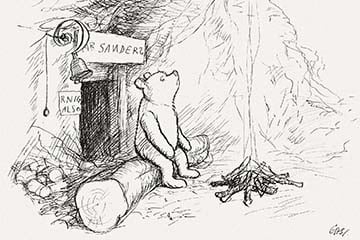
Beyond traditional merchandise, the themes can be woven into broader lifestyle content. For instance, home goods retailers could create content around creating cozy reading nooks inspired by the Hundred Acre Wood, featuring soft furnishings, comforting décor, and children’s bedding. Food and beverage companies might explore honey-infused recipes, perhaps drawing inspiration from Pooh’s insatiable love for the sweet treat, or developing limited-edition "hunny" jars and snacks.
Apparel brands could design collections that subtly reference Pooh characters or the whimsical aesthetic of the stories, focusing on comfort, playfulness, and nostalgia. Think soft, earth-toned children’s wear featuring embroidered bees or subtle honey pot motifs, or adult loungewear that evokes the comforting familiarity of childhood.
Even businesses outside these direct categories can find creative angles. Financial institutions might explore themes of saving and planning, drawing parallels to Pooh’s simple needs and the importance of foresight. Technology companies could touch upon the value of human connection and imagination in an increasingly digital world, using Pooh’s adventures as a metaphor for exploration and discovery.
The centennial provides a fertile ground for storytelling, allowing brands to connect with audiences on an emotional level, evoking warm memories and fostering a sense of shared cultural heritage. Content could include blog posts detailing the history of the characters, social media campaigns sharing fan art and personal Pooh memories, or even interactive quizzes testing knowledge of the Hundred Acre Wood. The enduring appeal of Winnie-the-Pooh ensures that this anniversary will resonate with a broad demographic, making it a strategic opportunity for engagement and sales.
Halloween UGC: Harnessing the Power of Authentic Customer Voices
As the leaves turn and the nights draw in, Halloween 2026 offers a prime opportunity for e-commerce marketers to blend seasonal retail with the potent influence of user-generated content (UGC). The Halloween economy in the United States alone is projected to surpass $13 billion, with significant contributions not only from candy and costumes but also from decorations, entertainment, and the rapidly growing pet segment. This festive season provides a natural impetus for consumers to create and share content related to their celebrations.
In an era where generative artificial intelligence (AI) can produce polished, abundant content at a low cost, the value of authentic human experiences becomes even more pronounced. While AI can generate visually appealing imagery and persuasive text, it cannot replicate the genuine endorsement that comes from real people using and loving a product. UGC, in the form of customer photographs, videos, reviews, and social media posts, provides the undeniable proof of product satisfaction that synthetic content often lacks.
The distinction between AI-generated and human-created content is increasingly recognized by social media platforms. Pinterest has implemented labels for AI-generated images and offers users the ability to filter them out in certain categories. Similarly, TikTok and Meta have introduced measures to identify and label AI-generated or manipulated media, reflecting a growing consumer demand for transparency and authenticity.
For e-commerce businesses, October presents a perfect window to actively solicit and showcase UGC. An online retailer could launch a campaign encouraging customers to submit photos and videos of their Halloween costumes featuring the store’s apparel, their spooky home decorations purchased from the site, their creative Halloween recipes using the store’s ingredients, or even adorable pictures of their pets in festive attire.
Consider a kitchenware merchant: they could invite customers to share images of their most terrifyingly delicious cakes, cookies, or themed appetizers prepared with their tools. An apparel seller could highlight customer-created Halloween costumes, showcasing the versatility and style of their clothing. A pet supply store might run a "Pets in Costume" contest, encouraging shoppers to share photos of their dogs, cats, or other furry companions decked out in Halloween finery.
The most compelling UGC can be repurposed into a variety of marketing assets. These submissions can form the basis of engaging blog posts, captivating social media updates, informative email newsletters, or even visually rich galleries on product pages, enhancing credibility and social proof. Furthermore, a well-executed Halloween UGC contest can generate significant buzz, foster community, and drive traffic to the website, all while celebrating the creativity of the customer base. This approach not only provides valuable marketing material but also strengthens brand loyalty by making customers feel seen, appreciated, and involved in the brand’s narrative.

AI vs. Expert: Navigating Seasonal Chores with Enhanced Clarity
October’s arrival signals a period of significant seasonal transition, prompting individuals to undertake a variety of preparatory tasks. Homeowners often focus on winterizing their residences, mechanics prepare vehicles for colder climates, and gardeners store away summer equipment. Concurrently, families begin planning for upcoming holiday meals, and individuals retrieve warmer clothing from storage. These seasonal chores present a wealth of content opportunities for e-commerce marketers, particularly in the context of the burgeoning capabilities of artificial intelligence.
A compelling content strategy for October involves a direct comparison between AI-generated advice and expert human insight, particularly concerning products relevant to a business’s offerings. Marketers can pose common seasonal questions to leading AI assistants such as ChatGPT, Claude, or Gemini. Subsequently, they can solicit commentary from human experts in the relevant field to review, validate, or correct the AI’s recommendations. This approach allows for the identification of where AI excels and where human expertise remains indispensable, often demonstrating a superior or more nuanced approach to a task.
For example, a hardware or home improvement retailer could ask an AI for instructions on preparing a home for winter. The AI might provide a generic list of tasks. A human expert, such as a seasoned contractor or a home maintenance blogger, could then evaluate this list, pointing out potential omissions, offering more specific advice on insulation techniques, recommending particular types of sealants for draft-proofing, or highlighting the importance of regional climate considerations that an AI might overlook. The content could then present the AI’s advice alongside the expert’s refined guidance, perhaps with a step-by-step demonstration video of the expert executing the task.
An automotive parts retailer could explore how AI suggests preparing a vehicle for winter. The AI might recommend checking tire pressure, topping up antifreeze, and inspecting the battery. An experienced mechanic could then add crucial details, such as the specific type of winter tire tread recommended for local conditions, the precise antifreeze-to-water ratio for optimal performance in freezing temperatures, or diagnostic tips for identifying a weakening battery before it fails. This comparative content can be highly educational and build trust with customers seeking reliable advice.
Outdoor equipment or sporting goods stores might investigate AI recommendations for storing summer equipment. An AI might suggest cleaning and lubricating bicycles or power washers. A professional outdoor gear specialist could elaborate on specific cleaning agents, types of lubricants, the importance of proper tire deflation for long-term storage, and best practices for preventing rust or corrosion on metal components.

The "AI vs. Expert" format offers several advantages. It educates consumers by demystifying complex tasks and highlighting the strengths of both artificial intelligence and human knowledge. It positions the brand as a source of authoritative information, capable of navigating the evolving technological landscape while valuing practical, real-world experience. Furthermore, it can drive traffic by addressing common consumer pain points and providing actionable solutions, ultimately reinforcing the value proposition of the products and services the business offers. This content format is particularly effective for building authority and fostering a deeper connection with an audience seeking credible guidance.
Archives Month: Unearthing Brand Heritage for Modern Relevance
October is officially recognized as American Archives Month, an initiative dedicated to raising public awareness about the historical significance of archives and the vital work of archivists in preserving our collective memory. For e-commerce businesses, particularly those with a history of operation, this observance presents a valuable opportunity to delve into their own past and transform archival materials into compelling modern content.
Businesses can unearth a treasure trove of historical assets that offer unique storytelling potential. These materials might include vintage product catalogs, early photographs of the company or its products, historical advertisements, original packaging designs, past newsletters or internal communications, and even retired product lines that evoke nostalgia. These elements can be meticulously curated and reimagined as engaging articles, captivating videos, and shareable social media posts.
A long-standing apparel retailer, for instance, could leverage its archives to create content tracing the evolution of fashion trends over decades, showcasing how its own product lines have adapted and endured. This could take the form of "Then and Now" visual comparisons, blog posts detailing the cultural context of past fashion eras, or social media campaigns featuring iconic pieces from the company’s history. Such content not only highlights the brand’s longevity but also demonstrates its understanding of style and its ability to remain relevant through changing times.
A gardening supply merchant might compare contemporary gardening tools and techniques with those available 10 or 20 years ago, drawing from old catalogs and product manuals. This could lead to articles exploring the advancements in materials, design, and efficiency, or videos demonstrating how older tools were used and how modern equivalents offer improvements. This type of content appeals to both seasoned gardeners interested in history and newer enthusiasts seeking to understand the development of their hobby.
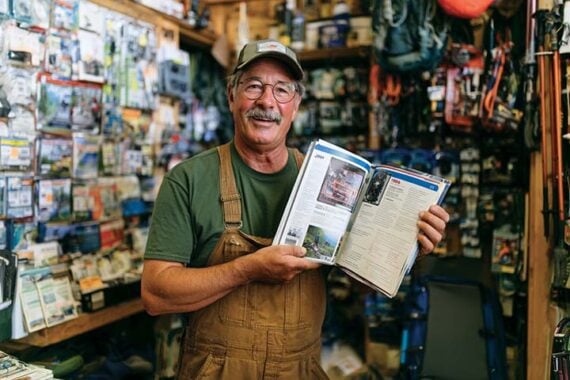
For businesses that are relatively new but operate within established industries, their "archive" might consist of industry-specific products and historical developments. A kitchen supply shop, for example, could explore the fascinating evolution of cast iron skillets, tracing their origins, the introduction of different manufacturing techniques, and their enduring popularity. This narrative could be presented through infographics, historical timelines, or detailed product spotlights that connect past craftsmanship with present-day quality.
The act of exploring and sharing a company’s archives serves multiple strategic purposes. It humanizes the brand by revealing its origins, its challenges, and its successes. It builds a narrative of experience and expertise, suggesting a depth of knowledge and a commitment to quality that transcends fleeting trends. Furthermore, it can tap into consumer nostalgia, creating an emotional connection with audiences who appreciate heritage and authenticity. Content derived from archives can also be optimized for search engines, as historical information often attracts long-tail keywords and demonstrates topical authority. By embracing American Archives Month, e-commerce businesses can unearth forgotten stories and present them in fresh, engaging ways, reinforcing their brand identity and resonating with customers on a deeper level.
News Hooks: Capitalizing on Timely Conversations for Engagement
In the dynamic world of e-commerce content marketing, leveraging timely news hooks is an indispensable strategy for capturing audience attention, fostering engagement, and ultimately driving customer retention. The ability to swiftly and intelligently connect a brand’s narrative or product offering to emerging or ongoing public conversations can significantly amplify marketing efforts. While the specific news cycles of October 2026 remain unpredictable, content marketers can establish robust monitoring systems and prepare agile response strategies to capitalize on opportune moments.
A prime example of a successful news hook strategy can be seen in the context of technological discourse. Consider a statement made by a prominent public figure, such as Elon Musk, on a platform like X (formerly Twitter), regarding the rapid advancements in artificial intelligence. For instance, if Musk were to state, "AI will be able to do anything digital (that doesn’t require shaping atoms) at a superhuman level by the end of next year," this assertion immediately creates a ripple of discussion and speculation.
A science fiction merchandise retailer, or a retailer whose products are associated with innovation and futuristic themes, could expertly capitalize on such a statement. Instead of simply reporting Musk’s words, the retailer could craft an article or social media post that draws a direct line between his prediction and the long-held visions of science fiction writers. The content could explore how classic and contemporary science fiction literature has consistently explored themes of artificial intelligence achieving or surpassing human capabilities in digital domains. This approach provides context, adds intellectual depth, and connects a current, trending topic to the retailer’s niche. The article might be titled, "Science Fiction Saw Musk’s AI Future Coming: Exploring the Literary Roots of Superhuman AI."

The effectiveness of this strategy lies in its ability to link a brand to a conversation that is already generating significant interest. It allows the brand to participate in a larger cultural dialogue, positioning itself as knowledgeable and insightful. The key is to identify a genuine and relevant connection. For a technology-focused retailer, this might involve discussing how AI advancements impact their product development or customer experience. For a different type of business, the connection might be more abstract, focusing on the broader societal implications of AI or drawing parallels to themes of innovation, progress, or even the human element in the face of automation.
Ecommerce content marketers cannot predict precisely which stories will break in October 2026. However, they can cultivate a proactive approach. This involves diligently monitoring news outlets, following key industry influencers and public figures, and staying abreast of trending cultural topics that resonate with their target audience. When a significant news event or statement emerges that has a discernible link to the brand’s products, services, or values, the ability to react quickly and thoughtfully is paramount. This might involve developing blog posts, creating short-form video content, designing engaging infographics, or launching targeted social media campaigns. By being prepared to harness these news hooks, e-commerce businesses can effectively attract, engage, and retain customers by demonstrating their relevance and offering valuable perspectives on the topics that matter most to their audience. The strategic integration of current events into content marketing allows brands to remain agile, topical, and deeply connected with their customer base throughout the evolving landscape of digital engagement.