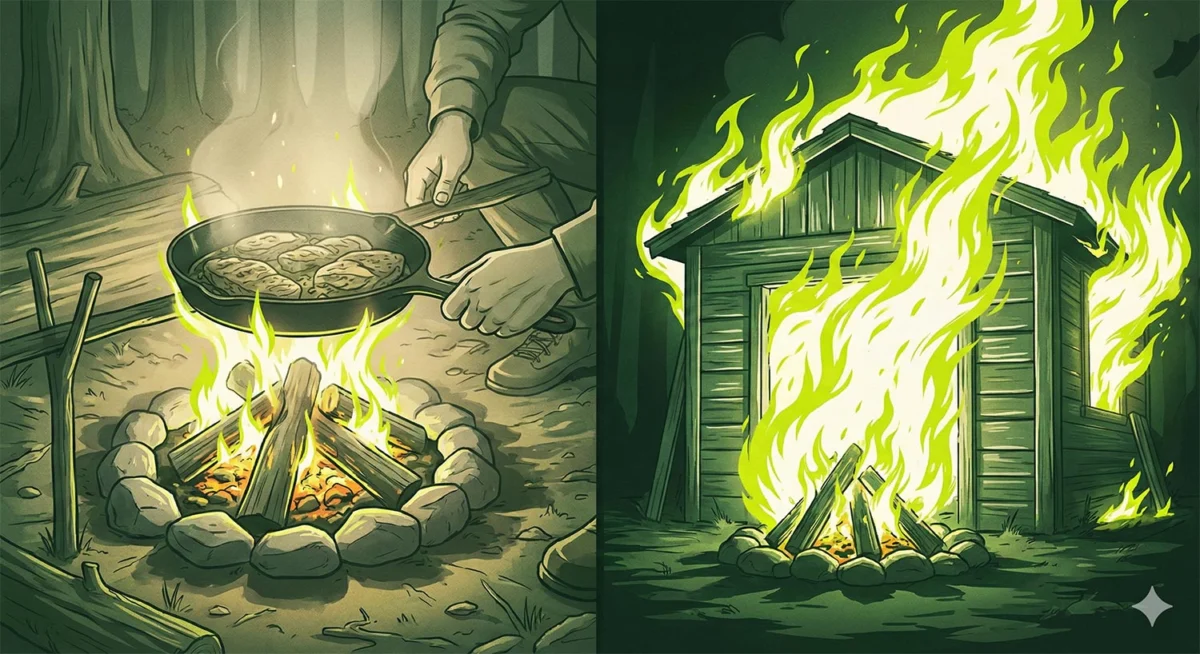
The acquisition of a Customer Relationship Management (CRM) system, a cornerstone of modern business operations, frequently devolves into a convoluted and inefficient process. What begins as a strategic imperative to enhance customer engagement often veers off course due to disparate departmental demands, escalating costs, and a fundamental lack of consensus. Sales teams clamor for streamlined pipeline automation, IT departments insist on specific deployment models, marketing requires robust native email functionalities, and finance scrutinizes every line item for a clear return on investment (ROI). By the time procurement enters the fray, organizations are often juggling multiple vendor pitches, conflicting internal opinions, and a palpable absence of alignment. This chaotic scenario underscores the critical need for a structured approach, with a CRM Request for Proposal (RFP) emerging as the definitive mechanism to harmonize internal expectations and objectively evaluate potential solutions before any significant commitment is made.
A CRM RFP serves as a formal procurement document designed to meticulously outline an organization’s specific requirements for a CRM system. It extends an invitation to qualified vendors to submit structured responses, thereby transforming vague internal desires – such as "we need a better CRM" – into a documented, comparable, and ultimately defensible evaluation framework. This process ensures that evaluation criteria are established and agreed upon by all stakeholders before vendors present their offerings, fostering an objective and aligned selection.
Why a Formal RFP? Beyond the Demo’s Glimmer
While a quick demonstration of a CRM platform might suffice for a small team with straightforward needs, the inherent complexities of modern business necessitate a formal RFP in several key scenarios. The value of a CRM RFP is not merely in the document itself but in the rigorous, collaborative process it mandates. Drafting an RFP compels internal teams – sales, marketing, service, IT, finance, legal, and executive leadership – to achieve alignment on requirements. This pre-vendor engagement alignment is paramount, making the eventual decision transparent, justifiable to leadership, and, critically, acceptable to the teams who will rely on the system daily.
Vendor demonstrations, by their very nature, are meticulously crafted to showcase a product’s strengths, often obscuring potential weaknesses or mismatches with an organization’s specific use cases. An RFP flips this dynamic, forcing vendors to respond directly to the buyer’s defined needs, rather than presenting a generalized, polished narrative. This structured approach yields several advantages:
- Objective Comparison: Standardized response formats allow for true apples-to-apples comparisons across different vendors.
- Discovery of Gaps: The process uncovers areas where vendor solutions might not fully meet requirements, prompting deeper inquiry.
- Reduced Bias: By focusing on pre-defined criteria, the influence of compelling sales pitches or prior vendor relationships is significantly diminished.
- Comprehensive Understanding: RFPs elicit detailed responses on everything from technical architecture and security to implementation methodologies and ongoing support, areas often overlooked in initial demos.
The CRM market, valued at over $60 billion in 2023 and projected to grow substantially, reflects the increasing reliance of businesses on these platforms. However, industry reports, such as those from Gartner, consistently highlight that a significant percentage of IT projects, including CRM implementations, either fail to meet objectives, exceed budgets, or are delivered late. Poor requirement definition and stakeholder misalignment are frequently cited as primary contributors to these challenges, reinforcing the strategic importance of a well-executed RFP.
Anatomy of a Comprehensive CRM RFP
A robust CRM RFP is not a mere checklist; it’s a strategic document composed of several critical sections, each designed to elicit specific information and drive clarity.
-
Executive Summary and Business Objectives: This section, often the first point of contact for vendors, must articulate the overarching strategic goals. It should clearly state the company’s motivation for seeking a new CRM, defining measurable objectives. For instance, instead of "improve sales productivity," a strong objective would be "reduce average sales cycle by 15% within six months of go-live and increase lead conversion rates by 10%." This specificity guides vendor responses and forms the foundation for success measurement.
-
Company Background and Stakeholders: Providing vendors with adequate context about the organization’s size, industry, market position, current challenges, and strategic vision enables them to tailor their proposals meaningfully. Crucially, listing key stakeholders and their roles (e.g., via a RACI matrix) clarifies decision-making authority and interaction points, helping vendors calibrate their engagement.
-
Project Scope and Assumptions: This section is vital for preventing post-contract surprises and managing expectations. It meticulously defines what is included within the project’s purview (e.g., specific departments, user count, geographic regions) and what falls outside it. Clear assumptions (e.g., availability of internal resources, existing infrastructure) mitigate future disputes.
-
Functional Requirements: Often the longest and most detailed section, functional requirements specify what the CRM must do. These encompass workflows, automations, reporting capabilities, and user experience elements crucial to daily operations. Organizing these by module (e.g., sales force automation, marketing automation, customer service) or user group (e.g., sales reps, marketing managers, support agents) is recommended. A requirements table, categorizing each item as a "Must Have," "Should Have," or "Nice to Have" (MoSCoW method), with space for vendor responses, facilitates structured comparison. Additionally, including workflow-specific scenarios (e.g., "Describe how your platform automates follow-up for a lead that has engaged with email but not clicked a CTA") can reveal actual product behavior beyond simple yes/no answers.
-
Technical Requirements and Architecture: For IT and systems teams, this section is paramount. It addresses critical infrastructure considerations, including hosting options (cloud, on-premise, hybrid), scalability, performance benchmarks, data residency requirements, and adherence to specific technology standards. Detailed questions about API capabilities (REST, SOAP, GraphQL), data models, and customization frameworks are essential.
-
Integration Requirements: Many CRM projects falter due to inadequate integration planning. This section must go beyond simply listing existing systems (e.g., ERP, marketing automation, e-commerce platform). For each integration, specify the data objects to be exchanged, the direction of data flow (unidirectional, bidirectional), sync frequency, error handling, and monitoring capabilities. A robust integration strategy is crucial for a unified customer view and seamless operations.

-
Data Migration and Data Quality Requirements: Often underestimated, data migration is a high-risk component of any CRM implementation. Poor data quality, as highlighted by studies from organizations like Gartner, can cost businesses millions annually. This section requires vendors to detail their proposed migration methodology, tools, data cleansing processes, and strategies for maintaining data quality post-migration. Requesting sample migration plans and references from customers who migrated from similar legacy systems can provide invaluable insights.
-
Security, Privacy, and Compliance: In an era of heightened data sensitivity and stringent regulations (e.g., GDPR, CCPA, HIPAA), this section is non-negotiable. It demands detailed information on data encryption, access controls, incident response protocols, data retention policies, and compliance certifications (e.g., SOC 2 Type II, ISO 27001). Legal and procurement teams will heavily scrutinize these responses.
-
AI Capabilities and Governance: The proliferation of artificial intelligence in CRM necessitates a dedicated section. Beyond simply asking about AI features (e.g., predictive analytics, conversational AI, intelligent automation), organizations must inquire about AI governance. This includes vendor policies on data usage for AI training, explainability of AI models, auditability, ethical guidelines, and controls to prevent bias or misuse.
-
Services, Training, and Adoption: Technology adoption is as critical as technology itself. McKinsey research consistently points to change management gaps as a leading cause of large-scale IT project failures. This section should detail expectations for implementation services, user training programs, post-go-live support, and vendor approaches to driving user adoption.
-
Pricing and Commercials: CRM pricing models are notoriously complex. To ensure fair comparison, the RFP must demand a standardized pricing template. This should cover per-seat or per-contact licensing, costs for all required modules and add-ons, estimated implementation and onboarding fees, year-over-year pricing for a defined period (e.g., three years), and different support tiers. Transparency here is key to understanding the total cost of ownership (TCO).
-
Vendor Response Instructions and Timelines: Clear instructions on format, submission methods, and specific content requirements are essential for receiving comparable responses. A well-defined timeline, including dates for RFP issuance, vendor questions, answer distribution, proposal submission, shortlisting, demos, reference checks, and final decision, ensures the process stays on track. A typical CRM RFP process might span 10-12 weeks from issuance to contract execution.
The Journey from Requirements to Decision
The process of writing a CRM RFP is fundamentally about building consensus and clarity. It typically unfolds in distinct phases:
- Phase 1: Internal Alignment and Requirement Definition: This begins with intensive stakeholder engagement to define overarching business goals, specific use cases, and measurable success criteria. Structured discovery sessions with each department are crucial to establish a shared vocabulary and prioritize needs using frameworks like MoSCoW. These goals are then meticulously translated into detailed functional, technical, and integration requirements. Mapping existing integrations and defining data flow diagrams is a critical step, ensuring the new CRM integrates seamlessly into the broader tech ecosystem.
- Phase 2: Vendor Engagement and Evaluation: Once the RFP is drafted and internally approved, it is distributed to a carefully selected shortlist of three to five vendors. This number provides sufficient competition without overwhelming the evaluation team. Upon receiving proposals, a structured scoring matrix is employed. This matrix assigns weights to different categories (e.g., functional fit: 25-35%; technical architecture: 10-15%; security: 10-15%; pricing: 10-20%), allowing evaluators to score vendor responses on a consistent scale (e.g., 1-5). This weighted scoring separates subjective preferences from objective fit.
- Phase 3: Objective Scoring and Shortlisting: After initial scoring, the field is narrowed to two or three vendors for scripted demonstrations. These demos are critical: vendors are provided with specific scenarios (e.g., "Show how a marketing-qualified lead is handed off to sales, and how a sales rep logs activity and updates the opportunity stage") rather than free-form product tours. This ensures an apples-to-apples comparison of how each solution addresses the organization’s unique workflows. For high-stakes deployments, a paid Proof of Concept (POC) – a time-boxed pilot with real data and users – can significantly de-risk the implementation by validating the solution in a live environment.
Mitigating Risks: Bias, Legalities, and Change Management
The human element often poses the greatest challenge in CRM procurement. Preventing vendor bias, which can arise from prior experience or persuasive sales tactics, requires a disciplined approach. Strategies include establishing objective scoring criteria before reviewing proposals, maintaining strict confidentiality of vendor responses, and ensuring a diverse evaluation committee to balance perspectives.
Early engagement with legal and procurement teams is another critical, yet often overlooked, success factor. Involving legal counsel during the RFP drafting stage (particularly for security, privacy, and compliance sections) can prevent late-stage contractual surprises. Procurement should be involved when the project exceeds defined financial thresholds, ensuring adherence to organizational purchasing policies and maximizing negotiation leverage.
Finally, change management must be embedded from the outset. Rather than treating it as a post-implementation afterthought, the RFP itself should include questions about vendors’ adoption strategies and resources. Internally, identifying "change champions" within each affected department to participate in the evaluation process fosters ownership and advocacy, proving far more effective than top-down mandates in driving user adoption.
Beyond the Signature: Ensuring Implementation Success
The selection of a CRM vendor marks the beginning, not the end, of the journey. Post-selection, meticulous planning is required to translate the proposal into a successful implementation.
- Statement of Work (SOW) and Success Plan: Before signing the final contract, a detailed SOW must be crafted. This document should precisely map to the RFP’s scope and requirements, defining deliverables, timelines, roles and responsibilities, and acceptance criteria. Simultaneously, a success plan outlining key performance indicators (KPIs) and milestones for the first 90-180 days post-go-live should be established, linking directly back to the initial business objectives.
- Implementation Readiness and Data Preparation: The most common cause of implementation delays is often poor data readiness. Organizations must dedicate resources to auditing, cleansing, de-duplicating, and standardizing existing customer data before migration. This includes defining data ownership, establishing data governance policies, and conducting thorough testing of migration processes.
- Early Wins and Value Realization: To maintain organizational momentum and demonstrate tangible value, it is crucial to plan for "early wins" within the initial months. These might include automating a specific sales workflow, improving lead routing efficiency, or streamlining a customer service process. These quick successes, while not full ROI, provide visible proof of concept and reinforce the benefits of the new system, fostering broader adoption and support. A 90-day review against the success plan metrics allows for early course correction if indicators are not on track.
In an increasingly customer-centric business landscape, a CRM system is no longer just a tool; it’s a strategic asset. Mastering its procurement through a structured RFP process is not merely a matter of administrative diligence but a strategic imperative that underpins successful digital transformation, fosters internal alignment, and ultimately drives sustainable business growth.