For email marketers navigating the increasingly competitive digital landscape, the perennial question persists: What is the absolute best time to dispatch a newsletter or promotional campaign? The answer, as revealed by extensive industry analysis and granular data, is far from simple, yet profoundly impactful. The precise moment an email lands in a subscriber’s inbox can significantly dictate its open rates, click-through rates (CTR), and ultimately, the return on investment (ROI) of an entire marketing strategy. As of December 16, 2025, the imperative to understand and meticulously optimize email send times has never been greater, driven by evolving consumer habits and sophisticated analytical tools.
The Evolving Landscape of Email Engagement
Email marketing has long been a cornerstone of digital communication, but its effectiveness is no longer solely dependent on compelling content or attractive design. The sheer volume of emails individuals receive daily has transformed the inbox into a battleground for attention. In this crowded environment, timing emerges as a critical differentiator. Early approaches to email timing were often simplistic, relying on broad industry averages. However, with the advent of advanced analytics and a deeper understanding of consumer psychology, marketers now recognize that a nuanced, data-driven approach is essential. The objective is not merely to send an email, but to ensure it arrives when the recipient is most receptive and capable of engagement.
This shift reflects a broader trend in digital marketing towards hyper-personalization and precision. What was once a ‘best guess’ has evolved into a strategic science, where factors like time zones, cultural norms, device usage, and even the type of content being delivered, all play a role. Companies that fail to adapt risk diminished engagement, higher unsubscribe rates, and ultimately, a less effective communication channel.
Key Findings: When to Connect with Your Audience
Initial industry consensus often points to the mid-morning window, specifically between 9 AM and 12 PM, as a generally favorable period for email delivery. This recommendation is rooted in the assumption that many individuals begin their workday, clear initial tasks, and then check their inboxes before lunch. However, such a generalized view overlooks the multifaceted nature of modern email consumption.
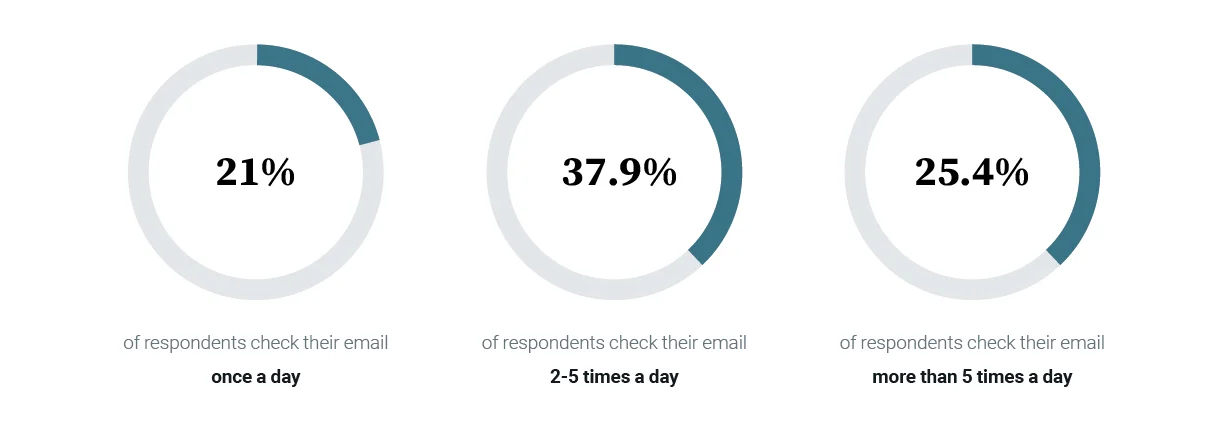
According to the comprehensive Email Engagement Report from leading digital communication platforms like Mailjet and Sinch Mailgun, a significant majority—63.3% of users—interact with their personal mailboxes at various points throughout the day. This highlights that while specific peak times exist, email checking is a fluid, recurring activity. The challenge for marketers, then, is not just to be present when an inbox is opened, but to be present when the recipient has the capacity and inclination to act on the email’s content. An email opened during a hurried commute or a busy meeting is far less likely to result in a click or conversion than one viewed during a dedicated break or leisure time.
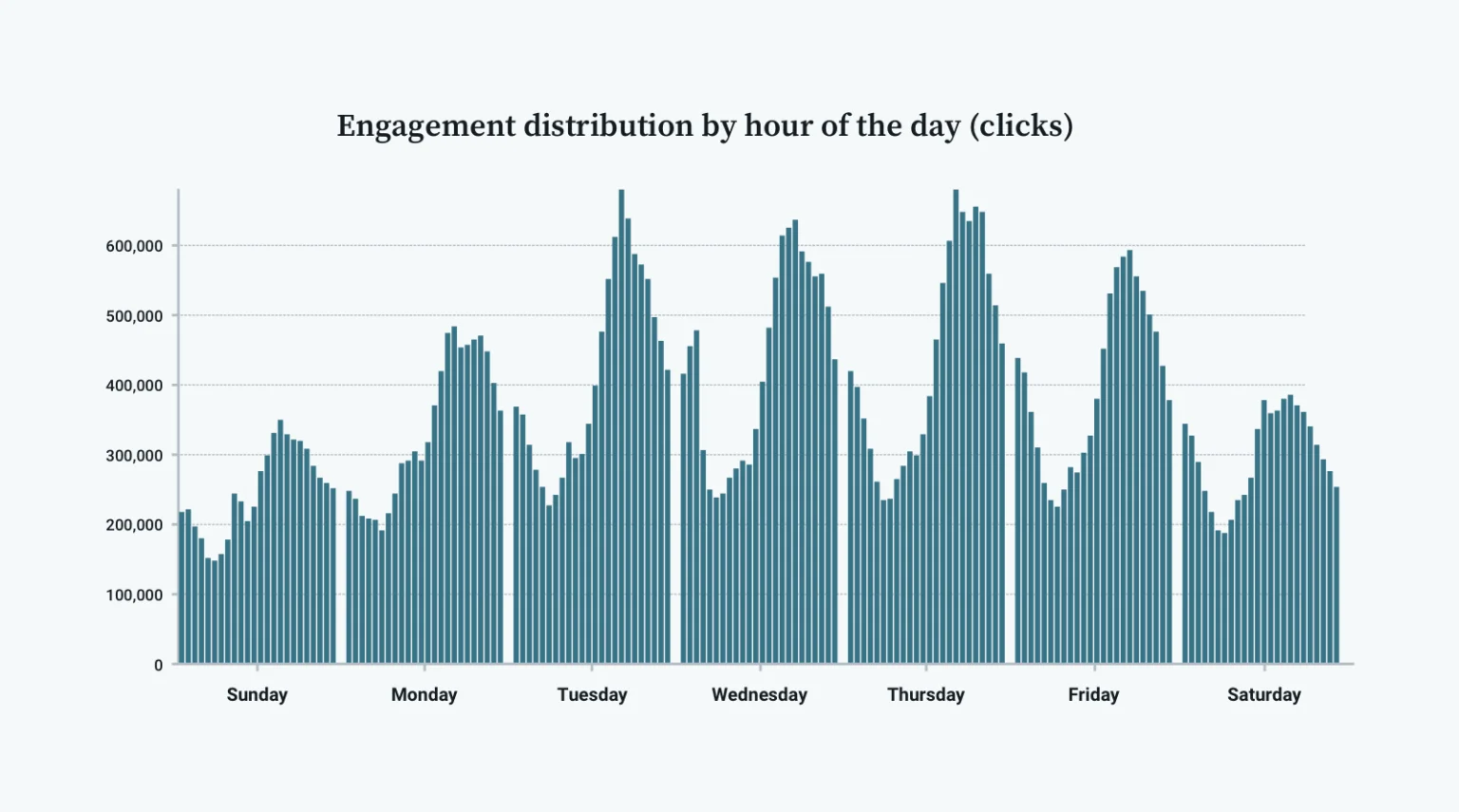
Further analysis, derived from billions of emails sent through the Sinch Mailgun network, provides a more granular global perspective. This research indicates that 15:00 Coordinated Universal Time (UTC) consistently demonstrates the highest engagement in terms of click-to-open ratios. This global peak suggests a widespread window of opportunity, but critically, it necessitates accurate time zone conversion. For instance, 15:00 UTC translates to 11 AM Eastern Standard Time (EST) during summer months, aligning somewhat with the general mid-morning recommendation for North American audiences. However, for a user in London, 15:00 UTC is 3 PM, while for someone in Sydney, it could be 1 AM the following day, underscoring the critical need for localized timing strategies.
The data visually illustrates peaks in both open rates and click rates around these UTC hours, demonstrating a concentrated period of active engagement. The implication is clear: while users check emails throughout the day, their propensity to engage meaningfully with marketing content is not uniform.
Geographic and Cultural Nuances in Email Habits
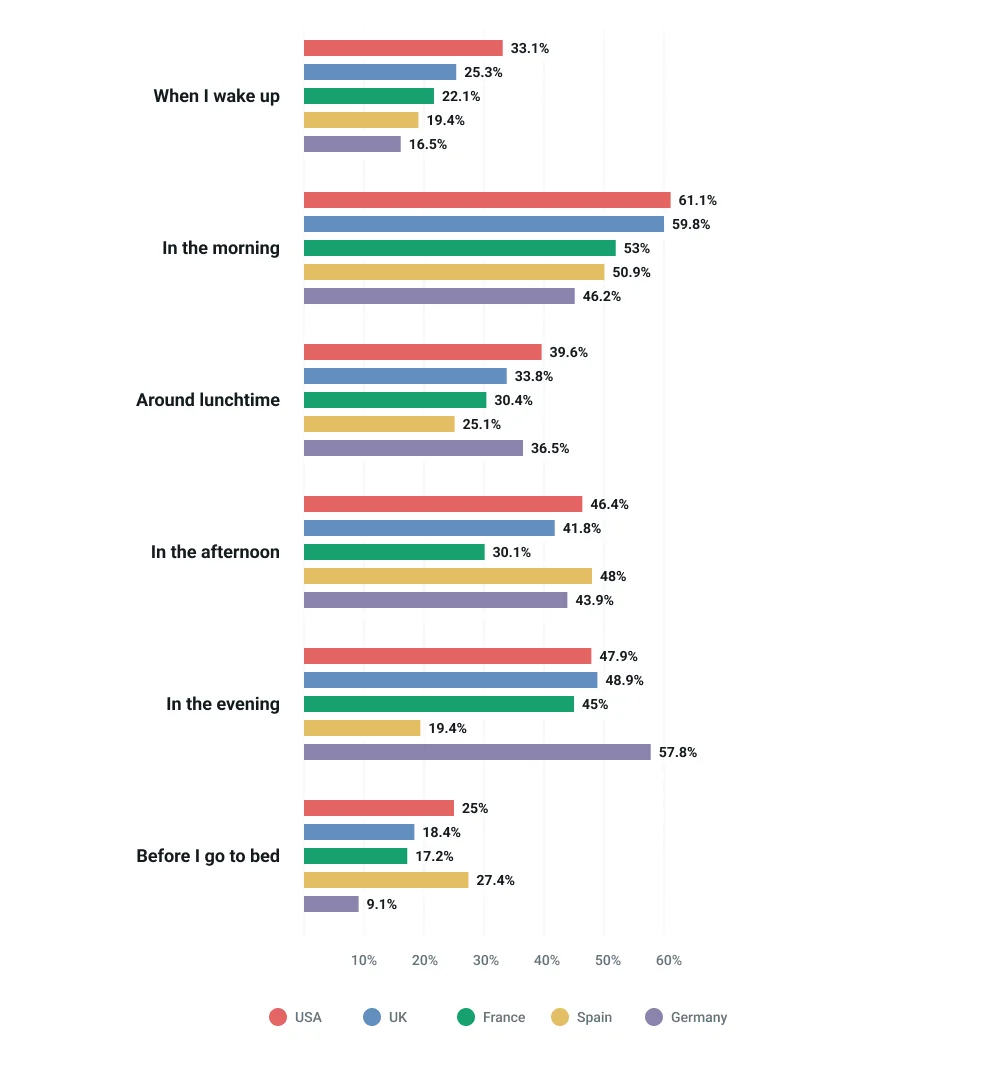
Beyond global averages, the Email Engagement Report unveils profound differences in email habits across various countries and cultures. These variations are not merely due to time zone shifts but reflect distinct societal routines, work-life balances, and cultural approaches to digital communication.
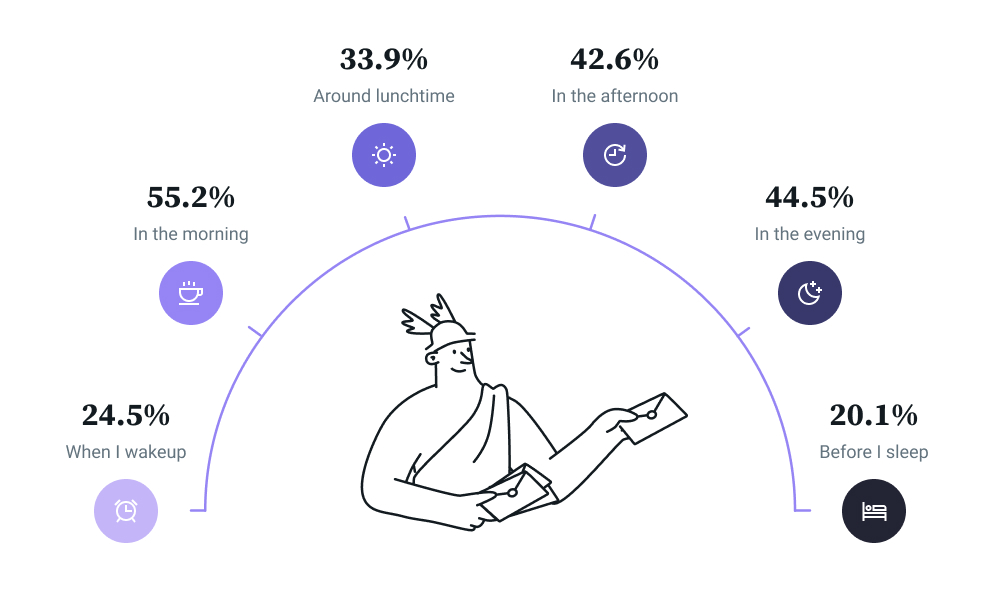
For example, German consumers exhibit a strong preference for checking emails in the early evening, with 57.8% engaging at this time. This contrasts sharply with Spain, where only 19.4% engage during the same period. Conversely, a notable 27.4% of Spanish participants reported checking emails late in the evening before bed, a behavior significantly less common among Germans (9.1%). These patterns suggest that in cultures where work-life boundaries are more rigid, professional emails might be handled strictly during business hours, while personal marketing emails are deferred to leisure time. In other cultures, a more integrated approach might see personal emails checked opportunistically throughout the day.
Such disparities underscore the inadequacy of a one-size-fits-all global strategy. A successful international email campaign must leverage audience segmentation, tailoring send times not just by time zone, but by the observed behavioral patterns of specific national or cultural groups. Failing to acknowledge these differences can lead to campaigns performing exceptionally well in one region while utterly failing in another, despite identical content.
The Weekday Advantage: Identifying Peak Days
Beyond the optimal time of day, the choice of the best day of the week for email campaigns is equally critical. While general guidelines exist, the decision is often influenced by whether the brand is Business-to-Business (B2B) or Business-to-Consumer (B2C), and the specific industry.
Data from the Sinch Mailgun study consistently shows that Tuesdays, Wednesdays, and Thursdays are the strongest days for email engagement, boasting the highest open and click-through rates. This "mid-week sweet spot" is a long-standing observation in email marketing, often attributed to individuals being fully settled into their work week, past the Monday morning rush, and not yet disengaging for the weekend.
While Tuesdays and Thursdays often slightly outperform, Wednesday remains a robust option. For marketers planning multiple sends within a week, a Tuesday-Thursday combination is often recommended over consecutive days like Tuesday-Wednesday or Wednesday-Thursday, to avoid overwhelming recipients and ensure each email receives adequate attention.
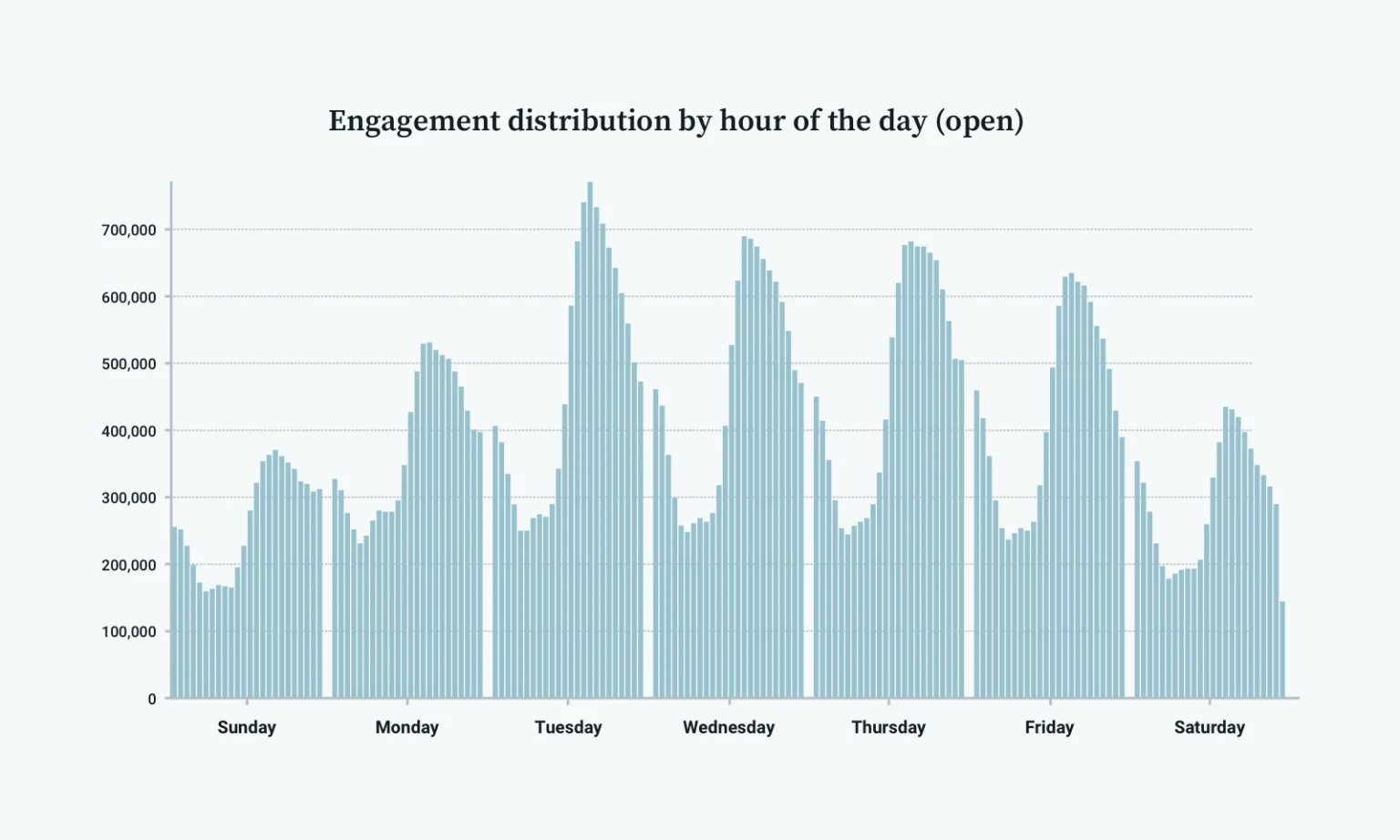
Conversely, Saturdays and Sundays are consistently identified as the worst days for email engagement. Weekends are typically reserved for personal activities, family time, and leisure, making commercial emails a low priority. The exception might be for highly targeted, lighthearted content specifically designed for weekend consumption, such as travel deals, hobby-related newsletters, or weekend event promotions. However, for most marketing objectives, weekends are best avoided.
The debate between sending on a Friday versus a Monday is also insightful. Traditionally, both have been considered less ideal. Mondays are characterized by individuals catching up on weekend emails and planning their week, often leading to inbox overload. Fridays see a gradual disengagement as people look forward to the weekend. However, recent research indicates that Friday often outperforms Monday in terms of open and click-through rates. This could be due to slightly less inbox competition on Fridays, or people having a brief window of relaxed attention before the weekend truly begins. On Mondays, the sheer volume of emails and the mental preparation for the week can lead to marketing messages being overlooked.
B2B vs. B2C: Tailoring Your Strategy
The fundamental distinction between B2B and B2C audiences is paramount when determining optimal send times. Individuals interact with their professional and personal inboxes in vastly different ways, driven by distinct motivations and routines.
- B2B Audiences: Generally, B2B emails perform best during standard business hours on weekdays. The ideal window often falls mid-morning (e.g., 9 AM – 11 AM) or mid-afternoon (e.g., 2 PM – 4 PM), avoiding the very start of the day (when priority tasks are addressed) and the end of the day (when people are winding down). Tuesdays, Wednesdays, and Thursdays are typically prime days. Engagement is often tied to professional tasks, information gathering, or solution seeking. Sending outside these hours or on weekends often results in lower engagement, as recipients are unlikely to be in a "work mindset."
- B2C Audiences: Consumer behavior is far more varied. While mid-week, mid-morning can still be effective, B2C emails often see good engagement during lunch breaks, after work hours (e.g., 5 PM – 7 PM), or even late evenings, depending on the product or service. Weekends might be viable for certain types of leisure-focused content, but generally remain lower performing. Device usage is also a key factor here; B2C emails are frequently checked on mobile devices during commutes or leisure time.
To effectively navigate this dichotomy, marketers must ask critical questions:
- Who is my target audience (their age, profession, lifestyle)?
- What is the nature of the email content (e.g., urgent promotion, informational newsletter, casual update)?
- When are my subscribers most likely to have free time to engage with non-work-related content?
- Do they primarily access emails on desktop during work or mobile devices during leisure?
These insights, often derived from detailed marketing personas, are invaluable for crafting an email strategy that resonates with the unique rhythms of each audience segment.
Why Does Email Sending Time Matter So Profoundly?
The effort invested in crafting compelling copy, designing engaging visuals, and formulating strong calls-to-action can be entirely undermined if an email fails to reach its audience at an opportune moment. The "right time" ensures visibility and relevance.
The primary reason sending time matters is the sheer volume of emails flooding inboxes daily. Emails at the top of the inbox are disproportionately more likely to be opened and acted upon. An email that arrives when the recipient is busy or distracted quickly gets buried, diminishing its chances of ever being seen.
Optimizing email send times directly contributes to several key marketing objectives:
- Increased Open Rates: Ensures your message is seen and considered.
- Higher Click-Through Rates (CTR): Leads to more website visits, product views, or content consumption.
- Improved Conversion Rates: More clicks translate to more sales, sign-ups, or desired actions.
- Enhanced Sender Reputation: High engagement signals to Internet Service Providers (ISPs) that your emails are valued, improving deliverability and reducing the likelihood of being marked as spam.
- Better Customer Experience: Respecting a subscriber’s time and routine builds trust and reduces annoyance.
- Maximized ROI: Every email campaign represents an investment of resources. Optimizing timing ensures this investment yields the best possible returns.
As highlighted by the Email Engagement Report, a staggering 86.4% of respondents state that "having time to read an email" is a crucial factor in their decision to open it. This statistic powerfully underscores that even the most perfectly crafted email is worthless if it arrives when the recipient is time-poor and unable to engage.
How to Determine the Best Time to Send Your Emails
While industry benchmarks and global data provide excellent starting points, the ultimate arbiter of optimal send times for any specific brand is its own audience data. Marketers possess a treasure trove of information within their Email Service Provider’s (ESP) analytics dashboard.
The process of pinpointing the ideal send time involves:
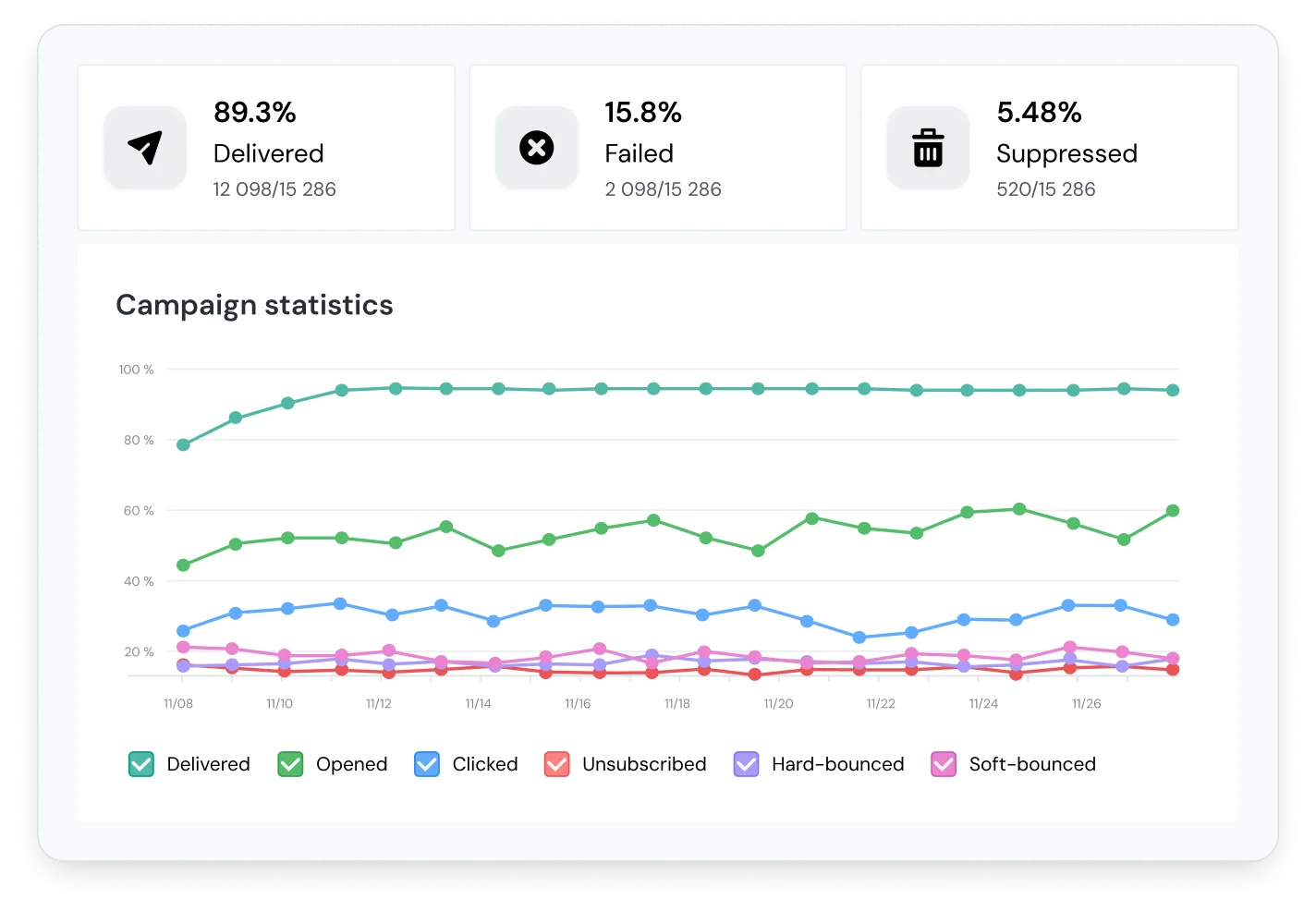
- Leveraging Existing ESP Data: Most modern ESPs (like Mailjet) offer detailed statistics on past campaign performance, including open rates and CTRs broken down by hour and day. Analyzing this historical data for your specific audience provides the most accurate insights into their engagement patterns. Identify peak days and then drill down into hourly performance on those days.
- A/B Testing: This is the scientific method applied to email marketing. Conduct structured experiments by sending segments of your audience the same email at different times or on different days. For example, over three consecutive weeks, send your newsletter at 10 AM, then 1 PM, then 9 PM, carefully tracking the performance of each send. Alternatively, split your list and send half an email in the morning and the other half in the afternoon, comparing the results. A/B testing can also extend to subject lines, content, and calls-to-action, providing a holistic view of what resonates best.
- Audience Segmentation: Divide your subscriber list into smaller, more homogenous groups based on demographics, geographic location, past purchasing behavior, engagement history, or even stated preferences. This allows for highly targeted sending schedules. A subscriber in New York might receive an email at 10 AM EST, while a subscriber in London receives the same email at 10 AM GMT, ensuring both receive it at their respective local mid-morning.
- Consistency (with flexibility): For regular newsletters or recurring campaigns, establishing a consistent sending schedule builds anticipation and trust. Subscribers learn to expect your content at a particular time. However, this consistency should not be rigid. During holidays, special events, or major product launches, it might be more beneficial to deviate from the standard schedule to capture attention during unique windows of opportunity. The goal is engagement, not strict adherence to a calendar.
- Consider Content Type: The nature of the email content can also influence optimal timing. A flash sale announcement might benefit from an immediate, high-impact send, while an in-depth educational article might be better received when recipients have more time to read, perhaps during a lunch break or evening leisure.
Leveraging Technology for Precision Sending with Mailjet
Finding the best time to send email campaigns is not a static challenge but a dynamic, ongoing process that requires continuous analysis and adaptation. The optimal schedule is a function of business type, customer demographics, email frequency, and campaign objectives.
Mailjet’s email marketing service provides a comprehensive suite of features designed to empower marketers in this endeavor. Its intuitive Email Editor and library of responsive templates facilitate the creation of engaging newsletters. Crucially, features such as Segmentation allow marketers to meticulously categorize their audience, enabling localized and persona-driven sending schedules. A/B Testing capabilities provide the necessary tools for systematic experimentation and data validation. Furthermore, Campaign Comparison and detailed Email Statistics dashboards offer the analytical depth required to track performance across different send times and days, providing actionable insights into subscriber behavior.
These tools allow marketers to move beyond generic advice and develop highly personalized, data-backed sending strategies. By understanding precisely when and how their audience engages, businesses can ensure their messages cut through the noise, leading to superior open rates, click-through rates, and ultimately, a more impactful and profitable email marketing program.
This updated perspective on email send times, building upon insights from 2021, underscores the industry’s evolution towards precision and personalization. In an ever-evolving digital landscape, continuous testing and adaptation remain the cornerstones of effective email engagement.