In today’s dynamic and often unpredictable online landscape, digital ownership has transcended the realm of a mere advantage to become an indispensable pillar for the longevity and stability of small businesses. The relentless pursuit of algorithmic favor, where content can soar one day and vanish into obscurity the next, underscores the urgent need for entrepreneurs to reclaim control over their digital presence. This critical shift was the central theme of a recent insightful discussion featuring Peg Fitzpatrick, a seasoned social media expert and author of "The Art of Small Business Social Media," and Kinsey Soderberg, a prominent voice in the AI space and host of the "Feel Good Social" podcast. Their conversation illuminated the inherent risks of building businesses solely on "rented platforms" and offered a compelling case for cultivating "digital sovereignty."
The Evolving Digital Landscape and the Imperative for Ownership
For small businesses navigating the complexities of the internet, the allure of social media platforms with their vast audiences and seemingly free reach can be powerful. However, this appeal often masks a fundamental vulnerability: the lack of control over one’s digital destiny. Industry data consistently shows that while social media is crucial for brand awareness and community engagement, its effectiveness as a primary sales or lead generation channel is increasingly limited by ever-changing algorithms and monetization strategies. A 2023 survey by HubSpot indicated that 61% of marketers view social media as their most important channel for brand awareness, but only 12% consider it their top channel for generating leads, highlighting a significant disconnect between visibility and conversion.
The historical trajectory of digital platforms offers a stark chronology of this instability. From the early days of MySpace, which once dominated the social networking scene before its rapid decline, to the rise and fall of Google+, a platform heavily promoted by a tech giant but ultimately shuttered in 2019, the ephemeral nature of third-party platforms is well-documented. Each closure or significant policy shift has left businesses scrambling, often losing years of accumulated content, audience connections, and brand equity. The ongoing discussions surrounding TikTok’s potential ban or forced divestiture in various regions serve as a contemporary reminder of how geopolitical factors and regulatory changes can instantly jeopardize a business built predominantly on a single "rented" platform. These events underscore a crucial lesson: relying on platforms owned and controlled by others introduces an unacceptable level of risk for small business sustainability.
Defining and Achieving Digital Sovereignty
Digital sovereignty, as advocated by Fitzpatrick and Soderberg, is the strategic approach of establishing and maintaining control over one’s core digital assets, audience, and data. It stands in direct opposition to the precarious act of building a business entirely on platforms where the rules of engagement, visibility, and monetization can change without warning, often to the detriment of the small business owner.
The cornerstone of digital sovereignty rests on three primary pillars:
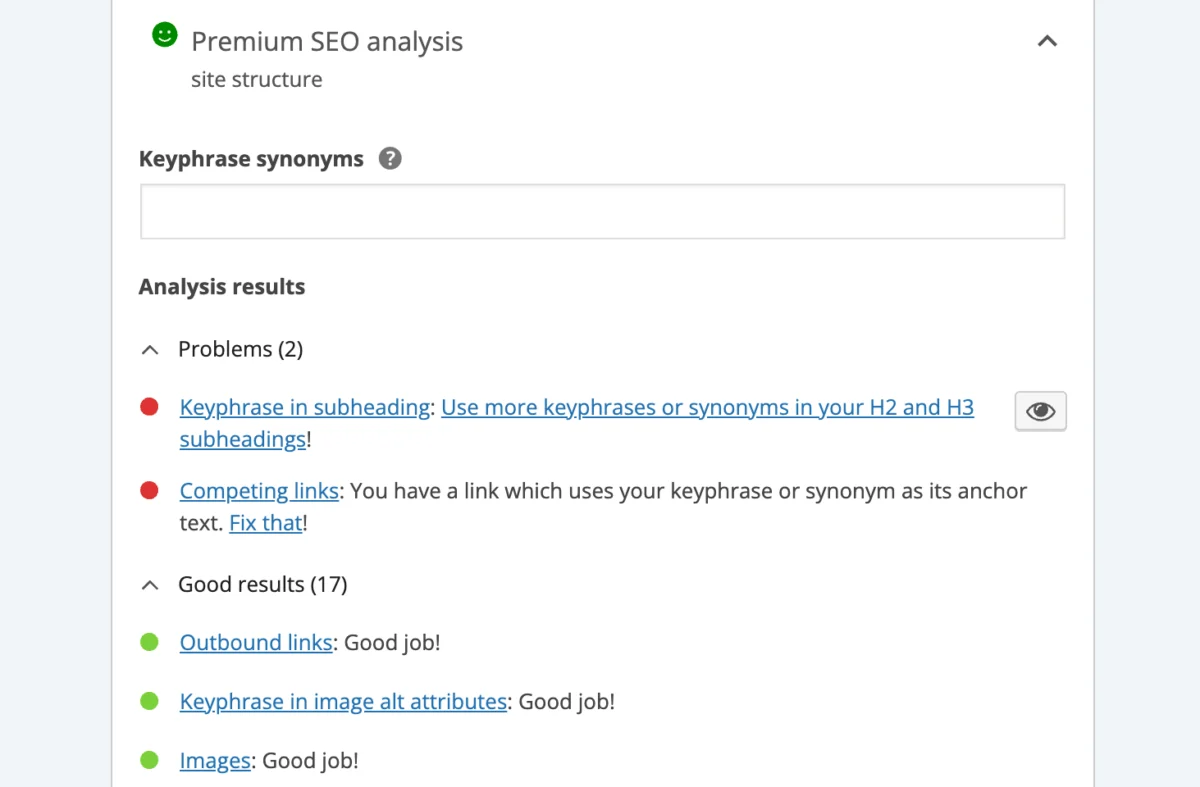
- An Owned Website: This serves as the central hub of a business’s online presence. Unlike a social media profile, a website offers complete control over content, design, user experience, and data analytics. It is the definitive digital storefront, portfolio, or information center, directly accessible to customers without intermediaries. Search engine optimization (SEO) on an owned website provides a stable, long-term traffic source, impervious to social media algorithm shifts.
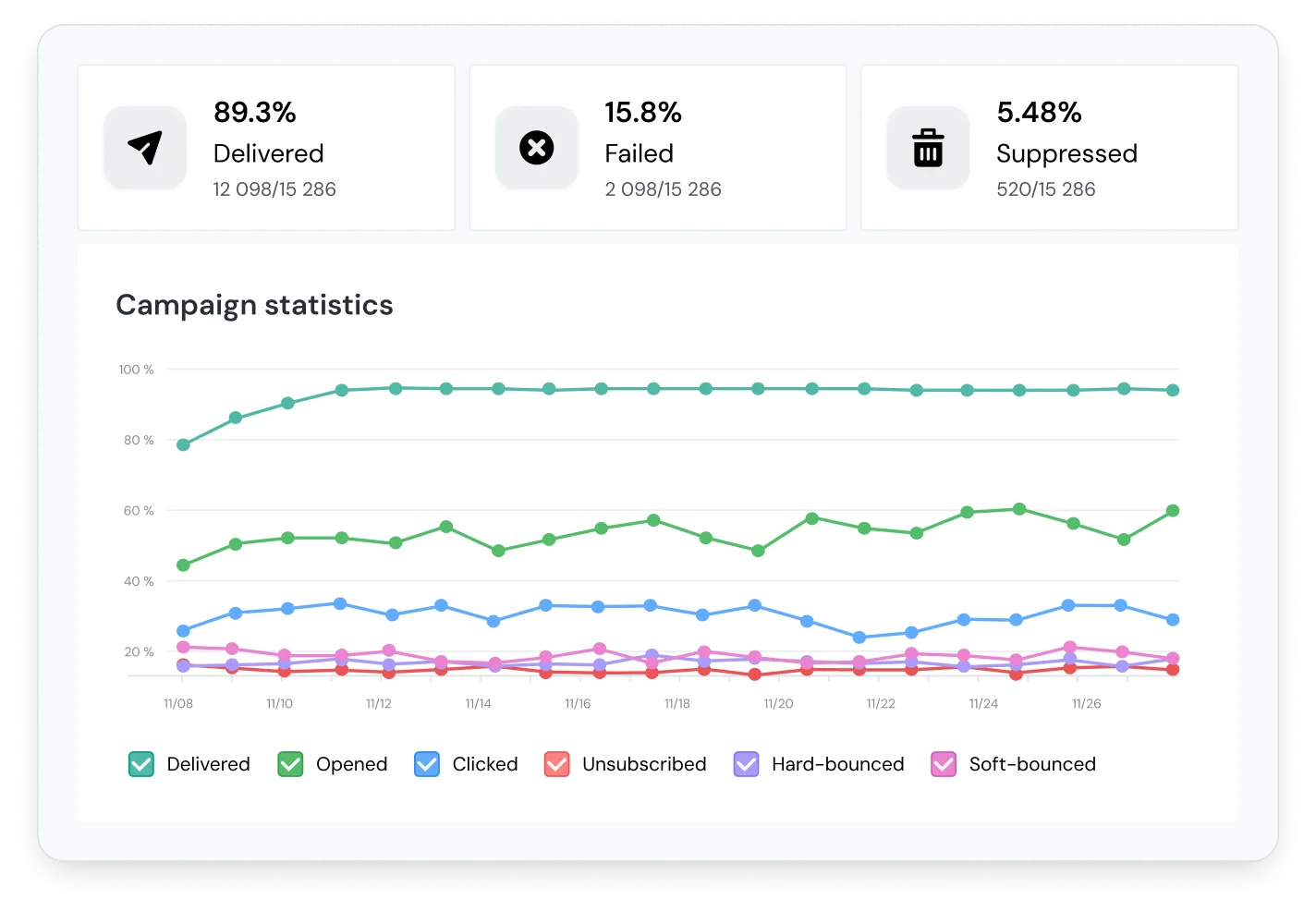
- An Email List: Direct communication with one’s audience via email remains one of the most powerful and reliable marketing channels. An email list represents a proprietary asset that cannot be taken away by platform changes. Data from the Direct Marketing Association consistently shows that email marketing offers a significantly higher return on investment (ROI) compared to many other digital channels, often exceeding $36 for every $1 spent. This direct line of communication fosters stronger customer relationships and provides a consistent channel for promotions, updates, and content distribution.
- Owned Content (e.g., Podcasts, Blogs, Videos): While content can be distributed across social platforms, the original, long-form content itself should reside on owned properties. For instance, podcast recordings are owned by the creator and can be migrated between hosting providers, ensuring their longevity. Similarly, blog posts and videos hosted on a business’s website provide valuable, evergreen content that contributes to SEO and builds authority over time.
Practical Steps Towards a Future-Proof Brand
Transitioning to a model of digital ownership is not about doing more but about doing what matters most for long-term growth and resilience. Fitzpatrick emphasizes simplifying social media engagement to avoid overwhelm, advocating for strategic, focused efforts rather than constant presence.
- Prioritize the Website: Invest in a user-friendly, mobile-responsive website that accurately reflects the brand and serves as a comprehensive resource for customers. This includes well-written content, clear calls to action, and robust SEO to ensure discoverability through search engines. The website should be the primary destination for all marketing efforts, with social media acting as a conduit to drive traffic there.
- Build the Email List Diligently: Implement clear strategies for capturing email addresses on the website, through lead magnets, and during sales processes. Regularly engage the email list with valuable content, exclusive offers, and personalized communications. This transforms passive followers into engaged subscribers and, ultimately, loyal customers.
- Strategic Content Creation: Focus on creating high-value, long-form content (blog posts, in-depth articles, podcasts, YouTube videos) that can be hosted on the owned website or dedicated platforms (like podcast hosts where content ownership is clear). This content builds authority, provides lasting value, and can be repurposed into smaller, bite-sized pieces for social media distribution.
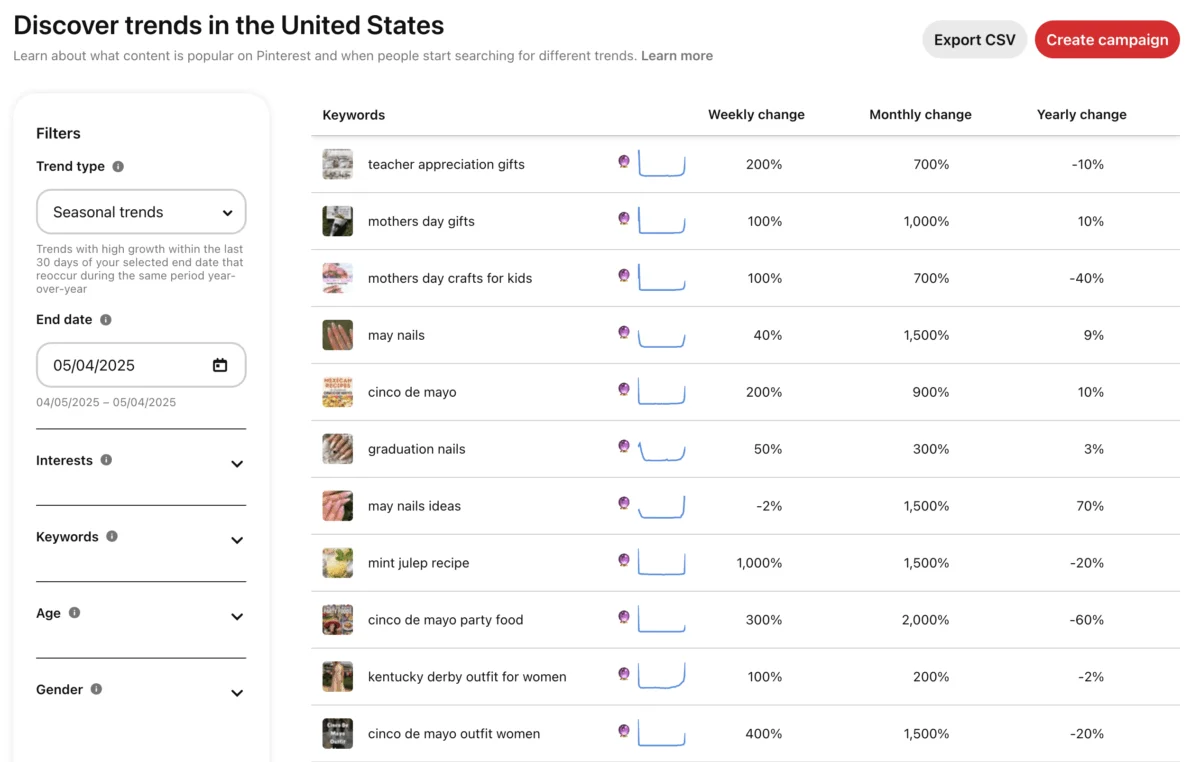
- Leverage Social Media Judiciously: Instead of viewing social media as the end-all, reframe it as a powerful distribution and community-building tool. Use platforms to share snippets of owned content, engage with the audience, drive traffic to the website or email signup, and conduct market research. Fitzpatrick highlights Pinterest as a particularly effective platform for driving traffic, noting its positive user experience and its ability to link every pin directly to an external site. Its focus on "going and doing" rather than endless scrolling aligns perfectly with a strategy of directing users to owned properties.
- Time Management and Mental Well-being: Both experts underscored the mental toll of constant social media engagement. Soderberg, through her "Feel Good Social" philosophy, advocates for mindful consumption and production of content. Fitzpatrick advises scheduling specific, limited times for social media engagement (checking messages, responding to comments) and then disconnecting to focus on core business activities. This approach mitigates the "comparison trap" and "doom scrolling" that can erode confidence and productivity.
Risks of Over-Reliance on Rented Platforms: A Deeper Dive
The dangers of relying heavily on third-party platforms extend beyond mere inconvenience.
- Algorithm Arbitrage: Platforms constantly tweak their algorithms to prioritize certain content types (e.g., video over static images) or to favor paid advertising. This creates an environment where organic reach is perpetually declining, forcing businesses to pay for visibility they once received for free. Meta Platforms, for example, has seen a consistent decline in organic reach for business pages on Facebook, compelling many to invest heavily in paid ads to maintain audience engagement.
- Data Control and Privacy: When a business operates primarily on a social media platform, the platform owns the data generated by its users, not the business. This limits a business’s ability to understand its audience deeply, personalize experiences, or target future marketing efforts with precision. Owning a website and email list provides invaluable first-party data.
- Monetization Constraints: Platforms dictate how and if businesses can monetize their content or audience within their ecosystems. This can range from revenue-sharing models that heavily favor the platform to outright restrictions on certain types of commercial activity.
- Shadowbanning and Censorship: Businesses can find their content suppressed or accounts temporarily suspended without clear explanation, often due to automated systems or subjective interpretations of platform guidelines. This can severely disrupt operations and revenue streams.
- The "Shiny Object" Syndrome: The constant emergence of new platforms and features creates a "fear of missing out" (FOMO) among entrepreneurs, leading them to spread their resources thin across too many channels, diluting their impact and increasing their workload without a clear ROI.
Expert Insights and Future Implications
Peg Fitzpatrick’s extensive career, spanning 14 years in social media and working with industry giants like Canva (as their first Head of Social Strategy) and Guy Kawasaki, provides a wealth of experience in navigating these shifts. Her early success in driving 500 attendees to an event from scratch using nascent social media and email marketing demonstrated the power of a foundational approach even then. Her blog, established in 2010, stands as a testament to the enduring value of owned content and direct communication. She succinctly states that "Instagram is not the place that you’re gonna make your money," urging businesses to differentiate between platforms for brand visibility and those for revenue generation.
Kinsey Soderberg’s focus on "feel good social" encapsulates the need for a more intentional and less overwhelming approach to digital marketing. Her observation that "social media in general, while important, is not the biggest money moving needle for my business" reflects a growing sentiment among savvy entrepreneurs. Both experts concur that while social media has a role in community building and brand awareness, it should not be the sole foundation of a business.
The implications of embracing digital ownership are profound. It fosters long-term business resilience, creating a robust framework that can withstand the inevitable volatility of third-party platforms. It empowers small businesses with direct control over their audience relationships, data, and monetization strategies. By prioritizing owned assets like websites, email lists, and proprietary content, entrepreneurs can build sustainable, resilient businesses that thrive independently of algorithmic whims and platform policies. This foundational thinking is what truly separates short-term noise from long-term, predictable growth in the ever-evolving digital economy.