The global eCommerce landscape is currently undergoing a fundamental shift from recognition-based marketing to relevance-based engagement. For years, digital retailers have focused on identifying who a customer is based on historical data, but a new era of predictive artificial intelligence is enabling brands to focus instead on what a customer is doing in the moment. This transition, moving beyond static rules and toward real-time intent, is redefining the benchmarks for conversion, customer trust, and brand loyalty in an increasingly competitive digital economy.
The Evolution of Digital Personalization
The pursuit of personalized shopping is not a new phenomenon. For decades, eCommerce platforms have attempted to replicate the high-touch experience of a physical retail environment. In a brick-and-mortar store, a skilled sales associate observes a customer’s body language, the items they touch, and their level of hesitation, adjusting their sales pitch accordingly. Online, this has traditionally been mirrored through data collection—tracking past purchases, geographical locations, and demographic segments.
However, industry data suggests that traditional methods are no longer sufficient. According to research from McKinsey & Company, 71% of consumers now expect personalized interactions, and 76% express frustration when these expectations are not met. The financial stakes are high: companies that excel at personalization generate 40% more revenue from these activities than those that do not. Furthermore, effective personalization strategies have been shown to increase marketing ROI by 10% to 30% and can drive conversion-rate lifts of up to 60%.
Despite these clear benefits, traditional personalization has hit a ceiling. Most existing systems rely on "static rules"—predefined logic that places a visitor into a category based on what they did months ago. This approach fails to account for the volatility of human intent. A shopper may be a "loyal budget buyer" on Tuesday but a "high-intent luxury gift-seeker" on Friday. If the platform only recognizes the former, it misses the opportunity to serve the latter.
The Problem of the Anonymous Visitor
One of the most significant hurdles for modern retailers is the "anonymity gap." As privacy regulations like GDPR and CCPA tighten and browsers phase out third-party cookies, identifying visitors has become more difficult. Current industry estimates suggest that upwards of 90% of visitors to eCommerce sites remain anonymous. These individuals may be first-time browsers, users in private modes, or those who have opted out of tracking.
When a personalization strategy is built entirely on identity and historical data, these anonymous visitors are often met with a generic, "one-size-fits-all" experience. This lack of relevance at the first point of contact frequently leads to high bounce rates and lost revenue. The shift toward intent-based prediction seeks to solve this by analyzing behavioral signals that do not require a login or a historical profile.
A Chronology of Personalization Technology
To understand the current transformation, it is necessary to look at the technological progression of the industry:
- The Era of Basic Segmentation (1990s–Early 2000s): Personalization was limited to "customers who bought this also bought that" and basic email salutations.
- The Rule-Based Era (2010s): Marketers began creating complex "if-then" logic. For example, "If a user is from New York and it is raining, show them umbrellas." While more advanced, this required massive manual effort to maintain.
- The Big Data and CDP Era (2015–2020): Brands focused on aggregating every piece of data into Customer Data Platforms (CDPs) to create a "360-degree view" of the customer.
- The Predictive Intent Era (2023–Present): The current phase utilizes real-time behavioral AI to adapt the site experience based on "in-session" actions rather than identity.
Mechanics of Real-Time Intent: How AdaptiveCX Functions
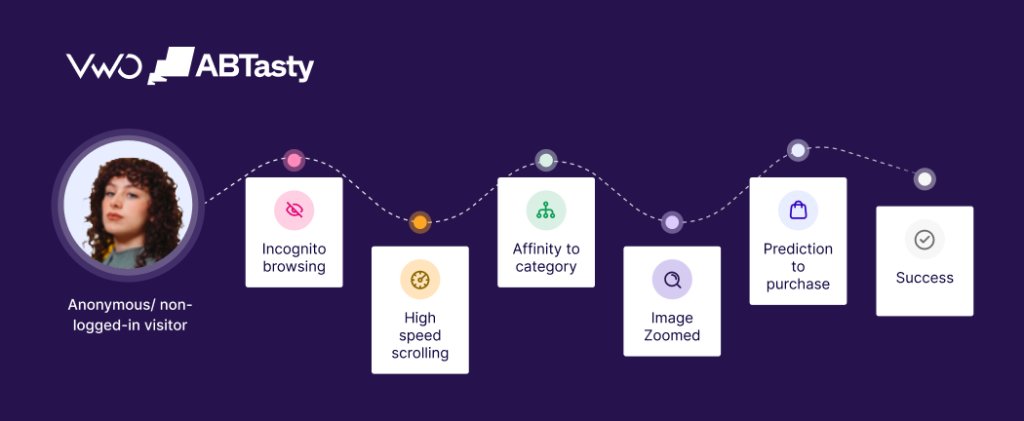
The emergence of platforms like AdaptiveCX, developed by VWO AB Tasty, represents the technical vanguard of this fourth era. Rather than asking "Who is this?" the system asks "What is this person trying to achieve right now?"
The platform functions by monitoring micro-behaviors during a live session. These include:
- Navigation Patterns: Which categories are being cross-referenced?
- Engagement Depth: How far is the user scrolling? Are they hovering over specific product images?
- Search Nuance: What specific keywords are being used, and how do they change during the session?
- Technical Context: What device is being used, and what was the referral source?
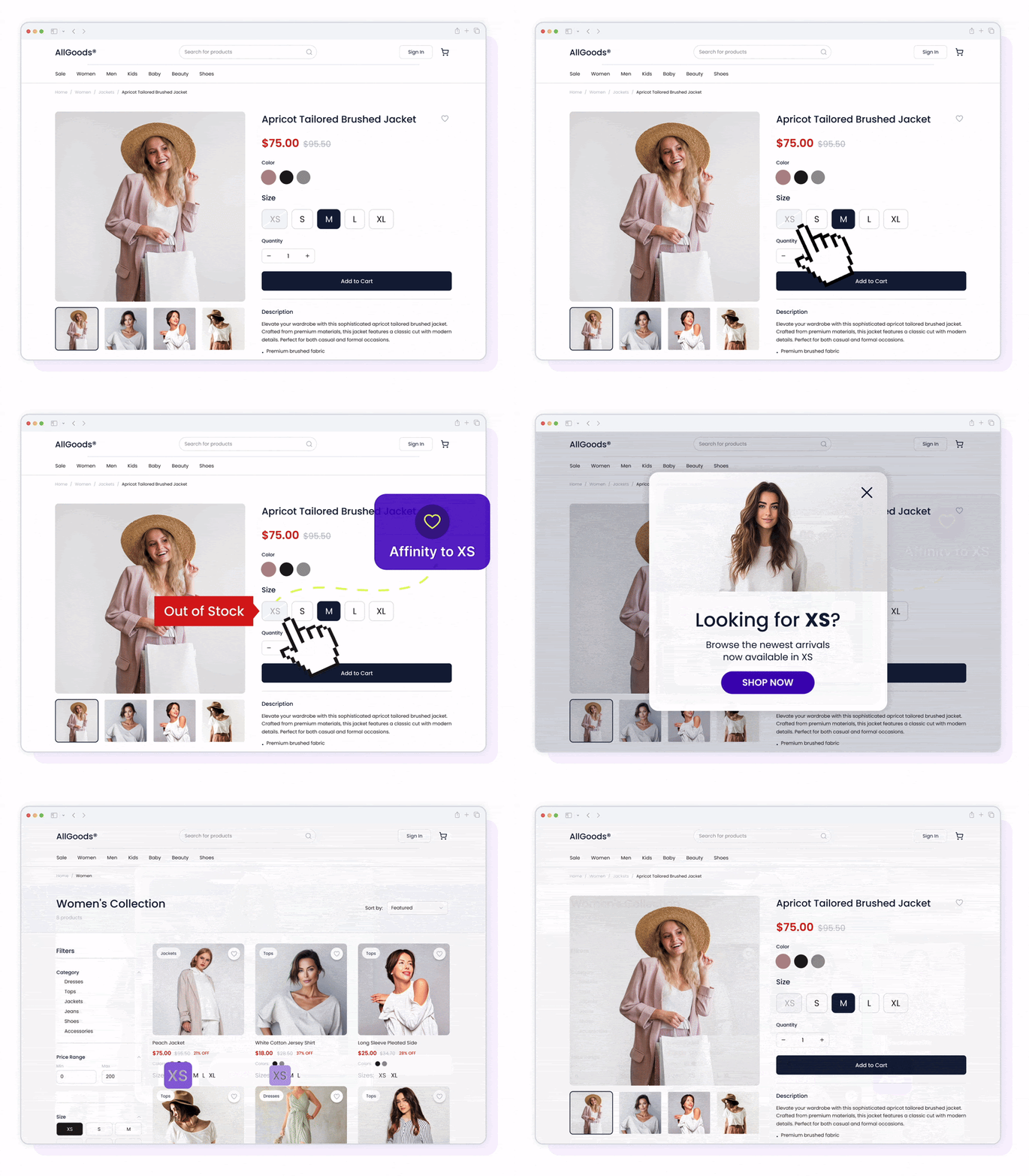
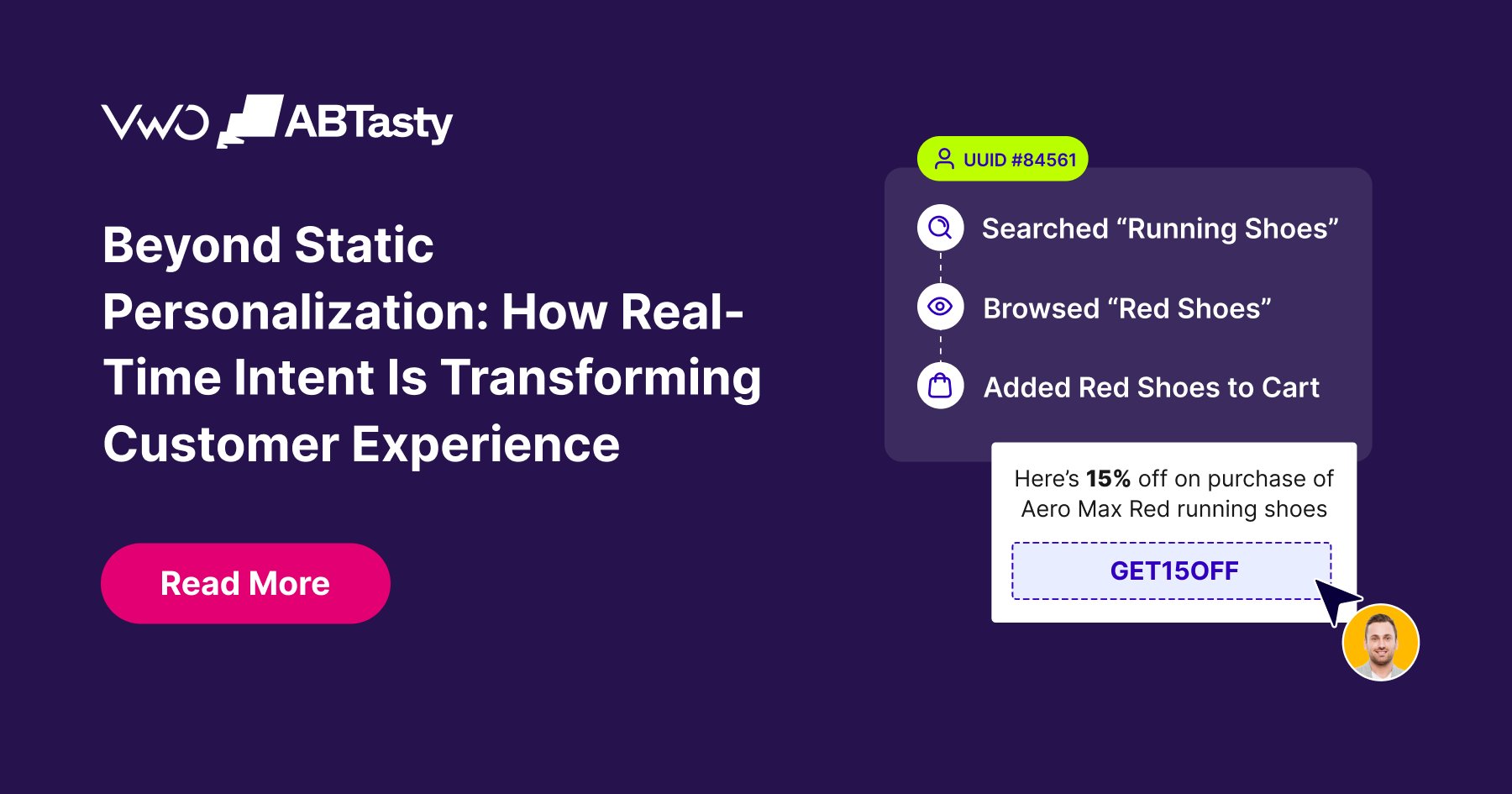
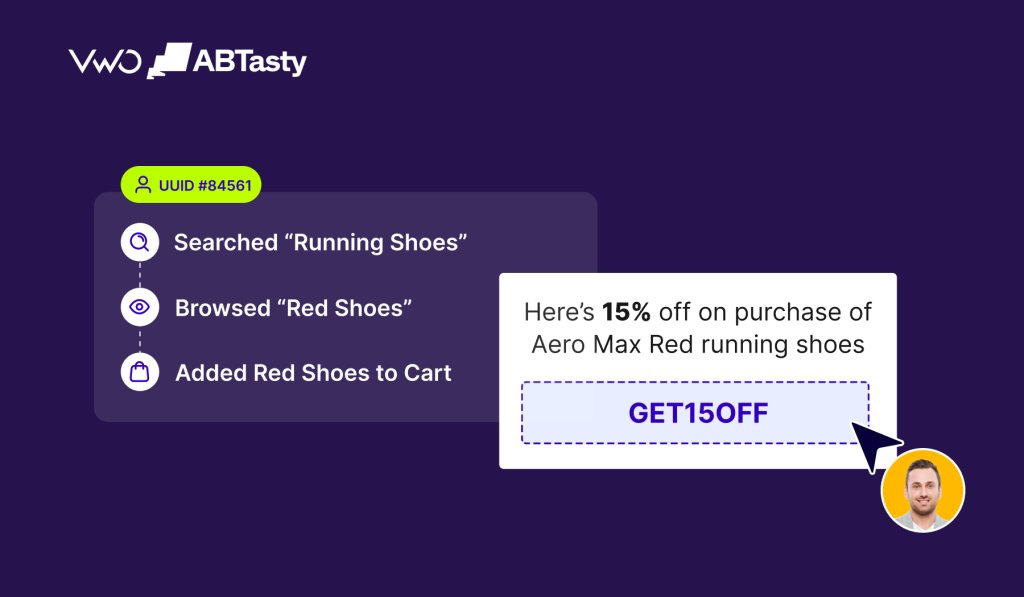
By processing these signals through machine learning algorithms, the system can predict the likelihood of a purchase, the risk of churn, or the need for a specific incentive—such as a discount code for a hesitant shopper or a "free shipping" nudge for someone nearing a cart threshold.
Case Study: Kurt Geiger’s Shift to Relevance
Kurt Geiger, a prominent global fashion and accessories retailer with operations across the United Kingdom, United States, and Mexico, provides a clear example of the impact of intent-based personalization. The brand faced a common challenge: while they possessed a vast and diverse product catalog, they struggled to surface the most relevant items to individual shoppers quickly.
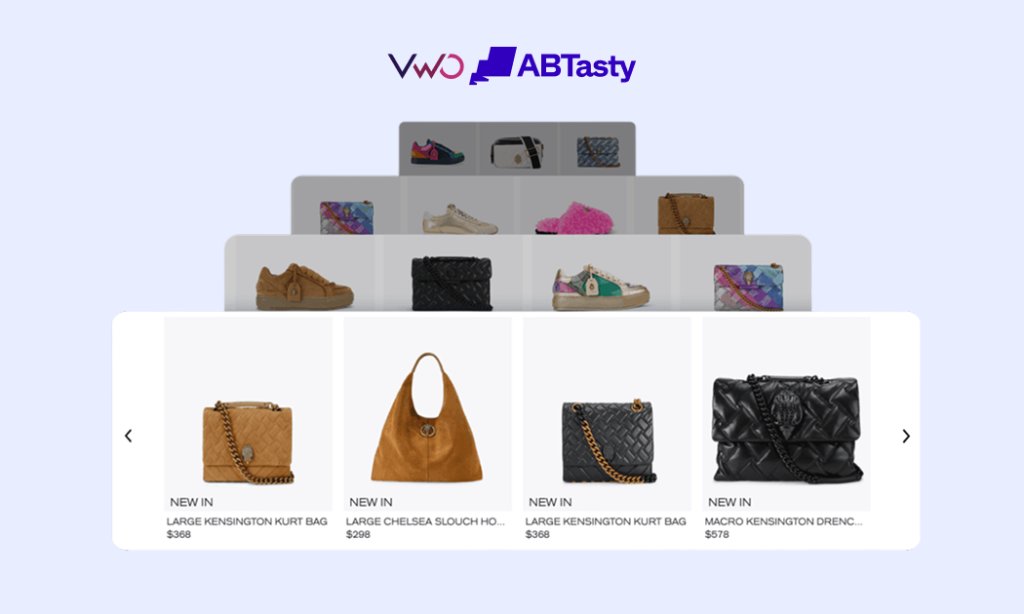
To address this, Kurt Geiger implemented an AdaptiveCX-driven homepage. The system analyzed the real-time affinities of visitors—detecting whether they were currently interested in handbags, shoes, or specific seasonal collections. By dynamically adjusting the homepage carousel to reflect these live interests, the brand saw a dramatic shift in performance.
Reported results included an 11% increase in revenue and a 5% increase in the average number of products viewed per session. Gareth Rees-John, Chief Digital Officer at Kurt Geiger, noted that the technology allowed the brand to "predict user intent and connect people with the right products instantly," effectively turning product discovery into a streamlined, high-conversion journey.
Case Study: AttractionTickets.com and Adaptive Search
In the travel and experience sector, AttractionTickets.com utilized real-time intent to solve the "blank slate" problem for first-time visitors. Founded in 2002, the company has sold over 15 million tickets, but they found that their standard search experience was often too generic for anonymous users.
By implementing an adaptive search feature, the site began proposing search terms and visual suggestions based on the user’s immediate behavior on the site. If a user showed a preference for Florida-based theme parks in their first few clicks, the search bar would proactively suggest relevant tickets and images for those specific destinations. This implementation resulted in a 9.5% increase in conversion rates and a 2.5% increase in average order value (AOV), proving that even minor adjustments in search relevance can yield significant financial returns.

Market Implications and Professional Analysis
The move toward adaptive personalization is not merely a trend but a strategic necessity in a "cookieless" world. Industry analysts suggest that the reliance on historical data is becoming a liability. Historical data is often "cold"—it reflects who a person was, not who they are today. In contrast, intent-based data is "hot," providing immediate actionable insights.
From a margin protection standpoint, intent-based AI allows brands to be more surgical with their promotions. Traditional systems might offer a 10% discount to all "returning visitors." An intent-based system, however, can identify which visitors are likely to buy at full price and which ones actually require a discount to complete the transaction, thereby preserving profit margins.
Furthermore, the psychological impact on the consumer cannot be overstated. When a site responds to a user’s current needs without requiring them to log in or share excessive personal information, it builds a sense of "intuitive" service. This fosters trust, as the brand appears helpful rather than intrusive.
The Future of the Customer Journey
As AI models become more sophisticated, the "linear" customer journey—moving from awareness to consideration to purchase—is being replaced by a "fluid" journey. In this new model, the website layout, the product hierarchy, and the promotional messaging can change multiple times within a single five-minute session.
The broader implications for the eCommerce industry include:
- Reduced Manual Workload: Marketing teams will spend less time building manual "if-then" segments and more time refining the AI’s goals and creative assets.
- Enhanced Discovery: Small and niche products that might be buried in a static catalog are more likely to be surfaced to the right buyer based on their specific behavioral cues.
- Privacy-First Marketing: By focusing on behavior rather than identity, brands can stay compliant with privacy laws while still delivering high levels of personalization.
Conclusion
The data from leaders like Kurt Geiger and AttractionTickets.com suggests that the future of eCommerce lies in the ability to adapt. Static personalization, while a significant step forward in its time, is no longer sufficient to meet the demands of the modern, privacy-conscious, and fast-moving digital consumer. By leveraging real-time intent, brands can bridge the gap between anonymous browsing and loyal purchasing, creating a digital experience that feels as intuitive and responsive as a world-class physical storefront. The transition from "Who are you?" to "How can I help you right now?" is the defining challenge—and opportunity—of the current retail era.