The Imperative for Strategic Content Distribution in a Saturated Market

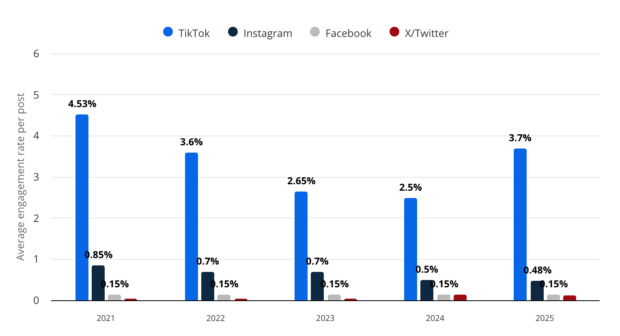
The digital ecosystem of 2026 is characterized by an unprecedented volume of content. Brands, media outlets, and individuals are constantly vying for audience attention, making organic reach increasingly difficult to achieve. Data from platforms like Facebook, showing an average engagement rate of merely 0.15%, and Instagram at 0.48%, underscore the reality that even compelling content struggles to penetrate the noise without a deliberate distribution plan. This decline in organic visibility necessitates a strategic approach, moving beyond mere creation to active and intelligent dissemination.
A well-defined content distribution strategy serves as the blueprint for extending the lifecycle of high-value content, transforming singular assets into a multitude of tailored pieces designed for various platforms. It acknowledges that audiences are fragmented across numerous digital touchpoints and consume information in diverse formats. By strategically repurposing a webinar into short video clips for TikTok, a comprehensive blog post into a LinkedIn thread, or a research report into a series of email snippets, brands can ensure their core messages reach audiences where they are, in a format they prefer. This approach not only amplifies reach but also optimizes resource allocation, reducing the constant pressure to generate entirely new content for every channel.

Defining Content Distribution: Owned, Earned, and Paid Media
At its core, a content distribution strategy outlines a systematic plan to deliver content to the target audience through a blend of owned, earned, and paid channels. Understanding the distinctions between these three categories is crucial for effective implementation:
- Owned Media: These are the channels directly controlled by the brand. Examples include the company website, official blog, email newsletters, and proprietary social media profiles (e.g., Facebook page, LinkedIn company profile, Instagram account). Owned media forms the foundational layer of any distribution strategy, offering direct communication with existing followers and subscribers, and allowing for complete brand message control. It is primarily used for maintaining brand visibility, nurturing existing relationships, and housing cornerstone content.
- Earned Media: This refers to content exposure gained through third-party endorsements without direct payment. It encompasses social shares, mentions, positive press coverage, guest posts on reputable industry blogs, inbound backlinks from other websites, and user-generated content (UGC). Earned media is invaluable for building credibility, enhancing brand reputation, and leveraging the trust audiences place in independent sources. A strong content strategy often aims to create content so valuable or shareable that it naturally attracts earned media.
- Paid Media: This category involves content distributed through channels where placement is purchased. This includes social media advertisements, search engine marketing (SEM) ads, display advertising, sponsored content placements, and partnerships with influencers or content creators. Paid media is highly effective for scaling reach rapidly, targeting specific demographic segments with precision, and providing a significant boost to new campaigns or high-priority assets. It offers predictable reach and allows for A/B testing and optimization to maximize return on investment.
Most successful brands employ a hybrid model, integrating all three types of distribution. Owned channels provide stability and control, earned media fosters trust and organic amplification, and paid media offers accelerated reach and targeted impact. The optimal balance among these channels depends on specific marketing objectives, budget constraints, and the nature of the content itself.
Crafting a Robust Content Distribution Strategy: A Step-by-Step Guide
Building an effective content distribution strategy is a systematic process that moves from high-level objectives to granular execution. Industry experts, like Beth Owens, Head of Content at Superfiliate, emphasize the importance of aligning distribution efforts with audience behavior, stating, "Ultimately, your content distribution channels need to make sense for your audience."
-
Define Clear Business Goals: Every distribution effort must be anchored to specific, measurable business objectives. Common goals include increasing brand awareness, driving website traffic, generating leads, enhancing thought leadership, or fostering community engagement. For instance, if the goal is to establish industry authority, key performance indicators (KPIs) might include backlinks, media mentions, and engagement on LinkedIn. If the objective is to drive conversions, metrics such as click-through rates, referral traffic, and lead form submissions would be paramount. It is crucial to resist the temptation to measure all channels against a single benchmark, as a YouTube video and a LinkedIn post serve different strategic functions and will yield distinct success metrics.
-
Understand Your Audience and Their Digital Footprint: Before selecting channels, a deep understanding of the target audience’s online behavior is essential. This involves identifying where they spend their time, what types of content they consume, and their preferred platforms for information discovery. Social media analytics, website traffic data, and social listening tools provide invaluable insights into audience demographics, interests, and platform preferences. As Owens notes, "If you’ve tried distributing content on X and it isn’t getting traction, it could be because it’s not a channel your audience actually spends much time on." This foundational step ensures that distribution efforts are directed towards platforms where the audience is most receptive.
-
Assign Strategic Roles to Each Channel: Once the relevant channels are identified, it is critical to define the specific role each platform will play within the broader strategy. For example:
- Blog/Website: The central hub for in-depth articles, thought leadership, and SEO-driven content designed for long-term organic discovery.
- LinkedIn: Ideal for professional networking, B2B content, industry insights, and executive thought leadership.
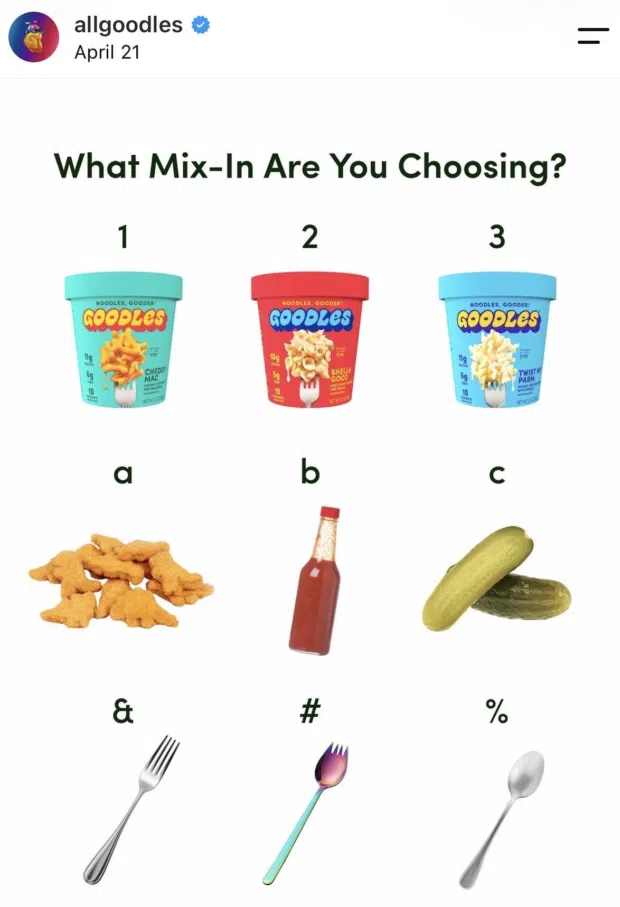
- Instagram/TikTok: Suited for visually rich, short-form, engaging content, behind-the-scenes glimpses, and brand personality showcases.
- Email Newsletters: A direct line to an engaged audience for exclusive content, updates, and nurturing leads.
- YouTube: The primary platform for video tutorials, long-form discussions, product demonstrations, and evergreen educational content.
By clearly delineating each channel’s purpose, distribution becomes more focused and less haphazard, maximizing the impact of each piece of content.
-
Conduct a Comprehensive Content Audit: Before embarking on new content creation, an audit of existing assets is highly beneficial. Many organizations possess a wealth of underutilized content that can be repurposed. This audit involves cataloging existing blog posts, videos, webinars, whitepapers, and social media archives. Each asset should be evaluated for its continued relevance, performance history, and potential for repurposing across different formats and channels. Assigning a repurposing potential score (e.g., low, medium, high) can streamline this process.
-
Establish a Repeatable Repurposing Workflow: The ability to consistently transform core content into varied formats is a hallmark of an effective distribution strategy. Owens highlights this, stating, "Different content formats will lend themselves naturally to different channels." For instance, a single webinar can yield multiple short clips for YouTube and LinkedIn, while its key takeaways can be distilled into an engaging email series or an infographic. The challenge lies in creating a scalable and repeatable process. Integrating AI tools can significantly enhance efficiency; for example, an AI could transcribe a webinar, extract five main takeaways, generate social media copy, and even suggest visual assets. A structured workflow with clear ownership, approval stages, and content calendars is vital for consistent execution.
-
Plan Distribution in Strategic Waves: Rather than a single launch, modern content distribution benefits from a phased, "wave" approach. This involves mapping out how a single piece of content can be disseminated over an extended period. A research report might launch on the company blog on Monday, followed by a LinkedIn post on Tuesday, a series of short video snippets on Instagram and TikTok a week later, and an email campaign segmenting key findings over the subsequent weeks. This staggered release ensures sustained visibility and allows for iterative testing and optimization. Owens suggests a tactile approach for initial planning: "Using a pen and paper to sketch out which channels that content will feed into is really helpful to visualize the flow and understand what systems you need to put in place to make this happen."
-
Measure, Analyze, and Iterate: The final, continuous step involves rigorous measurement and ongoing iteration. By returning to the predefined goals and KPIs, marketers can assess the performance of their distributed content. Which channels are driving the most reach, engagement, or conversions? Which content formats resonate most strongly with specific audience segments? These insights are critical for refining the strategy. If short-form video consistently outperforms static images, allocate more resources to video production. If LinkedIn proves effective for lead generation while Instagram excels at brand awareness, lean into these strengths. Continuous analysis ensures the strategy remains dynamic, optimized, and aligned with evolving audience behaviors and platform algorithms.
Key Distribution Channels Explored
While the combination of owned, earned, and paid media forms the strategic framework, specific channels offer distinct advantages for content distribution.

-
Social Media: As a pervasive discovery engine, social media is indispensable. Deloitte’s research indicates that 61% of consumers discovered a new brand or product via social media in the past year. Its flexibility allows for both organic engagement building over time and rapid, targeted reach through social media advertising.
- Pros: Enormous reach potential, diverse content formats (text, image, video, live), direct audience interaction, granular targeting options for paid campaigns, real-time feedback.
- Cons: Declining organic reach on many platforms, high content volume requiring constant differentiation, potential for negative feedback, platform algorithm changes.
-
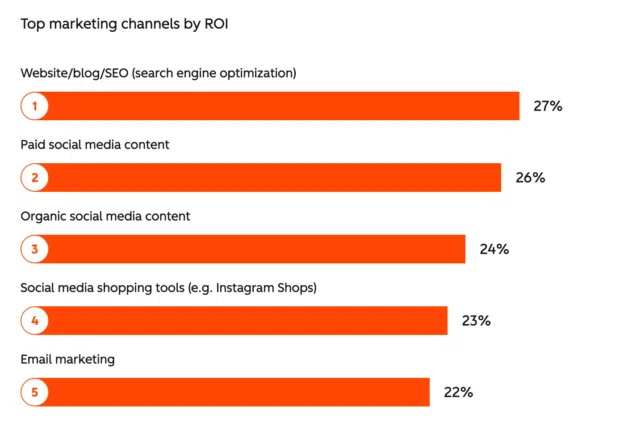
Search and Your Website: Search engines offer a unique advantage: audience intent. Users actively seeking information or solutions are highly receptive to relevant content. Unlike ephemeral social posts, well-optimized blog articles, landing pages, and resource hubs on a brand’s website can attract consistent organic traffic for months or even years. HubSpot’s 2026 report identified website/blog/SEO as the top channel for ROI, underscoring its long-term value.
- Pros: High audience intent, long-term organic traffic potential, builds authority and credibility, cost-effective over time, full control over content and user experience.
- Cons: Requires significant upfront investment in SEO and content creation, results can take time to materialize, competitive landscape for keywords.
-
Influencers and Creators: Influencer marketing has emerged as a powerful earned and paid distribution channel. Consumers trust creators more than brands; Deloitte reports that 83% of consumers view creators as genuinely trustworthy sources of information. Influencer partnerships provide access to highly engaged, niche audiences through voices they already respect, fostering authentic connections and driving product discovery.
- Pros: High audience trust and engagement, access to specific demographics, authentic brand storytelling, potential for viral reach, diverse content formats (reviews, tutorials, unboxings).
- Cons: Finding the right influencers can be challenging, potential for brand misrepresentation, cost can be prohibitive for smaller brands, difficulty in precisely measuring ROI.
-
Email Marketing: Often underestimated, email remains one of the most effective direct communication channels. Subscribers have explicitly granted permission to receive content, indicating a high level of interest and engagement. This direct line of communication is ideal for delivering new content, exclusive offers, and nurturing leads through personalized journeys.
- Pros: High ROI (often cited as the highest among digital channels), direct access to an engaged audience, customizable and personalized messaging, full control over content and delivery, excellent for lead nurturing and conversions.
- Cons: Requires list building and maintenance, risk of low open rates or being marked as spam, strict regulatory compliance (e.g., GDPR, CAN-SPAM).
Leveraging Technology for Optimized Content Distribution
The complexity of modern content distribution necessitates sophisticated tools for planning, execution, and analysis. Platforms like Hootsuite offer integrated solutions to streamline these processes.
-
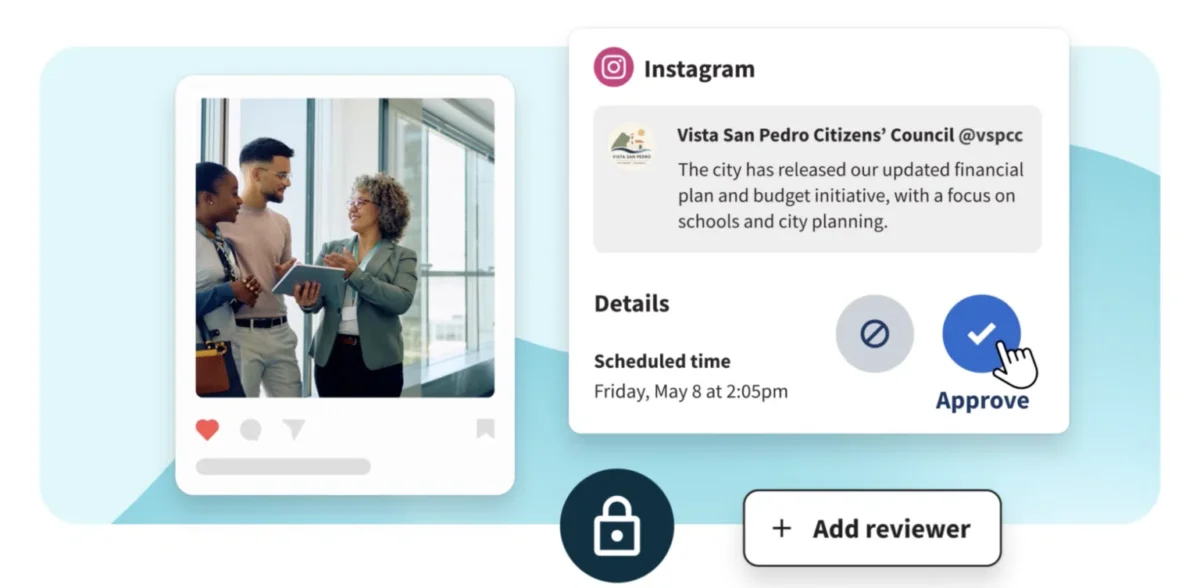
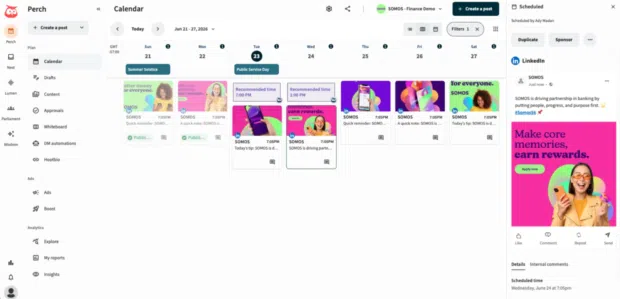
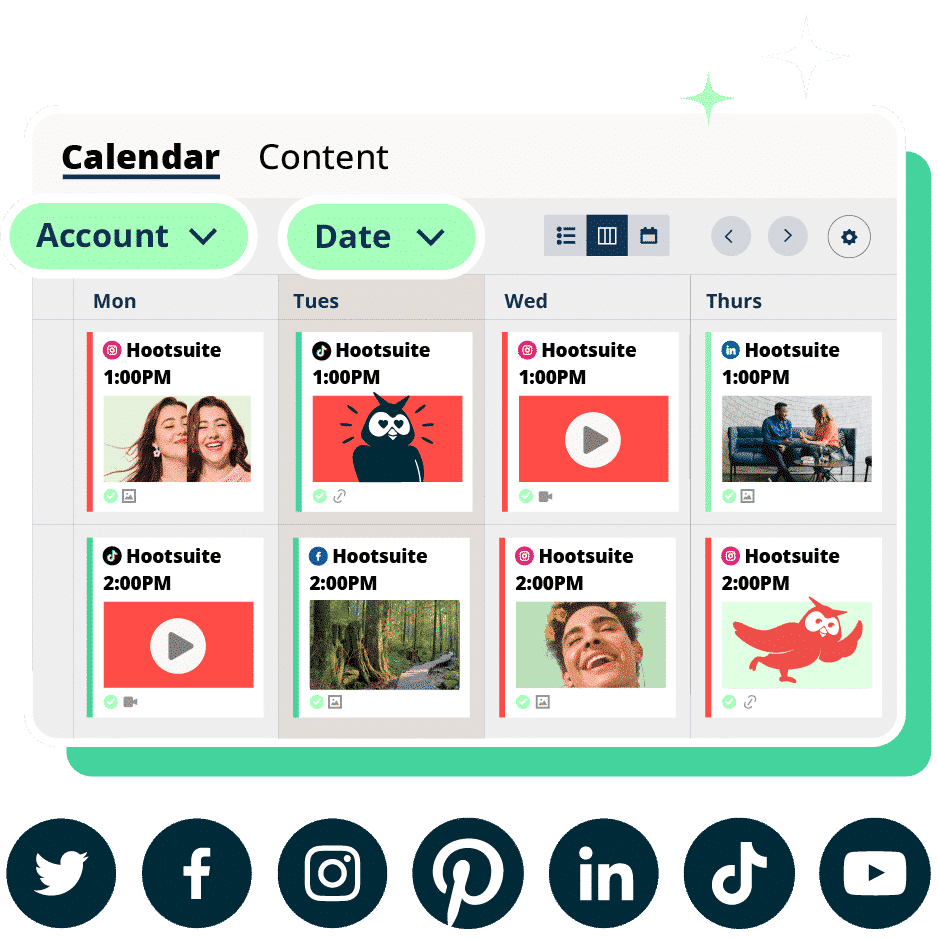
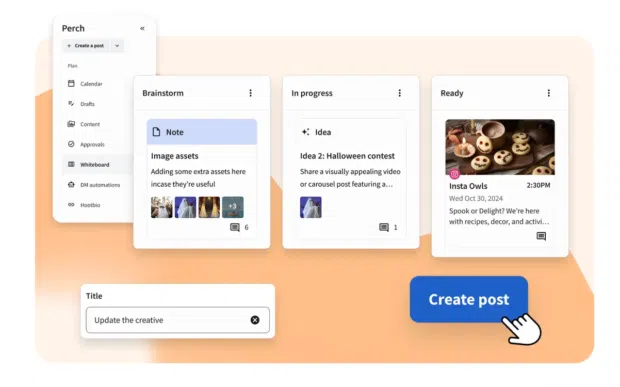
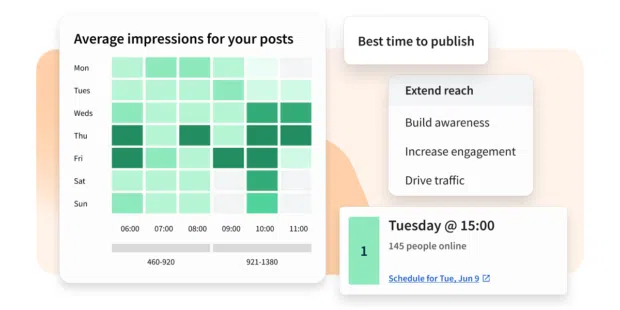
Centralized Planning and Scheduling with Perch: Managing multiple channels, campaigns, and publication schedules can quickly become chaotic. Hootsuite’s Perch provides a unified content calendar where teams can map out their distribution plan, customize content for each social network, and schedule posts for optimal times based on audience activity. Its collaborative features, including whiteboards for ideation and approval workflows, ensure seamless teamwork and consistent brand messaging as content scales.
-
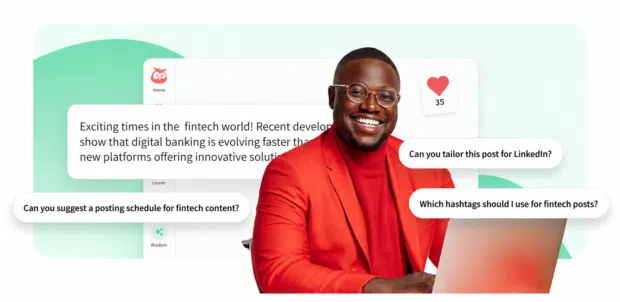
Intelligent Content Repurposing with Wisdom AI: Hootsuite’s social-first AI, Wisdom, significantly accelerates the content repurposing process. It can brainstorm new content angles, rewrite existing posts to fit different channel tones, adjust language for specific audiences, or transform trending topics into fresh content ideas. By integrating with Perch, Wisdom can directly populate the content calendar with AI-generated drafts, scheduled for peak audience engagement, thereby maximizing efficiency and output. The ability to automatically suggest optimal posting times further enhances content visibility and performance.

Conclusion
In the current digital age, content creation is only half the battle; effective distribution is the other, equally critical half. A well-articulated content distribution strategy, encompassing owned, earned, and paid media, is no longer a luxury but a necessity for brands seeking to cut through the digital clutter. By understanding audience behavior, strategically assigning channel roles, systematically repurposing assets, and leveraging advanced technological tools, organizations can ensure their valuable content reaches the right people, at the right time, in the right format, ultimately driving measurable business outcomes. The continuous cycle of planning, execution, measurement, and iteration will define success in the ever-evolving landscape of digital content.