The era of unrestricted digital access is coming to a close as artificial intelligence assumes the role of the primary gatekeeper between brands and their target audiences. For the better part of the last century, information flow was mediated by human intermediaries—journalists, editors, and administrative staff—who determined which stories reached the public. This paradigm shifted dramatically with the advent of social media, which dissolved these traditional barriers and introduced a fifteen-year period where paid media served as a "skeleton key" to buy attention. However, recent technological advancements and market shifts indicate that this era of direct, purchase-driven access is being replaced by an automated, algorithmic mediation layer.
Industry analysts and communications experts suggest that this shift represents an "inversion" of the traditional marketing logic. While the previous decade prioritized reach as a precursor to trust, the emerging landscape requires established trust and third-party corroboration before reach can be achieved. As agentic AI begins to broker interactions, brands are finding that traditional advertising units are increasingly ineffective at penetrating the decision-making layer of autonomous digital assistants.
The Evolution of Information Mediation
To understand the current transition, it is necessary to examine the history of information gatekeeping. Throughout the 20th century, the gatekeeper was almost exclusively human. In the realm of public relations and media relations, professionals focused on persuading these individuals—editors, producers, and reporters—that a particular brand story was worthy of their audience’s attention. This relationship-based model relied on human factors such as charm, relevance, and mutual benefit.
The arrival of social media platforms in the mid-2000s fundamentally altered this dynamic. By allowing brands to become their own publishers, platforms like Facebook, Twitter (now X), and LinkedIn democratized access to audiences. During this "open gate" era, the primary barrier to entry was no longer an editor’s approval but the size of a brand’s advertising budget. Paid media became the dominant force, allowing any entity with sufficient capital to bypass traditional filters and appear directly in user feeds. This period, which lasted roughly from 2008 to 2023, conditioned a generation of marketers to believe that attention could always be rented, if not earned.
The Rise of Agentic AI: 2024–2028
The current shift is driven by the rapid deployment of "agentic AI"—autonomous or semi-autonomous systems designed to act as digital concierges for both brands and consumers. According to research from Gartner, approximately 60% of brands are predicted to utilize agentic AI to deliver one-to-one customer interactions by 2028. These agents are not merely chatbots; they are persistent digital entities that research options, compare brand claims, and increasingly, execute transactions on behalf of the user.
As these AI agents become the primary interface through which consumers interact with the digital world, they effectively reinstate the gatekeeper model. Unlike the human gatekeepers of the past, these AI agents cannot be influenced by traditional relationship-building or high-spend advertising campaigns. They operate on logic, data verification, and cross-platform corroboration.
The Inversion of Trust and Reach
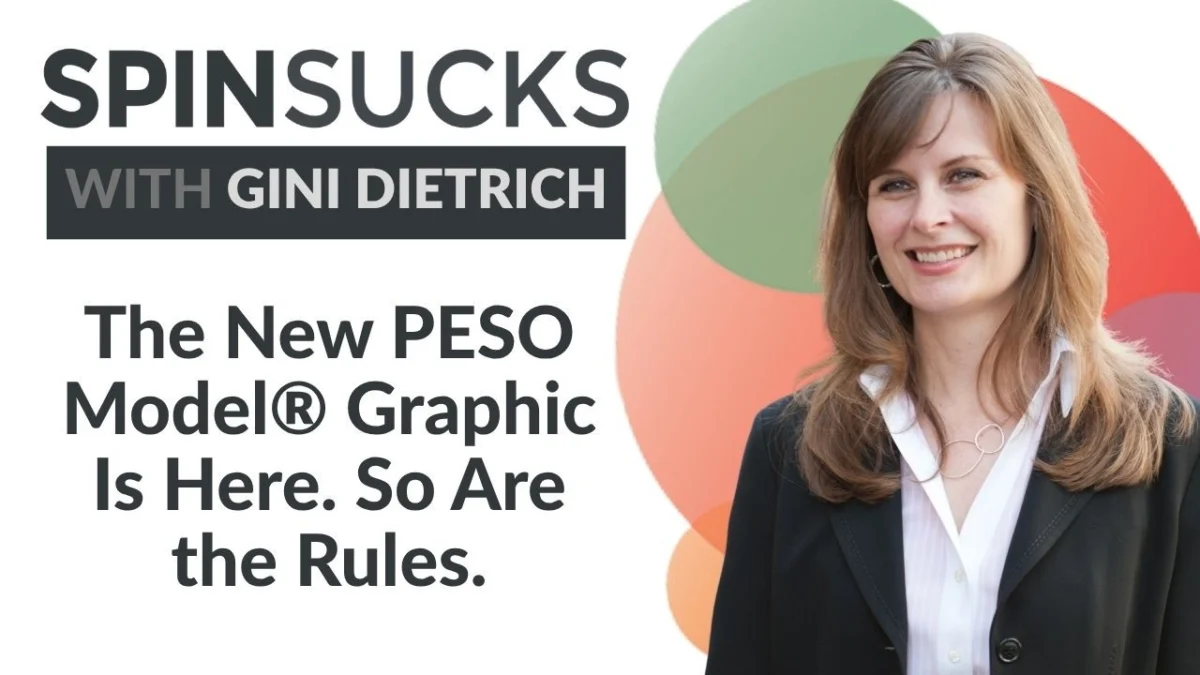
The core of this transformation lies in what communications strategist Gini Dietrich describes as the "inversion" of the trust-reach dynamic. In the social media era, brands bought reach (impressions) to build familiarity, which eventually led to trust. In the agentic AI era, the process is reversed. AI agents prioritize "probability over popularity," meaning they recommend brands not based on how many people have seen an ad, but on the statistical probability that the brand’s claims are true.
This verification process relies on a "machine-readable record" of credibility. When an AI assistant evaluates a brand, it looks for consistency across multiple data points:
- Owned Media: Does the brand’s website make specific, structured claims?
- Earned Media: Do reputable third-party publishers and journalists corroborate those claims?
- Shared Media: Does the community discussion and user-review landscape align with the brand’s narrative?
- Research and Data: Is there objective, citable evidence from analysts or academic sources?
If an AI agent finds a discrepancy between a brand’s self-stated claims and the third-party evidence available, its "confidence score" in that brand drops, leading the agent to filter the brand out of its recommendations to the user.
Supporting Data: The Credibility Gap in AI Citations
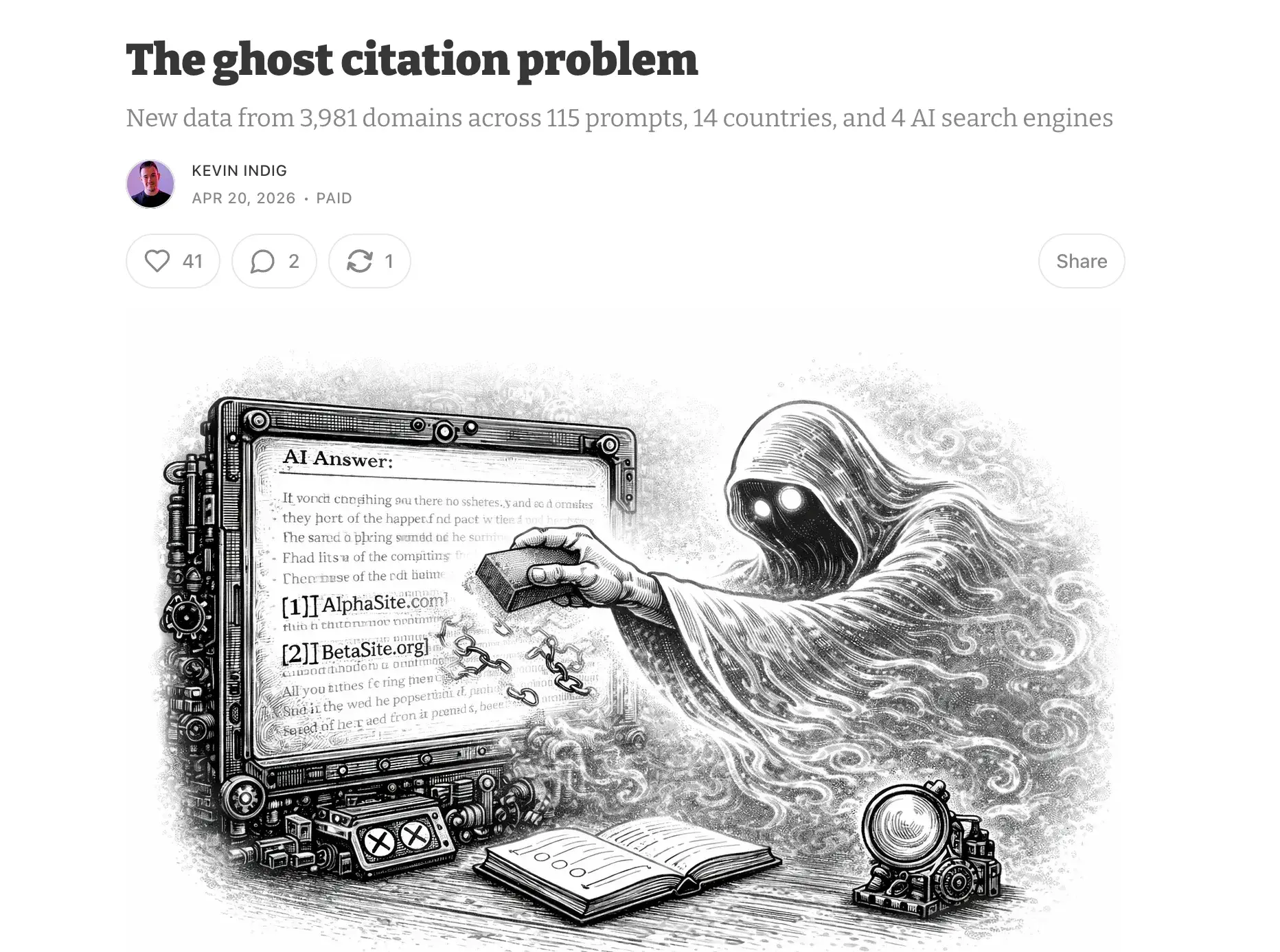
Data from recent marketing studies highlights the specific preferences of AI engines when sourcing information. Research indicates that AI models are three times more likely to cite premium publisher content—such as major news outlets, trade journals, and academic papers—than brand-owned content. This preference stems from the inherent bias of brand-owned media; AI systems are programmed to recognize that a company’s own website is a marketing tool, whereas a mention in a reputable third-party publication serves as independent validation.
Furthermore, the efficacy of traditional digital advertising is facing a structural decline in the face of AI-driven search. As platforms like OpenAI’s SearchGPT and Perplexity provide direct answers to user queries, the traditional "ad slot" is bypassed. The answer is delivered to the user before they ever have the opportunity to see or click on a sponsored link. This "zero-click" environment renders the traditional paid media "skeleton key" obsolete for a growing segment of the market.
Case Study: Duolingo and the Limitations of Virality
The limitations of the current "shared media" approach were highlighted in a recent analysis of the language-learning platform Duolingo. In early 2025, Duolingo achieved massive social media visibility through a viral campaign involving the "funeral" of its mascot. The campaign generated over 580,000 brand mentions in two weeks, significantly outperforming the social conversation surrounding multi-million dollar Super Bowl commercials.
However, despite this viral success, a diagnostic of the brand’s visibility within AI systems revealed a surprising gap. While Duolingo dominated social media (Shared Media), its "authority layer" within AI models remained relatively thin. This is because AI agents do not weight TikTok comments or viral memes as heavily as they do structured data, journalistic coverage, and educational research. The Duolingo case serves as a warning for brands: fame on social platforms does not necessarily translate to authority in the eyes of the new AI gatekeepers.
Strategic Implications for the PESO Model
The re-emergence of the gatekeeper necessitates a strategic re-evaluation of the PESO Model (Paid, Earned, Shared, Owned). To remain visible, brands must shift their focus from "buying access" to "building an evidence file."
1. Earned Media as the Primary Signal
In the AI era, earned media (public relations) moves from being a "nice-to-have" awareness play to a critical admission strategy. Journalistic coverage provides the third-party validation that AI agents require to verify a brand’s claims. Without a steady stream of earned media mentions, a brand lacks the "corroboration" necessary to pass the AI gatekeeper’s filter.
2. The Reframing of Paid Media
Paid media is no longer a tool for gaining initial access to an audience. Instead, its role has shifted toward amplification. Brands are encouraged to use advertising dollars to promote content that has already been corroborated by third parties. For example, a brand might put paid spend behind a feature article in a major trade publication rather than a direct sales landing page.
3. Consistency in Owned Content
Owned media must be structured in a way that is easily digestible by AI crawlers. This includes the use of schema markup and clear, factual assertions that can be easily cross-referenced with external data.
4. Operationalizing Corroboration
One of the most significant challenges for modern marketing departments is that corroboration cannot be treated as a short-term campaign. AI gatekeepers read a brand’s record continuously. Therefore, the "evidence file" must be updated and maintained with the same consistency as a financial ledger. This requires a shift from creative-led "burst" marketing to operationally-led "always-on" communications.
Broader Impact and Future Outlook
The return of the gatekeeper has profound implications for the structure of the marketing and communications industry. As the ability to "buy" one’s way into a conversation diminishes, the strategic importance of communications professionals who can earn third-party trust is expected to rise. Analysts suggest that the most valuable skill set in the coming years will be "Visibility Engineering"—the ability to coordinate various media types to ensure a brand is not only seen but "vouched for" by autonomous systems.
Furthermore, this shift may lead to a "flight to quality" in the media landscape. As brands realize that AI agents value premium publisher content above all else, there may be a renewed investment in traditional media relations and high-quality journalism.
In conclusion, while the democratization of the social media era provided a brief period of direct access, the technological pendulum is swinging back toward a mediated reality. The new gatekeepers are not humans in newsrooms, but algorithms in data centers. For brands to survive this transition, they must move beyond the pursuit of impressions and focus on the much harder task of building verifiable, machine-readable credibility. The gatekeepers are back, and this time, the only way through is to prove you belong in the room.