The landscape of B2B Software-as-a-Service (SaaS) marketing has reached a critical inflection point where traditional lead generation tactics are yielding diminishing returns. As of mid-2026, industry data indicates a significant disconnect between marketing efforts and sales outcomes, primarily centered on the "request a demo" call-to-action (CTA). While marketing teams often treat the demo request as a low-friction entry point, buyers increasingly view it as a high-commitment hurdle. This shift in perception has forced a reevaluation of landing page strategies, moving away from simple lead capture toward comprehensive, trust-based conversion frameworks.
The Crisis of the Low-Friction Demo Myth
For years, SaaS companies operated under the assumption that a "Request a Demo" button was the most effective way to funnel prospects into the sales pipeline. However, recent performance audits reveal a recurring cycle of inefficiency: demo requests decline, marketing increases spend on demo-focused advertisements, and lead quality continues to plummet. According to Danielle Torrie of Unbounce, the fundamental error lies in treating a sales meeting with the same weight as a guide download or a webinar registration.
In the current market, asking a prospect to book time with a sales representative is one of the highest-friction actions a marketer can request. It requires the buyer to surrender their time, provide personal data, and prepare for a potentially high-pressure sales environment. When SaaS teams ignore this psychological weight, they inadvertently create barriers to conversion rather than bridges.
Chronology of the B2B Buyer Journey (2020–2026)
The evolution of the B2B buying process over the last half-decade explains the current challenges facing landing page performance.
- 2020–2022: The Digital Acceleration: Following the global pandemic, B2B buying shifted almost entirely online. Buyers became accustomed to self-serving information, leading to an initial surge in demo requests as companies digitized their operations.
- 2023–2024: Information Saturation: As the market became crowded with SaaS solutions, buyers grew more skeptical. The "research-first" mentality took hold, with prospects spending more time on third-party review sites and in "dark social" communities before ever visiting a vendor’s website.
- 2025: The Efficiency Mandate: Google’s 2025 update to its ad quality prediction model fundamentally changed how landing pages were ranked and rewarded. The model began penalizing "walled garden" landing pages that lacked navigation, favoring those that provided a cohesive user experience and relevant next steps.
- 2026: The Long-Cycle Reality: Data from Dreamdata’s 2025 LinkedIn Ads Benchmark Report, which remains the gold standard in 2026, shows that the average B2B customer journey now spans 211 days and involves approximately 88 unique touches.
This timeline illustrates that the demo request is no longer the start of the journey; it is increasingly the final confirmation step for a well-researched buyer.
Analyzing Benchmarks: The Single-Digit Reality
Understanding the effectiveness of a demo landing page requires a grounding in realistic benchmarks. First-party research and industry reports from Unbounce and B2B experts like Tas Bober suggest that SaaS landing pages convert at a median rate of 3.8%. In specialized B2B environments, this average can dip closer to 3.1%.
These figures represent a performance ceiling for many organizations. Industry analysts point out that when conversion rates fall below these marks, the problem is rarely the color of a button or the phrasing of a headline. Instead, it is often a "traffic-intent mismatch." Sending "cold" traffic—users who have had zero prior interaction with the brand—to a demo page is increasingly viewed as a waste of ad spend. High-performing pages in 2026 are those that focus on "warm" traffic: returning visitors, email subscribers, and those coming from high-intent search queries.
The "Core Four" Framework: A Tactical Response
To address the 211-day buyer journey, landing page expert Tas Bober developed the "Core Four" framework, which has been widely adopted by SaaS teams to align landing pages with search intent. The framework posits that a demo page cannot exist in a vacuum; it must be supported by three other foundational page types:
- The Educational Page (TOFU): Focuses on the problem the buyer is facing without pushing the product.
- The Solution Page (MOFU): Explains how the category of software solves the problem.
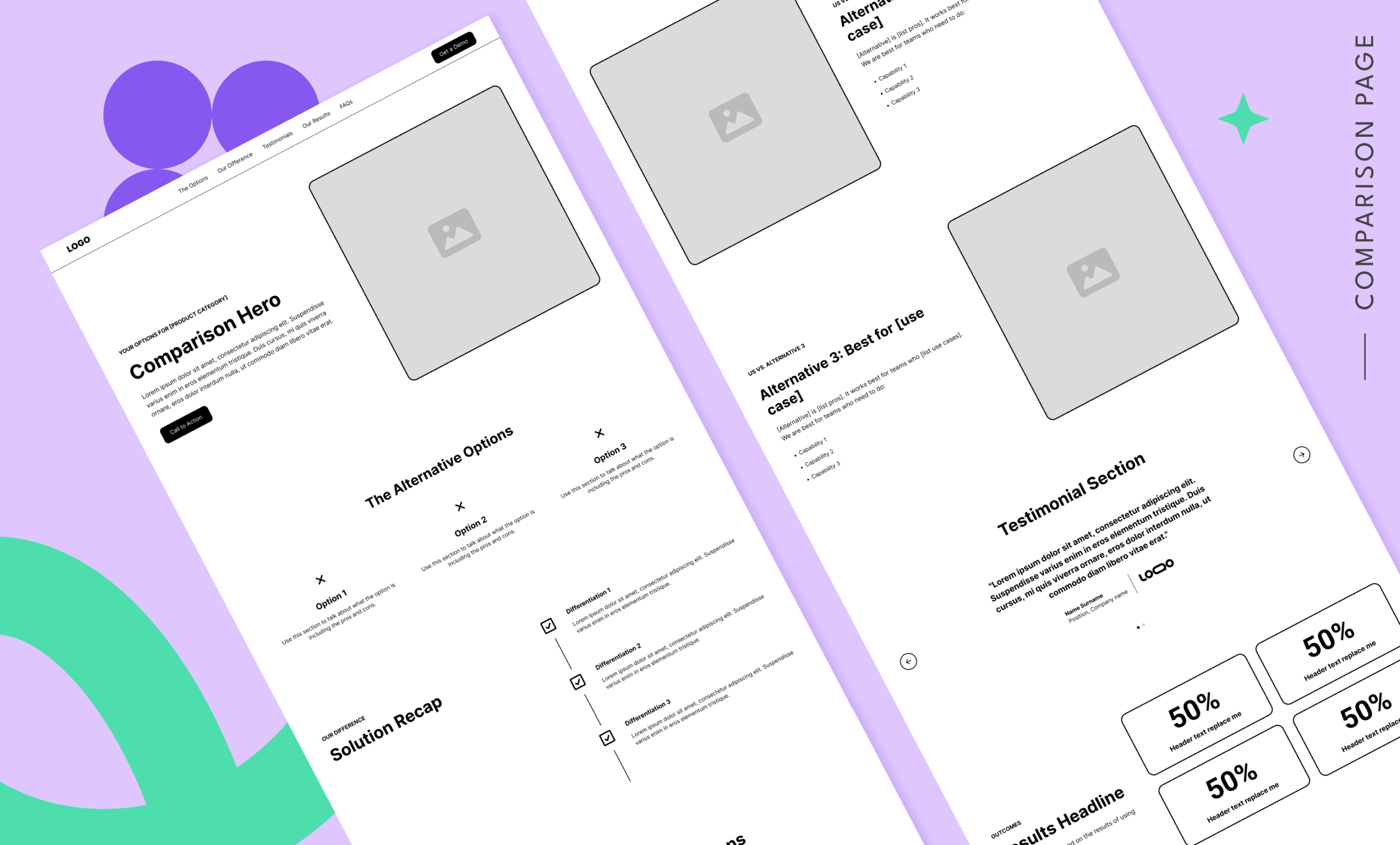
- The Comparison Page (BOFU): Directly compares the vendor against competitors.
- The Demo Page (Conversion): The final destination for buyers who have already consumed the previous three tiers of information.
By the time a visitor reaches the demo page, the goal is no longer to introduce the product but to remove the final points of friction.

Structural Anatomy of a 2026 Demo Landing Page
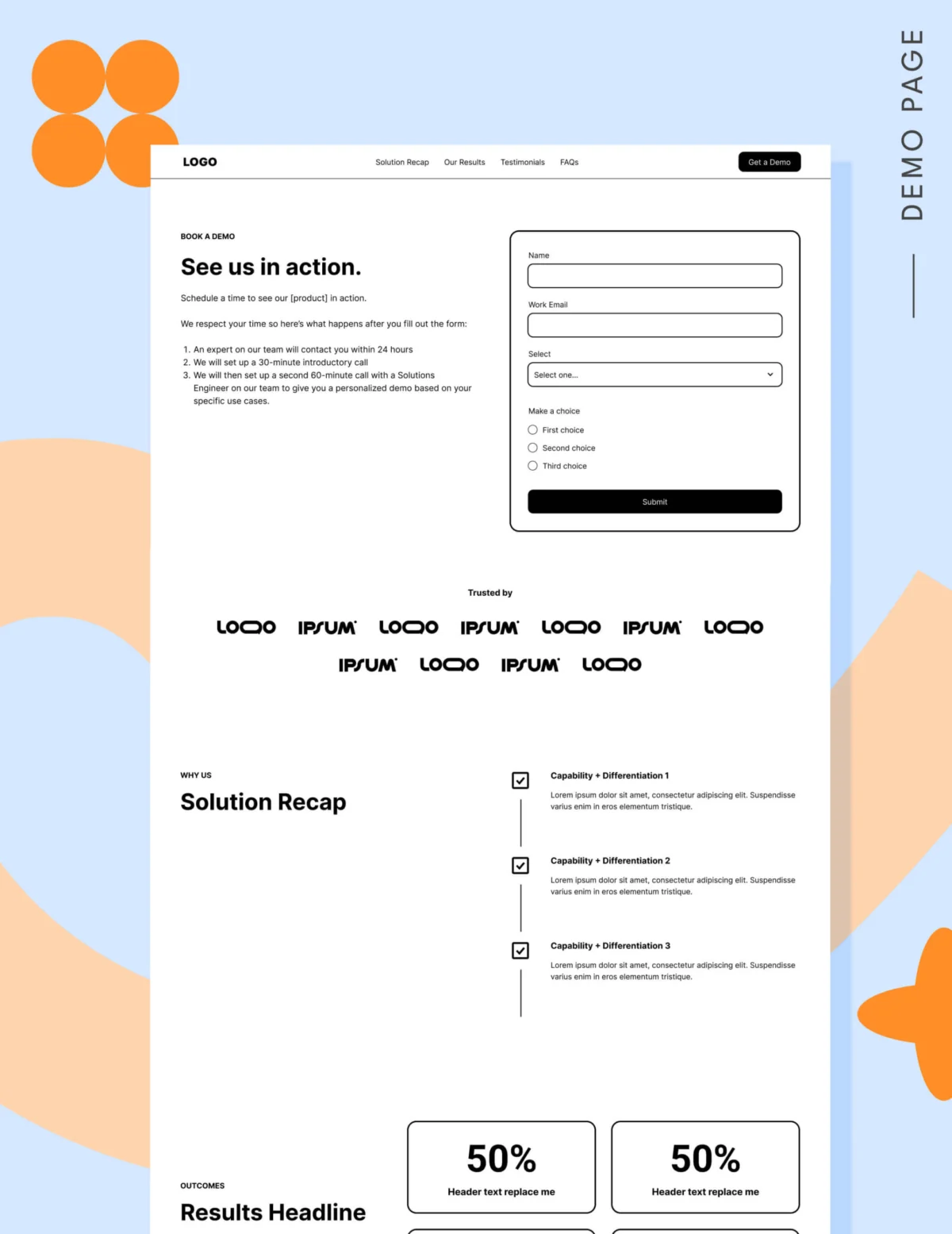
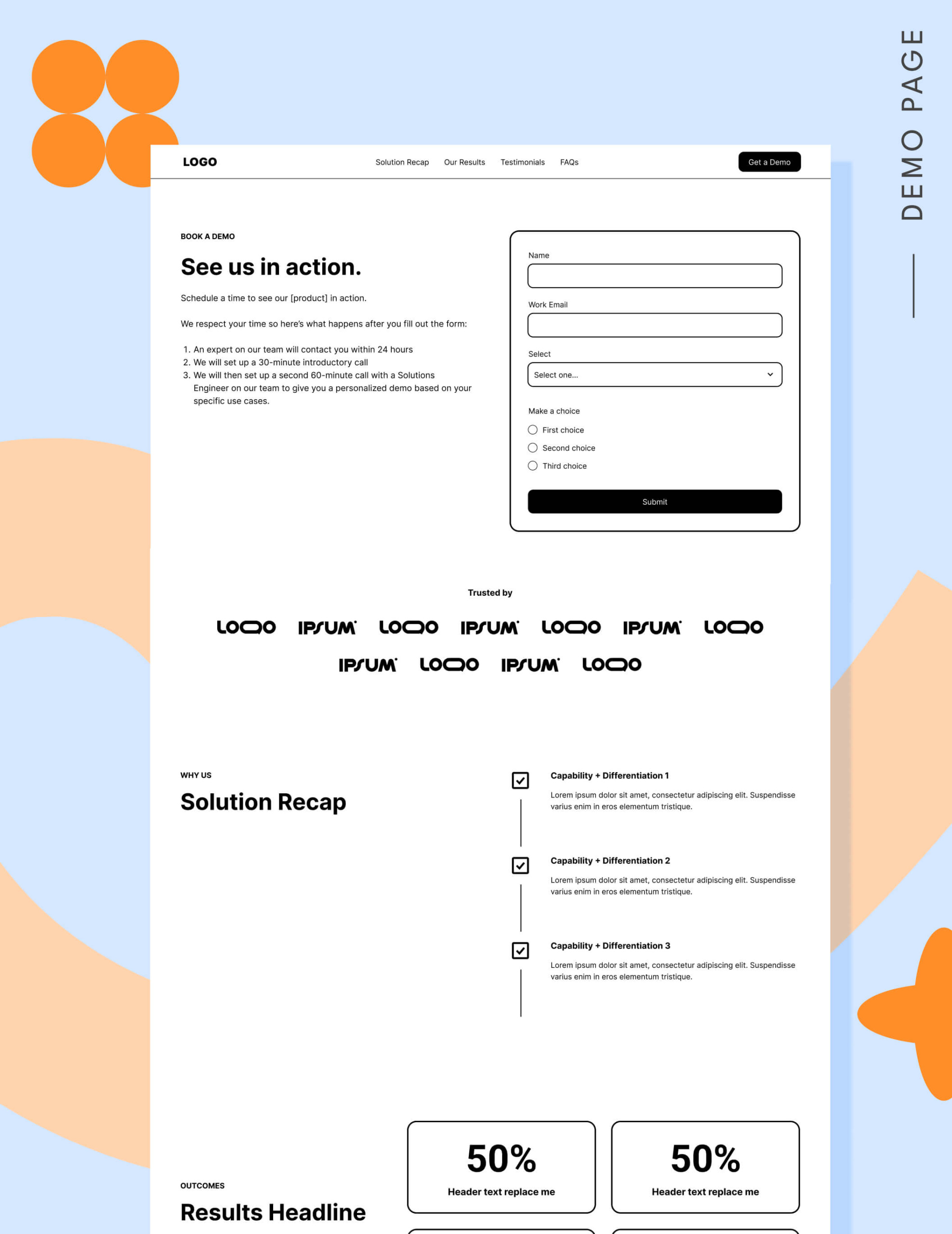
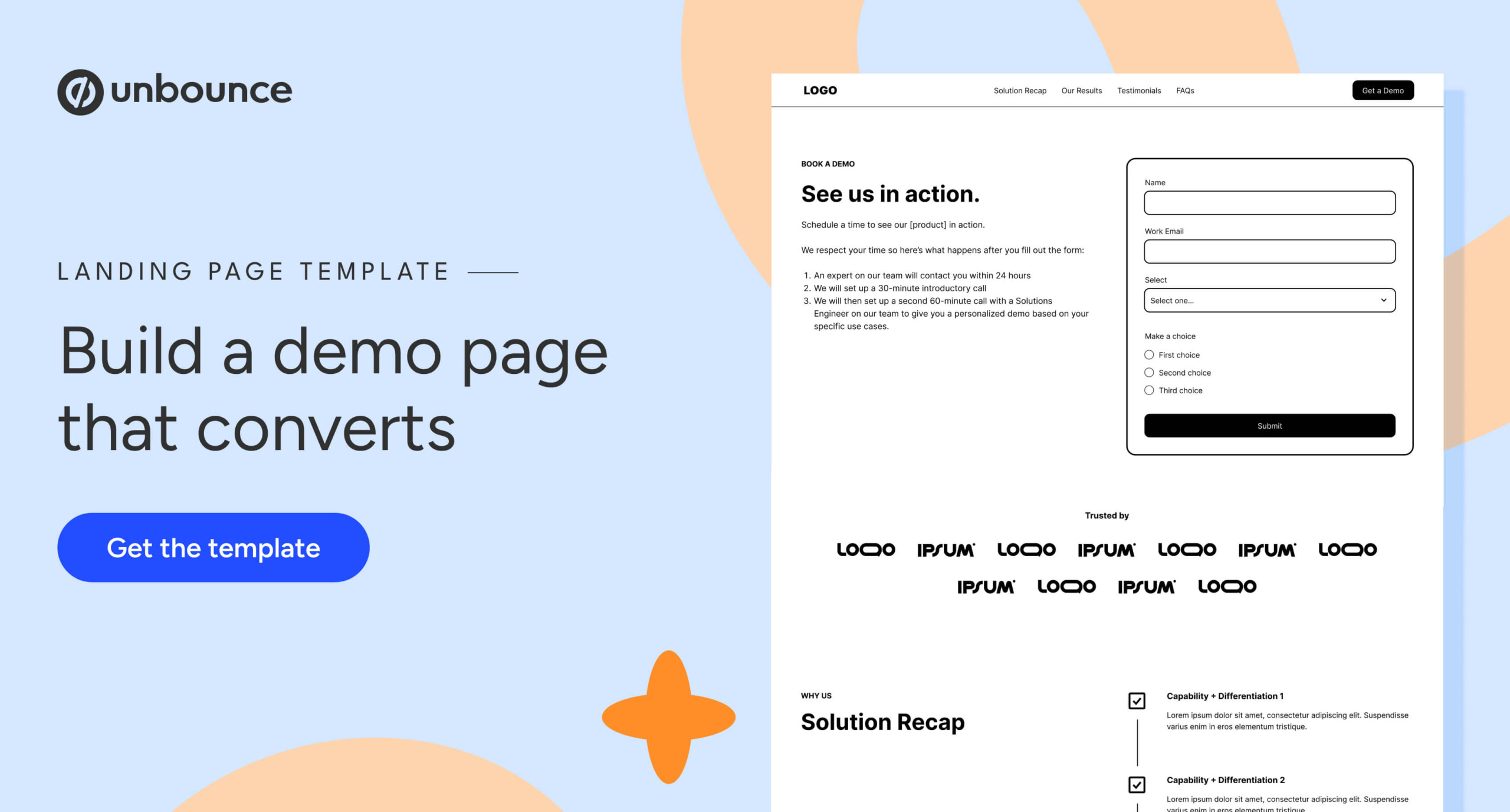
Modern demo pages have moved away from the "no-exit" philosophy of the early 2020s. Following the 2025 Google update, professional journalistic standards for landing pages now include specific structural elements designed to build confidence.
Adaptive Navigation
Contrary to old-school marketing dogma, removing navigation can actually hurt conversion. Current best practices suggest using anchor links that allow users to jump to specific sections of the page (e.g., pricing, results, or FAQs). Additionally, a minimal footer that links to the other "Core Four" pages allows users who aren’t yet ready for a demo to continue their research rather than bouncing back to search results.
The Transparency-Focused Hero Section
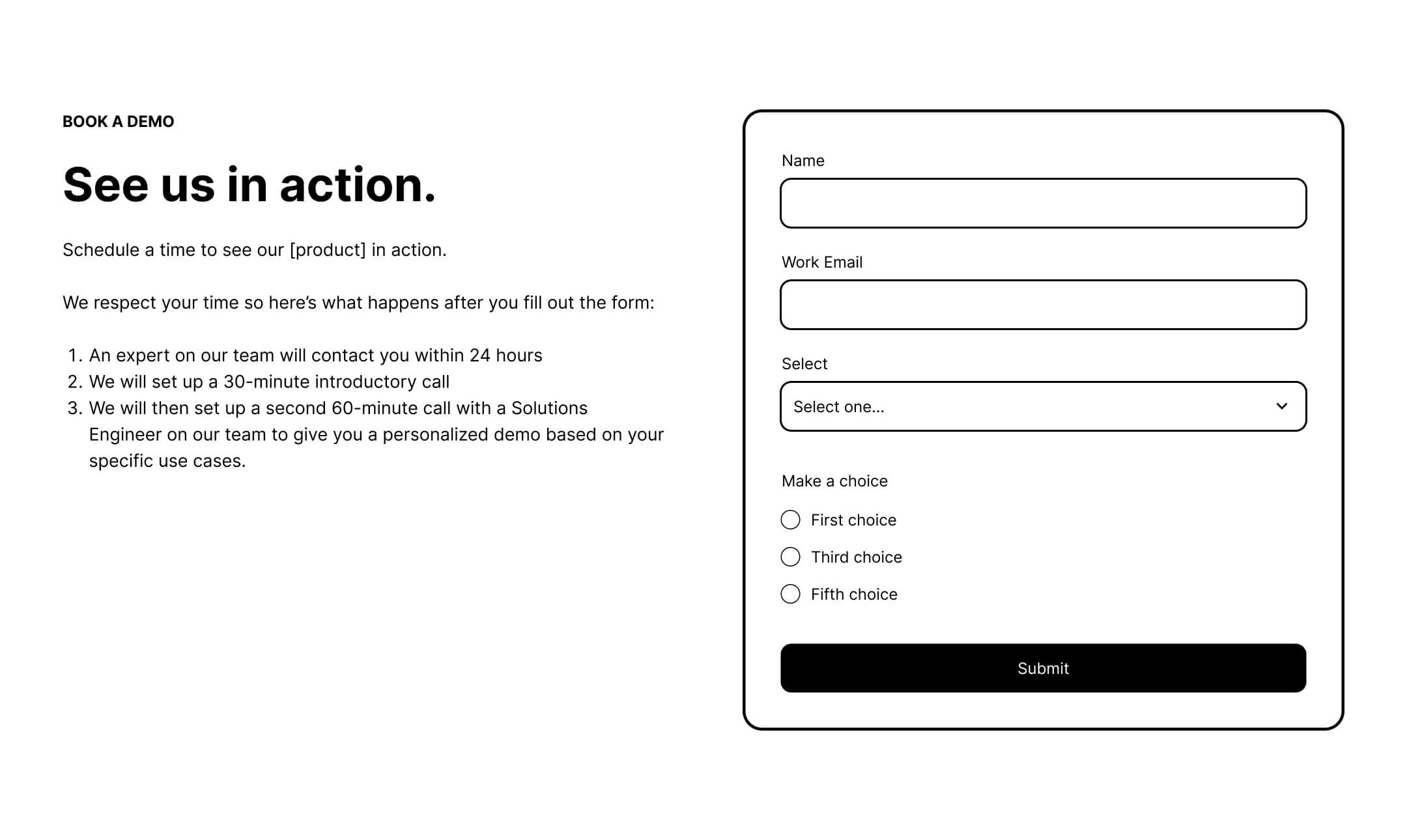
The hero section remains the most critical real estate. In 2026, successful hero sections do more than state a value proposition; they explain the "post-submit" process. High-converting pages explicitly answer:
- Who will the buyer talk to (e.g., an Account Executive or a Technical Consultant)?
- How long will the meeting last?
- What is the specific agenda of the call?
Stacking Social and Quantifiable Proof
The "logo garden" remains a staple, but its implementation has become more nuanced. If the logos are not household names within the prospect’s specific niche, experts recommend replacing them with "light testimonials"—one- or two-line quotes that emphasize the ease of the transition or the immediate ROI. Furthermore, the inclusion of a "Results" section featuring measurable, quantifiable data is now considered non-negotiable for B2B trust-building.
The Pricing Debate and Form Optimization
One of the most significant shifts in 2026 is the movement toward pricing transparency on demo pages. Historically, sales-led organizations hid pricing to force a conversation. However, data suggests this creates a "trust deficit." Including a starting price or a condensed pricing grid serves as a self-qualification tool. It ensures that the sales team only speaks with prospects who have the budget to move forward, thereby increasing lead quality even if total lead volume slightly decreases.
Form length also continues to be a point of contention. Data from Digital Applied’s 2026 benchmarks shows a dramatic drop-off in conversion as form fields increase:
- 5 Fields: ~17% conversion rate.
- 7 Fields: ~11% conversion rate.
- 10+ Fields: <7% conversion rate.
The consensus among marketing operations professionals is to use the minimum number of fields necessary to route the lead effectively, often leveraging third-party data enrichment tools to fill in company size and industry details behind the scenes.
Official Responses and Market Implications
The shift toward high-intent, high-friction CTAs has drawn reactions from various stakeholders in the SaaS ecosystem. Sales leadership has generally welcomed the move toward "warm" traffic targeting. "Marketing was previously handing us a high volume of ‘garbage’ leads—people who just wanted to see a UI but had no intent to buy," noted one sales director in a recent industry roundtable. "The new focus on educating the buyer before the demo request has resulted in a 20% increase in our close-won rates, even though the total number of demos has stabilized."
Conversely, some paid media managers expressed initial concern over the higher Cost Per Acquisition (CPA) associated with multi-touch journeys. However, as the 2025 Google update began rewarding pages with better user experiences, the long-term benefit of lower "bounce" rates and higher ad quality scores has largely mitigated these cost concerns.
Broader Impact on SaaS Growth Strategies
The implications of these findings extend beyond landing page design. They suggest a fundamental change in how SaaS companies must fund and structure their marketing departments. The "demo-at-all-costs" model is being replaced by a "content-first" architecture where the landing page is the final chapter of a long-form narrative.
As we move through 2026, the successful SaaS companies will be those that respect the buyer’s time and intelligence. By fixing targeting first, providing transparent pricing, and treating the demo request as a significant commitment rather than a casual click, organizations can build a more resilient and predictable revenue engine. The era of the "magic" landing page is over; the era of the strategic, information-rich conversion ecosystem has begun.