The marketing industry has undergone a monumental transformation, with a staggering seventy percent of marketers reporting that changes in the past three years have surpassed those of the preceding five decades. This accelerated evolution necessitates that marketing automation platforms adapt rapidly to remain relevant and effective. Pardot, a long-standing fixture in the Business-to-Business (B2B) landscape, has increasingly been perceived as lagging in development, prompting a growing number of businesses to seek alternative solutions.
Background: The Rise and Rebranding of Pardot

Pardot, originally an independent entity, was acquired by Salesforce in 2013 and subsequently rebranded in 2022 as Marketing Cloud Account Engagement. This acquisition placed Pardot within the vast Salesforce ecosystem, aiming to integrate its B2B marketing automation capabilities with Salesforce’s dominant CRM platform. For years, Pardot served as a critical tool for B2B companies, enabling lead nurturing, email marketing, landing page creation, and sales alignment. Its integration with Salesforce CRM was a key selling point, allowing marketing and sales teams to work from a unified view of customer data.
However, the strategic direction and pace of development for Pardot post-acquisition have become a central concern for its user base. Tom Ryan, founder of MarCloud and a veteran Pardot consultant since 2016, highlights a prevailing sentiment among users: the fear of eventual discontinuation. "There’s no development on the platform," Ryan explains, suggesting a clear migration path is being laid out by Salesforce. To him, it feels less like "if" and more like "when" Pardot will be phased out, compelling businesses to proactively seek more future-proof solutions. This perception, whether fully realized or not, significantly impacts user confidence and long-term investment decisions.
Driving Factors Behind the Exodus: Technical and Strategic Pain Points

Beyond the existential concerns surrounding its future, several operational and strategic pain points are fueling the migration away from Pardot. These issues often revolve around its integration complexities, reporting limitations, and a perceived lack of modern features compared to newer platforms.
1. Revenue Attribution and Reporting Deficiencies:
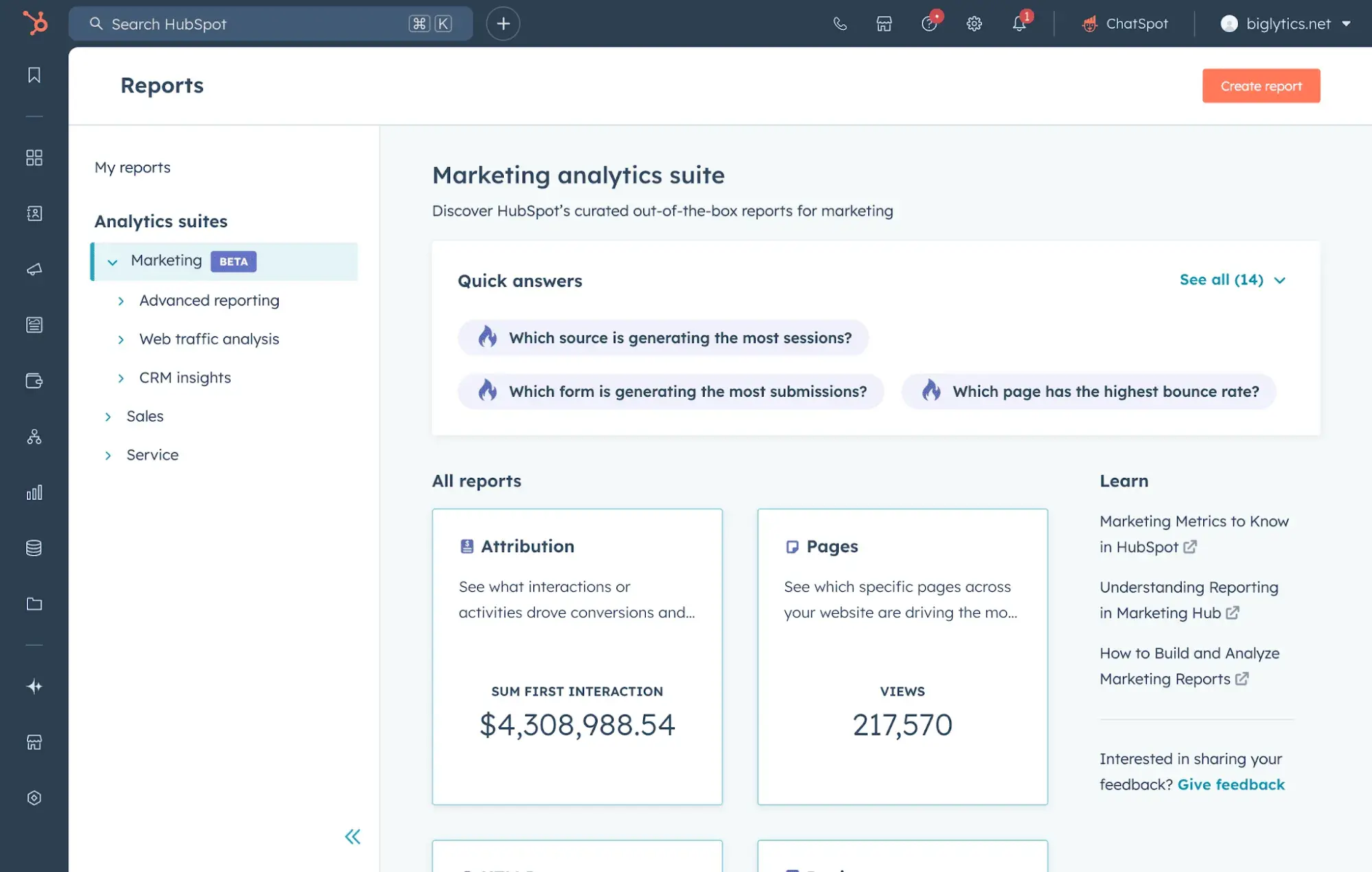
Ryan points to revenue attribution and reporting as persistent challenges for Pardot users. Achieving accurate revenue attribution is "incredibly difficult if you do not know how to do it," often requiring users to "wrestle with the Pardot-Salesforce sync." This complexity arises because Pardot, while connected to Salesforce, operates as a somewhat separate system. Data synchronization, while functional, can be cumbersome, leading to inconsistencies or requiring significant manual effort to reconcile.
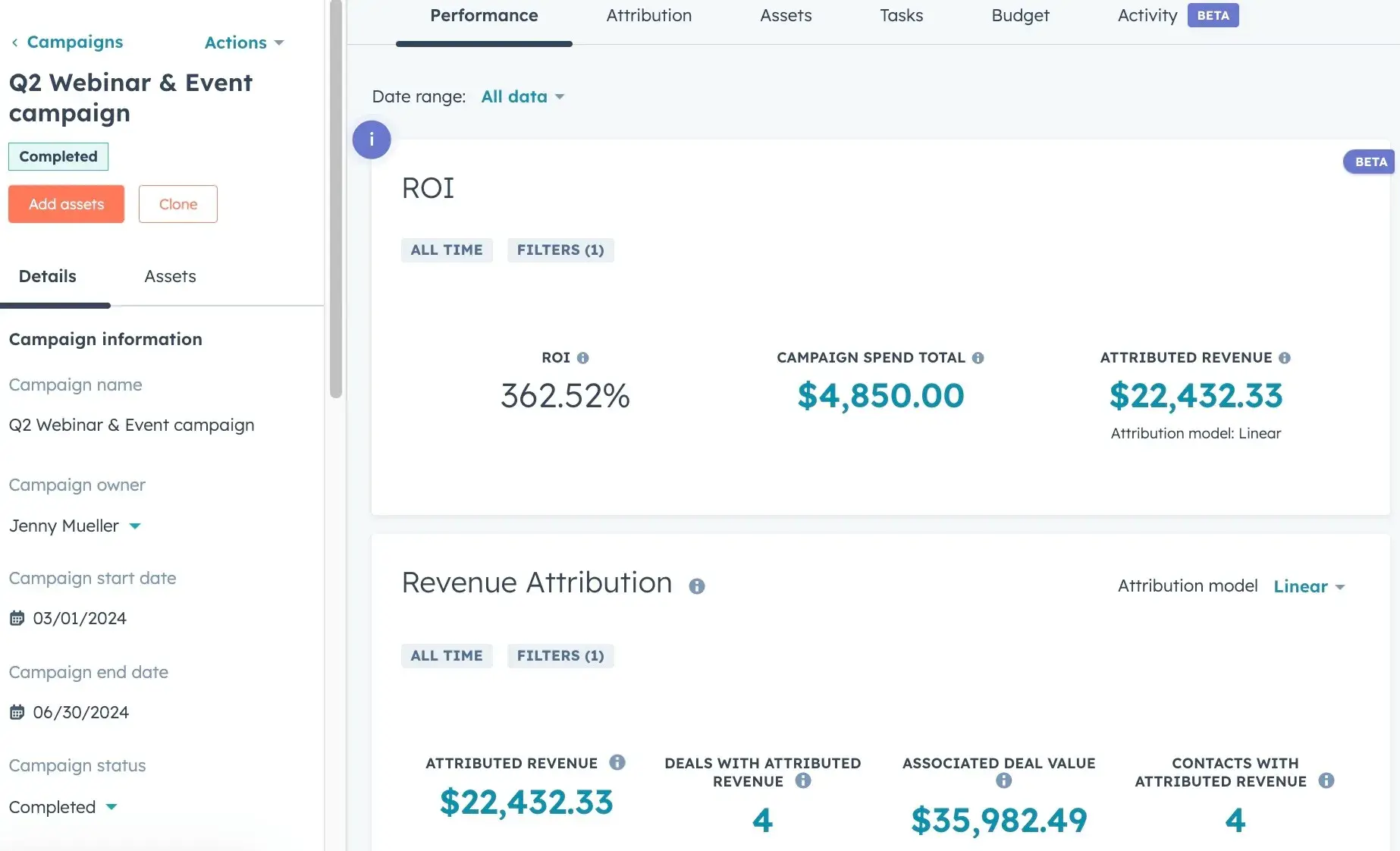
Furthermore, reporting within Pardot itself offers limited flexibility. "The reports are not customizable in Pardot and therefore, people cannot get the reports they need," Ryan notes. This lack of granular control over reporting makes it challenging for B2B marketers to demonstrate Return on Investment (ROI), optimize campaigns, and make data-driven decisions without "consultant-level knowledge" to extract and analyze data. In an era where data analytics and personalized insights are paramount, rigid reporting structures hinder strategic marketing efforts.
2. Data Silos and Integration Challenges:
Despite its connection to Salesforce CRM, Pardot often creates a data silo effect. As a "separate, connected system," it requires careful management of data flow and synchronization rules. Modern marketing automation platforms are increasingly built with native, seamless CRM capabilities or deep, real-time two-way integrations, eliminating much of the friction associated with data silos. The manual effort or complex configurations needed to ensure data consistency between Pardot and Salesforce can consume valuable resources and introduce potential points of error.
3. Lagging Innovation and User Experience:
The sentiment of "no development" extends beyond just feature stagnation; it implies a lack of investment in enhancing the user experience and incorporating cutting-edge marketing technologies. The contemporary marketing landscape demands intuitive interfaces, AI-powered insights, advanced personalization, and streamlined workflows. Many users find Pardot’s interface and capabilities less modern or intuitive compared to platforms designed from the ground up for today’s digital-first marketers. This can lead to increased training time, slower campaign execution, and a higher reliance on technical consultants.
Industry Trends Supporting the Shift
The broader marketing technology (MarTech) landscape is characterized by rapid innovation and consolidation. The global marketing automation market size was valued at USD 5.7 billion in 2023 and is projected to grow significantly, driven by the increasing adoption of digital marketing strategies and the need for personalized customer experiences. Key trends include:
- Consolidation and All-in-One Platforms: Businesses are increasingly seeking integrated solutions that combine CRM, marketing automation, sales, and service under one roof. This reduces complexity, improves data visibility, and enhances collaboration across departments.
- AI and Machine Learning Integration: AI is transforming marketing automation, enabling advanced personalization, predictive analytics, intelligent content creation, and optimized campaign performance. Platforms that embed AI natively offer a significant competitive advantage.
- Customer Data Platforms (CDPs): The rise of CDPs emphasizes the importance of unifying customer data from various sources to create a single, comprehensive customer profile. Marketing automation platforms that integrate well with CDPs or offer similar capabilities are highly valued.
- Emphasis on User Experience (UX): Marketers demand user-friendly interfaces, drag-and-drop builders, and intuitive workflows that empower them to execute complex strategies without deep technical expertise.
These trends highlight why platforms perceived as stagnant are losing ground to more agile and feature-rich alternatives.
Evaluating Pardot Alternatives for B2B Teams
When businesses decide to move away from Pardot, the evaluation of alternatives centers on several critical criteria: CRM integration, automation capabilities, ecosystem integrations, user experience, scalability, and pricing.
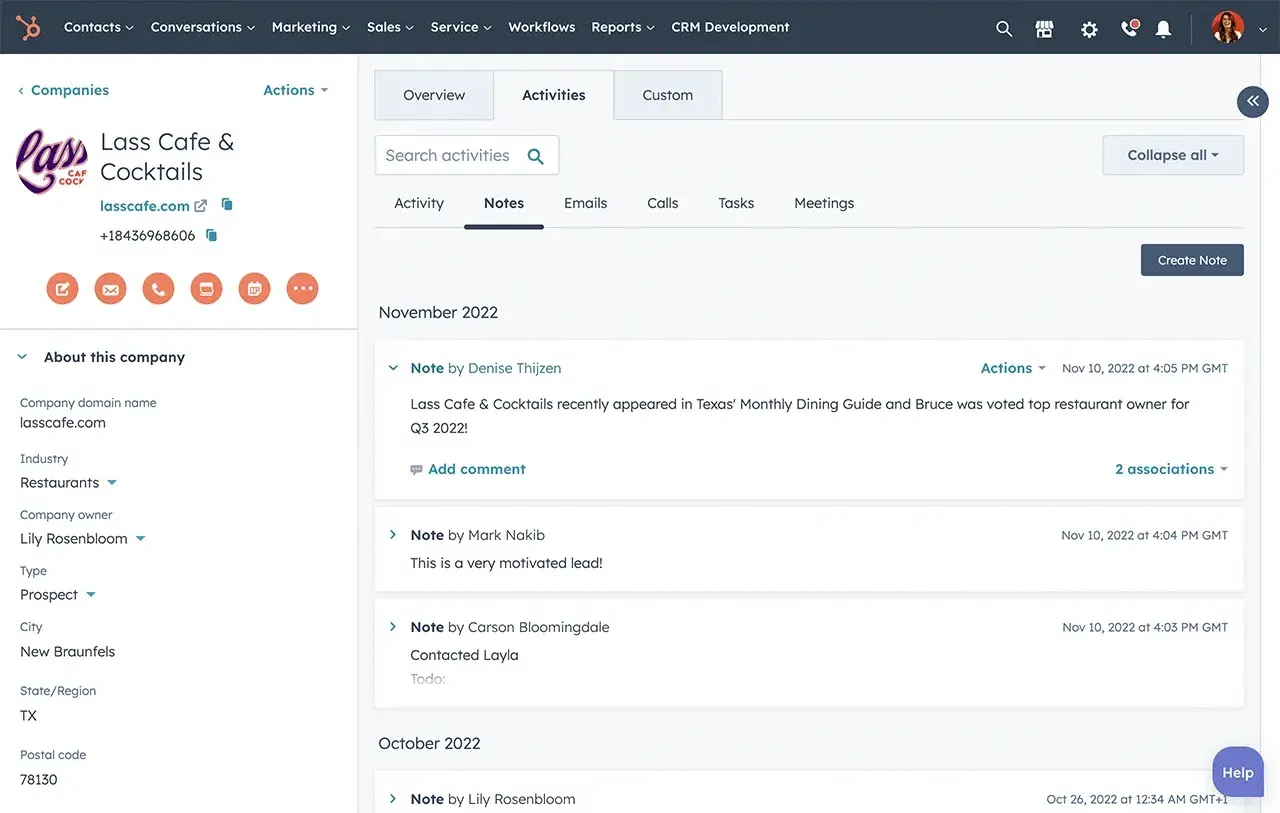
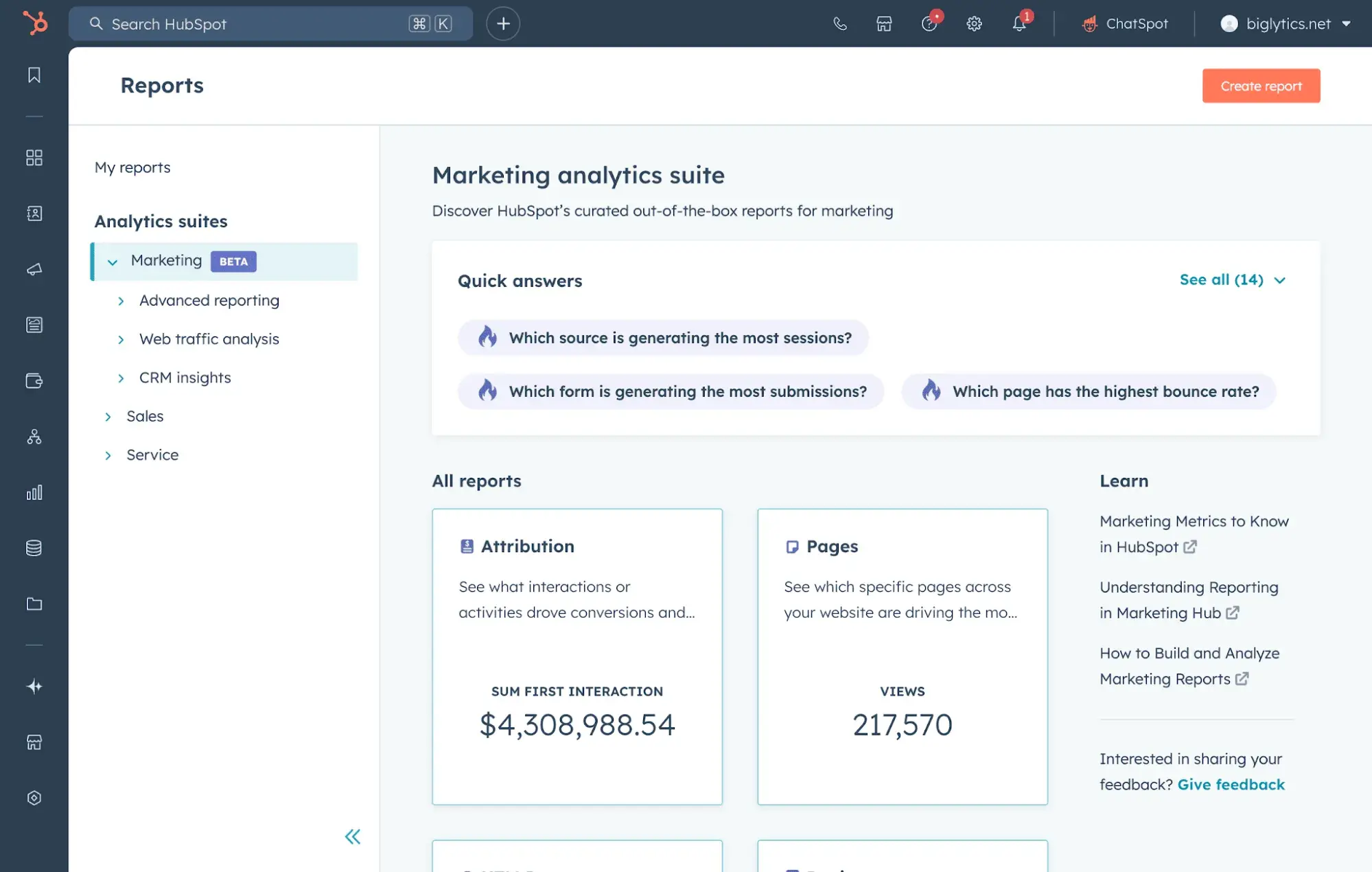
1. HubSpot Marketing Automation: The Frontrunner
HubSpot Marketing Automation is frequently cited as the most common destination for businesses migrating from Pardot. Tom Ryan notes, "Pardot to HubSpot makes the most sense. There’s a lot of architectural similarities between Pardot and HubSpot via the connector. So there’s a familiarity there, and you get so much more." The popularity is so pronounced that Ryan’s own consultancy, MarCloud, transitioned from a Pardot-specific firm to achieving Diamond Solutions Partner status with HubSpot.
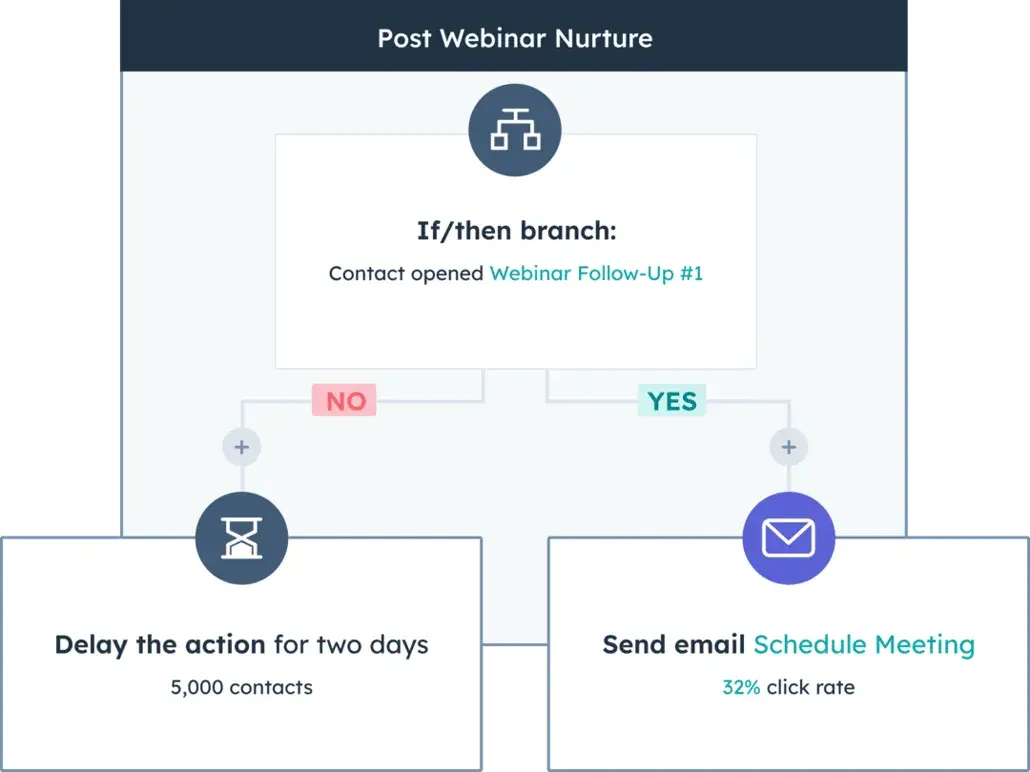
- Key Strengths: HubSpot excels in building multi-step B2B nurture workflows triggered by behavior, lifecycle stage, or CRM data. Its primary appeal lies in its "all-in-one" platform philosophy, bringing marketing, sales, service, and CRM data under one roof. HubSpot’s Smart CRM can either replace Salesforce entirely or integrate seamlessly via a native two-way sync, ensuring contacts, companies, deals, and activity history are aligned. Users consistently praise its ease of use, intuitive design, robust email marketing, and powerful automation features. The drag-and-drop email and campaign builders empower marketers to iterate quickly without developer dependency.
- Considerations: Some users note a learning curve for advanced features and occasional missing niche functionalities.
- Pricing: HubSpot offers a free plan for up to 2 users, with paid plans starting at competitive monthly rates, scaling with features and contact volume.
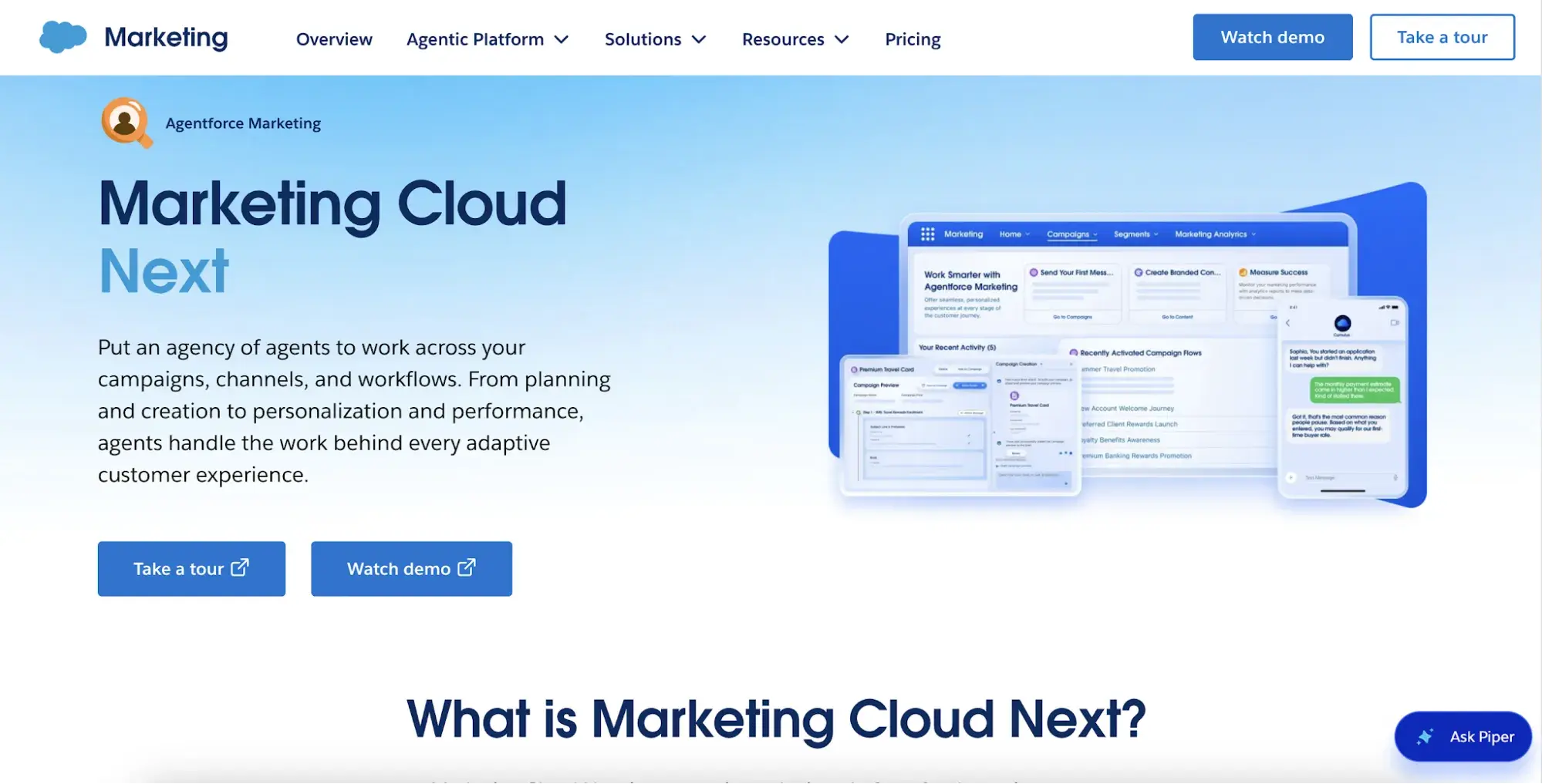
2. Salesforce Marketing Cloud Next: The Internal Succession Plan
Salesforce itself directs Pardot customers towards Marketing Cloud Next (sometimes referred to as Agentforce Marketing). This platform is built natively on Salesforce’s Data Cloud, eliminating the need for a separate system sync, thereby resolving the data silo issue inherent in Pardot.
- Key Strengths: Deep, native integration within the Salesforce ecosystem. Ideal for large enterprises already deeply invested in Salesforce products like Data Cloud or Sales Cloud, who wish to consolidate their entire tech stack within Salesforce.
- Considerations: Ryan suggests that the move to Marketing Cloud Next often prompts a "wider tech review" rather than a blind migration, as it is a massive, complex, and expensive tool. It’s not suited for teams seeking less Salesforce dependency or a more streamlined, user-friendly experience. Usability reviews are mixed, with some citing ease of use while others point to a steep learning curve and complexity.
- Pricing: Enterprise-grade, starting around $1,500/organization/month for the Growth Edition, reflecting its focus on large organizations.
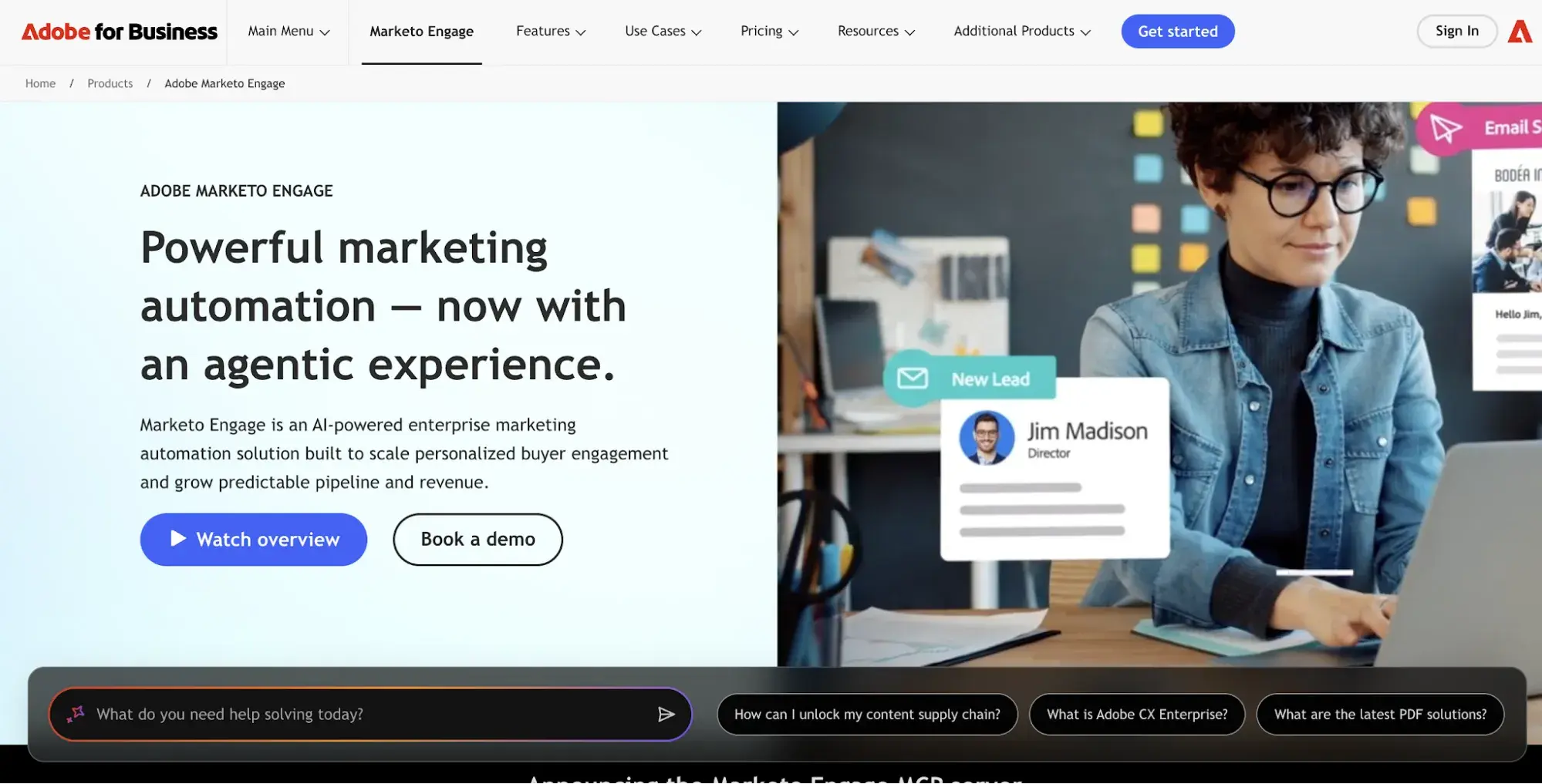
3. Adobe Marketo Engage: The Enterprise Powerhouse
Marketo is a robust enterprise marketing automation software, often considered by businesses that have outgrown Pardot and require sophisticated, highly customizable features.
- Key Strengths: Advanced automation, lead management, email marketing, and analytics capabilities. Its AI "conversational interface" allows teams to write and test code directly within the platform, reducing reliance on developers for specific customizations. Marketo maintains a native two-way Salesforce sync.
- Considerations: Users report that Marketo prioritizes features over ease of use, leading to a higher budget requirement and a significant investment in setup and customization. The learning curve and unintuitive design are common drawbacks.
- Pricing: Adobe does not publicly share Marketo pricing, requiring direct consultation for estimates, indicative of its enterprise focus.
4. ActiveCampaign: AI-Forward for Scalable Growth
ActiveCampaign is an AI-forward marketing automation platform that includes a lightweight CRM, offering multi-channel automation and a native two-way Salesforce sync.
- Key Strengths: Simplicity over Pardot’s complexity, making it suitable for smaller teams or those prioritizing ease of use. Its "active intelligence" feature allows users to prompt the AI using spoken language, a significant departure from code-heavy designs. Strong automation and email marketing.
- Considerations: Users often cite weak reporting features and a learning curve for advanced functionalities. Pricing can escalate quickly with contact count, and historical price increases have been a concern for some scaling businesses.
- Pricing: Plans start at $15/month and scale rapidly with contact numbers and feature tiers.
5. Zoho Marketing Automation: The Budget-Friendly Integrator
Zoho Marketing Automation offers a budget-friendly alternative that syncs natively with Zoho’s own CRM and across various marketing channels.
- Key Strengths: Leverages customer data for lead scoring, campaign generation, and personalized outreach. It’s a viable option for small businesses with straightforward data needs, especially those looking to move away from Salesforce entirely and adopt an integrated Zoho ecosystem.
- Considerations: Less robust than other enterprise-grade platforms, with users reporting issues with customer service and reporting.
- Pricing: Plans start at an affordable $19/month for 1,000 contacts, making it accessible for smaller budgets.
Migrating from Pardot: A Strategic Imperative with Minimal Risk
A successful Pardot migration demands meticulous planning to minimize risks and ensure business continuity. Tom Ryan emphasizes that underestimating the "translation factor" is a common pitfall.
- Data Mapping and Workflow Translation: Different platforms define objects and processes differently. For instance, "A Salesforce campaign is a completely different object from a HubSpot campaign," meaning existing campaign attribution models and hierarchies cannot be directly ported. They require careful translation and rebuilding in the new system.
- Strategic Decisions on Data Ownership: Businesses must decide where core functions, like campaign attribution modeling, will reside (e.g., in HubSpot, Salesforce, or both) and whether existing Salesforce hierarchies are worth preserving. This decision impacts future operations and reporting consistency.
- Prioritization: Ryan suggests organizing migration priorities into three buckets:
- Data: Ensuring clean, accurately mapped data transfer.
- Users: Providing adequate training and support for user adoption.
- Integrations: Re-establishing critical system integrations.
- Rebuilding Models: Lead scoring and Account-Based Marketing (ABM) models from Pardot cannot be directly transferred. They need to be rebuilt, offering an opportunity to optimize them based on past learnings. For ABM, it’s crucial to track prospects’ progress in existing journeys to ensure a seamless continuation in the new system.
- Timeline and Expertise: While a fast migration can take as little as one month with expert assistance, a typical Pardot migration usually spans 2-3 months. Engaging with an experienced partner like MarCloud can significantly de-risk the process.
- Budgeting: For the first year on a new platform, businesses should budget for the platform’s list price at their current size, account for anticipated growth in seats and contacts (as tier jumps can significantly increase costs), and factor in mandatory onboarding and implementation fees charged by some platforms.
Broader Implications and the Future of B2B Marketing Automation
The shift away from Pardot underscores a larger trend in B2B marketing: the imperative for agility, data unification, and continuous innovation. Businesses can no longer afford to operate with outdated or disconnected tools when customer expectations for personalized, seamless experiences are at an all-time high. The move reflects a strategic realignment towards platforms that offer:
- Unified Customer View: Breaking down data silos between marketing, sales, and service for a holistic understanding of the customer journey.
- Advanced Analytics and Reporting: Empowering marketers with customizable dashboards and deeper insights to prove ROI and optimize campaigns.
- Scalability and Flexibility: Tools that can grow with the business and adapt to evolving marketing strategies and technological advancements.
- Ease of Use: Reducing reliance on technical expertise, allowing marketers to focus on strategy and execution.
The evolving MarTech landscape demands that B2B organizations critically assess their technology stack. The decision to switch from a long-standing platform like Pardot is not merely a technical one but a strategic investment in the future competitiveness and efficiency of their marketing operations. By carefully evaluating alternatives based on current needs, anticipated growth, and strategic alignment, businesses can select a platform that empowers them to thrive in the dynamic world of modern marketing.