FOR IMMEDIATE RELEASE
AWeber, a leading email marketing service provider, has unveiled a significant enhancement to its platform: the automatic application of UTM parameters to all links within outgoing emails. This new feature is designed to empower marketers with unparalleled precision in tracking the effectiveness of their email campaigns, seamlessly integrating performance data directly into Google Analytics without requiring any manual setup. The update, announced on July 7, 2026, marks a pivotal step in simplifying marketing attribution and optimizing digital strategy for businesses of all sizes.
The core functionality of this innovation lies in its ability to automatically tag every link in every email with essential UTM parameters – utm_source, utm_medium, and utm_campaign – before the email is dispatched. Specifically, AWeber assigns aweber as the source, email as the medium, and the unique subject line of each email as the campaign label. This intelligent automation ensures that once an email is sent, the corresponding click and subsequent user journey data are immediately available and properly categorized within Google Analytics, providing a clear, traceable path from email engagement to conversion.
Feature Deep Dive: Automatic UTM Tagging Explained
Traditionally, marketers seeking to accurately measure the return on investment (ROI) from their email campaigns faced the laborious task of manually appending UTM parameters to each link within every email. This process was not only time-consuming but also prone to human error, leading to inconsistent data and unreliable attribution reports. AWeber’s new system eliminates this manual burden entirely, transforming a complex task into a background operation.
With this update, AWeber’s platform proactively injects the necessary tracking codes at the point of send. This means that for every email a user creates and sends through AWeber, whether it’s a promotional blast, a newsletter, or an automated follow-up, the embedded hyperlinks will automatically carry the specific identifiers needed for comprehensive analytics. The utm_campaign parameter, being dynamically populated with the email’s subject line, is particularly powerful. It allows marketers to compare the performance of different email messages directly, identifying which subject lines resonate most with their audience and drive the desired actions, from website visits to purchases.
This granular level of tracking is crucial in today’s data-driven marketing landscape. According to recent industry reports, businesses struggle with attribution, with over 70% of marketers citing it as a significant challenge in understanding customer journeys and optimizing spend. AWeber’s automatic UTM tagging directly addresses this pain point, providing a robust, error-free solution that democratizes sophisticated analytics for its user base.
Seamless Integration with Google Analytics
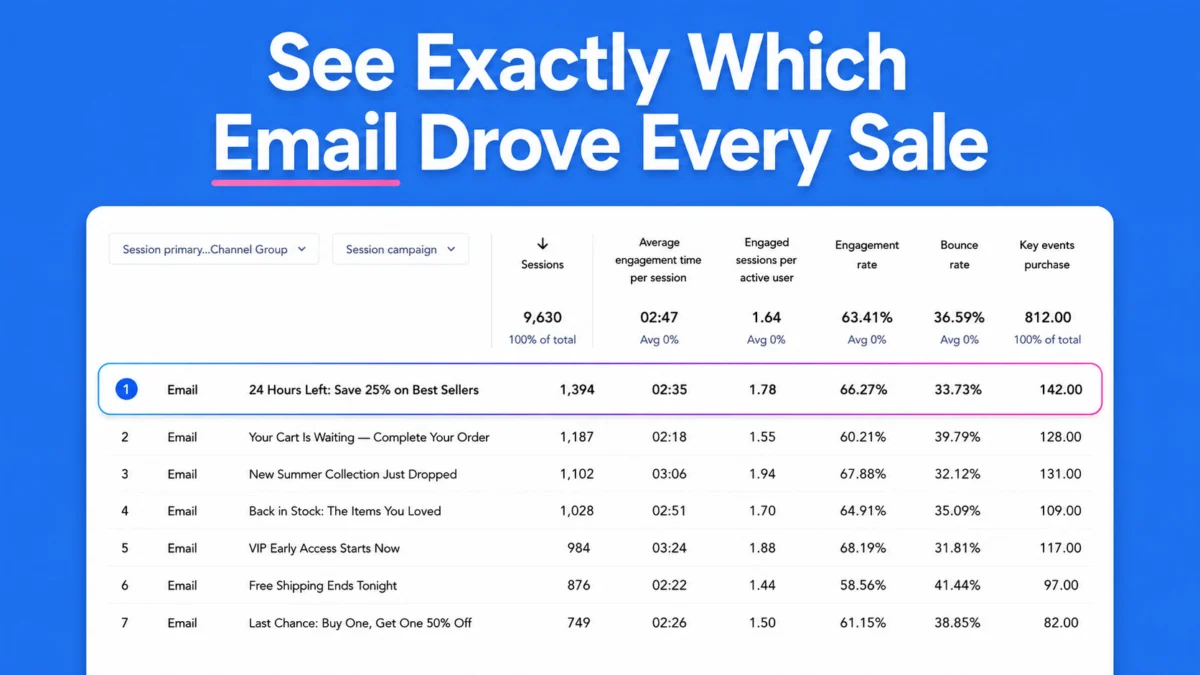
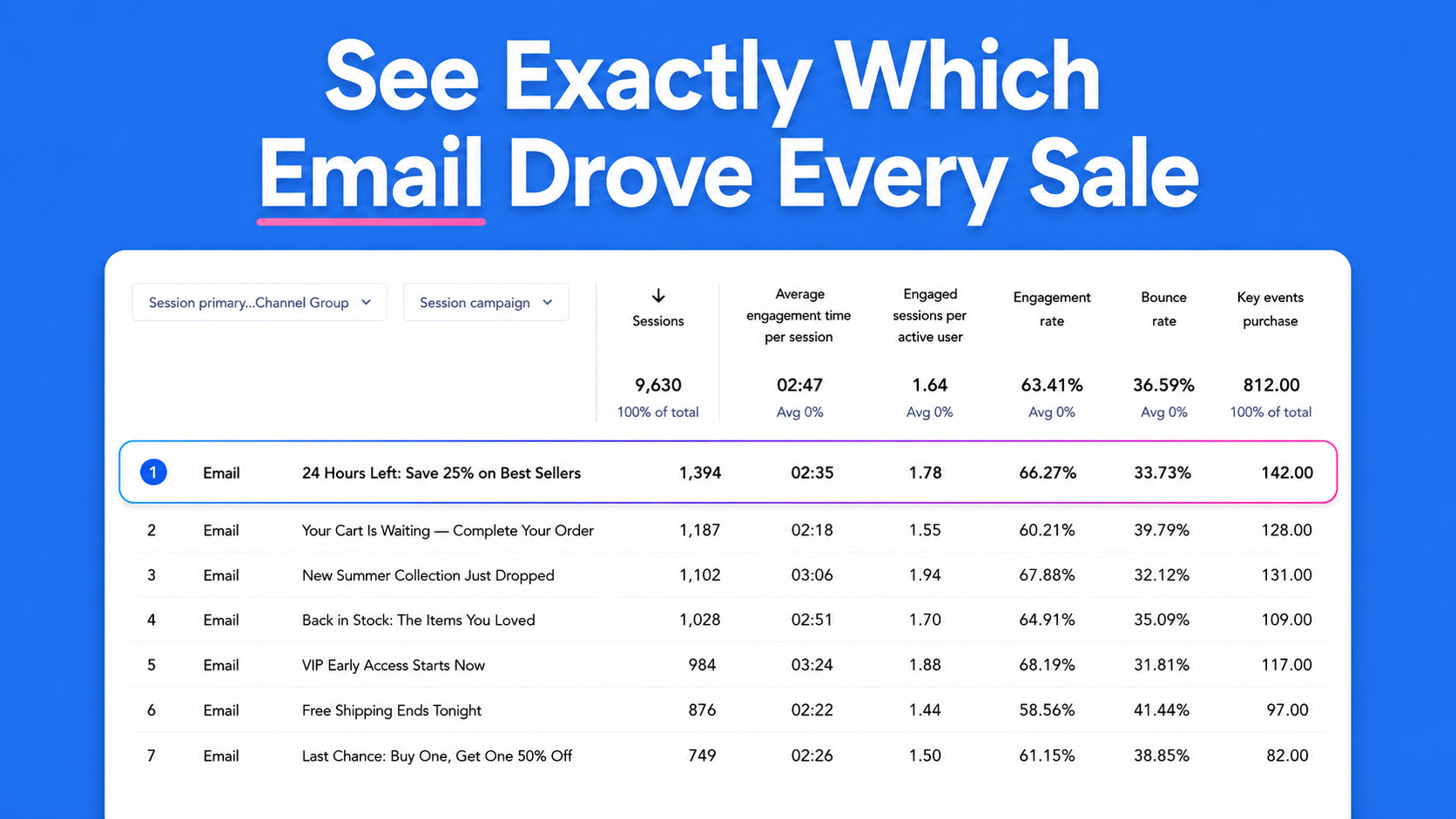
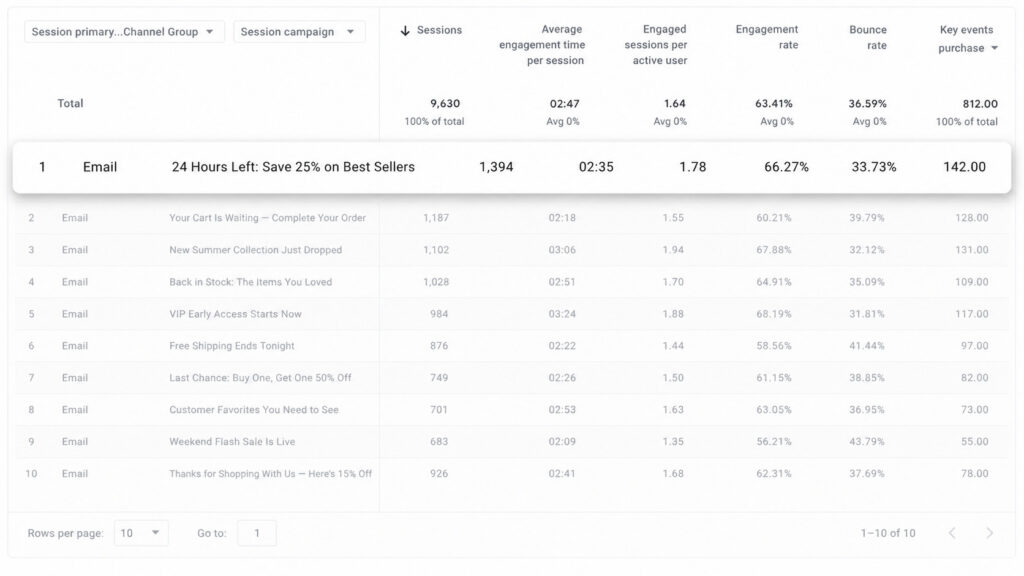
The beauty of AWeber’s new feature lies in its effortless integration with Google Analytics, the industry-standard web analytics service. Upon sending an email with automatic UTM tagging enabled, marketers can simply open their Google Analytics account, navigate to the Acquisition > Traffic acquisition section, and filter by the source/medium combination of aweber / email. Here, a wealth of data awaits.
Each email campaign, identified by its unique subject line (now serving as the utm_campaign value), will appear as a distinct entry. This allows for direct comparison of various email sends. Marketers can swiftly discern which messages successfully drove traffic to their websites, which ones translated into conversions (e.g., sales, sign-ups, downloads), and which campaigns, despite high open rates, failed to achieve their ultimate objectives. This clear visualization enables informed decisions regarding content strategy, audience segmentation, and future campaign optimization.
For instance, a marketer could compare "Summer Sale Announcement" against "Exclusive VIP Offer" and immediately see which subject line generated more sales revenue. This insight is invaluable for refining messaging, testing different calls-to-action, and ultimately maximizing the ROI of email marketing efforts. Without such automated tagging, correlating specific email sends with precise conversion data in Google Analytics would require manual data manipulation and complex reporting, a barrier for many small to medium-sized businesses.
Preservation of Custom Tracking: Flexibility for Advanced Users
Recognizing the diverse needs of its user base, AWeber has engineered this feature with intelligent flexibility. The system is designed to detect any existing UTM parameters that a user may have already manually added to a link. In such cases, AWeber will respect the user’s custom tracking and will not overwrite the pre-existing values. This ensures that advanced marketers who employ specific, tailored tracking strategies for unique campaigns or integrations can continue to do so without interference, maintaining the integrity of their bespoke data collection methods.
This thoughtful implementation underscores AWeber’s commitment to providing powerful yet adaptable tools. It means that businesses with complex marketing stacks or those running highly specific A/B tests on individual link performance can leverage both AWeber’s automation for general campaign tracking and their own custom parameters for specialized needs, all within the same email. This hybrid approach offers the best of both worlds: efficiency for standard tracking and precision for unique analytical requirements.
Control and Accessibility: Turn It On or Off from Your List Settings
While the automatic UTM tagging feature is enabled by default for all AWeber accounts, users retain complete control over its application. The setting can be easily adjusted for any specific email list directly within the AWeber platform.
To manage this feature, users can navigate to their list settings, where a clear toggle option allows them to enable or disable automatic UTM tracking. This granular control is essential for marketers who might have particular scenarios where automated tagging is not desired, or for those who prefer to manage all tracking manually for specific, highly customized projects. The change takes effect on the next email send, ensuring that marketers can quickly adapt their tracking preferences to ongoing campaign strategies. This user-centric design principle empowers marketers to tailor their analytics approach to perfectly match their campaign objectives and operational workflows.
Background Context: The Evolution of Email Marketing Analytics
The introduction of automatic UTM tagging by AWeber arrives at a time when digital marketing is increasingly reliant on precise, actionable data. Email marketing has consistently demonstrated one of the highest ROIs among digital channels, with studies frequently citing returns of $42 for every dollar spent. However, accurately attributing these returns to specific campaigns or even individual email elements has historically been a complex endeavor.
UTM parameters, first introduced by Google, became the standard for tracking the origin of website traffic. These simple code snippets appended to URLs allow analytics platforms to identify the source (e.g., newsletter, social media), medium (e.g., email, CPC), and campaign (e.g., summer_sale, new_product_launch) that brought a visitor to a site. While powerful, the manual application of these parameters for every link in every email has been a persistent bottleneck for marketers, especially those managing multiple campaigns across various lists.
The challenge of attribution is further compounded by the increasingly fragmented customer journey, which often involves multiple touchpoints across different channels before a conversion occurs. Tools that automate data collection, like AWeber’s new feature, are therefore critical in stitching together these disparate touchpoints, providing a clearer, more holistic view of the customer’s path to purchase. This move by AWeber reflects a broader industry trend towards intelligent automation that reduces operational overhead while simultaneously enhancing the depth and accuracy of marketing insights. It represents an evolution from basic open and click rates to sophisticated, full-funnel performance analysis.
The Broader Landscape: Industry Trends in Marketing Automation
AWeber’s update positions it firmly within the vanguard of marketing automation platforms that prioritize actionable analytics. Competitors in the email marketing space are also continually enhancing their tracking capabilities, but the emphasis on fully automated, no-setup UTM integration is a significant differentiator. The market demands solutions that not only send emails efficiently but also provide the intelligence to optimize those sends.
The proliferation of AI and machine learning in marketing is also driving this trend. While AWeber’s current implementation focuses on automation, the clean, consistent data generated by automatic UTM tagging lays the groundwork for future AI-driven insights. Imagine a scenario where an AI could analyze hundreds of subject lines tagged with UTMs and automatically recommend the most effective phrasing based on conversion data, not just open rates. This foundational data layer is essential for unlocking the next generation of predictive analytics and personalization.
"The digital marketing ecosystem thrives on data, but collecting and interpreting that data efficiently has always been a hurdle for many businesses," stated Dave Stys, author of the original announcement and a key voice at AWeber. "Our goal with automatic UTM tagging is to remove that hurdle entirely. We believe marketers should focus on crafting compelling messages, not on tedious administrative tasks. By automating attribution, we’re not just saving time; we’re empowering them with unprecedented clarity into what truly drives results."
An independent industry analyst, Sarah Jenkins from Digital Insights Group, commented on the release: "AWeber’s automatic UTM tagging is a smart move that responds directly to a critical market need. In an environment where every marketing dollar needs to be justified, tools that streamline attribution are invaluable. This feature not only enhances AWeber’s competitive offering but also significantly lowers the barrier to entry for robust analytics, particularly for small and medium-sized businesses who may lack dedicated analytics teams."
Implications for Marketers: A New Era of Optimization
The implications of AWeber’s automatic UTM tagging for marketers are far-reaching and transformative:
-
Enhanced Campaign Optimization: Marketers can now definitively identify which email campaigns, down to the specific subject line, are most effective in driving traffic and conversions. This data allows for continuous optimization of subject lines, content, calls-to-action, and sending times, leading to higher overall campaign performance.
-
Improved Budget Allocation: With clear attribution data, businesses can confidently allocate their marketing budgets to strategies and campaigns that yield the highest ROI. No more guesswork; only data-backed decisions.
-
Deeper Understanding of Customer Behavior: By tracking the entire user journey from email click to website interaction and conversion, marketers gain a more profound understanding of how their audience engages with their content and ultimately makes purchasing decisions.
-
Reduced Manual Workload and Human Error: Automating the tagging process frees up valuable time for marketing teams, allowing them to focus on strategic planning and creative execution rather than repetitive, manual tasks. It also eliminates inconsistencies and errors that often arise from manual data entry.
-
Competitive Advantage: Businesses leveraging this feature will be able to outmaneuver competitors who are still struggling with fragmented or incomplete attribution data. The ability to quickly adapt and optimize based on real-time performance insights is a significant differentiator.
-
Scalability: The automated nature of the feature means that as businesses grow and their email marketing efforts expand, the attribution process remains efficient and reliable without requiring additional resources for manual tagging.
Future Outlook
AWeber’s introduction of automatic UTM tagging is more than just a new feature; it’s a strategic enhancement that aligns with the future of data-driven marketing. As digital landscapes become increasingly complex, the demand for intelligent, integrated, and automated solutions will only grow. This development paves the way for AWeber to further innovate in areas such as predictive analytics, hyper-personalization based on observed conversion paths, and more sophisticated cross-channel attribution models. By simplifying the foundational aspects of data collection, AWeber is empowering its users to build more effective, measurable, and ultimately more profitable email marketing programs. The focus remains on providing powerful tools that are intuitive to use, enabling marketers to connect with their audiences and achieve their business goals with greater clarity and efficiency.