In the rapidly evolving landscape of modern commerce, understanding and managing a brand’s health is no longer a periodic exercise but a continuous, strategic imperative. Growth marketers now rely on sophisticated brand tracking tools to gain real-time insights into public perception, competitive positioning, and the intricate dynamics influencing consumer choice. These tools meticulously gauge what people say about a brand—both positive and negative—uncover reasons for competitor preference, and, crucially, reveal a brand’s share of voice within the burgeoning realm of artificial intelligence. Brand monitoring, in particular, has become indispensable for identifying how brands are cited by Large Language Models (LLMs) and pinpointing areas for improvement to enhance AI visibility.
However, the notion of "brand tracking software" is far from monolithic. These solutions vary significantly based on the metrics they prioritize, their AI tracking capabilities, a company’s stage of growth, specific use cases, and, naturally, their pricing models. This article aims to demystify the complexities of brand tracking, delineating the differences between continuous tracking and real-time monitoring, offering a framework for selecting the most appropriate tools—such as HubSpot AEO—and providing practical guidance on conducting effective brand tracking surveys. By diving into these critical details, businesses can confidently navigate the crowded market of brand analytics and choose the optimal tracker to foster sustainable growth.
The Genesis and Evolution of Brand Tracking

The concept of brand tracking has undergone a profound transformation, mirroring the shifts in media consumption and technological advancements. What began as rudimentary market research, relying heavily on focus groups and infrequent consumer surveys, has blossomed into a data-driven science.
In its nascent stages, brand tracking was primarily a qualitative endeavor, where insights were gleaned from small, carefully selected groups of consumers. The digital revolution, however, introduced an explosion of data points. The advent of the internet and subsequently social media platforms in the late 20th and early 21st centuries provided an unprecedented volume of unstructured data—mentions, conversations, and sentiments—that could be analyzed at scale. This marked a significant shift towards quantitative analysis, with social listening tools emerging as key players. The challenge then became not a lack of data, but how to effectively process and derive actionable insights from it.
By the mid-2010s, the integration of diverse data streams became paramount. Companies began to connect social media data with web analytics, PR coverage, and customer feedback, seeking a more holistic view of brand health. This period saw the rise of integrated marketing platforms and customer experience (CX) tools that aimed to unify disparate data sources into coherent dashboards. The objective was to move beyond mere data collection to predictive analytics, anticipating market shifts and consumer behaviors.
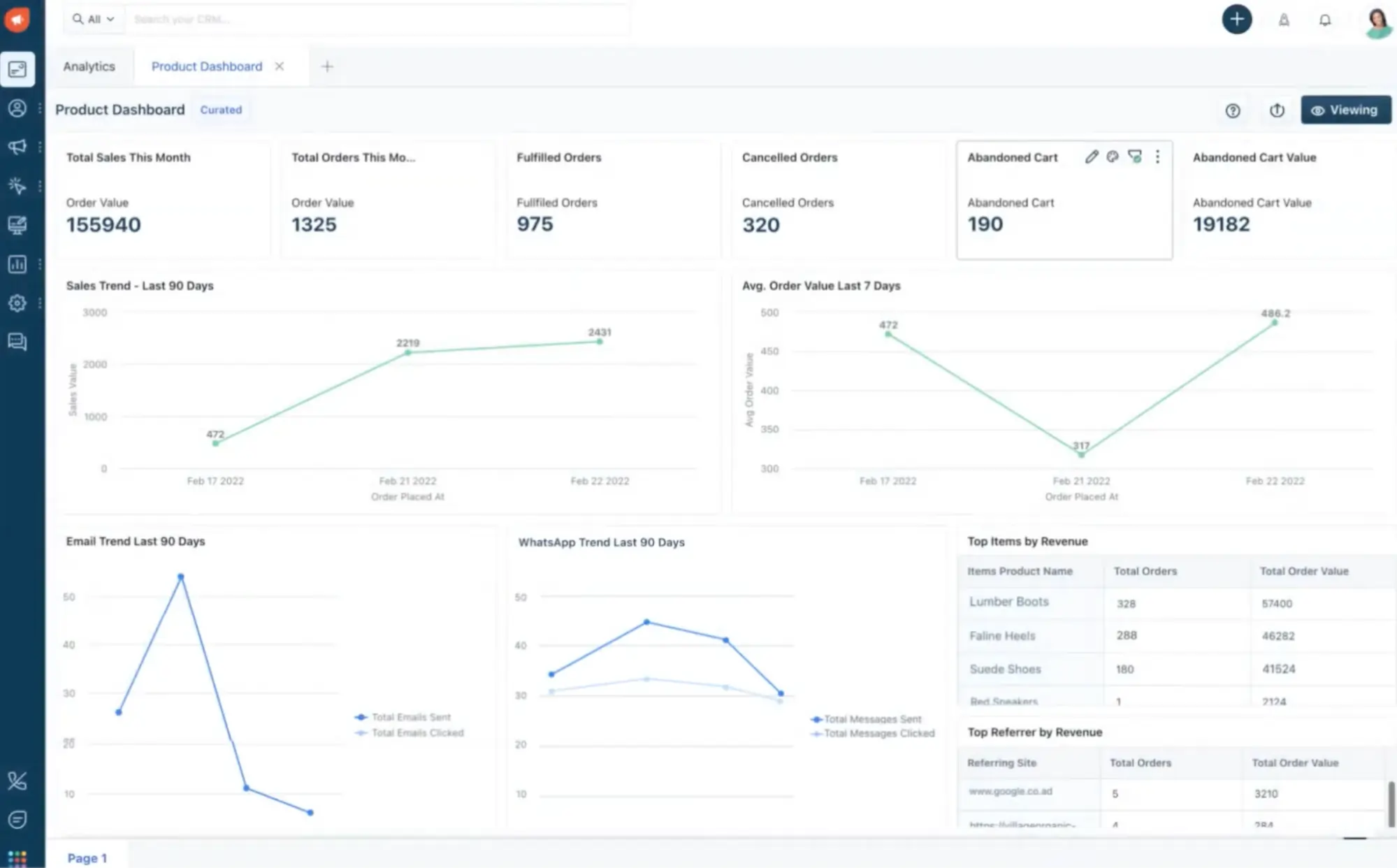
The most significant recent paradigm shift, often referred to as the "2026 shift" in the industry, is the emergence of AI visibility as a core component of brand health. As consumers increasingly turn to AI-powered answer engines like ChatGPT, Perplexity, and Gemini for recommendations and information, a brand’s presence and portrayal within these LLMs have become critical. This changes the traditional workflow, integrating survey data, social listening, search demand, AI citations, customer feedback, and CRM reporting into a single, comprehensive decision-making dashboard. This represents a fundamental reorientation from purely "search engine optimization" to "answer engine optimization" (AEO), acknowledging AI’s role as a new gatekeeper of information and recommendations.

Differentiating Brand Tracking from Brand Monitoring
While often used interchangeably, brand tracking and brand monitoring serve distinct, yet complementary, functions crucial for a holistic understanding of brand health.
Brand tracking is a longitudinal process that measures changes in core brand metrics over extended periods. It focuses on strategic shifts in brand awareness, perception, consideration, preference, and loyalty. By conducting structured surveys at regular intervals (e.g., quarterly or annually), businesses can assess the long-term impact of marketing campaigns, product launches, or market events on how their brand is perceived. It provides a structured, often statistically robust, understanding of consumer attitudes and market positioning. For instance, a brand tracking survey might reveal that a recent advertising campaign successfully increased brand consideration by 5% over two quarters.
In contrast, brand monitoring is a real-time, continuous process focused on detecting and analyzing brand mentions across a multitude of online channels. This includes social media platforms, news outlets, forums, review sites, blogs, and, increasingly, AI answer engines. Its primary goal is immediate detection of sentiment shifts, crisis management, identification of emerging trends, and understanding ongoing public conversations. For example, brand monitoring might flag a sudden spike in negative mentions on Reddit following a product recall, allowing for rapid response.
The synergy between these two approaches is vital for scaling companies. Brand monitoring acts as an early warning system, spotting signals like a surge in mentions or a shift in sentiment. Brand tracking then provides the crucial context, proving whether these signals translate into meaningful changes in market perception. In the AI era, this dynamic extends further: brand monitoring can detect if a new narrative is gaining traction online, while AI brand tracking reveals whether answer engines have begun to repeat this narrative when buyers seek vendor recommendations, directly influencing the buyer’s shortlist even before a website visit. According to industry estimates, over 60% of consumers now consult AI for product research, underscoring the urgency of this integrated approach.
Essential Brand Tracking Metrics for Strategic Insight
To effectively gauge brand health, businesses must focus on a set of core metrics that collectively paint a comprehensive picture of market visibility, trust, preference, and commercial utility. These foundational metrics include:
- Brand Awareness: Measures how familiar consumers are with a brand. This is often split into unaided (top-of-mind recall) and aided (recognition from a list). A high awareness score indicates successful marketing efforts and strong market presence. Studies suggest that increasing brand awareness by just 5% can lead to a 1-2% increase in sales.
- Brand Perception/Image: Reflects the qualitative attributes consumers associate with a brand (e.g., innovative, trustworthy, affordable, premium). Understanding perception is crucial for aligning brand identity with market reality.
- Brand Consideration: Indicates how likely consumers are to consider a brand when making a purchase decision in a specific category. This metric bridges awareness and actual purchase intent.
- Brand Preference: Measures which brand consumers would choose among several options if all other factors (like price and availability) were equal. High preference is a strong indicator of brand loyalty and competitive advantage.
- Brand Loyalty: Assesses the likelihood of repeat purchases and continued engagement with a brand. Loyal customers are often brand advocates and contribute significantly to customer lifetime value (CLTV). Businesses with high brand loyalty can see up to 2.5 times faster revenue growth.
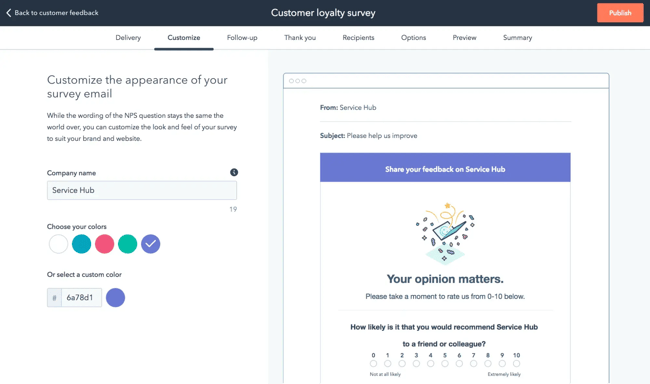
- Net Promoter Score (NPS): A widely used metric that measures customer loyalty by asking how likely customers are to recommend a brand to others.
- Customer Satisfaction (CSAT): Measures short-term customer satisfaction with a specific interaction or product/service.
- Customer Effort Score (CES): Evaluates the ease of a customer’s experience with a brand, particularly in problem-solving or task completion.
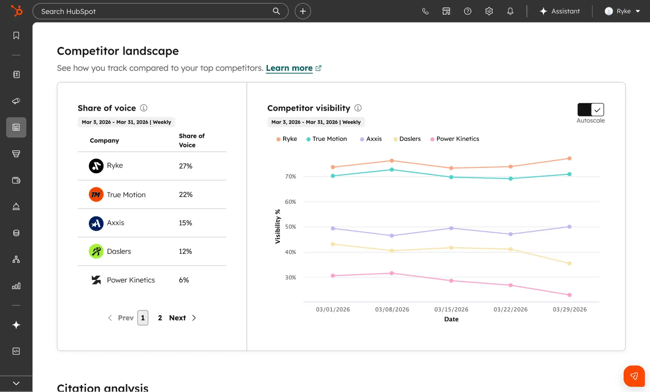
- Share of Voice (SOV): Measures a brand’s visibility and presence relative to its competitors in media, social conversations, and now, AI answers. It’s vital to note that a high SOV isn’t always positive; it must be coupled with sentiment analysis to understand the nature of the mentions.
Brand strength is a multifaceted construct, rarely failing in just one area. Therefore, a holistic approach to these metrics is essential. For example, an increase in share of voice might be misleading if it’s driven by negative coverage, highlighting the critical need for sentiment analysis. Tools like HubSpot’s Customer Feedback Software are instrumental in collecting NPS, CSAT, and CES data, providing revenue teams with dashboards to monitor scores, sentiment, and response volume, thereby connecting customer reality to brand perception.
The Dawn of AI Brand Tracking and Predictive Alerts
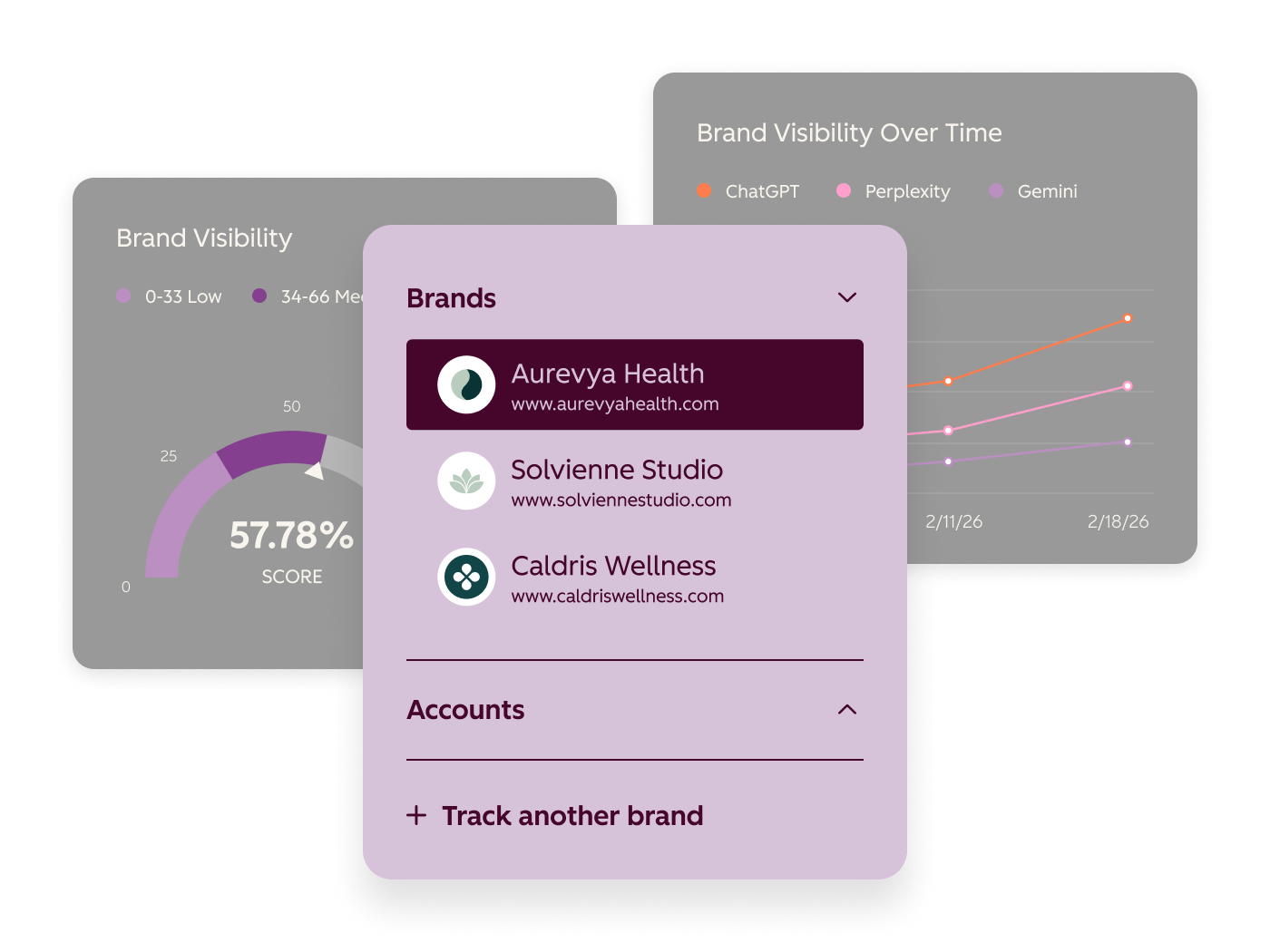
The advent of AI-powered answer engines has introduced a new, critical dimension to brand tracking: AI visibility and AI share of voice. AI brand tracking measures how frequently, accurately, and favorably a brand appears in AI-generated responses. It monitors whether a brand is mentioned by answer engines, which competitors appear alongside it, the specific prompts that trigger visibility, and the sources that inform the AI’s answer.
This new frontier is paramount because AI visibility now sits upstream of traditional web traffic. A modern buyer might query ChatGPT, Gemini, or Perplexity for the "best tools in X category" and receive a curated shortlist of vendors before ever initiating a web search. Traditional SEO dashboards, while still important, cannot fully capture this crucial moment, as a brand can be prominently featured in an AI answer without generating a direct click to its website.
Core AI brand tracking use cases include:
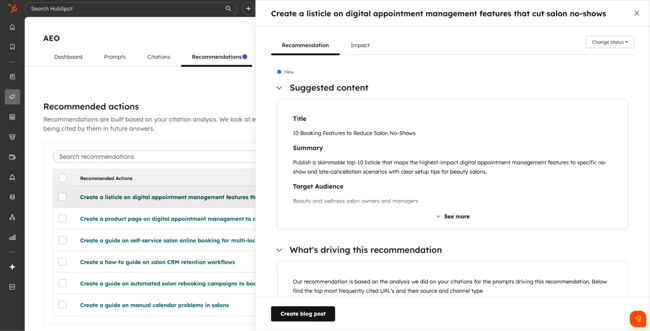
- Monitoring AI Visibility Scores: Quantifying a brand’s presence in AI answers.
- Competitor Benchmarking: Understanding how a brand stacks up against rivals in AI recommendations.
- Prompt Performance Analysis: Identifying which user queries (prompts) lead to brand mentions.
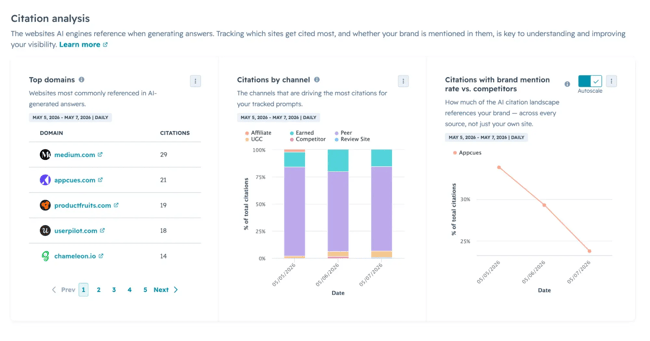
- Citation Analysis: Pinpointing the content sources and types that LLMs cite most frequently when discussing the brand or its category.
- Sentiment Analysis within AI Responses: Gauging the tone and favorability of AI-generated brand mentions.
HubSpot AEO, for instance, is designed to monitor a brand’s appearance across these leading AI platforms, providing visibility scores, competitor comparisons, prompt tracking, and citation analysis. This empowers teams to clearly understand which sources and content types are most influential for AI engines, enabling them to optimize their content strategy accordingly. Industry analysts project that AI-driven recommendations will influence over 70% of B2B purchase decisions by 2028, making AI brand tracking an urgent strategic priority.
Strategic Considerations for Choosing Brand Tracking Tools
Selecting the right brand tracking tools is a strategic decision that must align with a company’s overarching business objectives and growth stage. Early-scale teams typically prioritize quick signals and intuitive dashboards, while mid-market organizations require robust integrations and repeatable reporting. Enterprise-level operations demand advanced governance, multi-market tracking capabilities, and rigorous research methodologies. Before evaluating specific tools, organizations must define the core business questions their brand tracking software needs to answer. These might include:
- Are buyers aware of our brand and what we offer?
- How do buyers perceive our brand versus competitors?
- Are we being considered by our target audience?
- Are we appearing in AI-generated recommendations?
- What drives positive or negative sentiment about our brand?
- How does our brand health impact sales and customer loyalty?
Once these foundational questions are articulated, mapping out the necessary features becomes a clearer task.
Key Features to Evaluate:
1. Survey-based Brand Health Measurement: This remains a cornerstone, capturing what buyers think, remember, and prefer. A robust tool should support:
- Unaided and aided awareness.
- Familiarity, consideration, preference, trust, and purchase intent.
- Brand associations (e.g., "innovative," "reliable").
- Audience filters for B2B (job title, industry, company size) and B2C (demographics, lifestyle).
- Vendor Questions: What is the typical survey completion rate? Can we customize question logic? How are survey panels sourced and validated? What are the options for geographic and demographic targeting?
2. Brand Monitoring Coverage: This reveals brand mentions outside structured surveys across social media, news, forums, reviews, blogs, podcasts, videos, communities, and AI answers. With consumers less likely to provide direct feedback, passive listening is increasingly vital.
- Vendor Questions: What specific channels are covered (e.g., obscure forums, industry-specific blogs)? How real-time is the data? What is the sentiment analysis accuracy for different languages? Can it track mentions in video and audio content?
3. AI Visibility and AI Share of Voice: Crucial for understanding AI’s influence on the buyer’s journey.
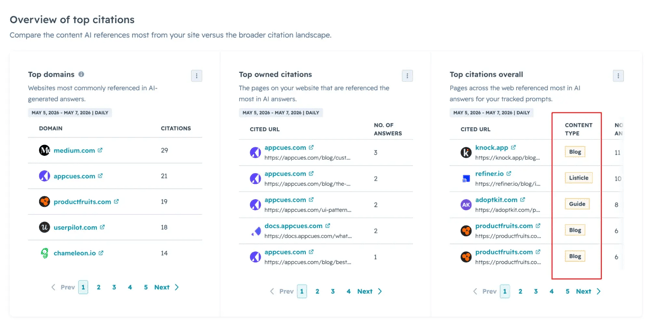
- Vendor Questions: Which specific LLMs are tracked (e.g., ChatGPT, Gemini, Perplexity)? How are AI visibility scores calculated? Can we track specific prompts and their variations? How does it identify the source content cited by AI? What is the frequency of AI answer data updates?
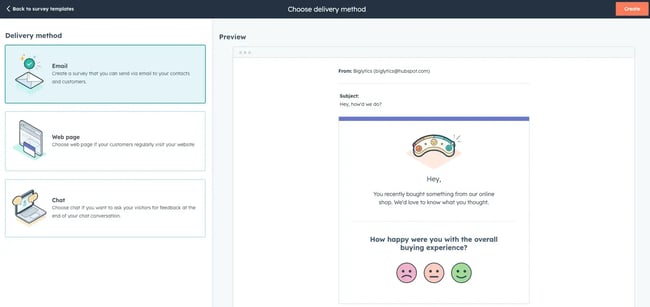
4. Customer Feedback and Experience Signals: Integrating internal customer satisfaction with external brand perception provides a complete picture. A strong tool collects NPS, CSAT, and CES surveys.
- Vendor Questions: Can feedback be linked directly to customer records (CRM)? What options exist for survey distribution (email, in-app, web)? How does it analyze sentiment from open-text responses? Can it identify trends in customer complaints or praises?
5. CRM, Campaign, Search, and Social Integrations: Connecting brand metrics to broader business data (CRM, web analytics, ad spend, social engagement) transforms insights into actionable strategies.
- Vendor Questions: What native integrations are available? Is there an open API for custom integrations? How does it attribute changes in brand health to specific campaigns or channels? Can it pull data from advertising platforms?
6. Competitor Benchmarking: Tracking named competitors across the same audience, markets, channels, and metrics provides essential context for strategic positioning.
- Vendor Questions: How many competitors can be tracked? Can we customize the competitive set? Does it offer AI visibility comparisons with competitors? How granular is the competitive data (e.g., sentiment by competitor, share of voice by channel)?
7. Sentiment and Topic Analysis: Beyond simple positive/negative, a sophisticated tracker identifies specific themes (pricing, product quality, support) and nuanced sentiment across channels.
- Vendor Questions: What is the accuracy of sentiment analysis? Does it support topic modeling for identifying emerging themes? Can it differentiate sentiment across different aspects of the brand (e.g., product vs. customer service)?
8. Reporting and Governance: Ensures data integrity, accessibility, and actionable insights for all stakeholders.
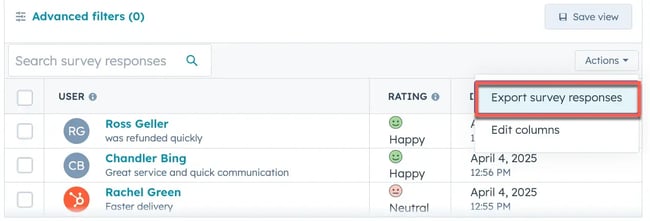
- Vendor Questions: Are role-based dashboards available? Can reports be scheduled and automated? What are the data export options? How does it handle data privacy and compliance (e.g., GDPR, CCPA)?
9. Pricing and Total Cost: Beyond list prices, consider implementation, training, data storage, custom reports, and additional user licenses.
- Vendor Questions: What is included in the base price? Are there hidden fees for data volume or advanced features? What is the cost for additional markets or user seats? What support and training are included?
Leading Brand Tracking Tools Across Growth Stages
The market offers a diverse range of brand tracking solutions, each catering to specific organizational needs and growth stages.
Early Scale Teams: Typically need agile, accurate answers about brand recognition, public perception, and AI visibility, often with budget constraints.
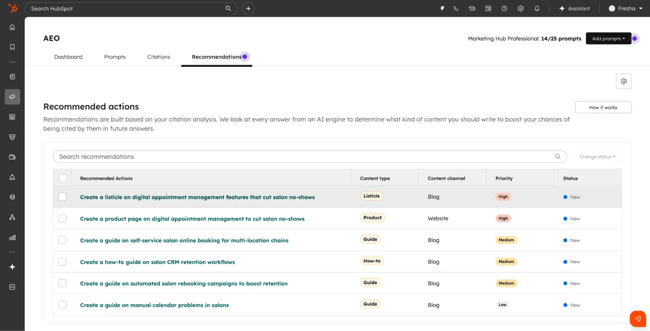
- HubSpot AEO: Specializes in AI visibility, tracking brand presence and competitor comparisons across ChatGPT, Gemini, and Perplexity. It provides actionable recommendations for improving AI share of voice. Ideal for lean teams focused on future-proofing their brand in the AI era.
- HubSpot Customer Feedback Software: Integrates NPS, CSAT, and CES surveys directly with HubSpot’s CRM, connecting customer experience to brand perception. Essential for understanding how real interactions shape customer loyalty.
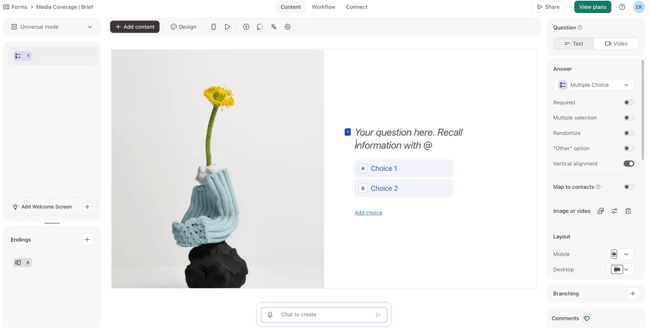
- Typeform: Excellent for lightweight, branded surveys, campaign recall, and message testing. Offers a user-friendly interface for collecting structured feedback without a dedicated research platform.
Mid-Market Teams: Require tools that connect social, search, AI visibility, and survey data, with repeatable reporting and integrations to align brand, growth, and leadership.
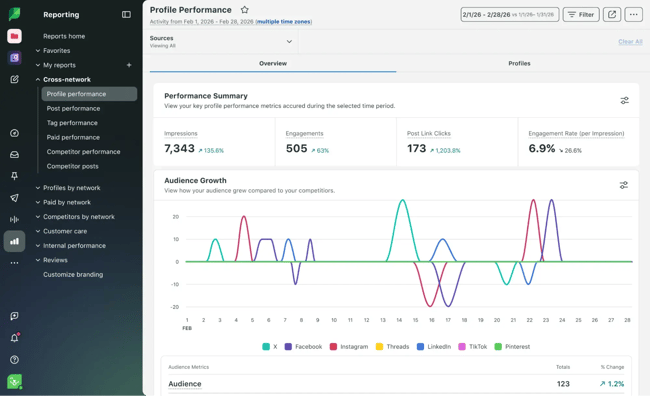
- Sprout Social: A comprehensive social media management platform that combines publishing, listening, engagement, and analytics. Strong for teams needing to align brand monitoring with social media execution and reporting.
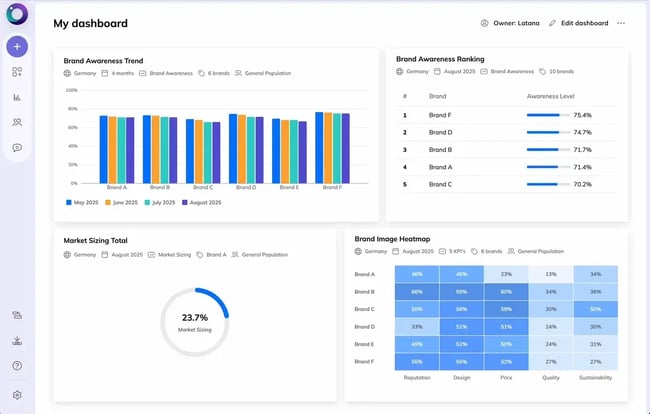
- Latana: A dedicated brand tracking platform offering statistically robust, survey-based measurement across awareness, consideration, and perception, with audience segmentation. Ideal for understanding brand performance across markets and competitor sets without building an in-house research operation.
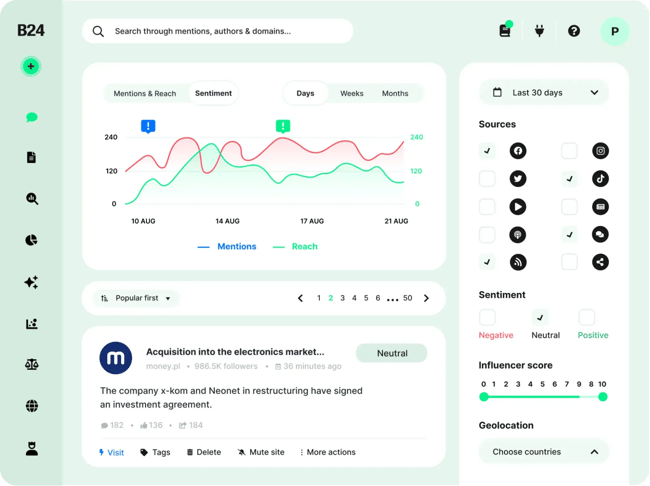
- Brand24: A robust brand monitoring and social listening tool for tracking mentions, reach, engagement, and sentiment across a wide array of online channels. Particularly strong for brands needing broad visibility into online conversations.
Enterprise Teams: Demand robust governance, extensive market coverage, deep historical data, and reports that withstand rigorous executive scrutiny, often informing large-scale market strategy and budget allocation.
- YouGov BrandIndex: An always-on brand tracker providing daily insights across 16 brand health metrics in 56 markets. Exceptional for competitive benchmarking and understanding the real-time impact of news and campaigns on brand perception.
- Talkwalker: Combines social listening, media monitoring, AI summaries, and LLM insights for comprehensive consumer intelligence. Strong for global brand monitoring and understanding how AI influences brand narratives.
- Meltwater: Offers media intelligence, social listening, consumer intelligence, and GenAI Lens LLM Tracking. Ideal for PR-heavy teams needing to connect media coverage, social sentiment, and AI visibility within a single platform.
- Brandwatch: A powerful consumer intelligence and social listening platform designed for enterprise teams to analyze vast volumes of online conversation. Provides deep insights into consumer opinion, audience segmentation, and AI-driven data analysis for complex research needs.
Mastering the Brand Tracking Survey
Even with advanced monitoring tools, a structured brand tracking survey remains an irreplaceable component for capturing direct, nuanced feedback on brand health. This structured research measures awareness, familiarity, consideration, preference, associations, and purchase intent over time, providing context that passive monitoring cannot.
Here’s a practical workflow for designing and deploying an effective brand tracking survey:
-
Start with the Business Decision: Every survey question must tie back to a concrete business decision. A launch survey might confirm if a campaign boosted awareness, while a repositioning survey would validate if new associations are taking hold. As Daniel Koomson, Senior UX Researcher at News UK, emphasizes, "Testing the survey script multiple times before launch is crucial for improvement."
-
Define the Audience Precisely: The sample must accurately reflect the market segment a company aims to influence. For B2B, this means targeting specific job titles, industries, company sizes, and buying roles. For B2C, demographics, purchase frequency, and lifestyle factors are key. Prioritize the most critical segments if budget is limited, as a smaller, relevant sample is more valuable than a large, diffuse one.
-
Maintain Core Question Stability: For longitudinal analysis, core questions must remain consistent across survey waves. While rotating questions can be added for specific campaigns or product launches, the foundational metrics need to be stable to ensure reliable trend data.
-
Separate Unaided and Aided Awareness: Always ask unaided questions first (e.g., "Which brands come to mind when you think of [category]?"). Follow with aided questions (e.g., "Do you recognize [Brand X] from this list?"). This prevents respondents from being prompted, inflating recall, and mirrors the natural buyer journey from memory to recognition.
-
Establish a Consistent Frequency: Quarterly surveys are generally sufficient for most scaling B2B companies. Monthly tracking is advisable for highly dynamic markets, aggressive paid media campaigns, or rapid competitive shifts. Daily or weekly tracking is usually reserved for large enterprises with significant budgets and sample sizes.
-
Integrate Competitor Tracking: Brand metrics gain meaning within a competitive context. Always include direct competitors, category leaders, and relevant substitute solutions in the survey to understand relative performance.
-
Mitigate Bias Rigorously: Bias can subtly skew results. Randomize answer order, avoid leading language, screen respondents for genuine category relevance, and ensure competitor lists are balanced. A quick pre-launch bias check involves asking: "Could this question lead to a desired answer?" or "Is the sample truly representative?" Annotate survey waves with significant internal or external events (campaigns, PR crises) to provide crucial context for later analysis. Koomson also highlights the importance of CAPTCHA to filter out bots and ensure genuine human responses.
-
Connect Survey Data to Business Outcomes: The true power of brand tracking lies in its integration with other business data. Linking survey results with CRM data, website traffic, pipeline metrics, campaign performance, and sales data transforms brand health monitoring into actionable, revenue-linked decision-making. For example, tying brand perception scores to customer segments within the CRM allows for targeted re-engagement or personalized marketing. HubSpot’s ecosystem, connecting Customer Feedback Software and HubSpot AEO with its Smart CRM, exemplifies this integrated approach.
Frequently Asked Questions About Brand Tracking Tools
How often should you run a brand tracking survey?
For scaling companies, quarterly surveys are a good baseline. Monthly tracking is more appropriate for rapid growth, new market entry, significant campaign investments, or highly competitive environments. Continuous feedback tools like HubSpot Customer Feedback Software can supplement formal surveys with ongoing sentiment data.
What does brand tracking cost for scaling companies?
Costs vary widely:
- Basic survey tools (e.g., Typeform): Free to $100+/month.
- Mid-market integrated platforms (e.g., Sprout Social, Latana, Brand24): $200 – $2,000+/month, depending on features, data volume, and user licenses.
- Enterprise research suites (e.g., YouGov, Talkwalker, Meltwater, Brandwatch): Custom pricing, often starting in the high four to five figures annually, reflecting extensive data, global coverage, and advanced analytics.
Who should own brand tracking in the organization?
Brand tracking typically falls under brand marketing or growth marketing, given its direct link to market perception and growth initiatives. However, revenue leaders, product marketing, customer success, and PR teams are critical stakeholders who should contribute to and utilize the insights, as brand perception influences pipeline, retention, and reputation.
Do I need both brand monitoring and a brand tracker?
Yes, particularly once a company has sufficient market activity to generate public signals. Brand monitoring provides real-time alerts for mentions, sentiment shifts, and AI visibility changes. A brand tracker validates whether these signals translate into measurable shifts in broader awareness, consideration, preference, and loyalty, providing strategic direction. They are synergistic.
How do I prove the ROI of brand tracking?
Proving ROI involves linking brand metrics to tangible business outcomes. This includes correlating brand awareness and preference with branded search volume, direct website traffic, conversion rates, pipeline velocity, win rates, customer retention, and overall customer lifetime value. Tools like HubSpot AEO, by showing AI visibility and its connection to CRM data, can directly link brand presence in answer engines to campaign performance and pipeline generation, providing a clear pathway to demonstrating ROI.
Transforming Brand Visibility into Actionable Intelligence
Brand tracking in 2026 transcends simple awareness charts. The most forward-thinking organizations are adopting a sophisticated, multi-layered approach, integrating structured surveys, continuous brand monitoring, customer feedback, social listening, search demand analysis, AI visibility metrics, and comprehensive CRM reporting. This integrated strategy is no longer a luxury but a fundamental requirement for navigating the complexities of the modern digital landscape. Businesses will likely need a combination of specialized tools, particularly for social listening and the burgeoning field of AI visibility.
HubSpot AEO stands out as a highly relevant addition to any brand monitoring stack, empowering teams to understand their brand’s appearance in AI answer engines, identify critical visibility gaps, and pinpoint the influential sources shaping AI-generated recommendations. When paired with HubSpot Customer Feedback Software and robust attribution reporting, brand measurement evolves into a powerful engine for revenue teams. It seamlessly connects market perception, authentic customer sentiment, and measurable campaign performance, providing decision-makers with the holistic, actionable intelligence they need to drive immediate and sustained growth. Furthermore, for smaller teams looking to solidify their foundational brand strategy, resources like HubSpot’s Free Brand Building Guide offer a practical starting point before diving into advanced measurement. The future of brand success hinges on this comprehensive, AI-aware approach to understanding and shaping market perception.