The digital landscape, once defined by the pursuit of top search engine rankings, is undergoing a profound transformation, challenging established content marketing paradigms and compelling brands to fundamentally rethink their digital strategies. What began with Google’s innocuous "I’m Feeling Lucky" button—a testament to the early search engine’s confidence in direct answers—has evolved into an entire business model that increasingly keeps users on Google’s own platform, bypassing external websites. This phenomenon, dubbed "Google Zero" or "zero-click search," signifies a dramatic shift where users obtain answers directly from search engine results pages (SERPs) without ever clicking through to an originating site.
The Rise of Zero-Click Search and AI Overviews
For years, Google has been gradually enhancing its SERP features to provide immediate answers. This evolution began with Knowledge Panels, Featured Snippets, and local packs, all designed to offer quick information directly within the search results. However, the integration of generative artificial intelligence (AI) has accelerated this trend exponentially. In 2024, Google began rolling out "AI Overviews" (initially known as Search Generative Experience or SGE), a feature that leverages large language models (LLMs) to synthesize information from various sources into concise, AI-powered summaries displayed prominently at the top of the SERP.
This development means that even a top-ranking article might see its traffic plummet by significant margins—some reports indicate drops of 30% or more—as Google’s AI effectively summarizes its core content, negating the need for a user to click. A 2024 analysis by SparkToro revealed a stark reality: for every 1,000 Google searches in the United States, only 360 clicks went to the open web. This implies that a staggering 640 queries out of every thousand now result in no clicked links, a figure that continues to trend upwards in 2025.
Impact Across Industries: A Deep Dive into Declining Engagement
The implications of zero-click search are far-reaching, fundamentally altering the economics of online content. Click-through rates (CTRs) are plummeting across various sectors, creating an existential challenge for publishers and content creators whose business models rely heavily on referral traffic for advertising revenue, subscriptions, or lead generation. EMarketer data supports this, indicating significant declines in CTRs for many publishers.
Certain verticals are disproportionately affected. Semrush data suggests that industries like science, health, people & society, and law & government are experiencing the largest share of AI Overview growth. This is largely because content in these fields often involves factual, explanatory information that is relatively straightforward for AI to summarize. A user searching for a medical definition, a legal principle, or a scientific concept is increasingly likely to find their answer encapsulated within an AI Overview, removing the incentive to visit a health website, a legal blog, or an academic journal.
The erosion of traffic is often described as "surgical." Google’s AI extracts the most pertinent information—the "meat"—leaving publishers with the "bones" of their content. This process strips away the narrative, the unique perspective, and the rich experience that brands invest heavily in creating, reducing content to commoditized fragments that primarily serve Google’s ecosystem. For a recipe website, this might mean an AI Overview providing ingredient lists and basic steps, obviating the need to click through for the full story, cooking tips, or user reviews. Similarly, product review sites might find AI summarizing pros and cons, diminishing direct visits.
The Shifting Landscape: Opportunity in Disruption
While the immediate reaction from many content marketers has been one of "panic mode," as reported by NPR, some industry observers view this shift not as an apocalypse but as a process of natural selection. The content most vulnerable to zero-click search—such as generic "10 Best Tools for X" listicles or shallow informational articles—was often already oversaturated and competed primarily on efficiency or SEO trickery rather than genuine innovation or brand distinction. Google Zero, in essence, accelerates a reckoning that was already underway, pushing creators toward higher quality and more distinctive offerings.
Paradoxically, this new era can also present an opportunity. AI search mechanisms often surface sources that were previously buried deep within Google’s traditional rankings, sometimes beyond the first page. This means that content with unique, authoritative insights, even if it didn’t perfectly align with traditional SEO hierarchies, can suddenly become citable and prominent within AI summaries. For brands willing to invest in truly distinctive and valuable content, the playing field might become more open, rewarding genuine expertise over mere keyword optimization.
Building a Destination Content Strategy: Beyond the SERP
To thrive in the Google Zero era, brands must pivot from merely attracting clicks to building "destination content"—digital experiences that users actively seek out and return to. This strategy inverts the traditional SEO playbook, moving away from optimizing for every conceivable query and focusing instead on creating branded content experiences that deliver value AI cannot easily replicate or compress.
-
Utility and Interactivity:
Google’s AI Overviews excel at summarizing static information but struggle with dynamic, personalized experiences. This creates a fertile ground for interactive tools, assessments, calculators, and configurators. For instance, while AI can explain the concept of website performance, it cannot provide a personalized audit of a user’s specific website, complete with actionable recommendations, in the way HubSpot’s Website Grader does. Financial calculators that provide personalized projections based on user input, diagnostic tools for troubleshooting, or interactive quizzes that offer tailored learning paths are invaluable. The proprietary scoring logic, benchmarks, and datasets integrated into such tools create a defensible moat against AI summarization, fostering repeat engagement. -
Memorable Narrative and Distinct Voice:
Human readers crave evolving narratives, strong opinions, and a unique voice—elements that AI struggles to synthesize authentically. While AI can summarize facts, it cannot replicate the nuanced insight, emotional resonance, or strategic perspective found in well-crafted storytelling or ongoing editorial franchises. Think of the difference between a Wikipedia entry and an insightful, opinionated column from a respected industry analyst. Brands like Rare Beauty, through their Substack, leverage long-form, behind-the-scenes storytelling that weaves personal anecdotes, reflections on mental health, and candid product development updates. This blend of authenticity and unique perspective fosters a deeper connection and gives readers a compelling reason to subscribe and return, transcending mere factual recall. This also extends to investigative journalism, thought leadership pieces, and deeply researched reports that offer unique angles and insights. -
Deep, Engaging Experiences:
Instead of flattening content into a one-and-done summary, brands can build immersive content networks that reward deeper exploration. Interactive flipbooks, comprehensive guides with clickable flows, rich data visualizations, and progressive disclosure mechanisms encourage users to spend more time on the site, delving into complex topics at their own pace. Industry guides highlight the growing trend of interactive formats like quizzes, polls, and interactive infographics as powerful tools for boosting dwell time and gathering valuable audience insights. These experiences transform passive consumption into active participation, creating a memorable brand touchpoint that AI summaries cannot replicate. Consider interactive case studies or product demos that allow users to explore features dynamically. -
Unmatched Credibility and Original Research:
Proprietary insights derived from original research, surveys, or unique methodologies are inherently resistant to AI summarization because they offer information unavailable elsewhere. Edelman’s annual Trust Barometer, which surveys tens of thousands of individuals across numerous countries on trust in institutions, exemplifies this. Its widely cited findings and detailed methodology compel media outlets and executives to click through for the full report. Such content positions the brand as a trusted authority, generates valuable citations, and establishes a reputation for thought leadership that AI cannot replicate. This category also includes unique data analyses, expert interviews, and case studies that offer fresh perspectives and tangible results.
Diversifying Discovery and Distribution: Beyond Google’s Walls
Smart brands recognize the imperative of not placing all their chips on Google. A resilient content strategy involves engineering multiple discovery paths that are less susceptible to AI summarization and shifting SERP formats. This often means balancing owned channels, active participation in native platforms, and interactive experiences, all designed to reinforce brand visibility outside of Google’s direct influence.
-
Email Newsletters: The Owned Channel Gold Standard:
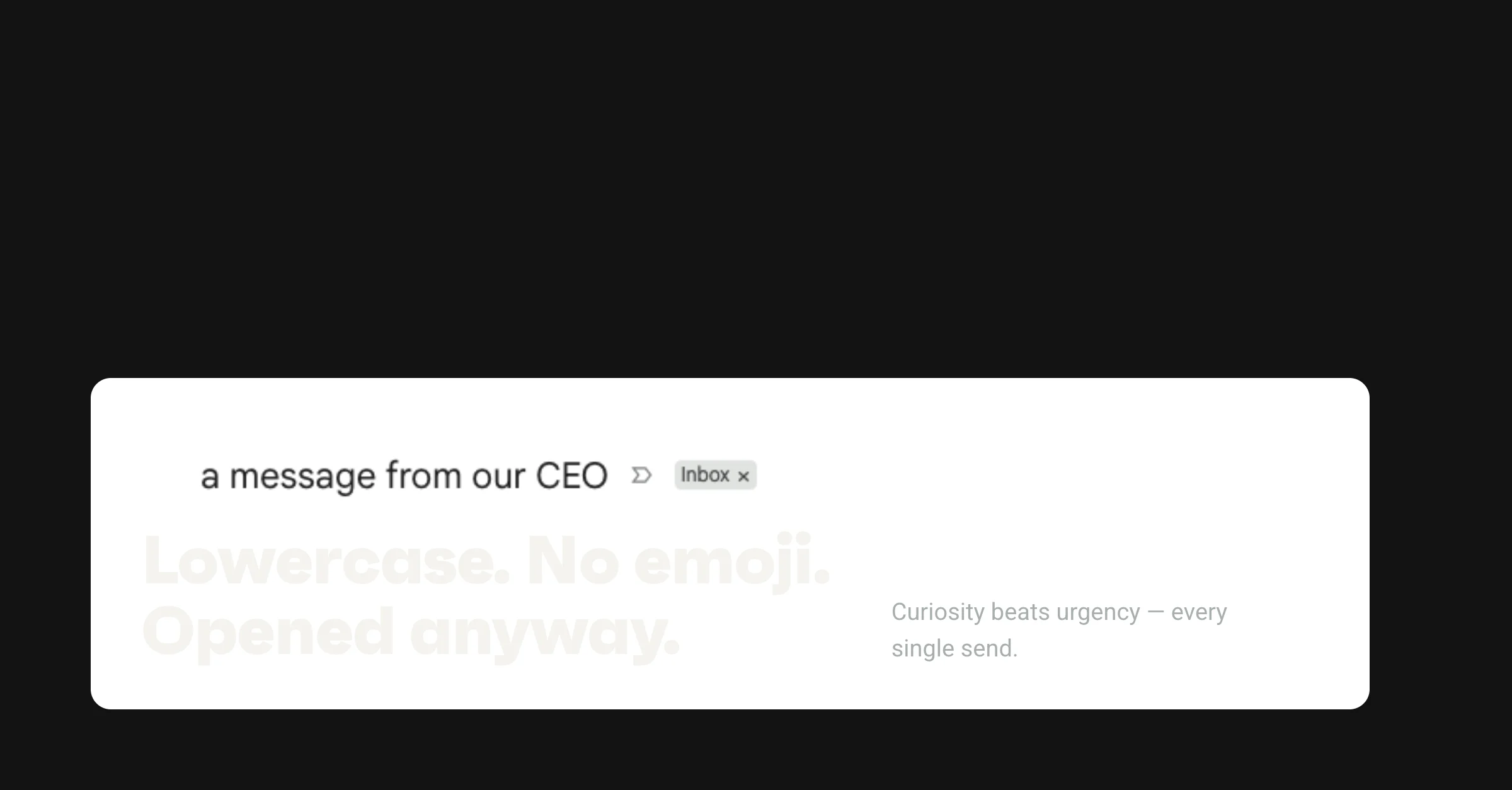
Email newsletters remain a powerful tool for direct audience engagement. Immune to zero-click harvesting, newsletters deliver content directly to subscribers on the brand’s terms. Effective programs are built around a clear editorial promise, tailored segmentation, and actionable next steps. Metrics like unique opens, genuine click-to-open rates, and organic subscriber growth become more indicative of affinity than mere volume. A welcome in a subscriber’s inbox signals a deeper relationship than a transient search ranking. Exclusive content, early access, and personalized updates can further strengthen this channel. -
Native Social Discovery: Engaging Where Audiences Reside:
Engaging authentically on social platforms offers another durable channel for content discovery. On platforms like Reddit, credibility is earned through genuine contribution and expertise before sharing links, a strategy with added benefit given Reddit’s emergence as a significant source for AI search results. LinkedIn provides traction for shareable carousels, concise insights, and professional discourse designed for in-platform engagement. Newer platforms like TikTok can be leveraged for short-form, insightful videos. In private communities—Slack groups, Discord servers, or niche forums—value comes from active, authentic participation rather than overt promotion. Brands that provide utility and engage genuinely build trust; those that merely push content for clicks often fail. -
Content-Driven Events and Interactive Experiences:
Live events, whether virtual or in-person, create immediate value and foster direct engagement. Webinars anchored by actionable tools, workshops focused on practical skills, or interactive playbooks create compelling live experiences. The content generated during these events—clips, FAQs, templates, case studies, and insights—can then be repurposed across other touchpoints, extending their reach and impact. The most effective teams develop "distribution kits" for every major asset, including automated email sequences, platform-specific social adaptations, community prompts, and snippets for sales enablement and internal knowledge transfer, ensuring maximum leverage.
Redefining Performance Metrics in the Google Zero Era
The traditional bedrock KPI of organic sessions is no longer sufficient or reliable in an era where AI Overviews siphon answers directly from content. To future-proof a destination content strategy, brands must shift their focus from merely measuring visits to measuring value and relationship.
-
Relationship Metrics:
Email sign-ups, subscriber growth and retention, community participation (e.g., forum activity, comments, shares), and social media engagement become paramount. These metrics reflect ongoing trust and affinity, signaling that content is worth returning to, unlike a fleeting pageview. The depth of engagement within communities, such as user-generated content or peer-to-peer support, indicates a strong relationship. -
Engagement Signals:
Moving beyond superficial clicks, these signals reveal the depth of content consumption. Metrics such as engaged reading time, scroll depth, recirculation into related articles, and direct repeat visits provide insights into how thoroughly users interact with content. The ratio of direct or bookmarked traffic to organic search traffic is particularly telling: it indicates that audiences are actively choosing to return to a site, rather than being passively funneled by an algorithm. -
Utility and Habit Metrics:
These indicators capture how content integrates into users’ workflows and daily habits. Tool completion rates, repeat usage of assessments, template downloads, calculator sessions, and resource revisits are strong indicators of content that delivers enduring, tangible value. A user who saves and reuses a brand’s template, for example, represents far greater value than one who merely skims a single article. Tracking these interactions, often through custom events in analytics platforms, is crucial. -
Contextualized Traditional Metrics:
Traditional SEO metrics like keyword rankings and organic sessions still hold relevance, but only within a broader context. When search is understood as one pipeline among many—rather than the sole conduit for traffic—fluctuations in these numbers lose their power to unilaterally derail a growth strategy. They become diagnostic tools within a diversified framework, helping to identify areas for refinement rather than serving as the ultimate arbiter of success.
Escaping the SERP: A New Content Imperative
The ascent of zero-click search does not spell the demise of content marketing; rather, it marks the end of complacent or uninspired content tactics. Google Zero is compelling brands to confront a truth that has been gradually emerging: visibility is meaningless without engagement, traffic is inherently volatile, but relationships endure.
Winning in this evolving landscape necessitates a radical rethinking of what is measured, how content is distributed, and why an audience should genuinely care. It means building digital destinations that are actively sought out, not merely pages that happen to rank. While fighting AI directly is unproductive and abandoning SEO entirely is ill-advised—these remain important components of a comprehensive digital strategy, and tactics for LLM optimization will continue to evolve—the core imperative is clear.
Survival in the Google Zero era is not about winning clicks; it is about winning commitment. Brands that cultivate trusted relationships, deliver irreplaceable utility, and foster genuine communities will discover a liberating truth: when audiences choose to seek you out, no algorithm, however sophisticated, can make you disappear. This strategic pivot towards building durable, value-driven relationships is the ultimate hedge against an increasingly automated and centralized digital future.
Frequently Asked Questions (FAQs):
1. What exactly counts as "destination content"?
Destination content refers to any digital experience that an audience actively seeks out directly, rather than merely stumbling upon via a search engine. This could include interactive tools, a highly valued newsletter, an authoritative content hub with bookmark-worthy resources, or a community forum they regularly visit. The defining characteristics are habit and unique value: it must be compelling enough for users to return to, even if Google doesn’t explicitly send them.
2. Should brands completely stop investing in SEO?
No, SEO remains important, but it should no longer be the sole or primary strategy. Instead, view SEO as one essential pipeline among many. Rankings and search traffic should be contextualized alongside a broader set of metrics that include relationship strength, engagement depth, and content utility. The most effective approach to counter zero-click search is diversification, ensuring multiple avenues for discovery and engagement.
3. How can smaller teams compete if they can’t build complex tools like HubSpot’s Website Grader?
Interactivity and utility don’t always require massive engineering investments. Smaller teams can create significant value through simpler tools like straightforward calculators (e.g., ROI calculators, savings estimators), personalized quizzes that offer tailored insights, or well-structured, downloadable templates (e.g., marketing plan templates, project management checklists). The key is to create something genuinely useful and personalized enough that your target audience actively wants to use it and return to it, fostering habit and direct engagement.