For decades, the bedrock of digital marketing strategy, particularly in search engine optimization (SEO), has been predicated on two seemingly unassailable metrics: website traffic and search engine rankings. Marketers lived and died by page one positions and soaring visitor counts, believing these indicators directly correlated with brand visibility and, ultimately, commercial success. However, a seismic shift has occurred with the pervasive integration of artificial intelligence into search, fundamentally altering user behavior and rendering these traditional "vanity metrics" increasingly insufficient, if not misleading. The era of AI search demands a sophisticated, new framework for measuring performance, one that transcends mere clicks and focuses on genuine impact on the bottom line.
The Evolution of Search: From Keywords to Conversational AI
The journey of search began with simple keyword matching, evolving through complex algorithmic updates to prioritize content quality, user experience, and mobile-friendliness. For years, securing a top spot on Google’s Search Engine Results Pages (SERPs) was the holy grail, guaranteeing a steady stream of organic traffic. This paradigm created a direct correlation: higher ranking meant more visibility, which translated to more clicks and, theoretically, more business. Marketing teams invested heavily in SEO strategies designed to improve keyword rankings, boost domain authority, and drive traffic volumes, celebrating every percentage point increase in website visits as a triumph.
The advent of large language models (LLMs) and their integration into search engines – notably Google’s AI Overviews, alongside standalone AI platforms like ChatGPT, Gemini, and Perplexity – has ushered in a new chapter. Instead of merely presenting a list of links, AI-powered search provides synthesized answers, often directly addressing user queries within the search interface itself. This profound change in how users interact with search results has a direct, undeniable impact on traditional metrics. Data from BrightEdge reveals that AI Overviews now appear on approximately 48% of all Google searches, a significant jump from 31% just a year prior. More critically, studies by Seer Interactive indicate that when these AI Overviews appear, organic click-through rates (CTR) for even the top-ranked results can plummet by as much as 61%. This stark reality underscores why relying solely on traffic and ranking figures in the AI era is akin to navigating with an outdated map.
Unmasking the New Vanity Metrics in AI Search
The challenge for marketers today is not just to adapt to AI search, but to avoid falling into the trap of new "vanity metrics" that offer impressive-sounding numbers without reflecting true business value. While the allure of high numbers in a slide deck remains, true context is essential to transform a mere metric into a actionable business signal. In the evolving landscape of AI search, metrics that fail to directly link to visibility, attribution, conversions, or revenue impact from AI-driven discovery are becoming increasingly irrelevant.
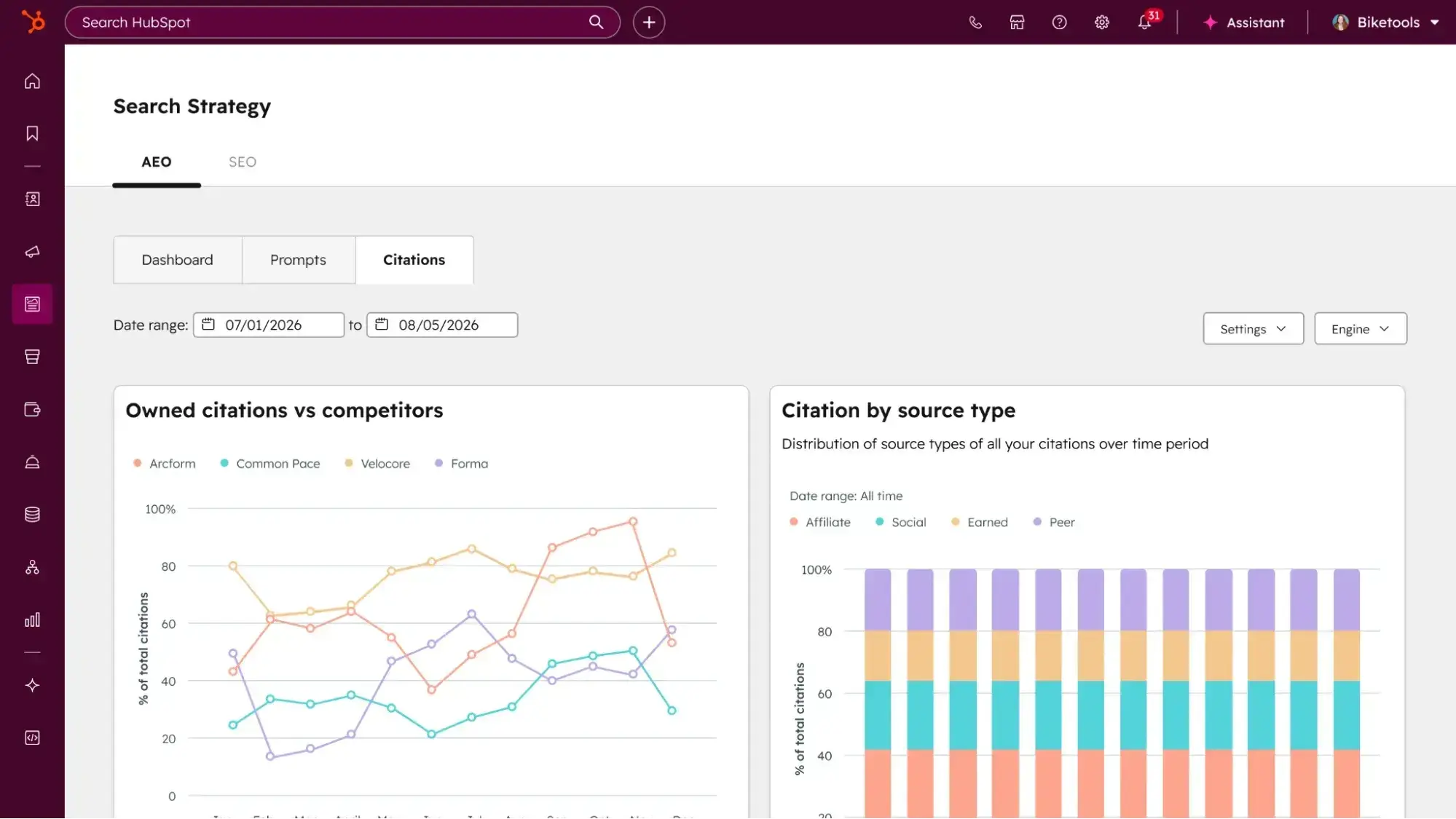
For instance, simply tracking the frequency of a brand’s mention in AI answers without understanding the competitive landscape or the accuracy of the mention can be misleading. A brand might appear in 30% of AI answers, but if a competitor is cited in 60% of answers for the same prompt set, the former is clearly losing the AI "share of voice" battle. Without this context, the 30% figure, while numerically positive, offers little strategic insight. Similarly, tracking raw numbers of AI interactions without segmenting for quality, sentiment, or conversion intent can lead to misallocated resources and flawed strategic decisions. The key distinction lies in moving beyond superficial metrics to those that provide a clear pathway to pipeline and revenue.
A New Framework for Success: Essential AI Search Performance KPIs
To navigate this new terrain effectively, marketers must adopt a layered approach to AI search KPIs, encompassing direct visibility, proxy behavioral signals, and, critically, revenue contribution. This framework ensures a holistic view of performance, moving beyond simplistic counts to strategic insights.
Direct Visibility Metrics: Knowing If You’re Seen
The foundational layer of AI search measurement focuses on direct indicators of a brand’s presence within AI-generated responses.
-
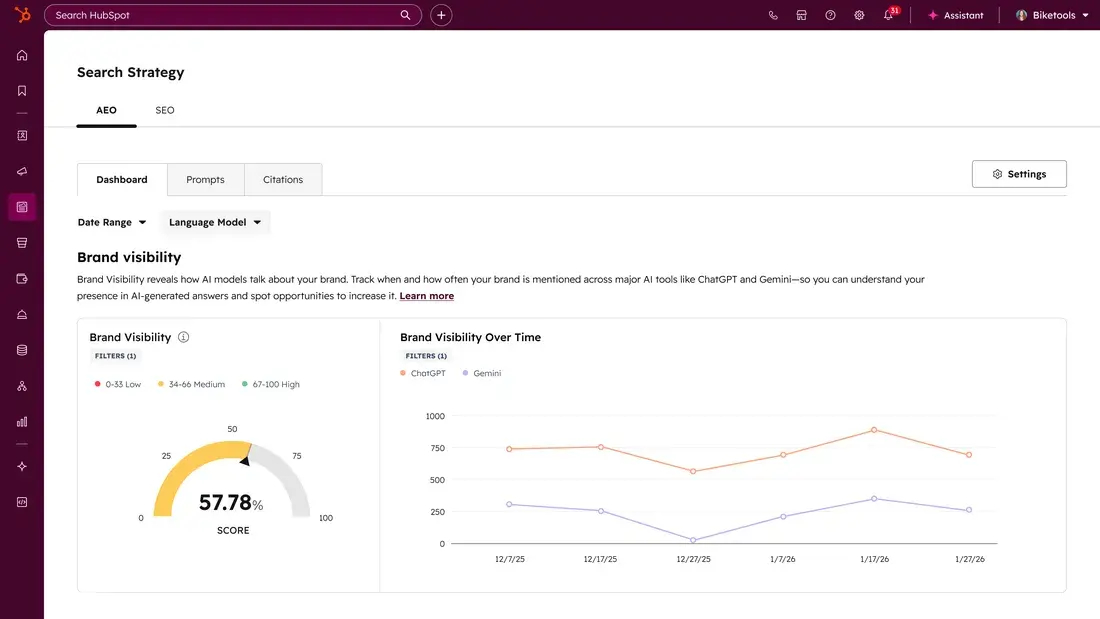
AI Visibility Rate: This crucial metric quantifies how often a brand is cited or appears within AI-generated answers for a defined set of relevant prompts. It directly addresses the question: "Are we visible where our audience is asking questions?" Measuring this involves systematically querying AI platforms with specific prompts that mirror target audience queries and tracking brand appearances. A high AI Visibility Rate signifies a strong foundational presence in the AI search ecosystem.
-
Citation Share: Building on AI Visibility Rate, Citation Share provides competitive context. It measures a brand’s percentage of citations relative to its competitors across the same set of prompts. For example, if a brand appears in 30% of relevant AI answers, but a key competitor appears in 60%, the brand’s true competitive standing is revealed. This metric is invaluable for benchmarking and identifying competitive gaps that can be addressed through content strategy.

-
Answer Accuracy and Sentiment: While quantitative visibility is vital, the qualitative aspect of AI mentions is equally important. AI engines, despite their sophistication, can sometimes generate inaccurate or outdated information. Tracking the accuracy of brand mentions (e.g., correct pricing, current features, appropriate use cases) and the sentiment (positive, neutral, negative) ensures brand reputation is protected and conversions are not jeopardized by misinformation. This qualitative analysis often requires manual review of AI responses but is critical for maintaining brand integrity.
Proxy Metrics: Uncovering Behavioral Signals and Intent
Given the "zero-click" nature of many AI interactions, where users might absorb information from an AI answer without directly clicking a link, marketers must rely on proxy metrics that capture downstream behavioral signals.
-
Branded Search Lift: This is one of the most powerful, yet often underutilized, proxy metrics. When an AI platform recommends a brand to a user, that user might not click an embedded link. Instead, they might close the AI chat and subsequently search for the brand directly on Google or navigate to its website. Scrunch’s analysis indicates that users recommended by AI are 182% more likely to search for the brand on Google within a week and 117% more likely to visit the website directly. An increase in branded organic search queries or direct website traffic, correlated with improved AI visibility, serves as a strong attribution signal for AI influence.
-
AI-influenced Engagement: Traffic referred by AI often exhibits distinct and superior engagement patterns. Similarweb’s findings reveal that ChatGPT-referred visitors, for instance, spend an average of 15 minutes on-site compared to Google’s 8 minutes, viewing 12 pages per session versus Google’s 9. Tracking engagement metrics such as time on site, pages per session, and bounce rate specifically for AI-referred traffic segments provides insights into the quality and intent of these visitors, helping to optimize content for this highly engaged audience.
-
AI-influenced Conversion Rate: The ultimate behavioral signal, AI-influenced conversion rate measures the rate at which AI-referred visitors complete desired actions (e.g., sign-ups, purchases). Ahrefs reported that AI-referred visitors, while accounting for a small fraction (0.5%) of sessions, drove a disproportionately high 12.1% of all sign-ups, a 23x conversion differential. This highlights the high intent of users who have been pre-qualified and guided by AI. Segmenting conversion data by AI traffic sources in analytics platforms like Google Analytics 4 is essential to capture this metric.
Connecting to the Bottom Line: AI Revenue Contribution
The most critical, yet challenging, KPI is directly linking AI search visibility to revenue. This requires a robust attribution strategy that acknowledges the unique characteristics of AI-driven discovery.
- AI Revenue Contribution (via CRM): This KPI bridges the gap between AI visibility and actual business outcomes. Since most AI engines do not pass direct referral data, traditional last-click attribution models fail. To capture AI’s revenue impact, marketers must integrate self-reported attribution mechanisms into their customer relationship management (CRM) systems. By asking "How did you first hear about us?" with AI platforms as explicit options on lead forms and surveys, businesses can tag contacts with an "AI Discovery Source." CRM tools like HubSpot’s Smart CRM allow for custom properties and automation to track these AI-influenced leads through the entire sales pipeline, enabling reporting on AI-sourced pipeline value, close rates, and ultimately, direct revenue contribution. This approach, while relying on self-reporting, captures the zero-click discovery path that remains invisible to standard analytics.
Measuring AI Visibility and Citation Share: A Practical Guide
Implementing these KPIs requires a systematic and consistent measurement practice.
-
Establish a Comprehensive Prompt Set: The foundation of AI visibility measurement is a carefully curated list of 30-50 prompts across three categories: discovery (broad queries), comparison (evaluating options), and transactional (specific purchase-intent queries). These prompts must accurately reflect how the target audience engages with AI search engines.
-
Input Prompts into AI Visibility Tools Across Platforms: Unlike traditional SEO with its centralized Google dominance, AI search visibility is a multi-platform endeavor. While tools like HubSpot AEO can automate tracking across major platforms like ChatGPT, Gemini, and Perplexity, manual testing on other emerging AI engines like Claude is often necessary. Goodie’s 2026 Wave 2 report showed ChatGPT’s share of B2B AI referrals dropping from 89% to 63% in eight months, while Claude reached 18.5% and Gemini 10.6%, underscoring the need for broad platform coverage. Consistency in running prompts (same time, location/VPN, multiple times) is crucial due to the non-deterministic nature of AI answers.
-
Evaluate and Document Findings: Regular analysis of prompt responses is vital. This includes tracking increases or decreases in citations for both the brand and its competitors, noting the context of mentions (e.g., product features, use cases), and identifying new content ideas based on competitor strengths or identified gaps. This iterative process allows for continuous refinement of content strategy to maximize AI visibility.
Bridging the Attribution Gap: Connecting KPIs to Revenue
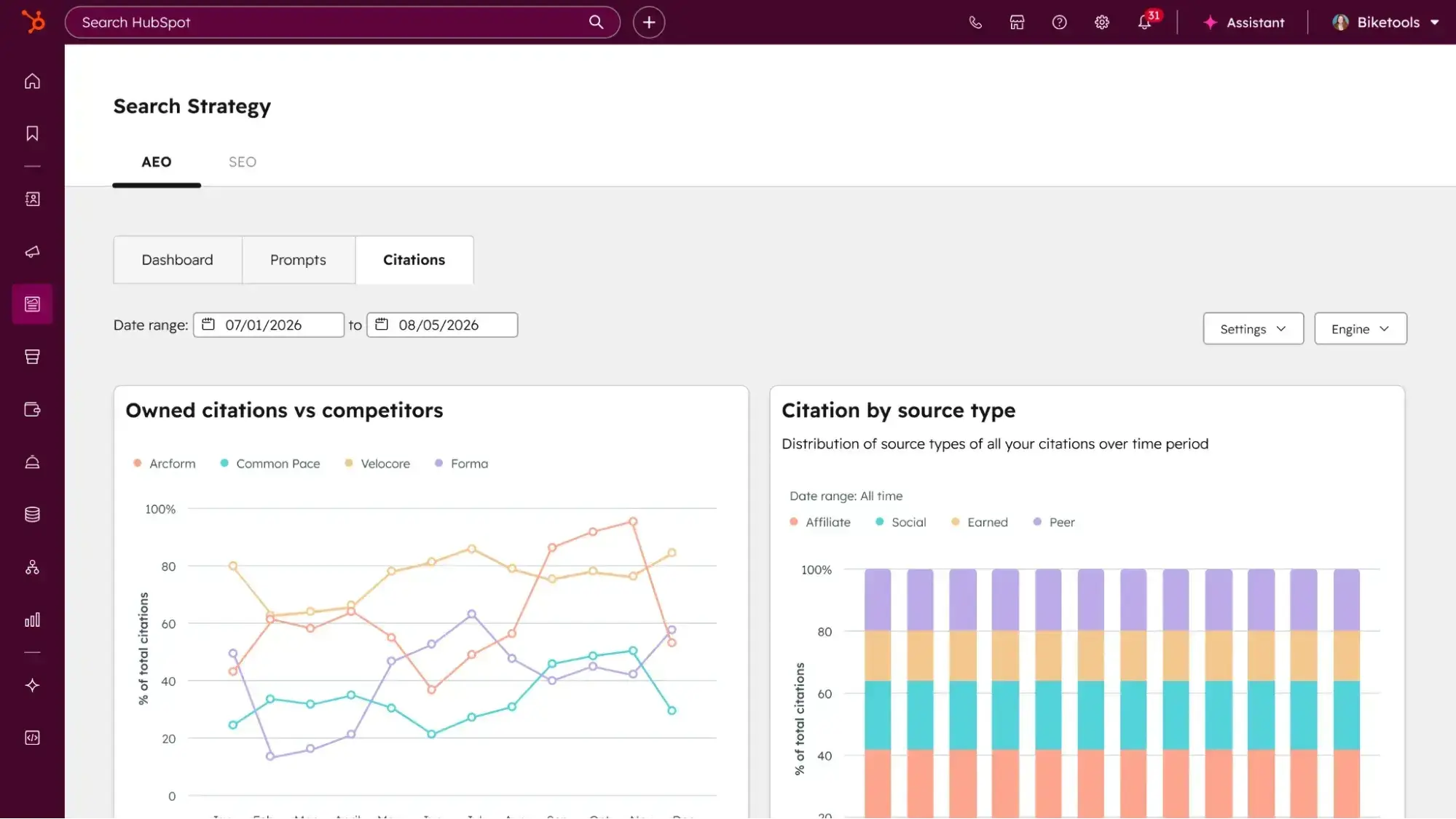
The inherent attribution challenge in AI search necessitates a multi-pronged strategy to connect KPIs to tangible business outcomes.
-
Leverage Self-Reported Attribution: As AI engines often do not pass referral data, self-reported attribution becomes paramount. Integrating "How did you first hear about us?" fields with AI platforms as explicit options into lead forms, post-purchase surveys, and customer onboarding processes captures the crucial "zero-click" discovery path. Semrush research indicates that 55% of US consumers use AI for product research weekly, and Fairing confirmed a tenfold growth in customers naming LLMs in "how did you hear about us" surveys from January to July 2025. This data, while imprecise, provides invaluable directional signals.
-
Track Branded Search Lift and Direct Entrances: The correlation between improved AI visibility and subsequent increases in branded organic search volume or direct website traffic serves as a robust proxy attribution signal. When users discover a brand via AI and then search for it directly, this indicates strong brand recall and intent, which should be monitored closely in tools like Google Search Console and Google Analytics 4.
-
Integrate AI Discovery Signals into Your CRM: To translate AI influence into measurable revenue, CRM systems must be configured to capture AI discovery data. This involves creating custom contact properties (e.g., "AI Discovery Source," "AI First Touch Date") and ensuring these fields are populated through self-reported attribution forms. By mapping AI-influenced leads to closed revenue using CRM’s deal reporting functionalities, leadership can finally see a clear, data-backed link between AI search efforts and the bottom line. This strategic integration transforms abstract visibility scores into concrete financial contributions.
The Future of Search Marketing: Adaptability and Strategic Measurement
The rapid evolution of AI in search signifies an ongoing transformation in digital marketing. Marketers who embrace this shift and adopt sophisticated measurement practices will gain a significant competitive advantage. While the tools and methodologies will continue to mature, the core principle remains: focus on metrics that truly inform decisions and demonstrate business impact. By consistently tracking AI visibility, understanding user behavior influenced by AI, and diligently connecting these efforts to pipeline and revenue through integrated CRM strategies, brands can not only survive but thrive in the dynamic landscape of AI-powered search. The era of traffic and rankings as ultimate indicators of success is fading; the future belongs to those who master the art and science of AI search performance KPIs.