The modern communications landscape is increasingly defined by the tension between brand ego and consumer reality, the integration of artificial intelligence in high-level discourse, and a rapidly evolving economic sentiment among American shoppers. Three recent developments highlight these shifts: a high-profile social media crisis involving the furniture brand Lovesac, a public admission by a billionaire investor regarding the use of AI in a prestigious newspaper op-ed, and new data suggesting that while American consumers are not halting their spending, they are fundamentally altering their purchase journeys to prioritize strategic value.
The Lovesac Controversy: A Case Study in Brand Defensiveness
The furniture industry, particularly the direct-to-consumer (DTC) segment, has long relied on the promise of convenience. However, Lovesac, a company known for its modular "Sactionals," recently faced a significant reputational challenge when a viral complaint exposed the gap between marketing promises and the customer assembly experience.
The incident began when Deric Cahill, a comedian and influencer, posted a video documenting his struggle with the delivery and assembly of a Lovesac couch. Surrounded by more than a dozen cardboard boxes, Cahill highlighted the physical toll of the process, which required hours of labor and the use of small gardening gloves provided by the company to protect the hands from repetitive strain. The video resonated deeply with the public, quickly amassing over 10 million views and generating more than 14,000 comments.
Chronology of the Response
The initial viral post acted as a catalyst for a broader discussion. Logistics workers, including FedEx loaders, joined the conversation to complain about the difficulty of handling Lovesac’s heavy, multi-box shipments. Existing customers shared similar "assembly horror stories," transforming a single complaint into a collective critique of the brand’s user experience.
Lovesac’s initial reaction was not one of reconciliation, but of confrontation. CEO Shawn Nelson posted a video that appeared to mock Cahill, specifically targeting the "size small" gardening gloves and making jokes about whether the influencer’s wife was impressed by his assembly skills. This was followed by a series of posts from the official Lovesac TikTok account that featured a woman effortlessly assembling a couch, pointedly referencing "tiny little gloves" and framing assembly as an "attractive" quality.
The backlash was immediate. Critics argued that the brand had pivoted from a legitimate discussion about product logistics to an unnecessary commentary on masculinity. Only after the initial "clapback" strategy failed to suppress the criticism did Nelson post a more measured response. In this second attempt, he acknowledged that Cahill’s rant was "totally accurate" and admitted that the company had been hearing similar complaints regarding assembly for years. He concluded by stating that the company was working on a permanent fix for the assembly process.
Analysis of Implications
For public relations professionals, the Lovesac episode serves as a reminder that viral criticism is often "free consumer research." By treating a valid complaint as a personal attack, Lovesac missed an opportunity to demonstrate empathy and innovation. The shift from a defensive, gender-coded response to a humble acknowledgment of product flaws suggests that while brands may feel the urge to be "edgy" or "funny" on social media, the line between "laughing with" and "laughing at" a customer is thin and fraught with risk.
Artificial Intelligence and the Future of Executive Thought Leadership
While Lovesac struggled with human-to-human communication, the financial world is grappling with the ethics of human-to-AI collaboration. Stanley Druckenmiller, a billionaire investor and former hedge fund manager, recently sparked a debate regarding the transparency of thought leadership after acknowledging that a Wall Street Journal (WSJ) op-ed published under his name was written with the assistance of artificial intelligence.
The op-ed in question criticized Treasury Secretary Scott Bessent’s interventions in the bond market. After the piece was flagged by Pangram, an AI detection tool, as being 100% AI-generated, Druckenmiller was asked about the process. He did not deny the tool’s involvement, comparing the use of AI to the use of a calculator for mathematical problems.
The Disclosure Debate
This incident highlights a growing schism in how major media outlets handle AI-assisted content. Paul Gigot, the WSJ’s editorial page editor, defended the publication, stating that the primary concern is whether the piece reflects the author’s genuine views rather than the mechanics of the drafting process.
In contrast, other prestigious publications have taken a stricter stance. The Financial Times recently added a disclosure note to a column by Harvard professor Ricardo Hausmann after discovering AI had been used to condense the draft, citing a violation of their editorial code regarding authorship.

Strategic Takeaways for Comms Professionals
The Druckenmiller case suggests that the "authenticity" of an executive’s voice is no longer tied solely to the physical act of writing. However, the reputational risk remains high. If an AI-generated piece contains factual inaccuracies or fails to align with an executive’s established brand, the resulting damage to credibility can be permanent.
PR advisors must now establish clear internal policies regarding AI disclosure. As detection tools become more sophisticated and widely available to the public, the question is not if a piece will be identified as AI-assisted, but how the brand will defend that choice when it happens. Experts suggest that before any AI-assisted content is published, it must be rigorously vetted for tone, voice, and compliance with the specific guidelines of the publishing medium.
The 2026 Consumer Economy: Smarter Spending and the Rise of AI Search
As brands navigate social media crises and AI ethics, they must also adapt to a fundamental shift in consumer behavior. According to the Adtaxi 2026 Consumer & Economy Survey, 93% of Americans have adopted at least one cost-saving behavior in response to ongoing economic uncertainty. However, the data indicates that this is not a retreat from spending, but rather a sophisticated evolution in how consumers find value.
Supporting Data: Consumer Behavioral Shifts
The survey identified several key strategies that have become mainstream among American shoppers:
- Comparison Shopping: 51% of respondents now prioritize comparing prices across different platforms before making a purchase.
- Couponing and Discounts: 37% of consumers actively seek out coupons or promotional codes.
- Bulk Purchasing: 30% of shoppers are buying in bulk to lower the per-unit cost of essential goods.
- Brand Switching: 28% of consumers have moved away from name brands in favor of more affordable private-label alternatives.
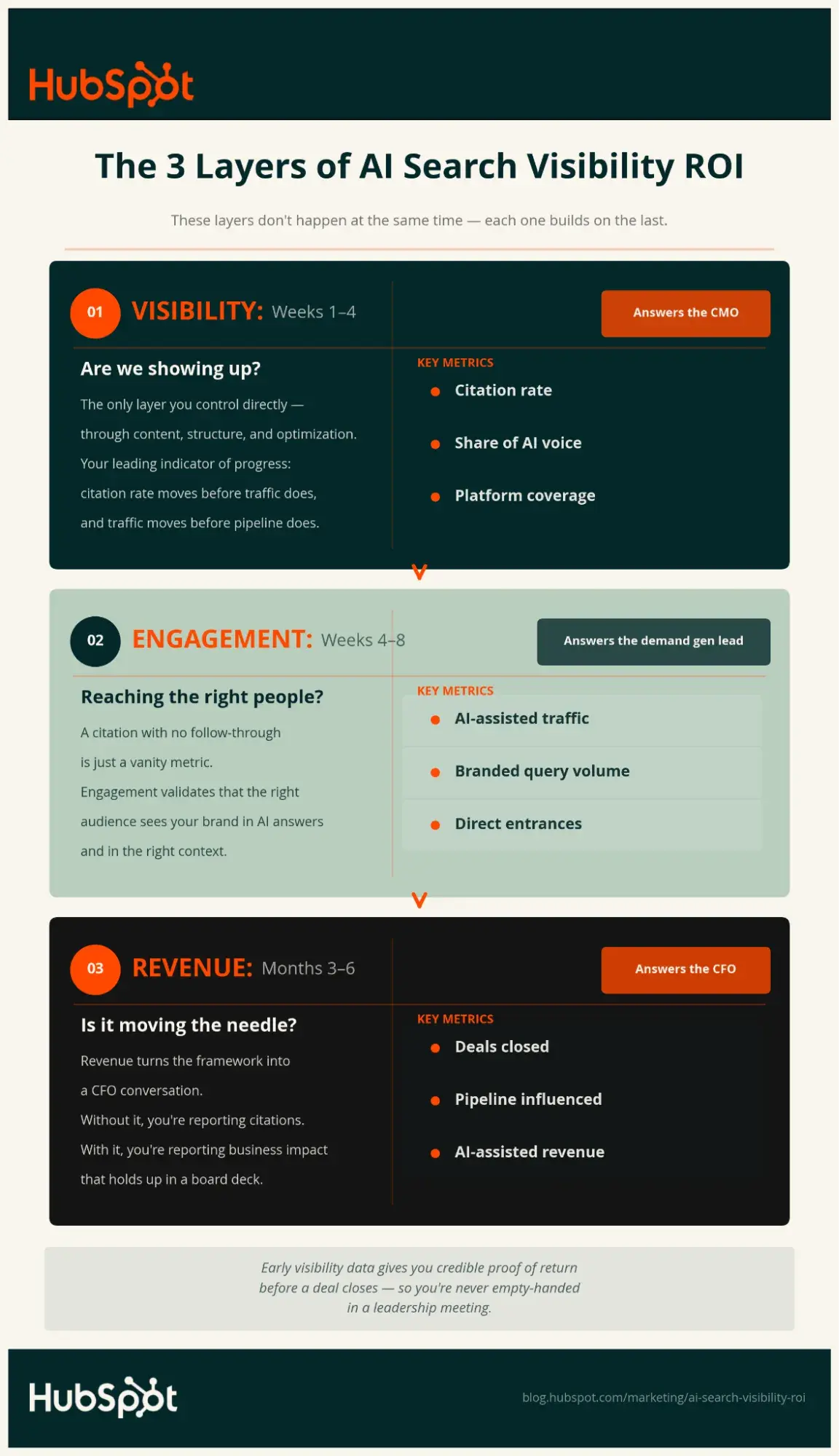
Perhaps most significantly, the survey found that 27% of consumers are now using AI-powered search tools to begin their purchase journeys. This shift toward "Generative Experience Optimization" (GEO) means that brand visibility is increasingly dependent on how AI models perceive and rank products, rather than traditional keyword-based SEO.
Redefining Value in a Cautious Market
The implications for brands are clear: value messaging must be moved to the forefront of all communications. Industry experts suggest that the focus should shift from "luxury and decadence" toward "affordability without compromise."
Strategic recommendations for brands include:
- Validating Choice: Messaging should empower consumers, making them feel confident and in control of their financial decisions rather than ashamed of budget constraints.
- Flexible Packaging: Companies, particularly in the travel and retail sectors, should offer smaller or more modular options—such as three-night hotel packages instead of week-long stays—to lower the barrier to entry.
- Incentivizing Loyalty: Providing clear, easy-to-find value plays, such as discounts or bundled packages, can prevent consumers from switching to competitors.
Broader Impact and Implications for the PR Industry
The intersection of these three trends—viral accountability, AI-assisted authorship, and the "smart" consumer—points toward a future where transparency and utility are the most valuable currencies for any organization.
The Lovesac incident proves that a brand’s "voice" on social media must be backed by a genuine commitment to the customer experience. A witty retort cannot mask a logistical failure, and in the age of the viral video, the customer often has a larger platform than the corporation.
Simultaneously, the normalization of AI in executive communication, as seen with Stanley Druckenmiller, requires a new set of ethical standards. Public relations professionals are no longer just ghostwriters; they are now editors and auditors of machine-generated content, tasked with ensuring that technology enhances rather than diminishes human credibility.
Finally, the economic data from 2026 underscores the necessity of meeting consumers where they are. As shoppers utilize AI to find the best deals and scrutinize every purchase for its "value play," brands that fail to communicate their worth clearly and empathetically risk being filtered out by both algorithms and human intuition.
In conclusion, the path forward for brands and executives alike involves a move away from defensive posturing and toward a model of radical listening and strategic transparency. Whether it is responding to a frustrated customer on TikTok, disclosing the use of a digital writing assistant, or restructuring pricing for a cautious public, the goal remains the same: building a reputation based on reliability, authenticity, and a deep understanding of the modern consumer’s needs.